It’s the Sunday before the first day, your class list is full of names you can’t pronounce yet, and somewhere in a bin is a laminated rules poster from three years ago. Good news: the back to school activities you choose this week will shape your year far more than that poster ever will.
Kids decide fast whether a room is safe — not on day thirty, but in the first hour of day one. So the plan below spends that hour on connection instead of procedures, and earns the procedures back all year in kids who actually listen.
The short version
3 days free
Ready for the whole library?
You’ve had your freebie — but members download 10,000+ resources for every grade, all year long. Try it free — $0 today, cancel anytime.
Free for teachers
Pick your grade. We’ll send 10 free resources.
Worksheets, activities and a video — picked for your classroom, ready to print tonight.
One free bundle per teacher. We’ll also send free teaching ideas each week — unsubscribe anytime.



- Spend day one on names, voices, and belonging. Rules land better on day two.
- Pick three or four activities, not twenty. Depth beats a parade of icebreakers.
- Match the activity to the grade band — a six-year-old and a sixth grader need different doors in.
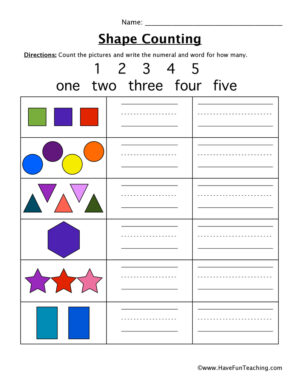
- Print your Back to School worksheets the week before so the first day needs zero prep.
- Community is a habit, not an event. Keep one ritual going past week one.
Why Back to School Activities Beat Reading the Rules Out Loud
We’ve all lived the alternative. You read the handbook aloud, twenty-six kids stare at the clock, and by 9:40 someone asks when lunch is. Nobody remembers a word of it.
The strongest back to school activities do three quiet things at once. They get every kid’s voice into the room early, which makes speaking up in October feel normal. They give you real data — who’s shy, who’s anxious, who already knows three people. And they hand kids a story about this room that isn’t follow the rules, it’s you belong here.
That’s not a soft nicety. A kid who feels known asks for help sooner, takes more academic risks, and gives you the benefit of the doubt on a bad day.
What Should You Do on the First Day of School?
You don’t need a full day of games — just a strong opening, one anchor activity, and a calm exit. Most first day of school ideas fail because they try everything at once and leave kids overstimulated by noon.
The first thirty minutes
Greet every child at the door by name, even if you’re reading it off a sticky note. Have one seated task ready — a coloring page, an All About Me sheet — so early arrivals aren’t standing around while you handle a bus mix-up. Then circle up and do names before anything else.
The rest of day one
Run one connection activity that makes kids talk to someone who isn’t their best friend. Break for movement every twenty minutes. Introduce two procedures, maximum, and save the rest for the week. End with something the whole group did together, so the last feeling of the day is we.
Reading Rockets has a lovely round-up of first-day activities that double as literacy warm-ups if you want a few more to choose from.
Let a Song Do Some of the Community Building
Music is the shortcut nobody uses enough in August. A three-minute song teaches respect, kindness, and how to be a decent classmate faster than a twenty-minute talk — and kids will hum it back to you in November.
The Character Education Songs collection is built for exactly these weeks: Respect, Caring, Community, Fairness, Responsibility, Courage, Patience, plus a Good Morning Song for arrival. Twenty-three tracks, most of them short enough for a transition.
Try this pairing: play the Respect Song on day two, then have kids finish the sentence respect in this room looks like… on a sticky note. You’ve just written your class expectations with them instead of at them — in eight minutes.
20 Back to School Activities That Build Community
Grouped by grade band, with the best moment to run each one. Pick three or four — the goal is a room that knows each other, not a checklist you survived.
Kindergarten to 1st grade
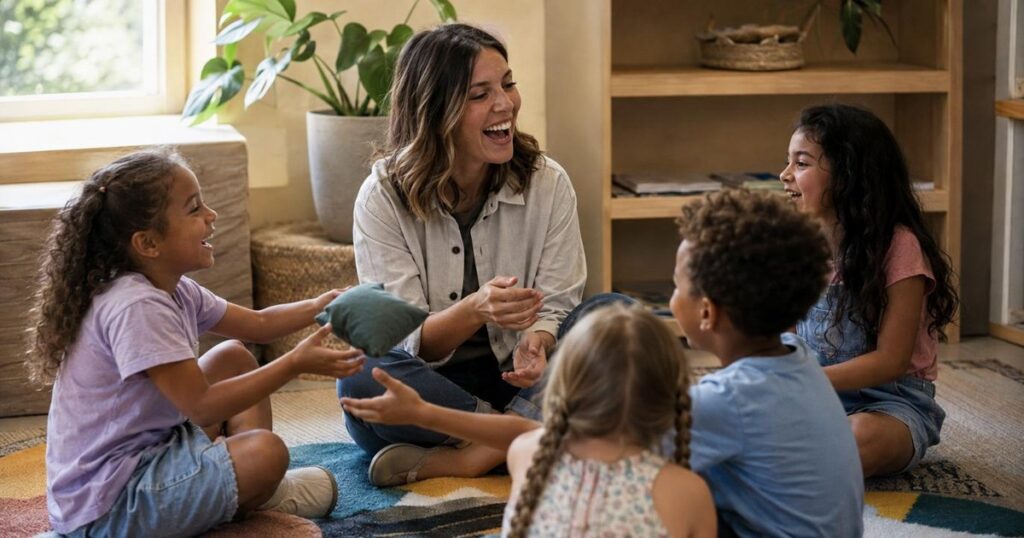
- The Name Wave. Day one, first ten minutes. Each child says their name and adds a motion — a hop, a wiggle, a clap — and the group echoes it back. Every voice gets heard once, and nobody has to talk for long.
- Same as Me. Day one, right after lunch. Call out something small: stand up if you have a dog, if you like pancakes, if you have a little brother. Kids find their people in four minutes flat.
- All About Me Page. Day one, quiet time after recess. Drawing plus a few labeled words. It calms the room, and you get a keepsake for the first parent conference.
- Classroom Tour Scavenger Hunt. Day two, morning. A picture checklist: find the tissues, the calm corner, the pencil sharpener. Procedures learned by walking instead of listening.
- Feelings Faces Check-In. Day one, then every morning. Kids point to a face as they come in. Ninety seconds, and you know who needs you before math starts.
- Build a Class Promise. Day two or three. Instead of handing down rules, ask what would make this a good room. Write their words. Everyone signs with a thumbprint.
- Partner Puzzle Pairs. Day three. Cut simple pictures in half, hand them out, kids find their match. That’s their buddy for the week.
2nd to 3rd grade
- Interview a Stranger. Day one, first hour. Pair kids who don’t know each other, give three questions, then each one introduces their partner. Talking about someone else is easier than talking about yourself.
- Back to School Icebreaker Sheet. Day one. A printable that gives structure to a room that isn’t ready for open-ended yet. Zero prep, and it fills the wobbly stretch before lunch.
- Human Bingo. Day two. A grid of squares — has been on an airplane, can whistle, has a September birthday. Kids collect signatures. Loud, but productively loud.
- The Classroom Constitution. Day two. Small groups draft three rules, then the class negotiates a final list. They argue about it, which means they own it.
- Wall of Wishes. Day two or three. One sticky note each: something you hope happens this year. Revisit in January and watch their faces.
- Story Chain. Day three. One sentence each around the circle until you have a ridiculous class story. Read it back dramatically. Instant inside joke.
- Classroom Job Auction. End of week one. Kids apply for jobs in one sentence. Jobs rotate monthly, and the room starts running itself.
4th to 6th grade
- Six-Word Memoir. Day one. Describe your summer in exactly six words. Older kids love the constraint, and the ones who hate writing can still win at it.
- Silent Line-Up. Day two. Line up by birthday without speaking. Chaos for ninety seconds, then real teamwork. Debrief for two minutes afterward — that’s where the learning is.
- Team Challenge With a Contract. Day two or three. Build the tallest tower from spaghetti and tape, but first each group writes how they’ll handle disagreement. Refer back to those contracts all year.
- Compliment Cards. Friday of week one, then weekly. Each kid writes one specific compliment for a randomly drawn classmate. Specific is the whole trick — model it first.
- Letters to Future You. End of week one. Kids write to themselves in May: goals, worries, one prediction. Seal them. Hand them back in June.
- The Question Box. Set it up day one, read from it weekly. Anonymous questions about anything — the content, the class, you. The best early-warning system a room can have.
Teacher tip: Whatever you run on day one, do a shortened version again on day four. Repeating an activity turns it from a one-off game into a ritual, and rituals are what kids actually remember about a classroom.
Ready-to-print
Everything for your first week, already made
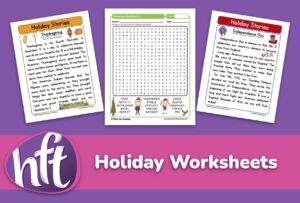
All About Me sheets, icebreakers, classroom rules pages, scavenger hunts, student information forms, and parent contact sheets — 49 back to school printables you can send to the printer tonight and forget about until Monday.
Get the Back to School Worksheets Browse free resourcesNo login needed to browse · Preschool–6th · Print in seconds
Keeping Classroom Community Alive After Week One
Here’s where most of us slip. The first week is warm and intentional, then the pacing guide arrives and community quietly becomes something we did in August.
Pick one ritual and protect it. A two-minute morning check-in. Friday compliment cards. A song before transitions. It should be short enough that you’ll still be doing it in March, because consistency is the whole mechanism — not the cleverness of any single activity.
The same energy works again in January when everyone comes back rusty. Pull fresh writing prompts and restart the conversation without inventing anything new.
Kids don’t remember the rules you posted. They remember whether they were glad to walk in the door.
How Have Fun Teaching Makes the First Weeks Easier
August is expensive in the one currency teachers don’t have. A resource library isn’t there to replace your judgment about your kids — it’s there to delete the two hours you’d spend making an All About Me page from scratch at 10pm. The Back to School collection is built for that.
- Print-and-go worksheets, activities, and forms for Preschool through 6th, so mixed-age homeschool days work too.
- Songs and videos that teach character and routines while you refill your coffee.
- Filters by grade, subject, and skill, so you can find the right sheet in under a minute instead of scrolling a marketplace.
Back to School Activities: Common Questions
What are the best back to school activities for the first day?
Start with names, then one connection activity that pairs kids who don’t already know each other. The Name Wave works for the youngest grades and Interview a Stranger works from second grade up. Introduce no more than two procedures on day one and save the rest for the week.
How long should I spend on classroom community before starting curriculum?
Front-load the first three days, then keep one short ritual all year. Most teachers find that thirty focused minutes a day for a week buys back far more instructional time in September than it costs, because redirections and conflicts drop sharply once kids feel known.
Do these back to school activities work for homeschool?
Yes, with small tweaks. Skip the large-group games and keep the reflective ones: All About Me pages, six-word memoirs, letters to future you, and a family version of the class promise. Siblings of different ages can do the same activity at their own level, which is half the point.
Are there back to school songs I can play in the classroom?
There are. The Character Education Songs collection includes Respect, Caring, Community, Fairness, and a Good Morning Song for arrival, and the Respect Song alone has over three million views on YouTube. They fit neatly into transitions, which is when most first-week wobbles happen.
Where can I find free back to school printables?
Have Fun Teaching keeps hundreds of free worksheets available with no login required to browse, including All About Me pages and icebreakers. The full Back to School set of 49 printables, plus songs and activities, comes with a membership and a three-day free trial.
Get your whole first week printed tonight
Stop building All About Me pages from scratch at 10pm. Get the back to school printables, the character songs, and 10,000+ more resources for every week after this one.
- 10,000+ ready-to-teach resources
- Preschool–6th grade
- Loved by 2M+ teachers & homeschoolers
No card required to start · Cancel anytime · $39.97/year
3 days free
Ready for the whole library?
You’ve had your freebie — but members download 10,000+ resources for every grade, all year long. Try it free — $0 today, cancel anytime.
Free for teachers
Pick your grade. We’ll send 10 free resources.
Worksheets, activities and a video — picked for your classroom, ready to print tonight.
One free bundle per teacher. We’ll also send free teaching ideas each week — unsubscribe anytime.