Skip to content
Start My 3 Free Days $0 today · cancel anytime

Science Resources

1,001 science resources: 736 worksheets, 206 assessments, 150 activities and more, covering life science, Earth Science, animals, plus more. How teachers use these

Science Resources

1,001 science resources: 736 worksheets, 206 assessments, 150 activities and more, covering life science, Earth Science, animals, plus more. How teachers use these

Worksheet
Worksheet3rd GradeForces Motion Worksheet

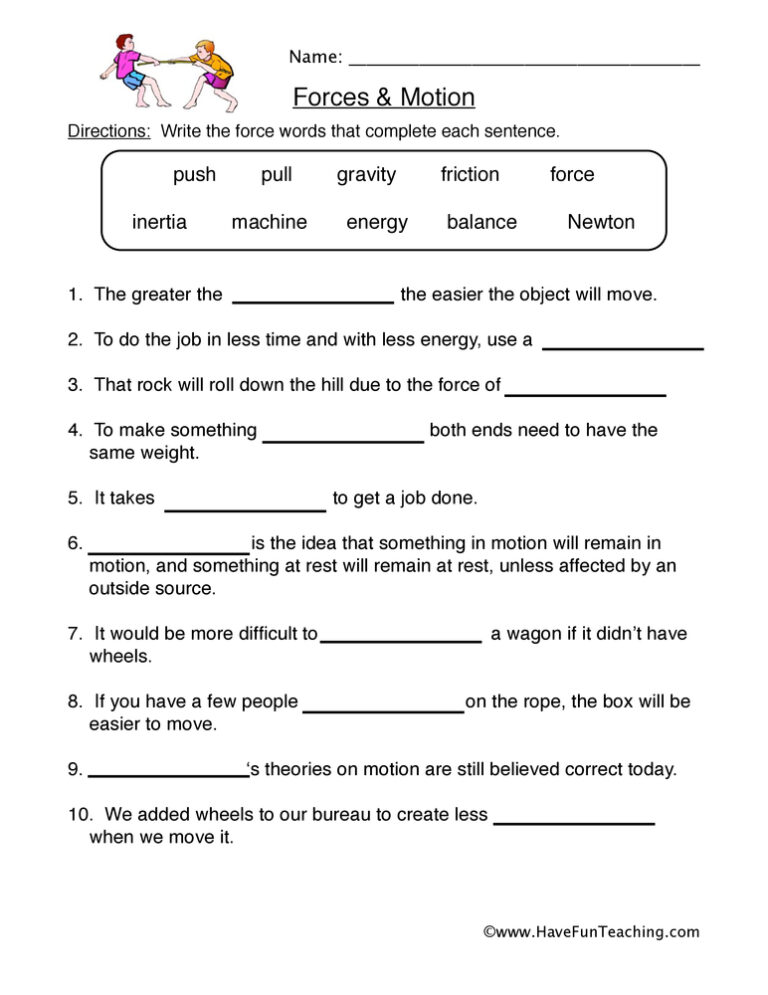
A 3rd grade forces motion worksheet where students use a word bank to complete eight sentences about force, push, pull, gravity, friction, motion, speed, and magnets. Includes an answer key for easy, no-prep science practice.

Worksheet
Worksheet5th GradeAnimal and Plant Cells Worksheet

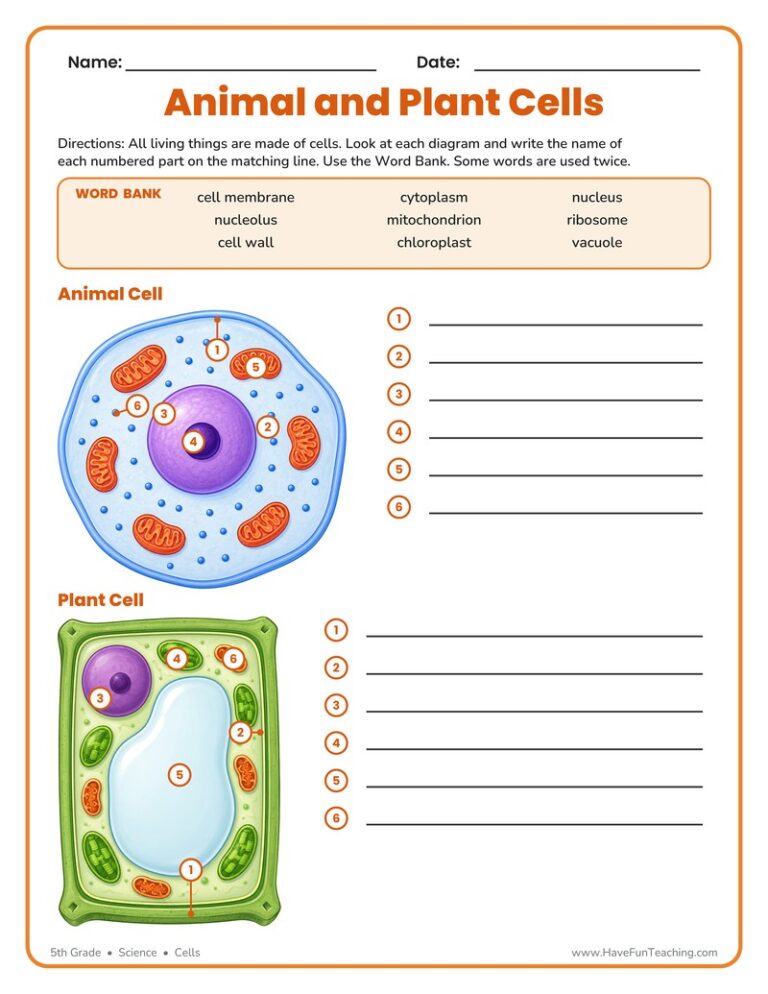
This Animal and Plant Cells Worksheet asks 5th grade students to label the organelles of an animal cell and a plant cell using a word bank. Answer key included for fast, no-prep science review.

Worksheet
Worksheet4th GradeLabel Skeletal System Worksheet

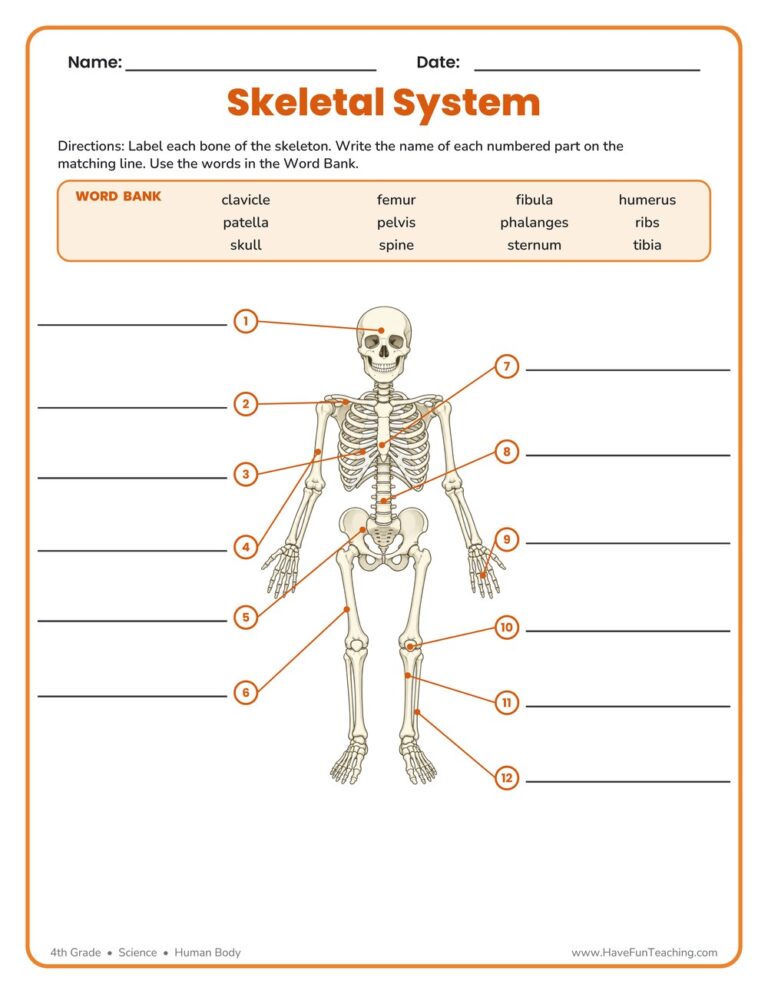
This Label Skeletal System Worksheet lets 4th grade students identify and name twelve major bones on a clear skeleton diagram using a word bank. An answer key is included for quick, no-prep human body practice.

Assessment
Assessment1st GradeAll About Autumn Reading Comprehension Worksheet

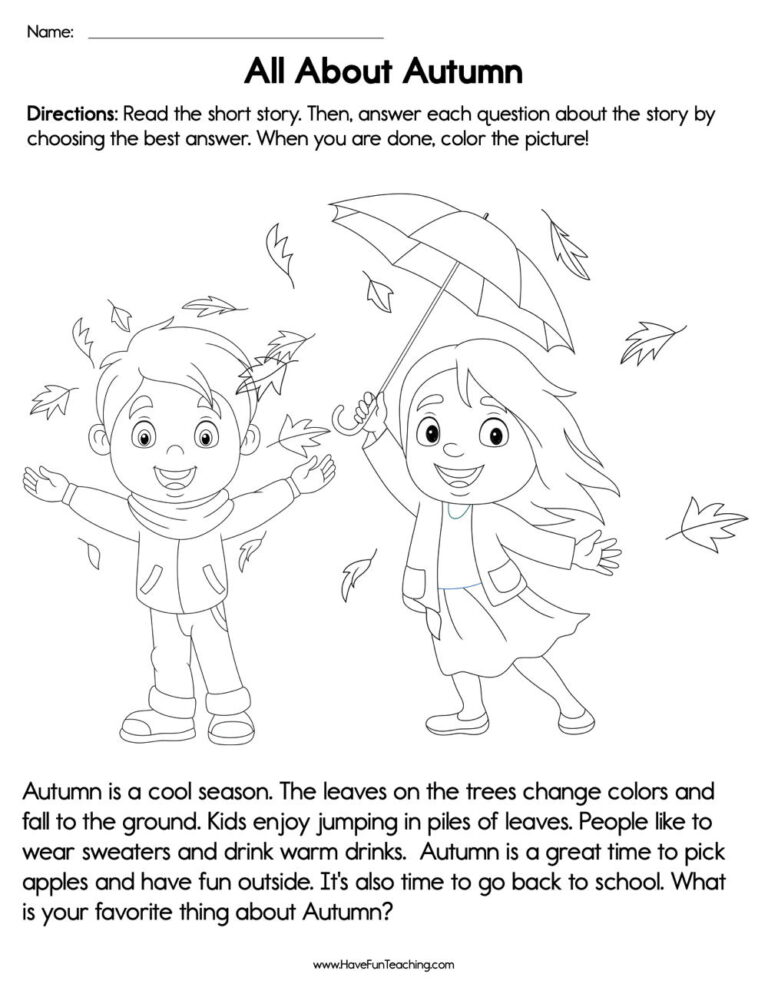
The All About Autumn Reading Comprehension Worksheet gives 1st graders a short fall passage and multiple-choice questions to build reading comprehension. An answer key is included for quick, no-prep practice at home or school.

Worksheet
Worksheet5th GradeReading Food Labels Worksheet

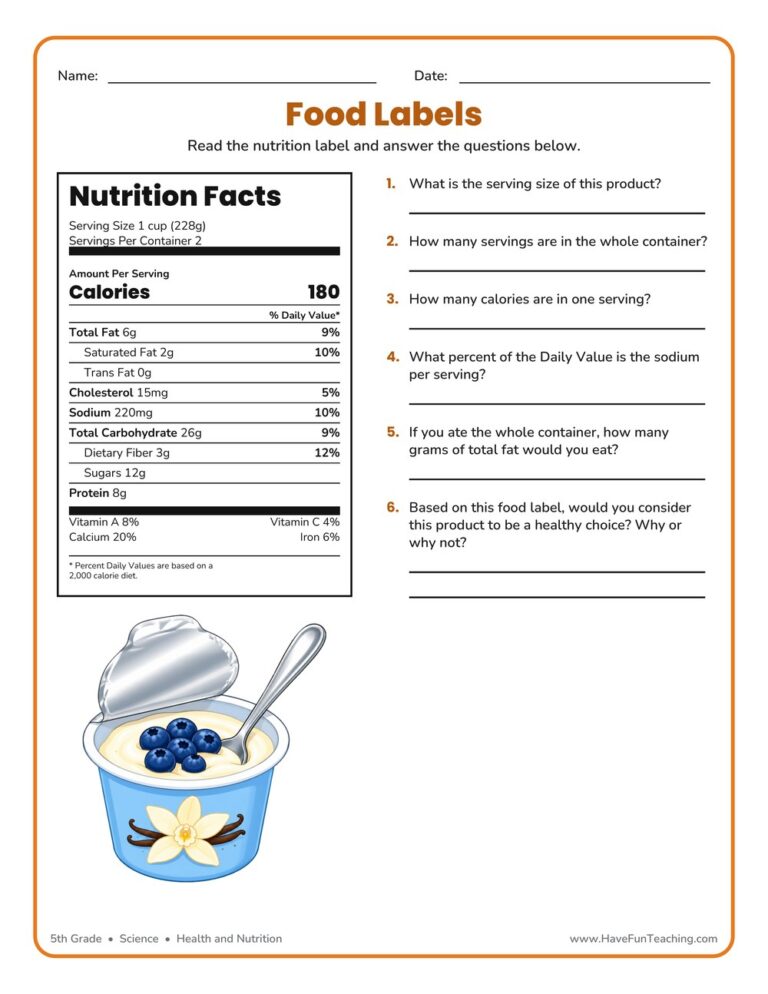
A 5th grade reading food labels worksheet where students study a real Nutrition Facts panel to find serving size, calories, and daily values. Includes a complete answer key for fast, no-prep nutrition practice.

Worksheet
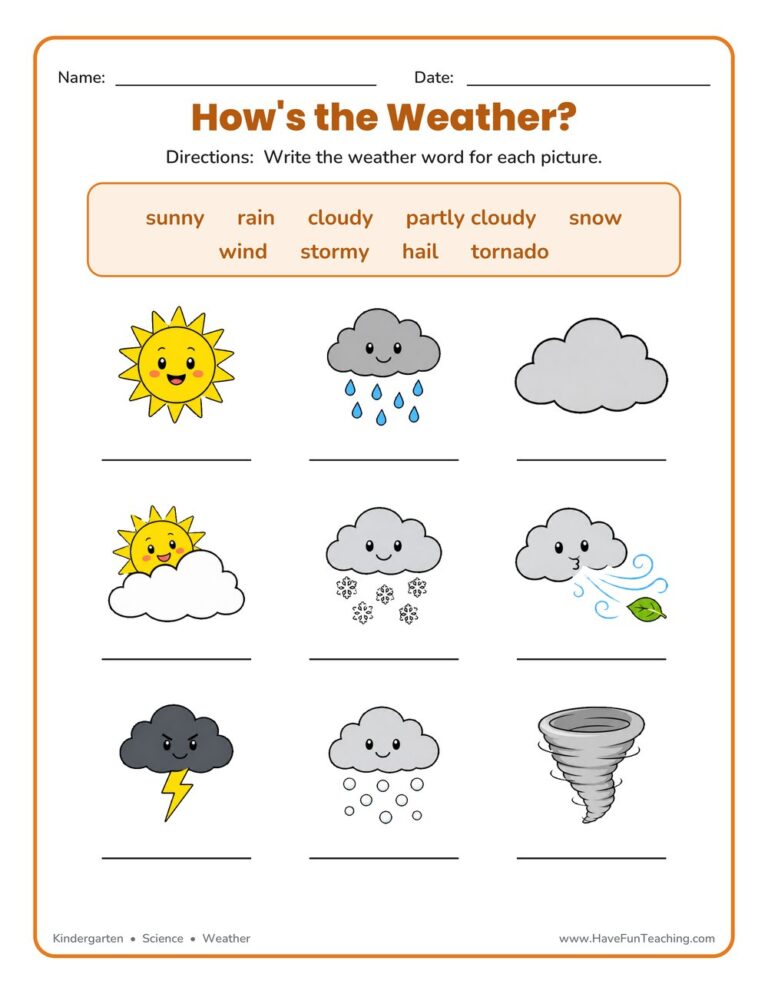
WorksheetKindergartenWeather Names Worksheet

This Weather Names Worksheet gives kindergarten kids nine weather pictures to label using a simple word bank. A complete answer key is included — an easy, no-prep way to build science vocabulary and early writing skills.

Worksheet
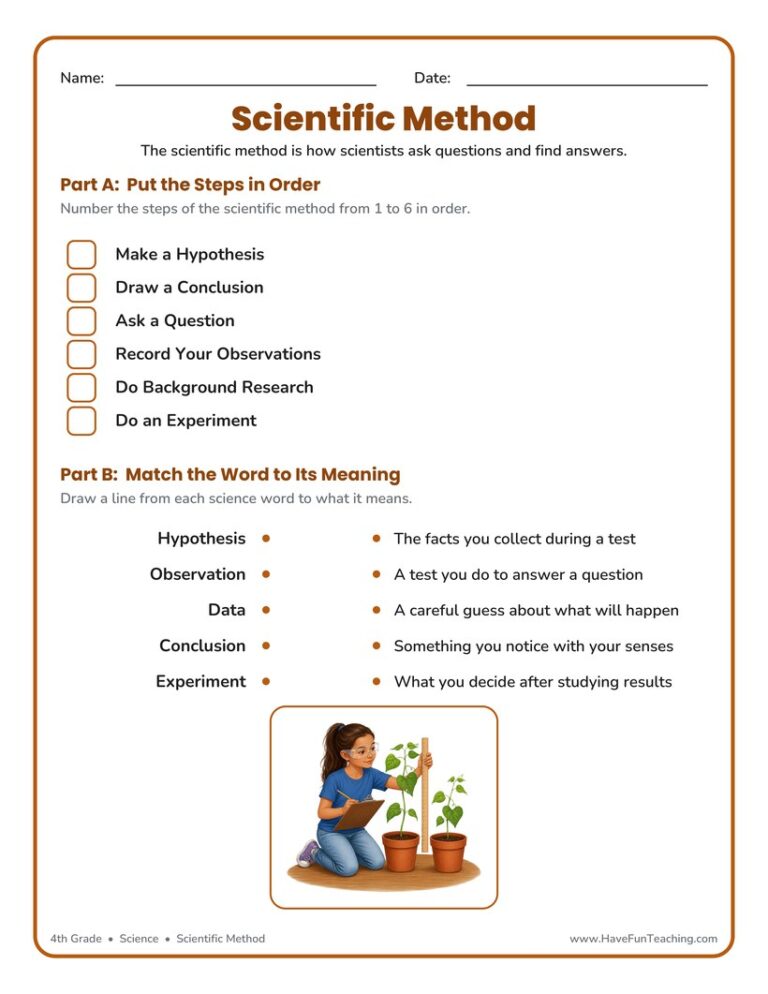
Worksheet4th GradeScientific Method Worksheet

This Scientific Method Worksheet helps 4th graders order the six steps of an investigation, match key science words, and analyze a real bean-plant experiment. Answer key included — a no-prep way to build real science-thinking skills.

Worksheet
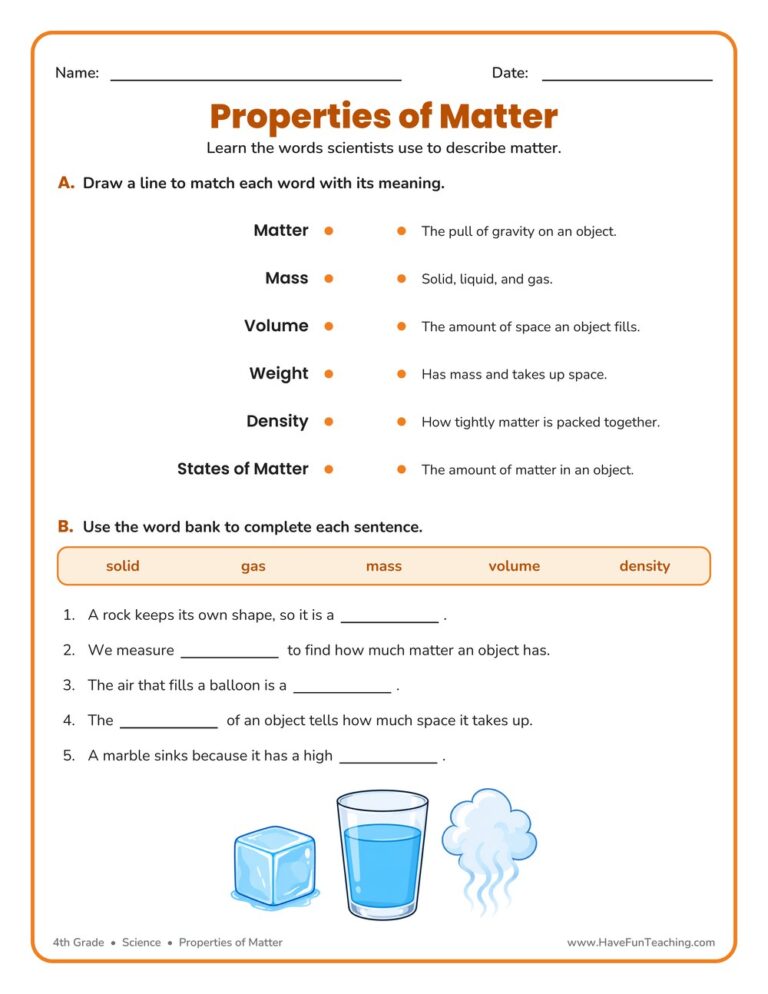
Worksheet4th GradeProperties of Matter Definitions Worksheet

This Properties of Matter Definitions Worksheet helps 4th grade students match key science terms—matter, mass, volume, weight, and density—to their meanings and complete sentences about solids and gases. Answer key included for fast, no-prep science practice.

Worksheet
WorksheetKindergartenGrouping into Categories Worksheet

This Grouping into Categories Worksheet asks kindergarten students to sort eight pictures into fruit, animals, plants, and shapes by writing each one's category number. Includes an answer key for fast, no-prep classification practice.

Worksheet
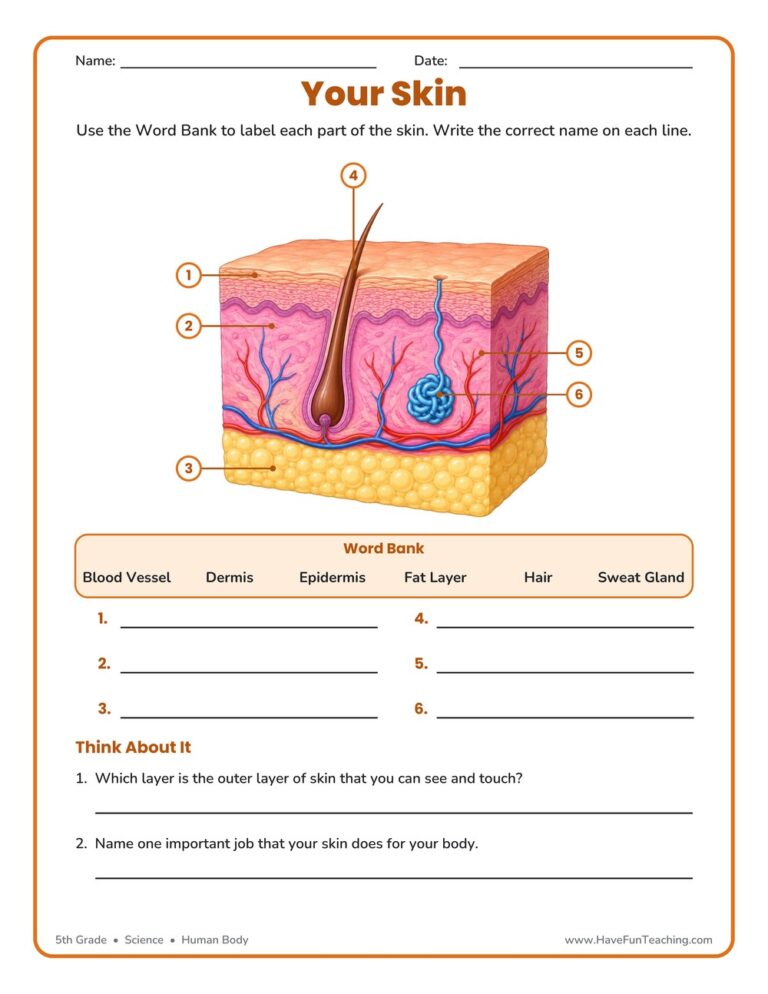
Worksheet5th GradeSkin Diagram Worksheet

This Skin Diagram Worksheet has 5th graders label the epidermis, dermis, fat layer, and more on a clear skin cross-section. Includes an answer key—perfect for a no-prep human body science lesson.

Worksheet
Worksheet4th GradeProperties of Matter Review Worksheet

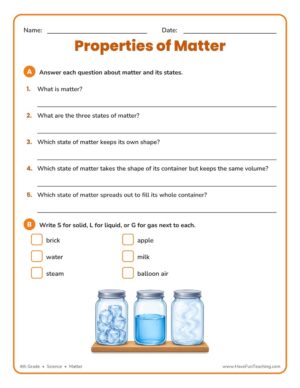
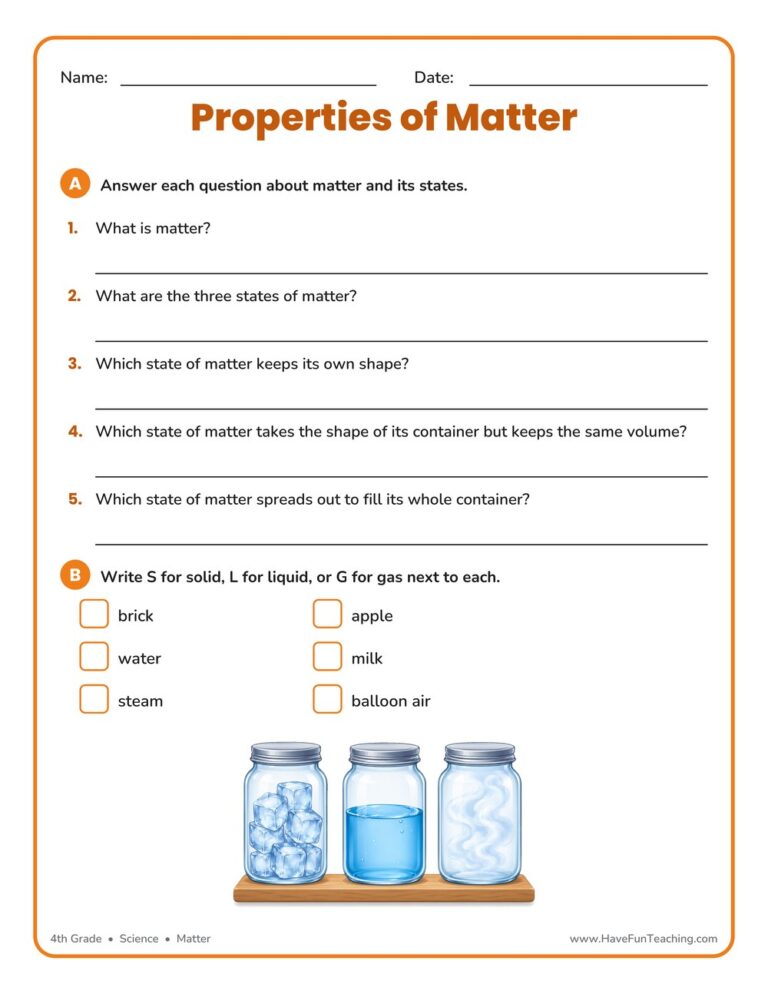
This 4th Grade Properties of Matter Review Worksheet has students answer key questions about matter and sort everyday objects as solid, liquid, or gas. Answer key included — an easy, no-prep way to review states of matter.

Video
VideoPreschoolSeasons Song (Animated Music Video)

While listening to the Seasons Song (Animated Music Video), students learn about the seasons of the year while listening to a catchy song. Here we go, oh, seasons of the year! Your kids will be singing this song about the seasons over and over. Bring joy into your classroom with…

Worksheet
WorksheetKindergartenPush or Pull Force Worksheet

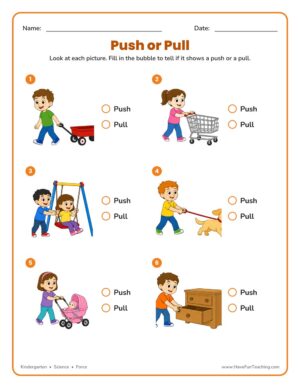
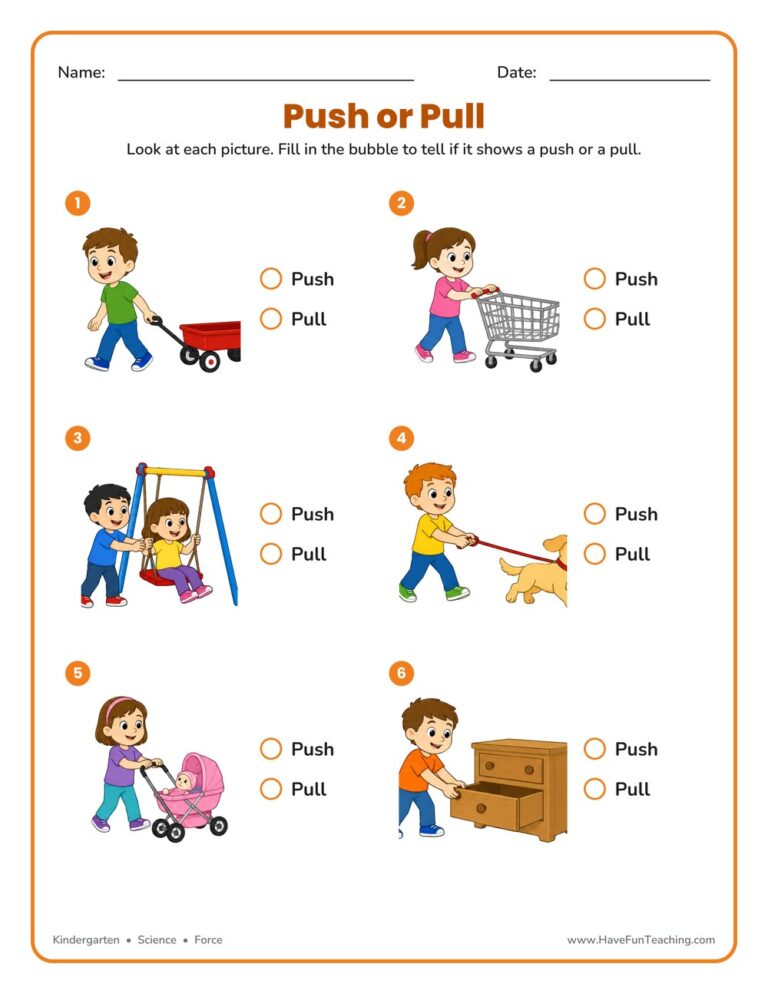
This push or pull force worksheet lets kindergarten students look at six pictures and fill in the bubble to show whether each action is a push or a pull. Includes an answer key—a simple, no-prep introduction to force.

Worksheet
WorksheetKindergartenSorting Objects Worksheet

This Sorting Objects Worksheet has kindergarten students sort twelve pictures into animals, plants, vehicles, and people, then count each group. Includes an answer key — a no-prep way to build classification and early counting skills.

Worksheet
Worksheet5th GradePhysical Changes Matter Worksheet

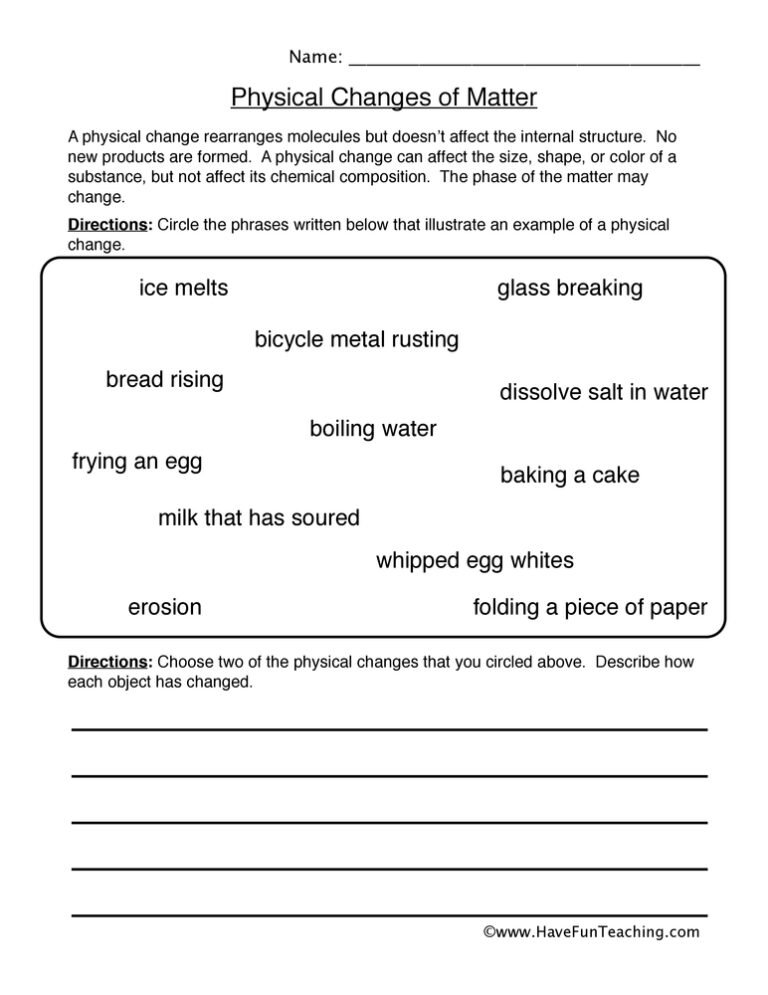
This physical changes matter worksheet asks 5th Grade students to sort eight everyday changes, label three states of matter, and explain their thinking, with an answer key included for fast grading.

Worksheet
Worksheet3rd GradeFlower Parts of a Plant Worksheet

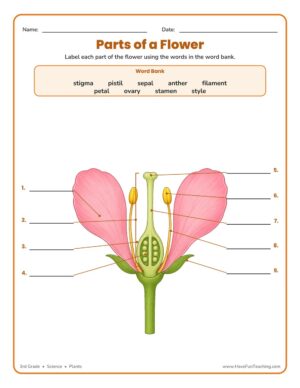
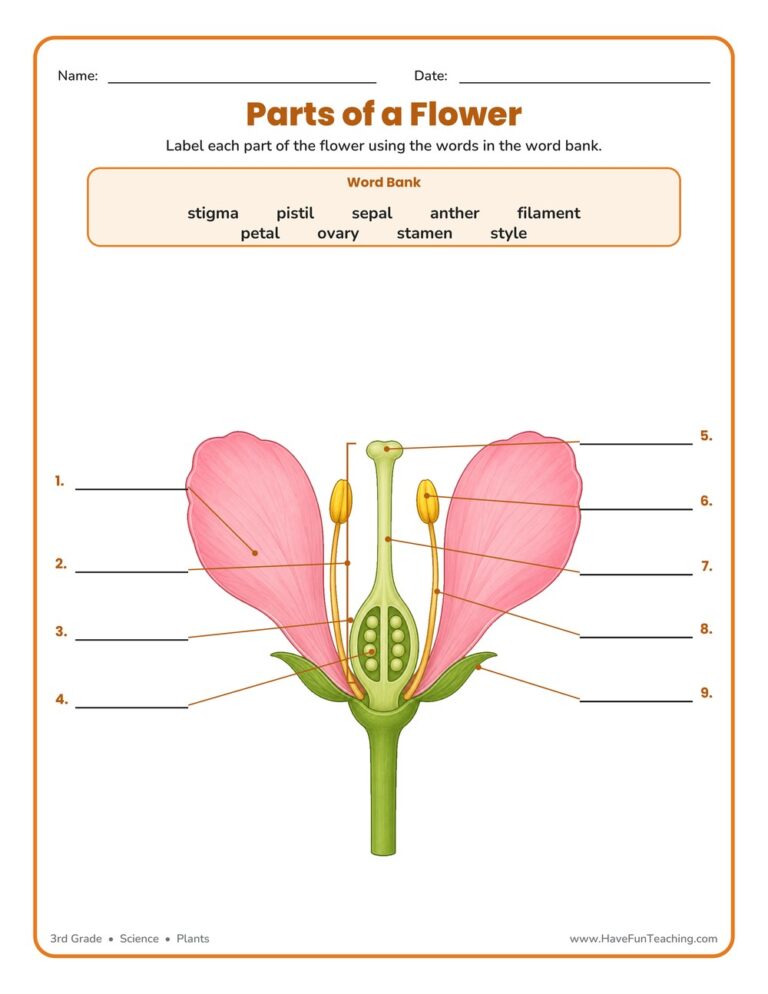
A third grade flower parts of a plant worksheet where students label the nine parts of a flower — petal, sepal, stamen, pistil, and more — using a word bank. Includes a complete answer key for quick, no-prep life science practice.

Worksheet
Worksheet3rd GradeFalling Gravity Worksheet

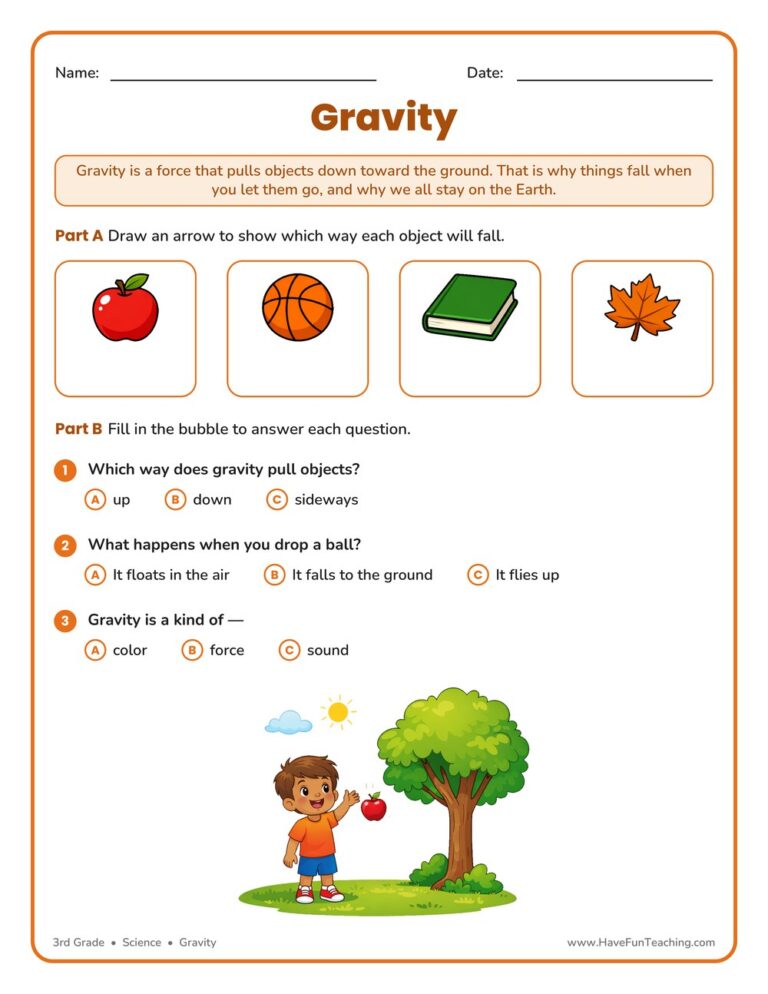
This falling gravity worksheet helps 3rd graders show which way objects fall and explain how gravity pulls things down. Answer key included — a quick, no-prep way to practice force and motion at home or in class.

Worksheet
Worksheet4th GradeLayers of the Earth Definition Worksheet

A layers of the Earth definition worksheet for 4th grade where students match each layer to its description and label a cross-section diagram. Answer key included for quick, no-prep earth science practice.

Worksheet
Worksheet4th GradeMuscular System Research Worksheet

This Muscular System Research Worksheet has 4th graders name the three muscle types, sort voluntary and involuntary actions, and explain their thinking. Answer key included, so checking work takes seconds.

Worksheet
Worksheet4th GradeStates of Matter Examples Worksheet

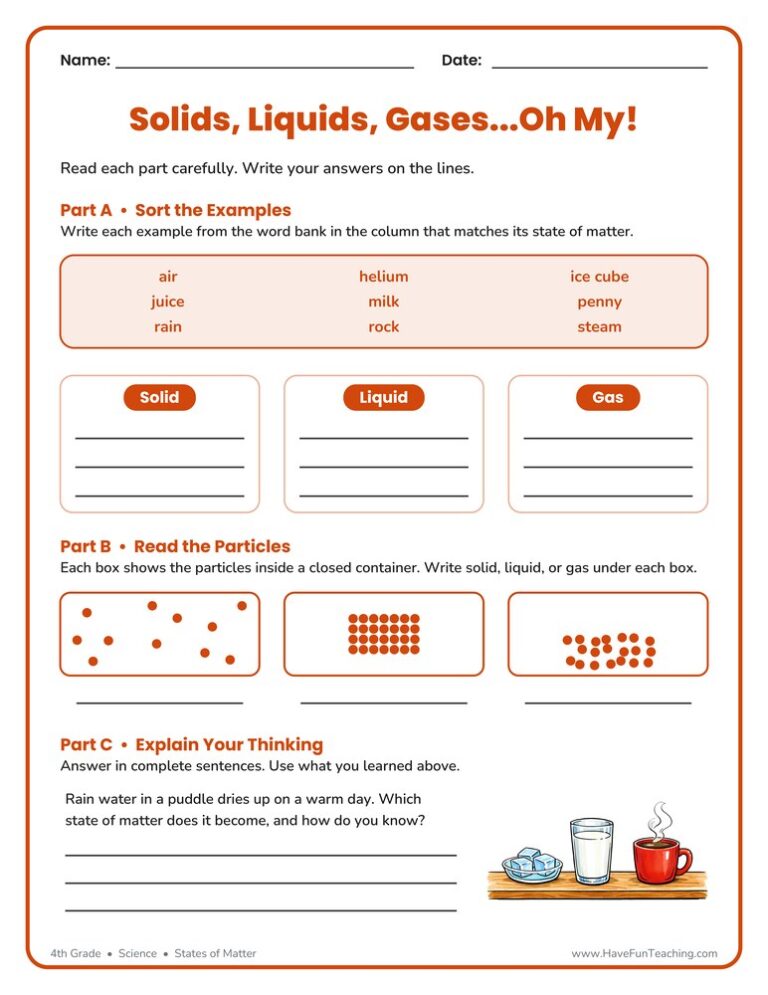
Sort nine everyday examples, label three particle diagrams, and explain a change of state with this states of matter examples worksheet for 4th grade. An answer key is included, so checking work takes seconds.

From our teachers' playbook

Wonder, test, discover, repeat

What do kids learn in elementary science?

Elementary science is about asking questions and finding answers. Kids explore life science, like plant parts, animals, body systems and cells. They study Earth science: weather, seasons and the layers of the Earth. In physical science they investigate matter, from solids, liquids and gases to physical changes, and forces like pushes, pulls and gravity. Along the way they learn the scientific method: question → hypothesis → test → conclusion. The click is when a child says "Let's test it!" instead of just guessing.

Our favorite ways to teach science

Science sticks when kids do it, see it and talk about it.

Walk through the method

Do one experiment as a class, like "Which ball bounces highest?" and fill in each step of the scientific method together on the board. Then kids plan their own mini experiment using the scientific method worksheet.

Why it works: handing over the work step by step, from teacher to student, is one of the most widely used teaching frameworks (Pearson and Gallagher, 1983).
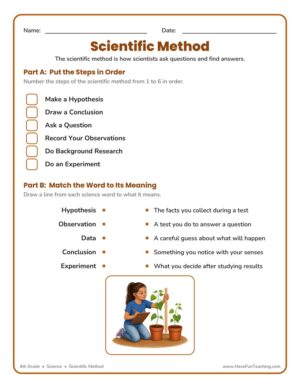
Scientific Method WorksheetTry it withScientific Method WorksheetWorksheetsOpen it →

Label to learn

Have kids color and label animal and plant cells, then compare them side by side. Ask "What does the plant cell have that the animal cell doesn't?" Drawing and labeling turns tricky vocabulary into a picture they remember.

Why it works: children learn more from words and pictures together than from words alone (Mayer, 2009).

Animal and Plant Cells WorksheetTry it withAnimal and Plant Cells WorksheetWorksheetsOpen it →

Review the vocab

After a matter unit, use the properties of matter review page as a quick check. Kids explain each term in their own words. Retrieval, not rereading, is what locks science words in.

Why it works: a big review of study methods ranked quick self-quizzing among the most powerful ways to remember (Dunlosky and colleagues, 2013).

Properties of Matter Review WorksheetTry it withProperties of Matter Review WorksheetWorksheetsOpen it →

Questions parents and teachers ask about science

What science topics are taught in elementary school?

Life science (plants, animals, the human body), Earth science (weather, seasons, rocks and the Earth's layers) and physical science (matter, forces and energy). Kids also learn the scientific method.

How can I teach science at home?

Cook, garden, watch the weather and ask "What do you think will happen?" Simple kitchen experiments like melting ice or mixing baking soda and vinegar are great starters.

What is the scientific method for kids?

It is a step-by-step way to answer a question: ask a question, make a guess called a hypothesis, test it, observe what happens, and draw a conclusion.

How do I make science fun?

Let kids get hands-on. Experiments, nature walks, drawing what they observe and songs about science ideas all make it memorable.