
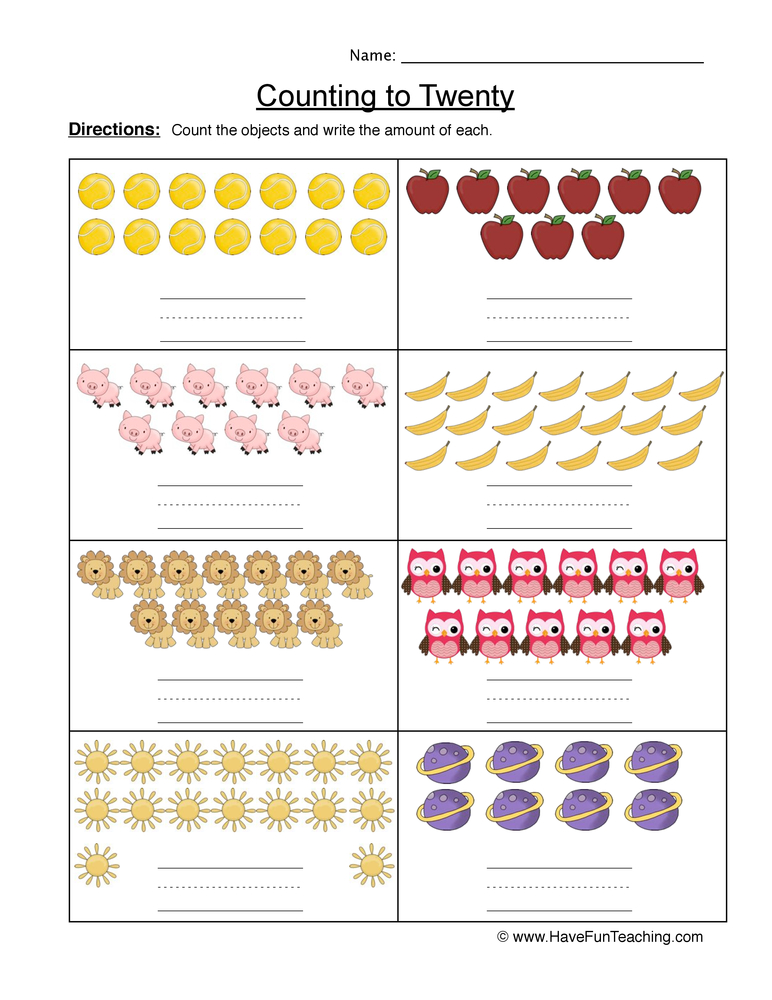
Count to 20 Objects Worksheet
The Count to 20 Objects Worksheet lets kindergarten students count sets of fun pictures up to twenty and write how many. Includes a complete answer key for a colorful, no-prep way to build counting confidence.
$6.97
Or free with a membership — get this and 10,000+ resources. See plans
Want this one free?
Tell us where to send it and it’s yours — no card, no catch.
One free resource per teacher. We’ll also send free teaching ideas each week — unsubscribe anytime.
Teaching is easier with a membership
Unlimited printables, games & videos for PreK–6th — for your classroom or homeschool. Cancel anytime.
Start your 3-day free trialNo commitment · Cancel anytime · Instant access to 10,000+ resources
About this resource
Description
Learning to count a group of objects and say exactly how many there are is one of the first big milestones in early math. The Count to 20 Objects Worksheet gives young learners hands-on practice counting sets of familiar pictures — apples, stars, butterflies, fish, flowers, and beach balls — and writing the total for each set. By counting objects one at a time all the way up to twenty, children build one-to-one correspondence, number recognition, and the confidence that every group has an exact amount.
This kindergarten counting worksheet presents six friendly picture boxes, each holding a different number of objects between eight and twenty. Students count the objects in a box, then write the number they counted in the answer space beside the matching problem number. Simply print the page and hand it out — no prep required. Encourage children to touch or point to each picture as they count so no object is skipped or counted twice, and use the included answer key to check every box in seconds.
What’s Included
- 1 print-ready PDF worksheet
- Answer key
- 6 picture-counting activities (sets of 8 to 20 objects)
This count to 20 objects worksheet helps children learn in three important ways. First, the colorful, clearly spaced pictures make one-to-one counting easy to follow, so kids stay accurate all the way to twenty. Second, writing the total after each set links the physical act of counting to its written number, strengthening number formation and recognition. Third, the variety of cheerful objects keeps practice fun and repeatable, giving learners the repetition they need to make counting automatic.
Teachers and parents can extend the skill in playful ways. Set out small toys, snacks, or buttons and have children count real objects into groups of a chosen number. Play “count and clap” by clapping once for each object as you count aloud together. Ask learners to draw their own set of a given number, then trade papers with a friend to count. Around the house, count stairs, spoons, or crayons to show that counting works everywhere.
Related Resources
What teachers say
Reviews
You must be logged in to post a review.
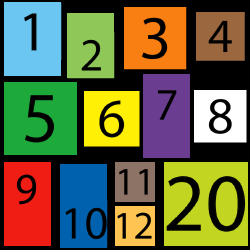
Using the Counting Songs (Classic Video Collection), students practice skip counting by all of the numbers by singing and counting along to these thirteen videos.

Using the Counting By Fives Song (Original Music Video), students practice skip counting by 5s by singing and counting along to this fun and engaging video!
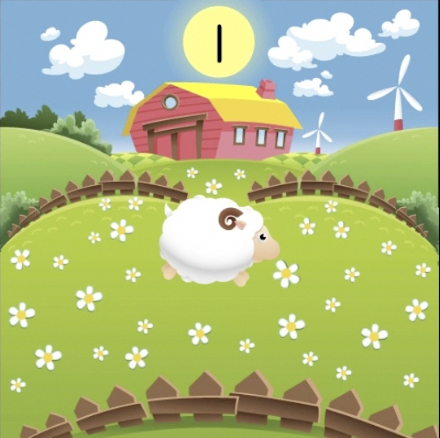
Using the Counting By Ones Song (Original Music Video), students practice counting by 1s by singing and counting along to this fun and engaging video!
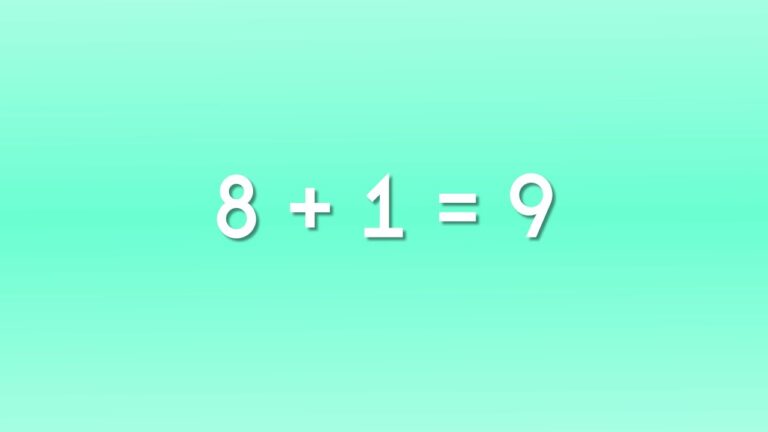
Using the Adding 8 Song (Lyric Mjusic Video), students sing and practice adding 8 with all addition facts 1-15. Your kids will learn how to add 8.

This Counting to 100 Assessment Worksheet asks kindergarten students to fill in the missing numbers on a hundreds chart, all the way to 100. Includes an answer key for quick, no-prep number check-ins.

Using the Counting By Ones Song, students practice counting by ones to fifty by singing and counting along to this fun and engaging video!
Using theCount to 100 Song (MP3), students practice counting to 100 by singing and counting along to this fun and engaging song!
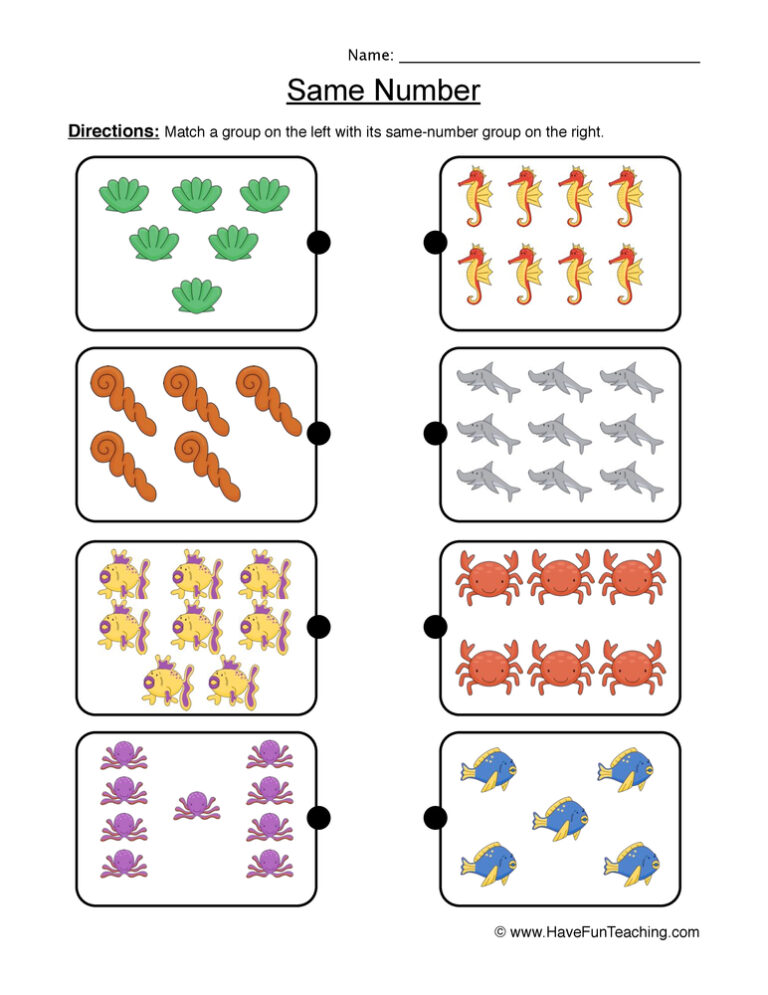
This same number picture representations worksheet has Kindergarten students count ten picture groups and match the pairs that hold the same amount. Answer key included, so counting practice is ready to print and check in seconds.
Using the Counting Songs (MP3 Album), students practice skip counting by all of the numbers by singing and counting along to these thirteen songs.

Use the Adding Songs (Lyric Video Collection) to practice adding and addition facts by singing and adding these 15 addition songs. Great for addition facts!
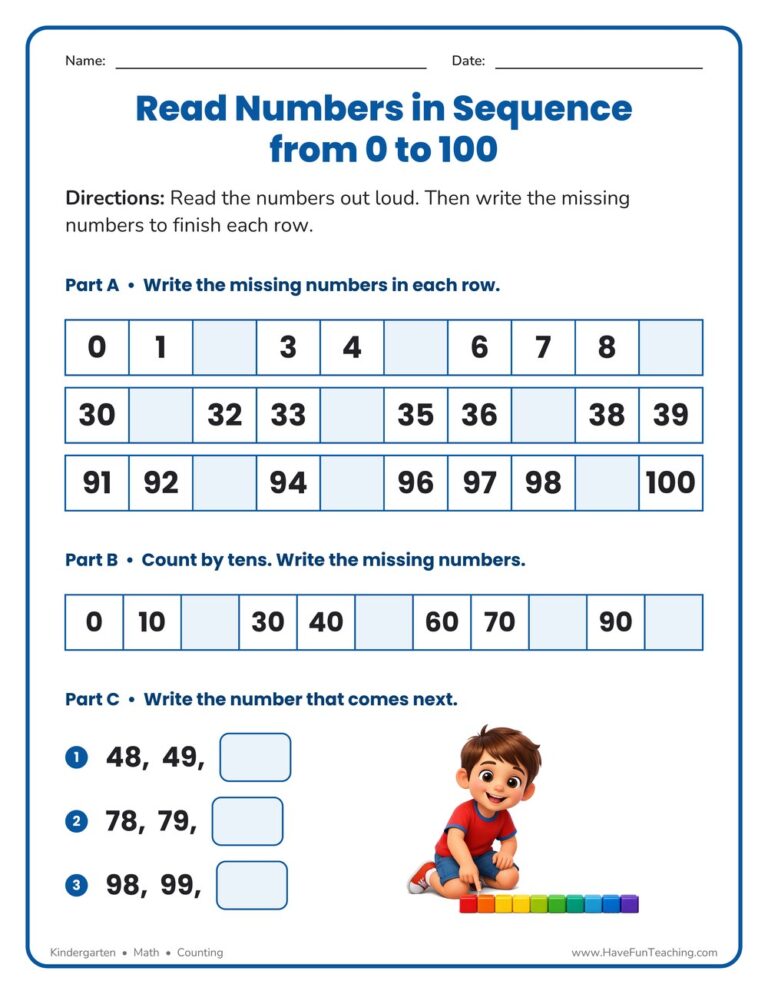
This Read Numbers in Sequence from 0 to 100 Worksheet asks kindergarten students to fill in missing numbers, count by tens, and write what comes next. Answer key included for a quick, no-prep counting check.
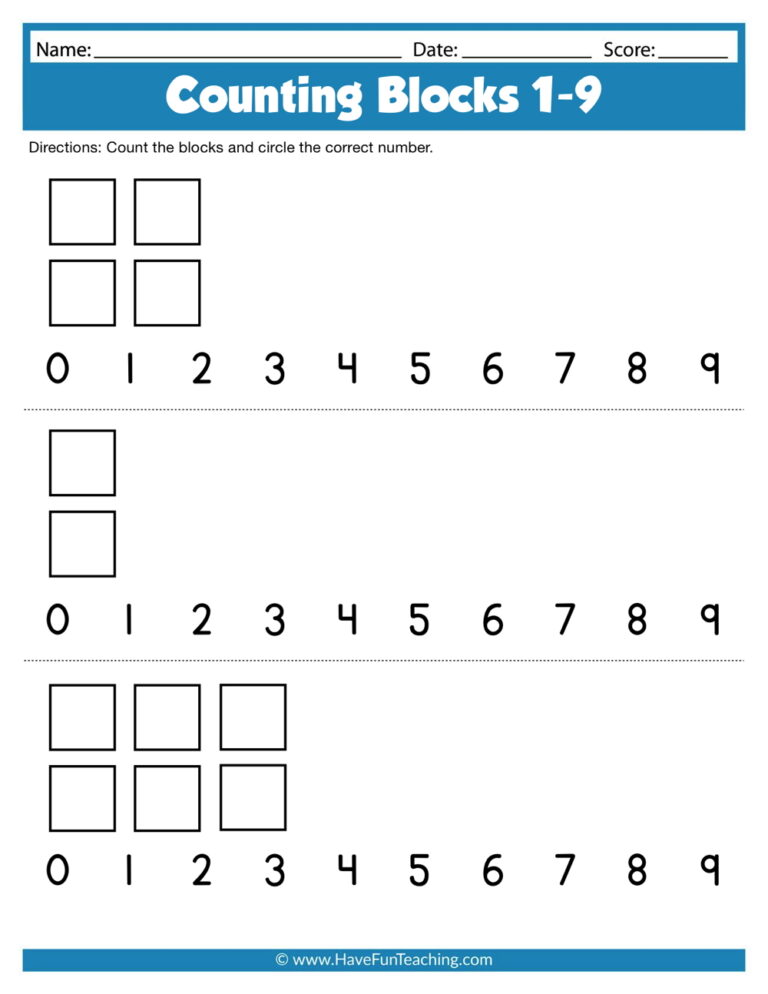
Counting Blocks 1-9 Worksheets ask Kindergarten students to count blocks, write the number, and draw sets of their own. An answer key is included, so counting practice takes no prep at all.
Reviews
There are no reviews yet