

Self-Control Character Reading Comprehension Worksheet
A self-control character reading comprehension worksheet where 2nd graders read a short classroom story and answer seven questions about it. Answer key included, so it is ready for no-prep character education practice.
$6.97
Or free with a membership — members pay $3.33/mo for all 10,000+ resources. See plans
Want this one free?
Tell us where to send it and it’s yours — no card, no catch.
One free resource per teacher. We’ll also send free teaching ideas each week — unsubscribe anytime.
Teaching is easier with a membership
Unlimited printables, games & videos for PreK–6th — for your classroom or homeschool. Cancel anytime.
Start your 3-day free trial$0 today · cancel anytime · Instant access to 10,000+ resources
About this resource
Description
Self-control is the character skill of stopping to think before you act, and it is one of the hardest habits for young children to build. This Self-Control Character Reading Comprehension Worksheet gives 2nd graders a short, friendly story that shows two classmates practicing that pause in a moment they will recognize: a plate of cookies at snack time and a block tower that falls over. Because the lesson arrives inside a story instead of a rule, students get to watch self-control work before they are asked to name it.
The worksheet opens with an illustrated 157-word passage written on a 2nd grade reading level. Students read the story, then turn the page for seven questions: four multiple-choice items covering main idea, vocabulary in context, cause and effect, and story detail; one fill-in-the-blank; and two short written responses with room to write. Use this 2nd grade character education worksheet as a morning-meeting read-aloud, a guided-reading passage, a literacy-center task, or a quick assessment. The complete answer key is the last page, so it is easy to grade or to let students check their own work.
What’s Included
- 1 print-ready PDF worksheet
- Answer key
- 1 illustrated reading passage and 7 comprehension questions
This Self-Control Character Reading Comprehension Worksheet helps children in three ways. First, it teaches the character trait through a concrete example, so students can point to exactly what Enzo and Brooklyn did instead of guessing at an abstract definition. Second, it builds real comprehension skills, because every question sends readers back into the text for evidence rather than rewarding a lucky guess. Third, the two short-response items ask students to explain their thinking in writing, which is the same kind of text-based answer state reading assessments expect.
Teachers and parents can stretch the lesson well past the page. Try a class chart titled “What self-control looks like” and add student examples all week. Practice the story’s own strategies out loud, taking one slow breath or counting to ten before answering, so the tools become automatic. Role-play tricky moments such as waiting a turn, sharing a snack, or starting over on a project that collapsed. Ask children to draw a time they used self-control at home and write one sentence underneath. Pairing the story with a character song makes the vocabulary stick even faster.
Related Resources
What teachers say
Reviews
You must be logged in to post a review.
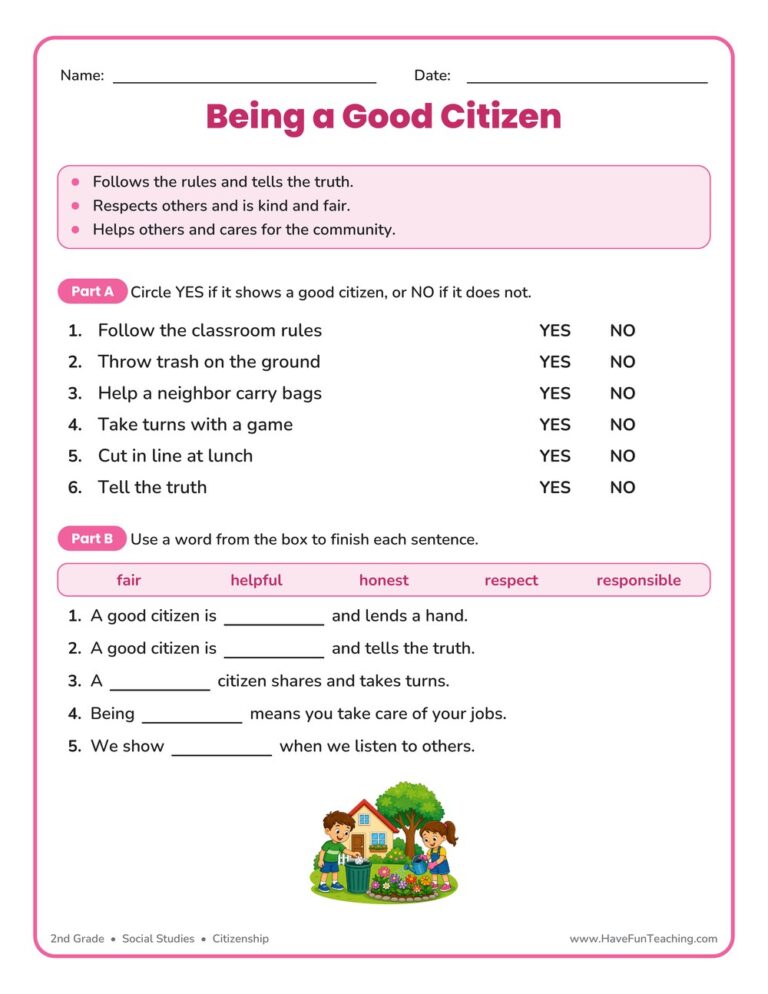
This being a good citizen worksheet helps 2nd graders spot good-citizen actions and build character words like honest, fair, and responsible. Includes an answer key for easy, no-prep social studies practice.
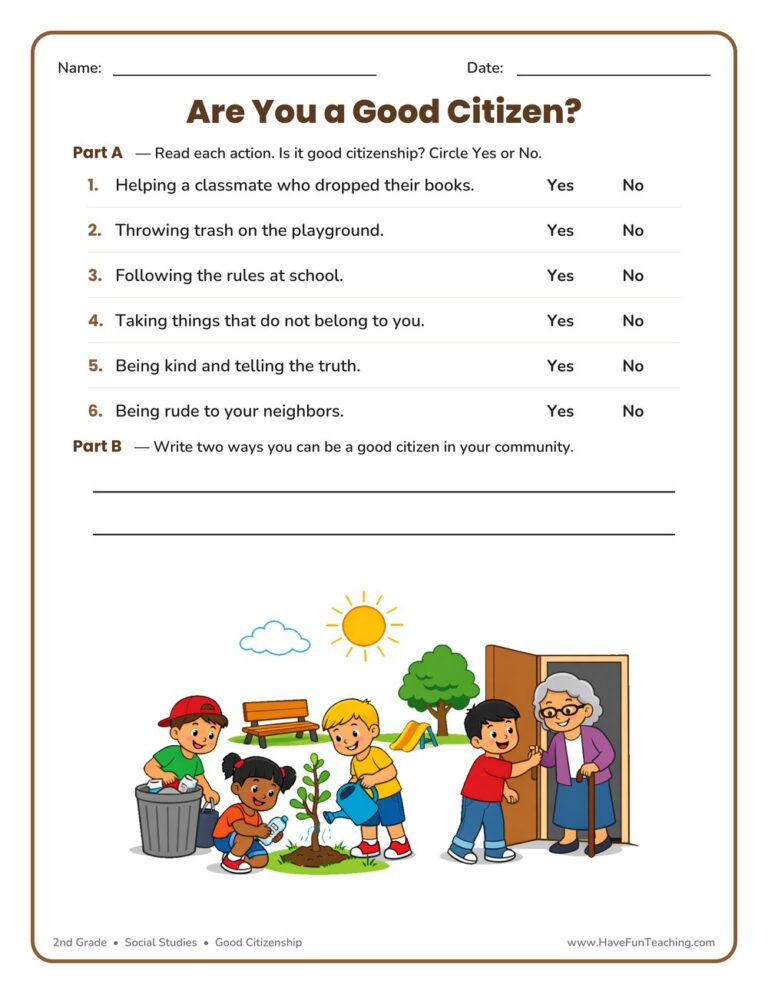
This good citizenship worksheet helps 2nd graders recognize responsible actions and write ways to help their community. An answer key is included for quick, no-prep character education practice.
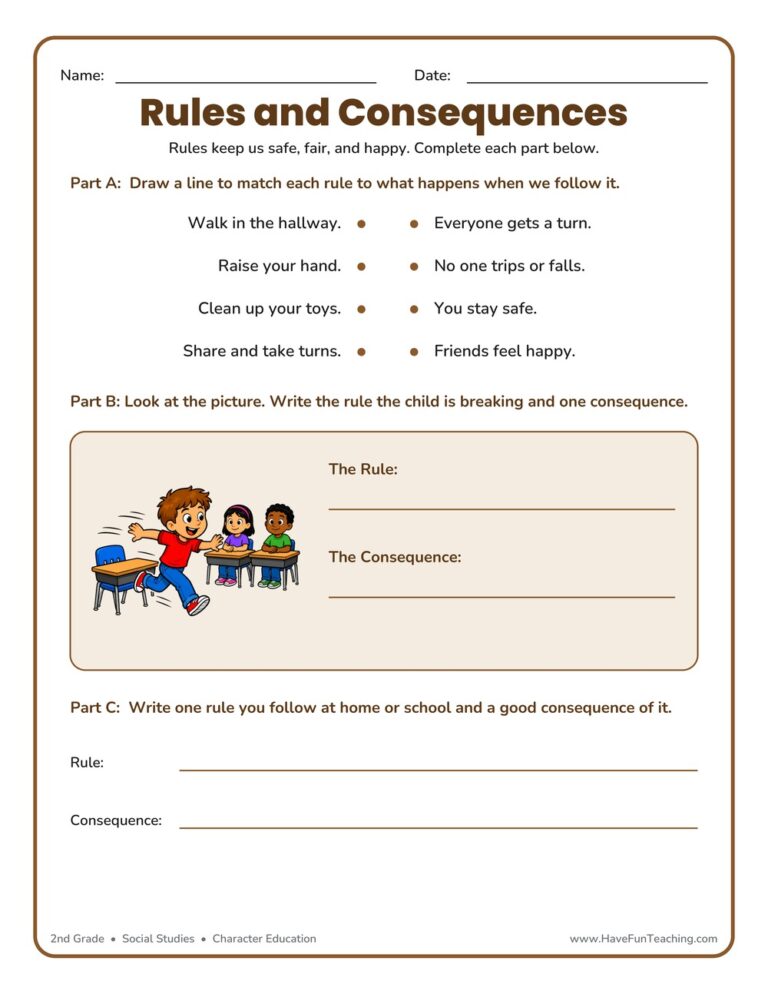
This rules consequences worksheet helps 2nd graders match rules to their results, read a picture to name a rule and consequence, and reflect on a rule of their own. Includes an answer key for quick, no-prep character education practice at home or school.
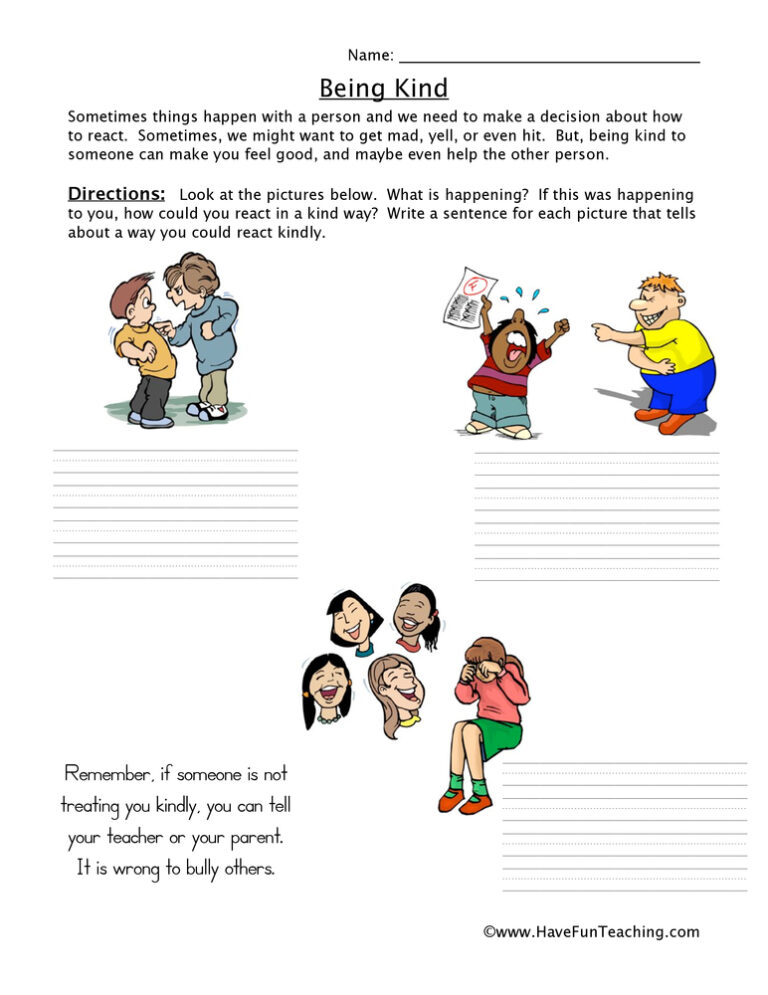
Using this Bullying Worksheet, students write a description explaining how the person could have reacted in a kind way rather than a mean way.
UsingGood Morning Song (MP3), students will have a great day at school after listening to this song in their morning circles.
The Community Song teaches kids how to be a good citizen in the community. This is a fun citizenship song that teaches kids about being a citizen and being part of their community.

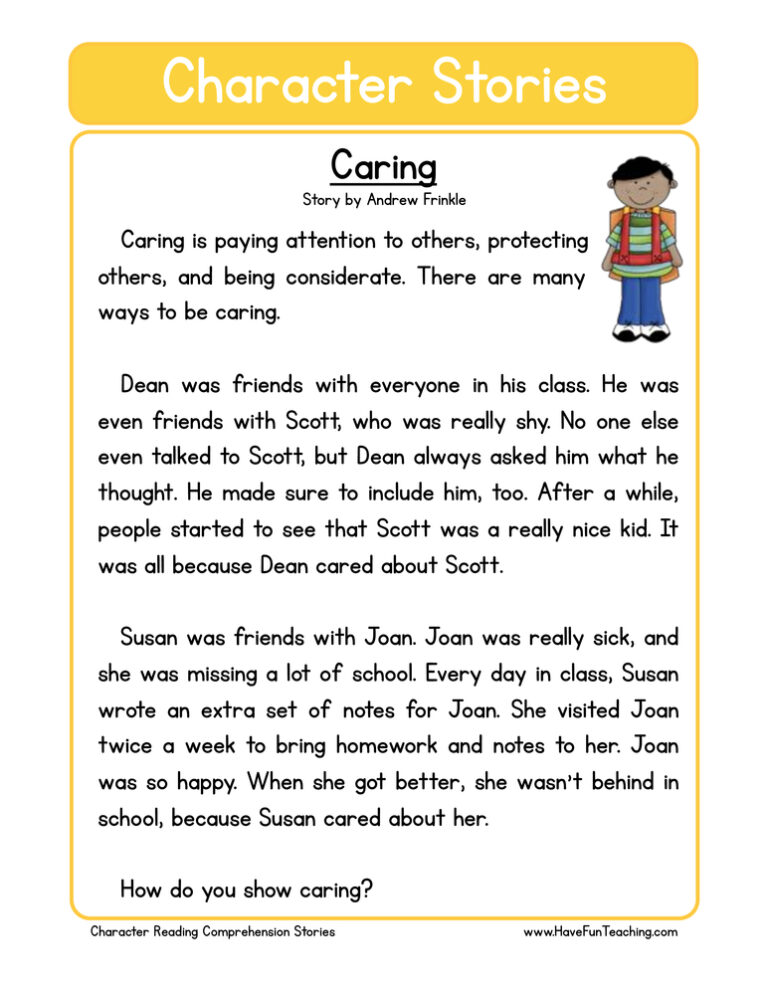
A Caring Character Reading Comprehension Worksheet built around a short lunchroom story about welcoming a new classmate. Written for 2nd grade, with an answer key included, so kindness and comprehension practice takes no prep at all.
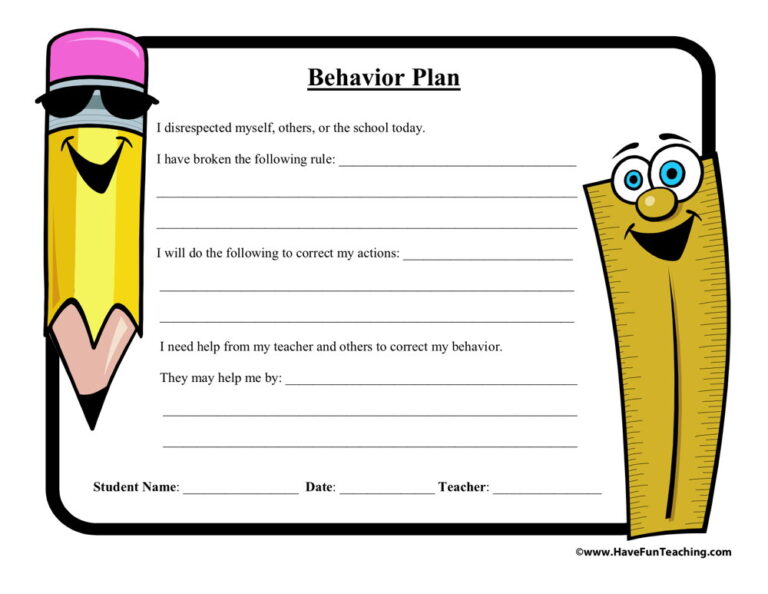
Using these Student Behavior Plan Worksheet, students fill out this form when they have broken a classroom rule or procedure.
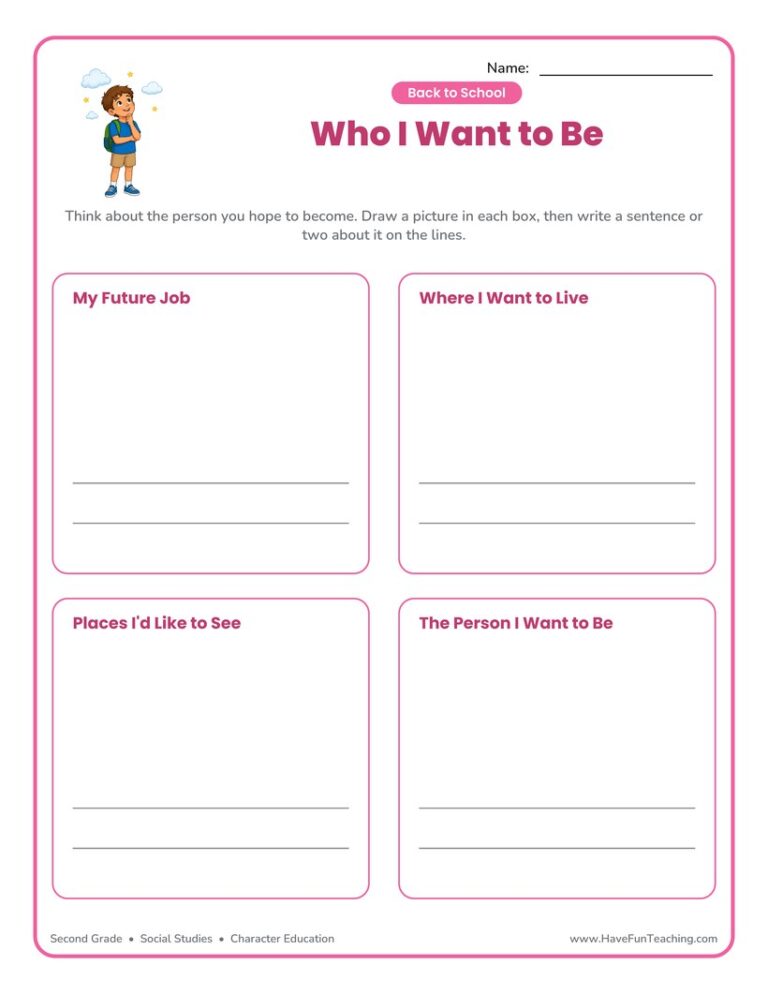
This Who I Want to Be worksheet lets second graders draw and write about their future job, home, dream destinations, and character. A warm back-to-school reflection that helps students set goals and share who they hope to become.

Using the Caring Song, students learn how to care for others at home. This song will help build confidence and your kids will want to show kindness to others. Our students need a lot of practice and examples of how to treat each other kindly. This song will help your…
Reviews
There are no reviews yet