

Trust Character Reading Comprehension Worksheet
This Trust Character Reading Comprehension Worksheet gives 2nd graders a friendly story about keeping a promise, plus four questions and a write-about-it prompt. Answer key included, so reading practice and character talk take no prep.
$6.97
Or free with a membership — members pay $3.33/mo for all 10,000+ resources. See plans
Want this one free?
Tell us where to send it and it’s yours — no card, no catch.
One free resource per teacher. We’ll also send free teaching ideas each week — unsubscribe anytime.
Teaching is easier with a membership
Unlimited printables, games & videos for PreK–6th — for your classroom or homeschool. Cancel anytime.
Start your 3-day free trial$0 today · cancel anytime · Instant access to 10,000+ resources
About this resource
Description
Trust is one of the most important character traits a young reader can learn to name, explain, and practice. This Trust Character Reading Comprehension Worksheet gives second graders a short, warm story about two neighbors who keep a promise, and then asks them to show what they understood. Students meet the word trust inside a sentence that defines it, so the meaning is built from the text itself rather than memorized from a list.
Print the worksheet and read the one-page story together, or let students read it on their own. Page two carries the Name and Date line, four multiple-choice questions, and a written response that asks children to retell each step in order. Used as a 2nd grade character education worksheet, it works well for morning work, a guided reading group, a literacy center, or homework, and the included answer key makes grading quick.
What’s Included
- 1 print-ready PDF worksheet
- Answer key
- 1 original Trust story passage, 4 multiple-choice questions, and 1 written response activity
Three things make this Trust Character Reading Comprehension Worksheet effective. First, the questions climb from vocabulary in context to literal recall, and then to sequence and cause, so children practice several comprehension skills on one familiar text. Second, the story models trustworthy behavior instead of lecturing about it, which is how young readers actually absorb a character lesson. Third, the written response asks for evidence from the passage, building the habit of pointing back to the text that every reading assessment expects.
Keep the conversation going after the page is finished. Ask children to name a time someone trusted them with a job at home or at school, and chart the answers together. Have partners act out a promise being kept, or start a class Trust Jar where students drop in a note whenever they see a classmate follow through. A quick daily check-in about promises made and promises kept turns one worksheet into a lasting classroom habit.
Related Resources
What teachers say
Reviews
You must be logged in to post a review.
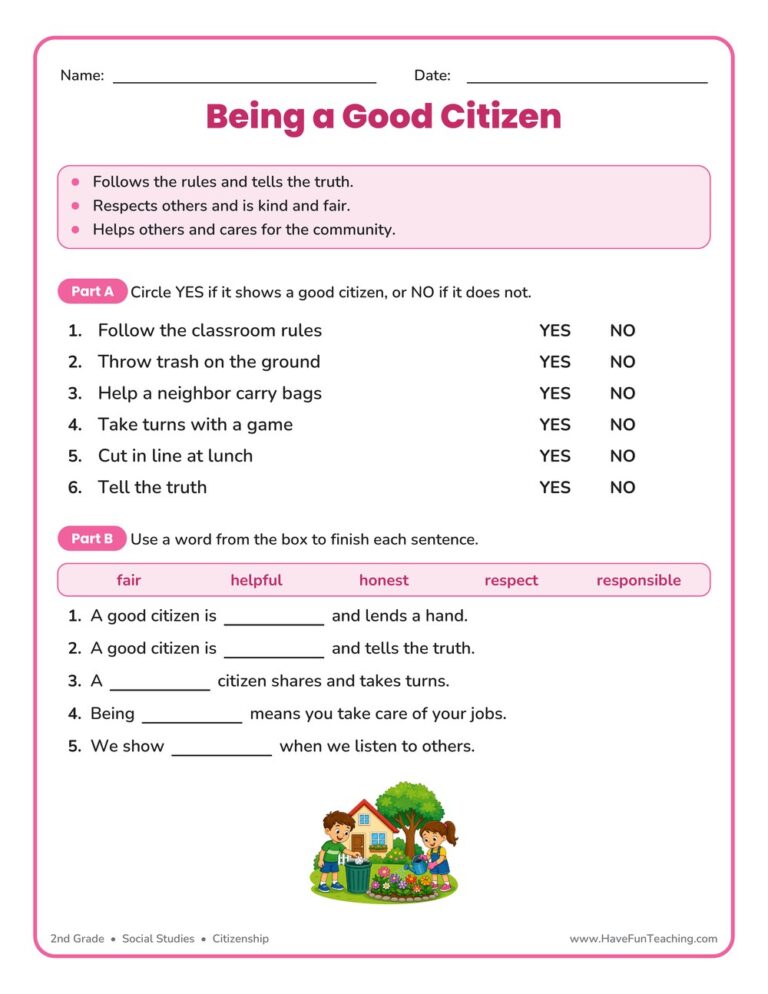
This being a good citizen worksheet helps 2nd graders spot good-citizen actions and build character words like honest, fair, and responsible. Includes an answer key for easy, no-prep social studies practice.
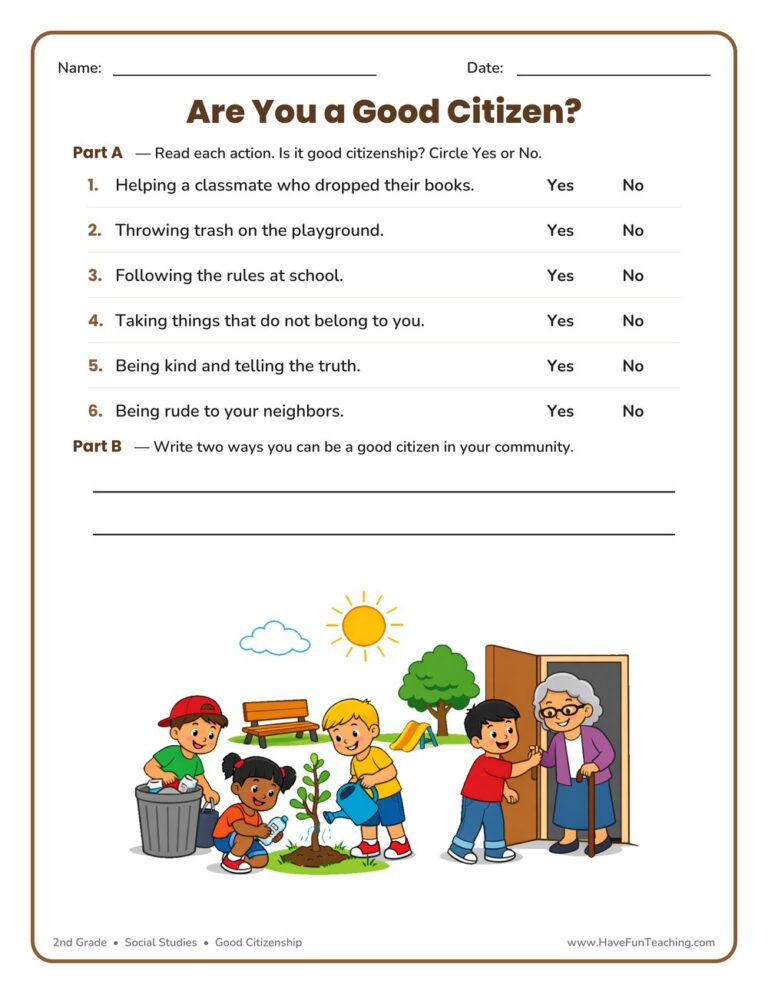
This good citizenship worksheet helps 2nd graders recognize responsible actions and write ways to help their community. An answer key is included for quick, no-prep character education practice.
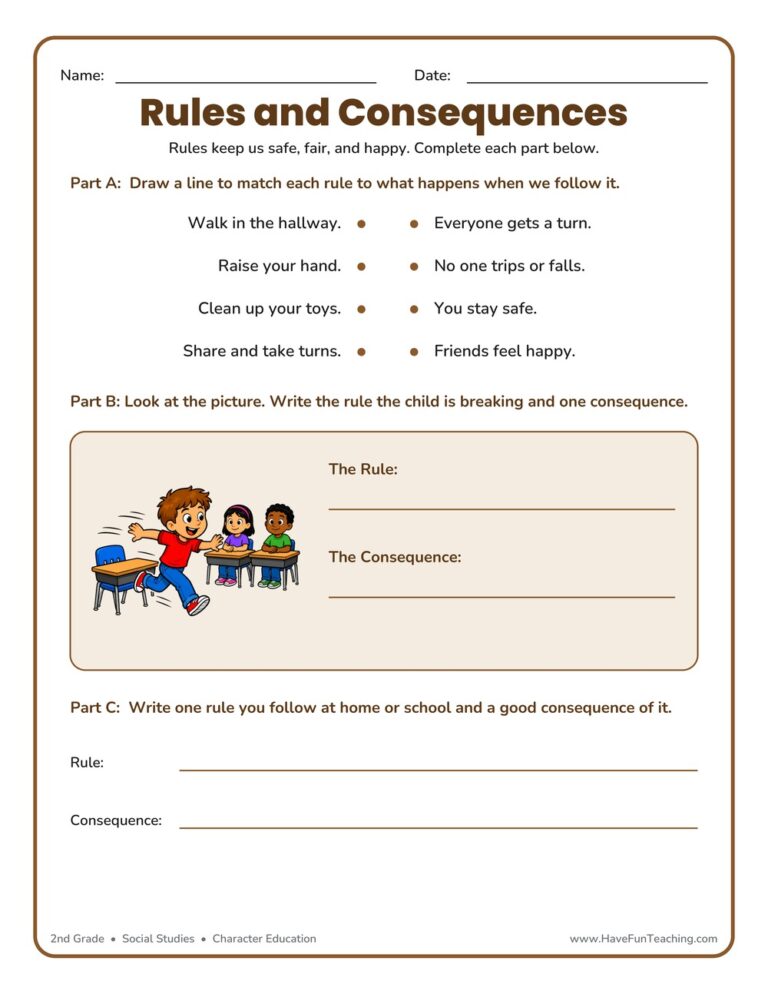
This rules consequences worksheet helps 2nd graders match rules to their results, read a picture to name a rule and consequence, and reflect on a rule of their own. Includes an answer key for quick, no-prep character education practice at home or school.
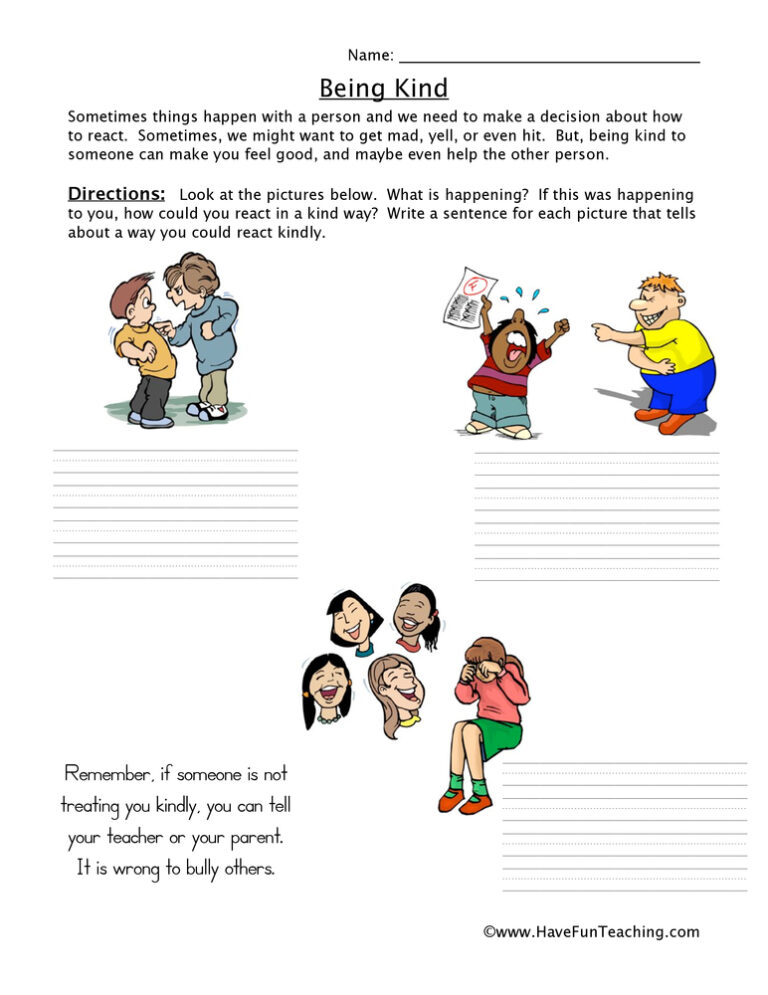
Using this Bullying Worksheet, students write a description explaining how the person could have reacted in a kind way rather than a mean way.
UsingGood Morning Song (MP3), students will have a great day at school after listening to this song in their morning circles.
The Community Song teaches kids how to be a good citizen in the community. This is a fun citizenship song that teaches kids about being a citizen and being part of their community.

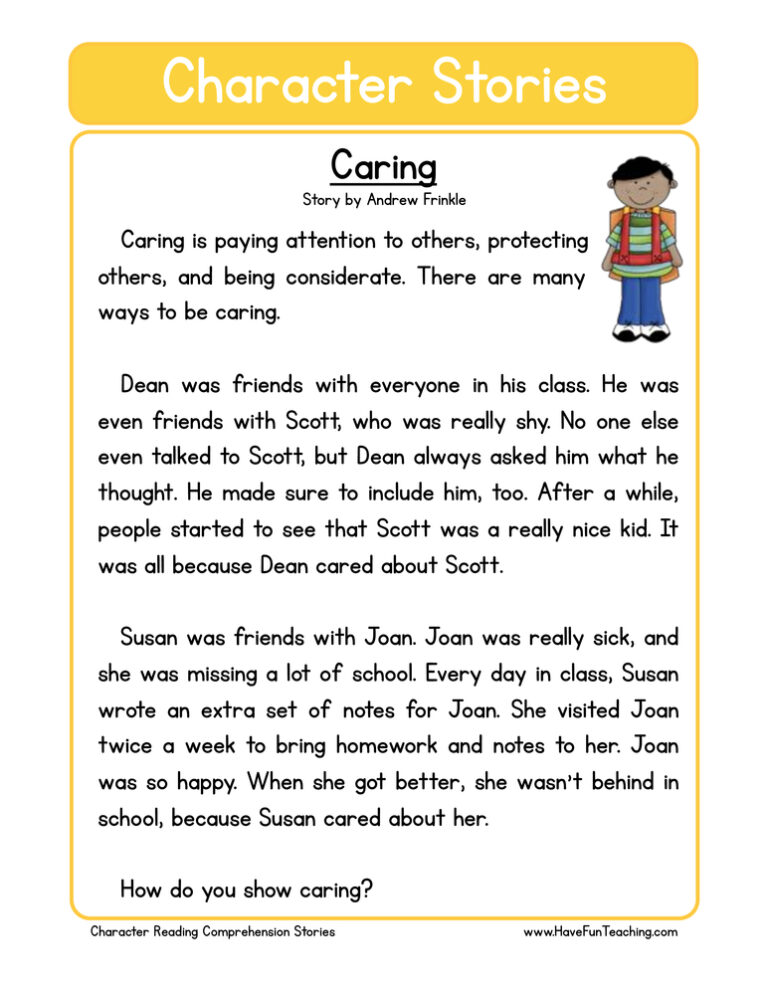
A Caring Character Reading Comprehension Worksheet built around a short lunchroom story about welcoming a new classmate. Written for 2nd grade, with an answer key included, so kindness and comprehension practice takes no prep at all.
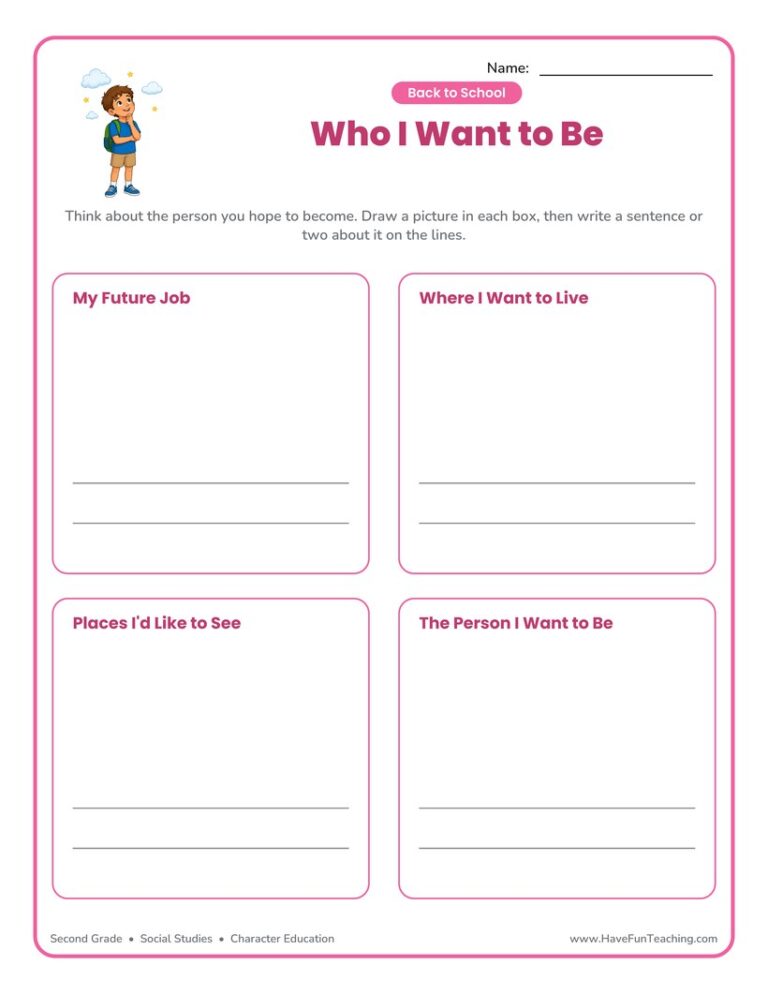
This Who I Want to Be worksheet lets second graders draw and write about their future job, home, dream destinations, and character. A warm back-to-school reflection that helps students set goals and share who they hope to become.
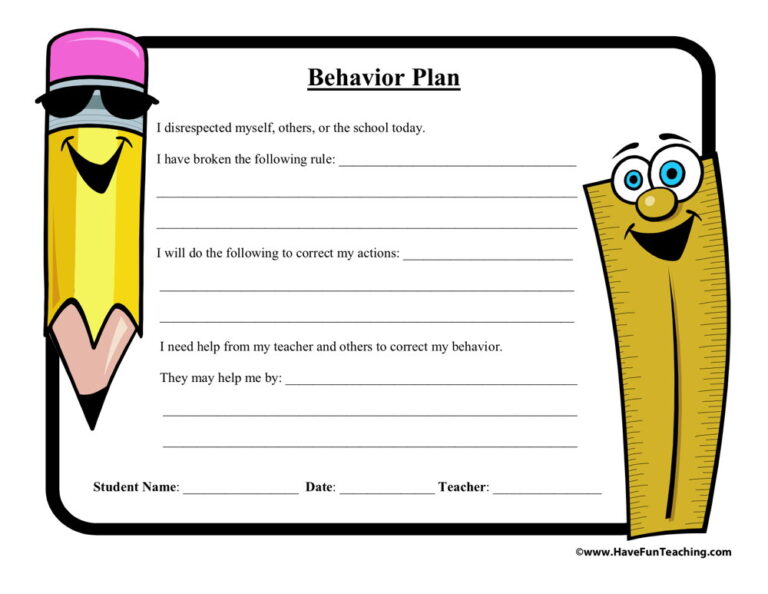
Using these Student Behavior Plan Worksheet, students fill out this form when they have broken a classroom rule or procedure.

Using the Respect Song (Classroom Mix Version), students learn how to treat each other with respect at home and at school while listening to a song.
Reviews
There are no reviews yet