
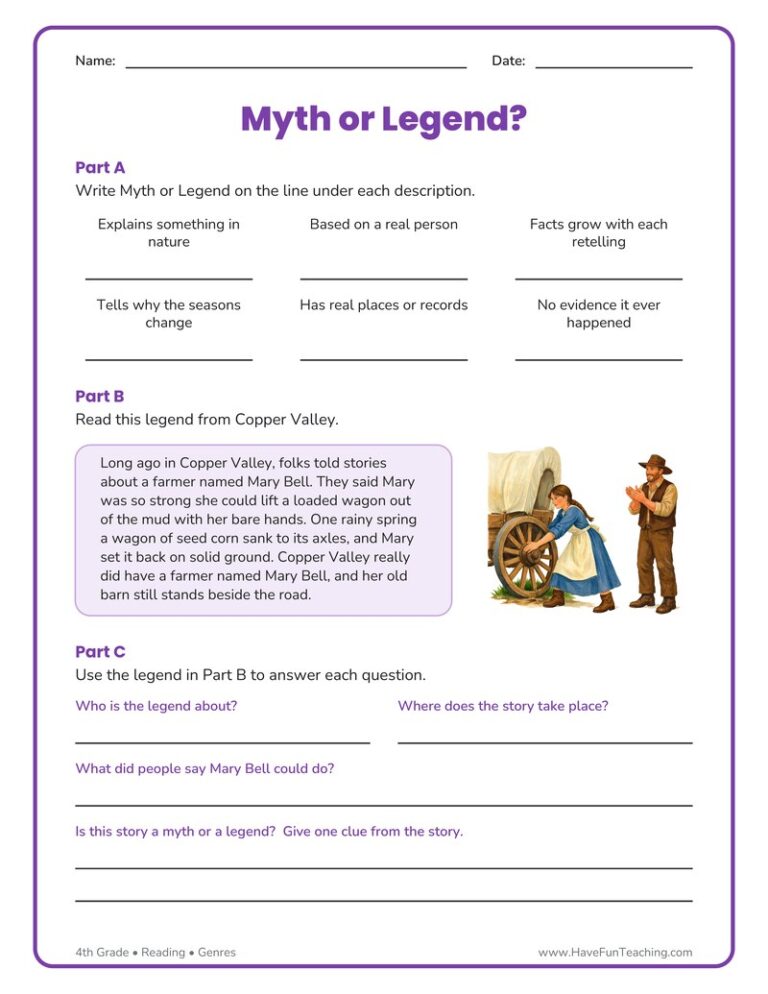
This Myths Legends Worksheet helps 4th graders tell the two genres apart, then apply what they learn to an original legend passage. Answer key included — a no-prep way to build genre knowledge and text evidence skills.

Using Fictional Narrative Worksheet, students write a narrative about a character using details from a book you read as inspiration.
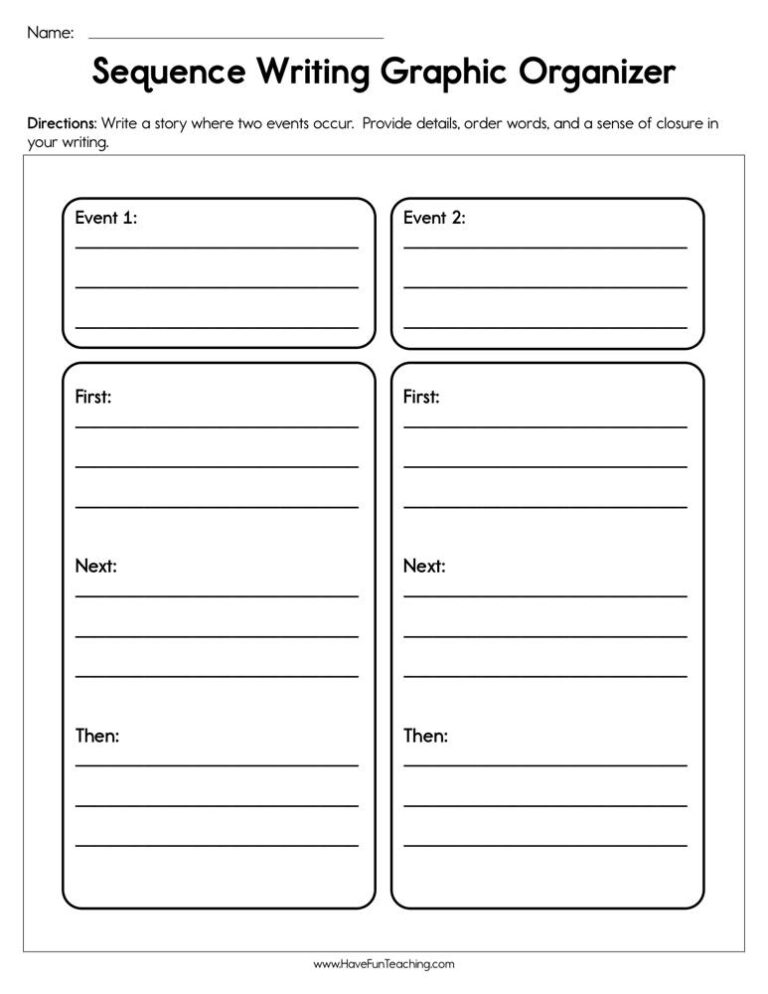
Using Sequence Writing Graphic Organizer Worksheet, students write a story where two events occur providing details, order words, and a sense of closure in your writing.
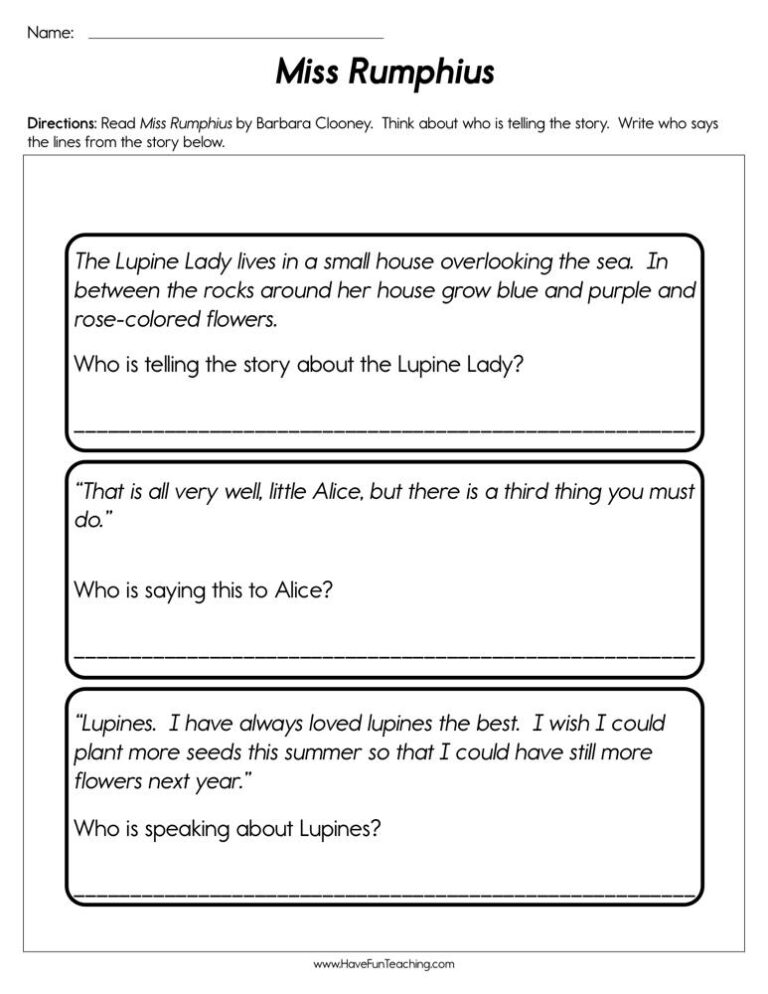
Using Miss Rumphius Point of View Worksheet, students read Miss Rumphius by Barbara Clooney to determine who says the lines from the story.
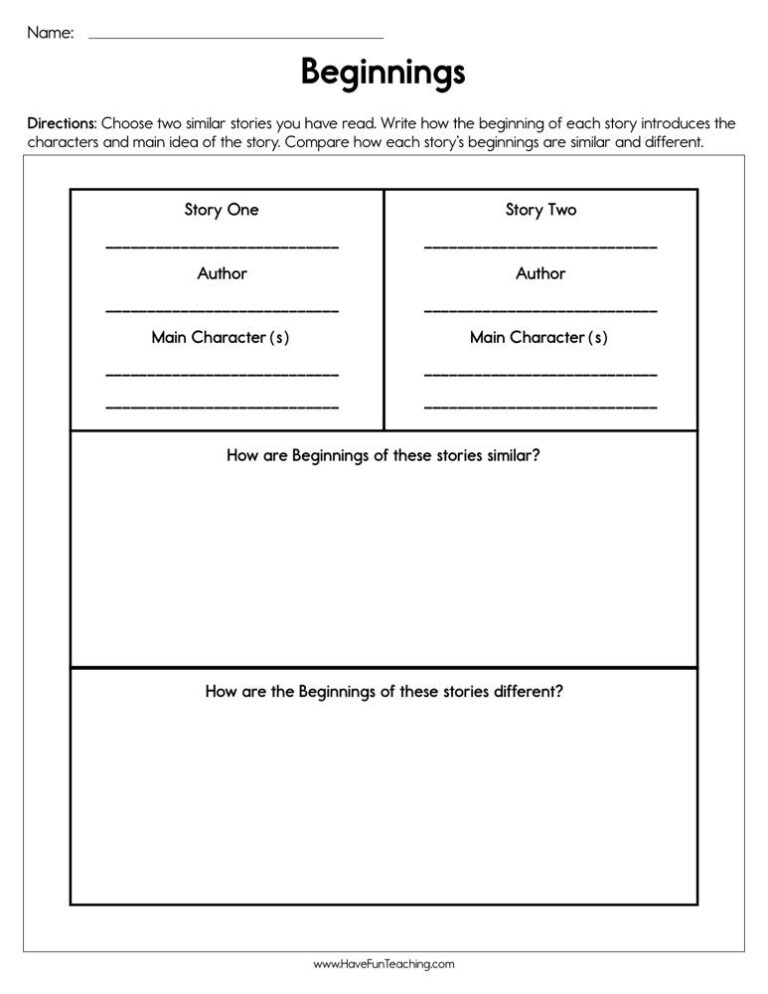
Using Beginnings Worksheet, students write how the beginning of each story introduces the characters and main idea of the story to compare the two similar stories read.

Using this Story Elements Network Tree Graphic Organizer, students fill in as many details as you can about thecharacters, the setting, and what is happening in the story.

Using thisStory Elements Graphic Organizer, studentsfill in as many details as you can about thecharacters, the setting, and what is happening in the story.

Using Who Is Talking Now Worksheet, students write which character is telling the story by making inferences based on what the text says.
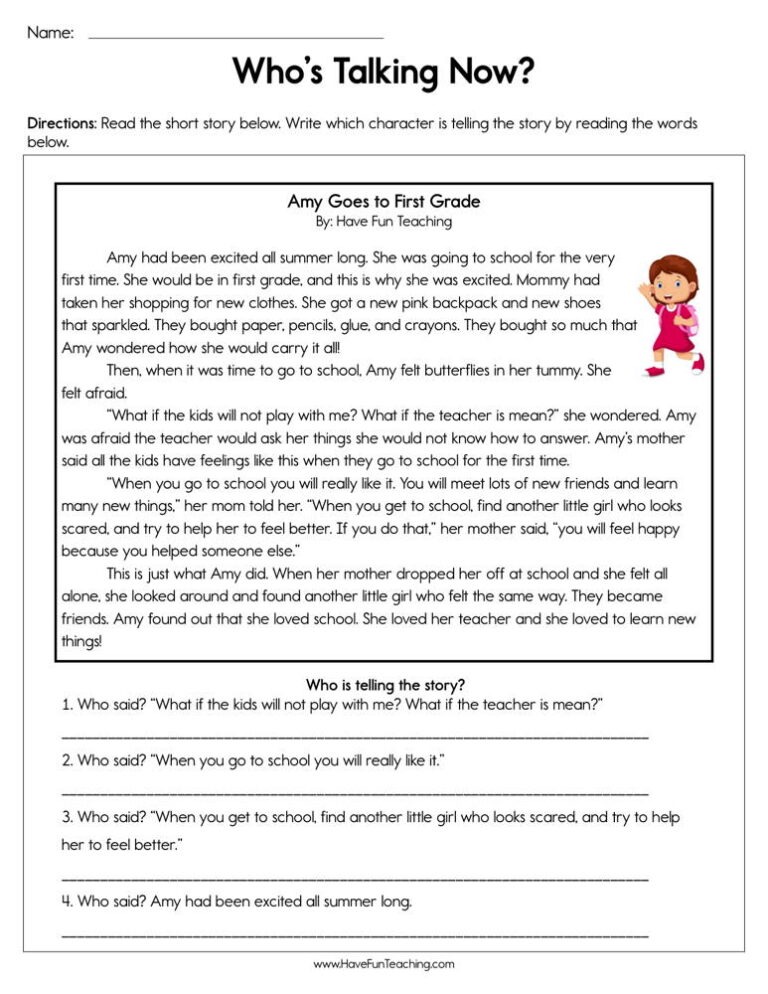
Using Who's Talking Now Worksheet, students write which character is telling the story by making inferences based on what the text says.

Using Sequence Writing Worksheet, students write a story where two events occur providing details, order words, and a sense of closure in your writing.

In order to use ourProblem and Solutions Graphic Organizer Worksheet, your students will be given a text and searching for the problem within the text
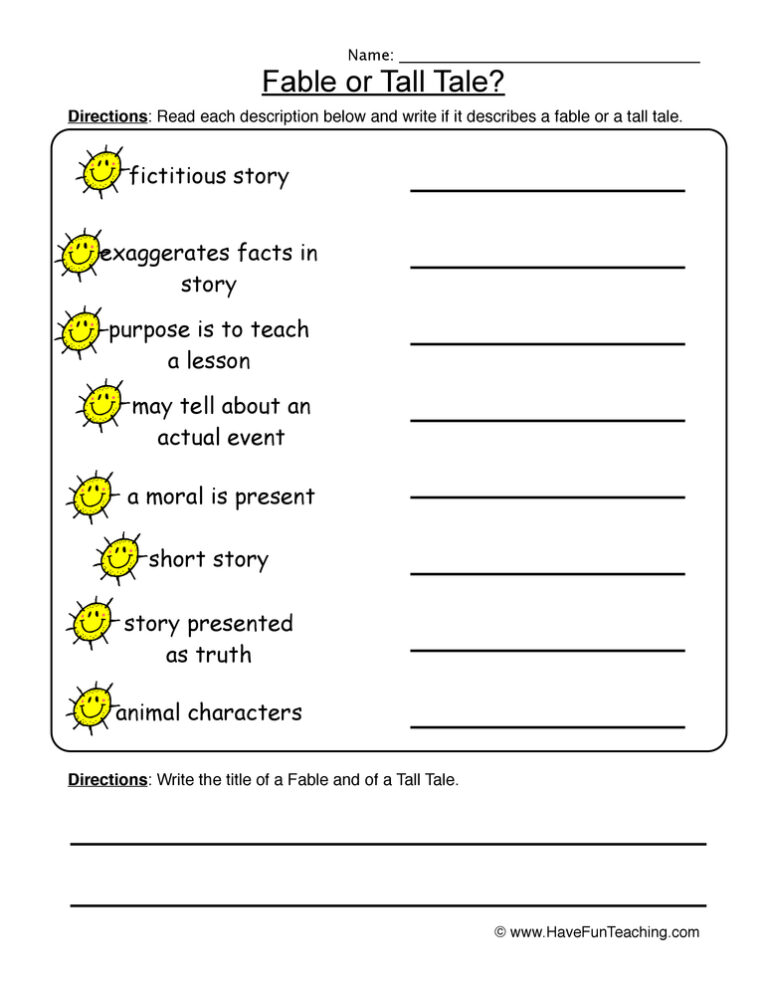
UsingFables Tall Tales Worksheet, students read the descriptions listed to determine if it describes a fable or a tall tale

Using this Story Map Worksheet, students fill in as many details as you can about thecharacters, the setting, and what is happening in the story.
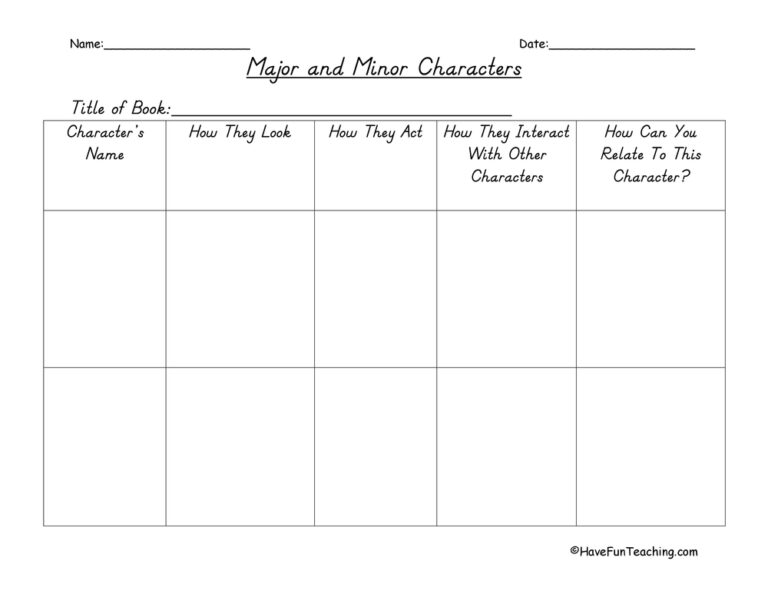
Using this Major and Minor Character Graphic Organizer, students fill in as many details as you can to show information about the Major and Minor Characters.
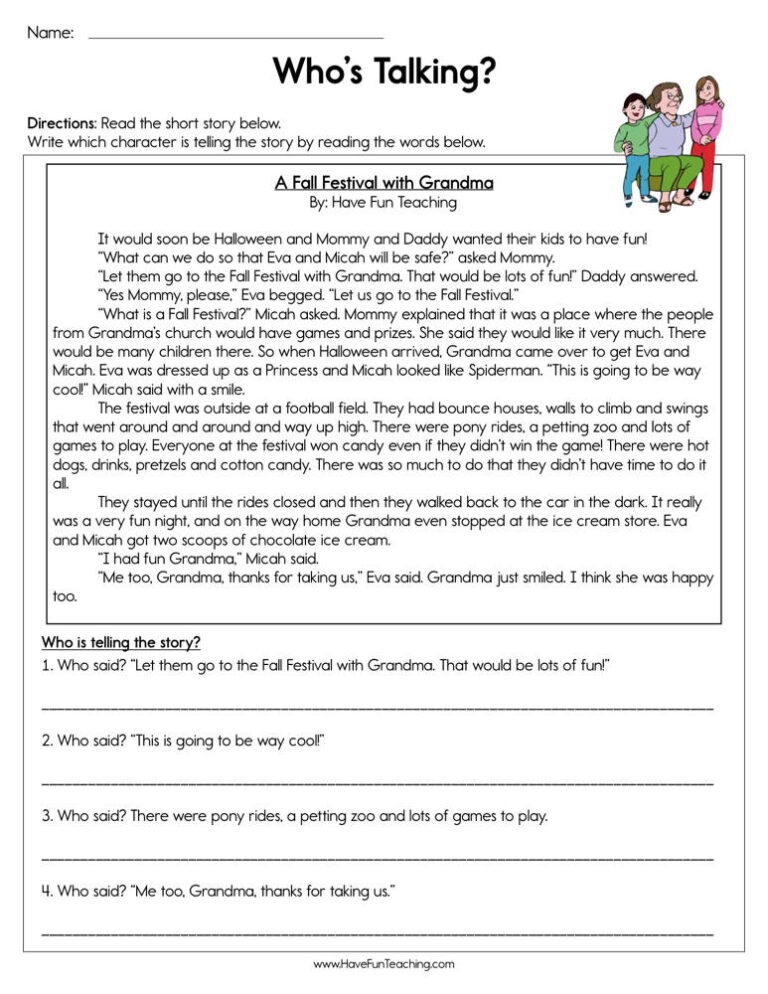
Using Who's Talking Worksheet, students write which character is telling the story by making inferences based on what the text says.

Your students will use this Story Elements Reading Graphic Organizer Worksheet with a story that you are reading as a class or a story that they are
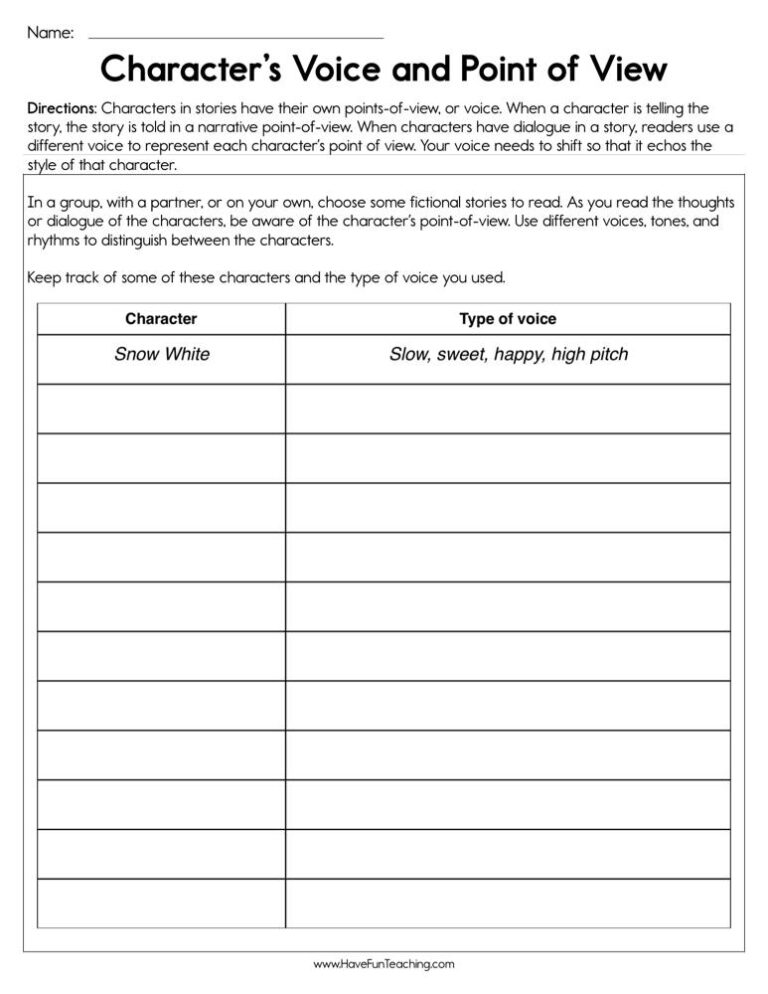
UsingCharacters Voice and Point of View Worksheet, students keep track of different types of voice characters use to show their point of view in a story.
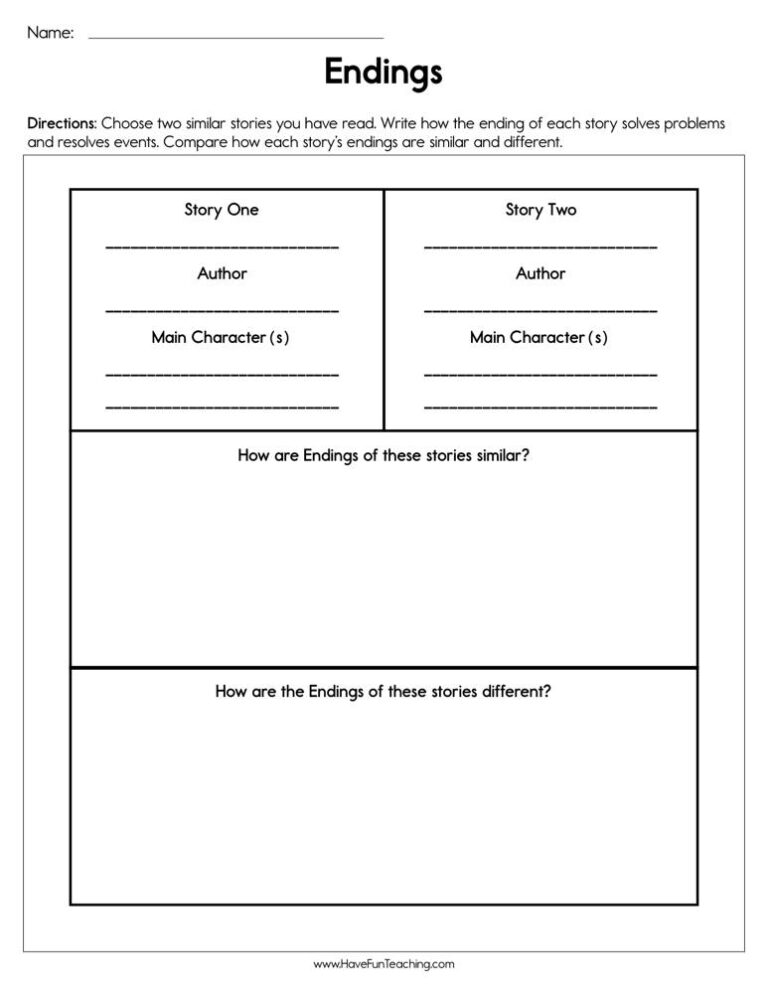
Using Endings Worksheet, students write how the ending of each story solves problems and resolves events of the story to compare the two similar stories read.

Using Fairy Tales Elements Worksheet, students read several fairy tale stories to find examples of the fairy tale elements.

Using this Fantasy and Realism Story Elements Graphic Organizer, students fill in as many details as you can to show the difference between Fantasy and Realism.