Skip to content
Start My 3 Free Days $0 today · cancel anytime

Preschool Lined Paper Resources

3 preschool lined paper resources: 3 activities. How teachers use these

Preschool Lined Paper Resources

3 preschool lined paper resources: 3 activities. How teachers use these

Activity
ActivityPreschoolFlower Shape Book Activity

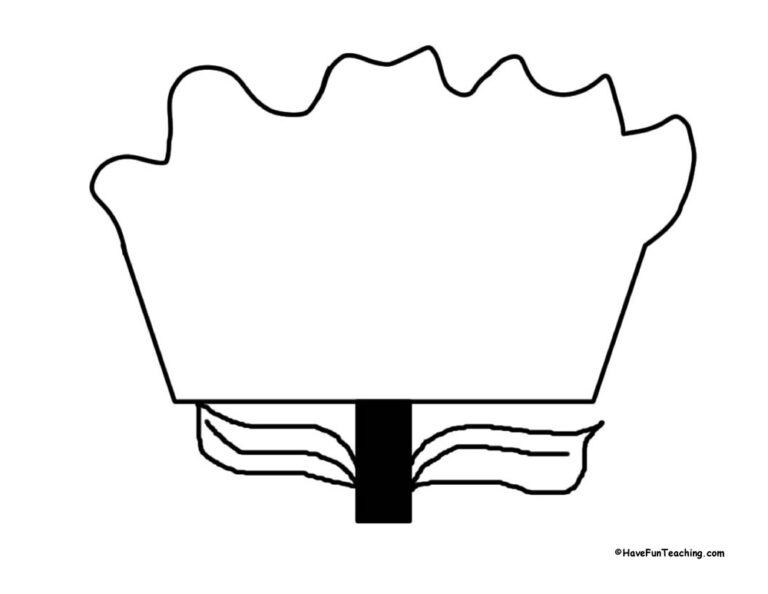
Using this Flower Shape Book Activity, your students can create quick and simple books about themselves or stories about flowers or Springtime.

Activity
ActivityPreschoolWork in Progress Worksheet

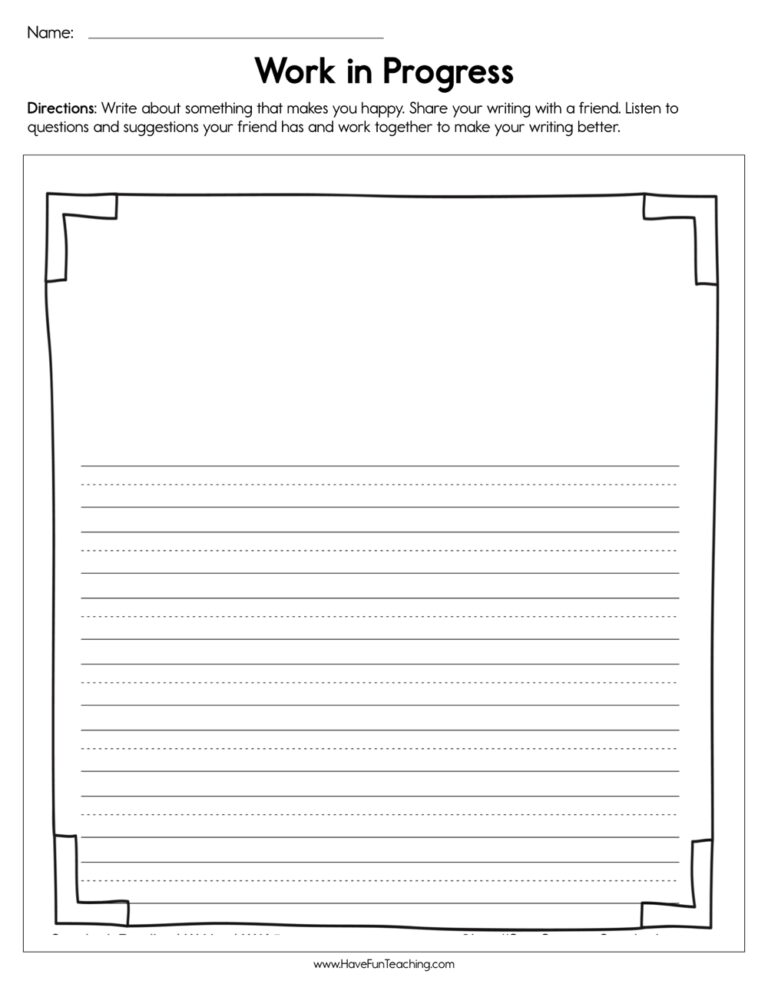
Using Work in Progress Worksheet, students write about something that makes them happy to share their writing with a friend to gain feedback to improve their writing.

Activity
ActivityPreschoolGirl Shape Book Activity

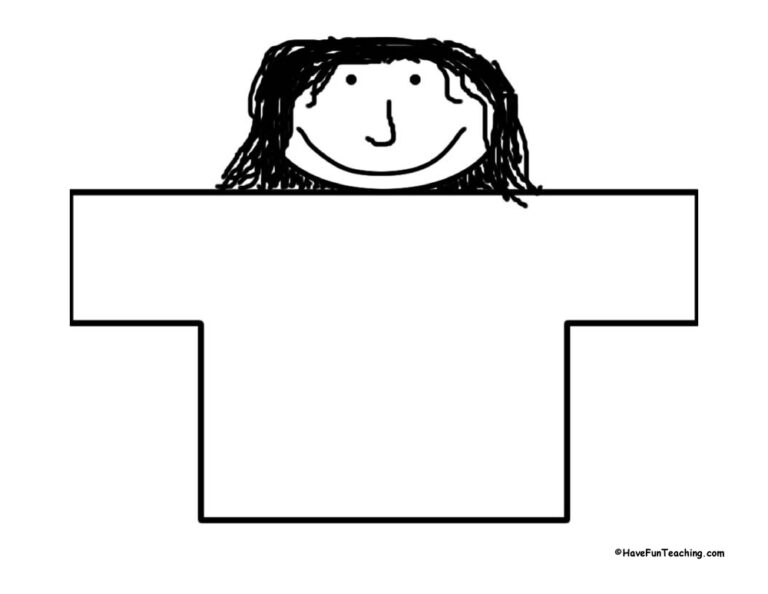
Using this Girl Shape Book Activity, your students can create quick and simple books about themselves or stories about girl main characters.

From our teachers' playbook

Little lines for big ideas

How do preschoolers use lined paper?

For preschoolers, lined paper is brand new territory. They start by learning that the lines are a home for letters: we start at the top and go left to right. First they draw a picture, then "write" about it with scribbles, letter-like shapes or the first sound of a word. With practice, they write their name and a few familiar letters sitting right on the line. The big moment is when a child points to a squiggly line of letters under their drawing and proudly "reads" you the whole story.

How we introduce lined paper

Preschool writing is about joy and confidence first, neatness later. These moves keep it that way.

Draw first, then write

Give kids a shape book with space for a picture and a few big lines underneath. They draw first, then tell you about it, then write something on the lines: a letter, their name or a word. Starting with the picture gives every child something to say.

Why it works: going from real objects to pictures to symbols is a core recommendation of the U.S. Department of Education's elementary math guide.
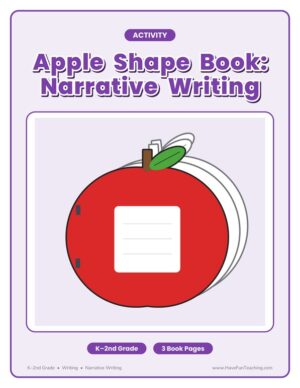
Apple Shape Book ActivityTry it withApple Shape Book ActivityActivitiesOpen it →

Show where to start

Write a short sentence on big chart paper with lines, saying "I start at the top, on the left, and my letters sit on the line." Let kids come up and point to where each word starts. Modeling the habit is more powerful than correcting it later.

Why it works: showing first, practicing together, then letting kids try alone is the "gradual release" model teachers have relied on for decades (Pearson and Gallagher, 1983).

Flower Shape Book ActivityTry it withFlower Shape Book ActivityActivitiesOpen it →
Write about me

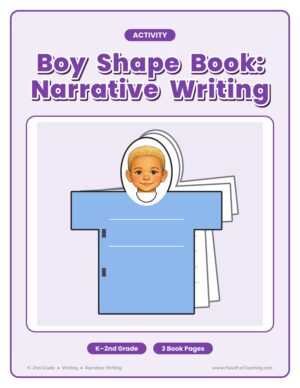
Use a book shaped like a child and let kids draw and write about themselves: their family, favorite food or pet. Writing about something they know well keeps the focus on ideas instead of perfect letters.

Why it works: children learn more from words and pictures together than from words alone (Mayer, 2009).

Boy Shape Book ActivityTry it withBoy Shape Book ActivityActivitiesOpen it →

Questions parents and teachers ask

When should preschoolers start writing on lined paper?

Many children are ready to try big, widely spaced lines around age 4 or 5. Before that, blank paper and drawing are perfect, and it is fine to mix both.

What kind of lined paper is best for preschool?

Look for wide lines with plenty of space, often with a picture box on top. Paper with a dotted middle line helps when kids start forming letters.

Should I correct my preschooler's writing?

Focus on praising the effort and the ideas. Gently model where to start and how letters sit on the line, but let scribbles and invented spellings be part of learning.

What should a preschooler write?

Their name, labels for drawings, letters they know, and short lists like a grocery list. Anything that feels meaningful to them is a great start.