
Skip to content
Start My 3 Free Days $0 today · cancel anytime

Cells Resources

2 cells resources: 2 worksheets. How teachers use these

Cells Resources

2 cells resources: 2 worksheets. How teachers use these

Worksheet
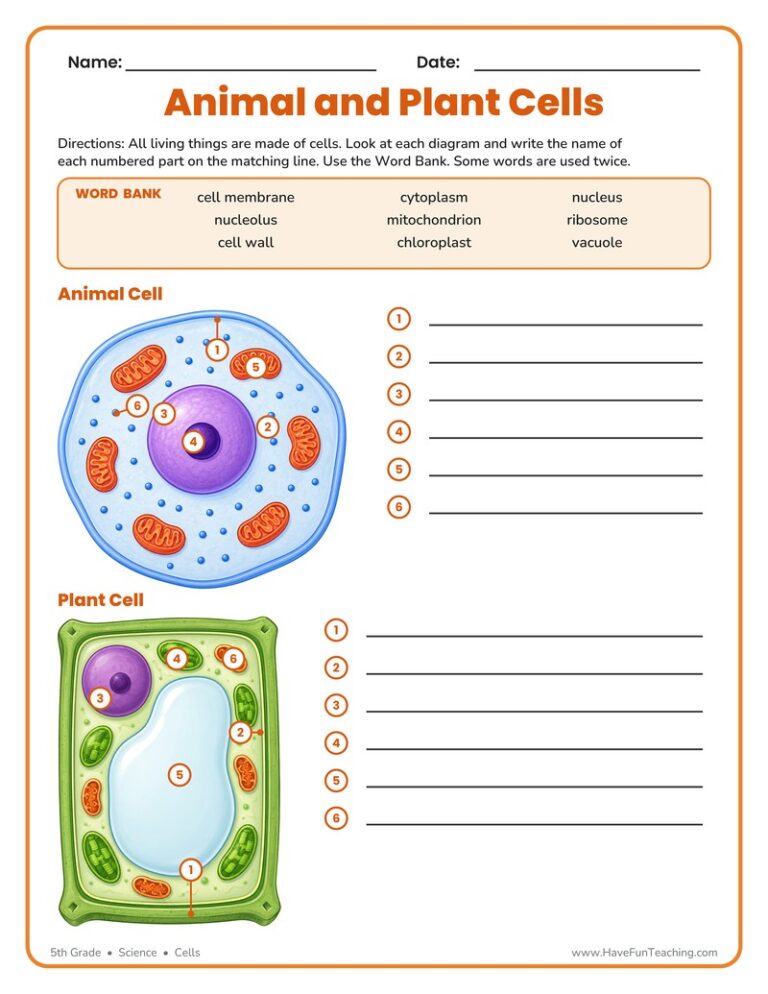
Worksheet5th GradeAnimal and Plant Cells Worksheet

This Animal and Plant Cells Worksheet asks 5th grade students to label the organelles of an animal cell and a plant cell using a word bank. Answer key included for fast, no-prep science review.

Worksheet
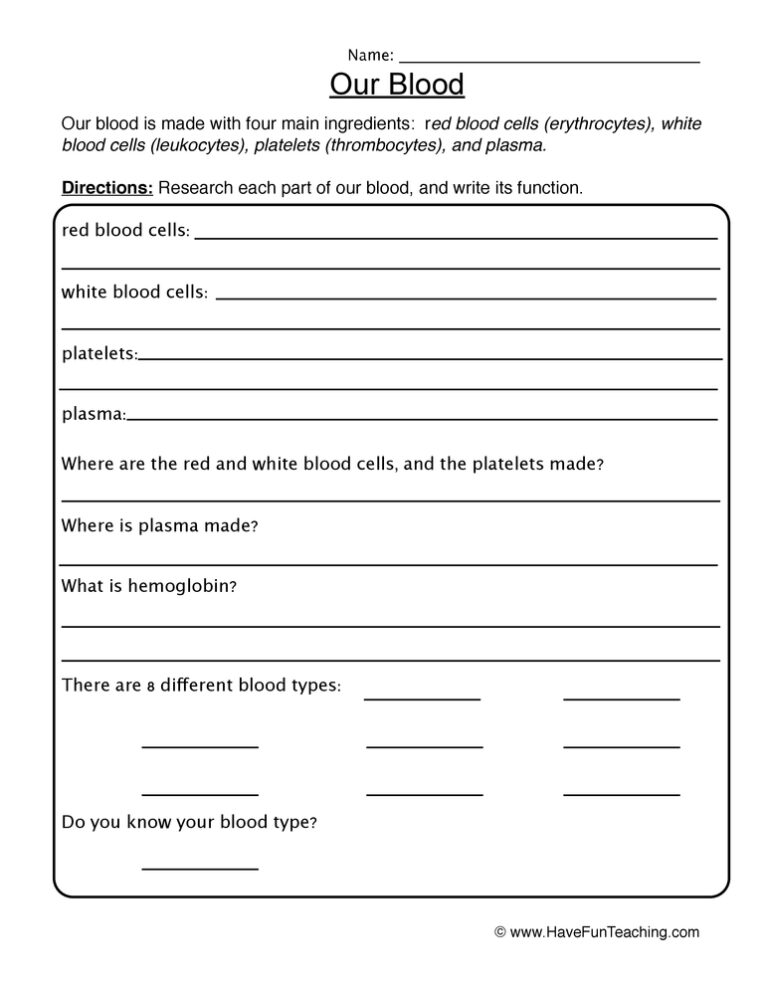
Worksheet4th GradeBlood Worksheet

A Blood Worksheet that walks 4th graders through red blood cells, white blood cells, platelets, and plasma with matching, bubble questions, and a written response. Answer key included for fast, no-prep science practice.

From our teachers' playbook

The tiny building blocks of life

What do kids learn about cells?

Cells are the smallest living units, and every plant and animal is made of them. Kids learn that some living things are just one cell, while people have trillions. They compare plant and animal cells: both have a cell membrane, a nucleus that acts like the control center, and cytoplasm, but plant cells also have a stiff cell wall and green chloroplasts for making food. Older students learn that cells work together as tissues and organs, like blood cells carrying oxygen. The click comes the first time kids see real cells under a microscope.

Our favorite ways to teach cells

Cells are too small to see, so we make them big, visual and hands-on.

Compare the two cells

Show a plant cell and an animal cell side by side. Kids label the parts and circle what only the plant cell has. Then they explain why a plant needs a cell wall and chloroplasts. Comparing makes each part's job clearer.

Why it works: pairing a picture with each word gives kids two ways to remember it, a well-tested principle of how people learn (Mayer, 2009).

Animal and Plant Cells WorksheetTry it withAnimal and Plant Cells WorksheetWorksheetsOpen it →

Follow the blood

Read about the cells in our blood: red cells carry oxygen, white cells fight germs, and platelets help stop bleeding. Model how to turn each job into a short note. It connects cells to kids' own bodies.

Why it works: showing first, practicing together, then letting kids try alone is the "gradual release" model teachers have relied on for decades (Pearson and Gallagher, 1983).

Blood WorksheetTry it withBlood WorksheetWorksheetsOpen it →

Cell in a bag

Make a model cell with a zip bag (membrane), clear gel (cytoplasm) and small objects for each part. Kids explain each piece as they add it. Building and explaining helps the vocabulary stick.

Why it works: going from real objects to pictures to symbols is a core recommendation of the U.S. Department of Education's elementary math guide.

What's on this page

Teacher favorites right now: Animal and Plant Cells Worksheet and Blood Worksheet.

Questions parents and teachers ask

What is a cell in simple terms?

A cell is the tiniest living part of a plant or animal. Your skin, bones and blood are all made of cells working together.

What is the difference between plant and animal cells?

Plant cells have a cell wall and chloroplasts, and often a large vacuole. Animal cells don't have a cell wall or chloroplasts, so they have a rounder, more flexible shape.

What grade learns about cells?

Kids may hear about cells in elementary school, but plant and animal cell parts are usually taught in about 5th to 7th grade.

How can I teach cells at home?

Build an edible cell with gelatin and candy for the parts, or look at onion skin with a magnifying glass. Hands-on models make tiny ideas easier to picture.

Keep exploring


