
Skip to content
Start My 3 Free Days $0 today · cancel anytime

Trees Resources

8 trees resources: 7 worksheets, 4 assessments and 1 activity. How teachers use these

Trees Resources

8 trees resources: 7 worksheets, 4 assessments and 1 activity. How teachers use these

Assessment
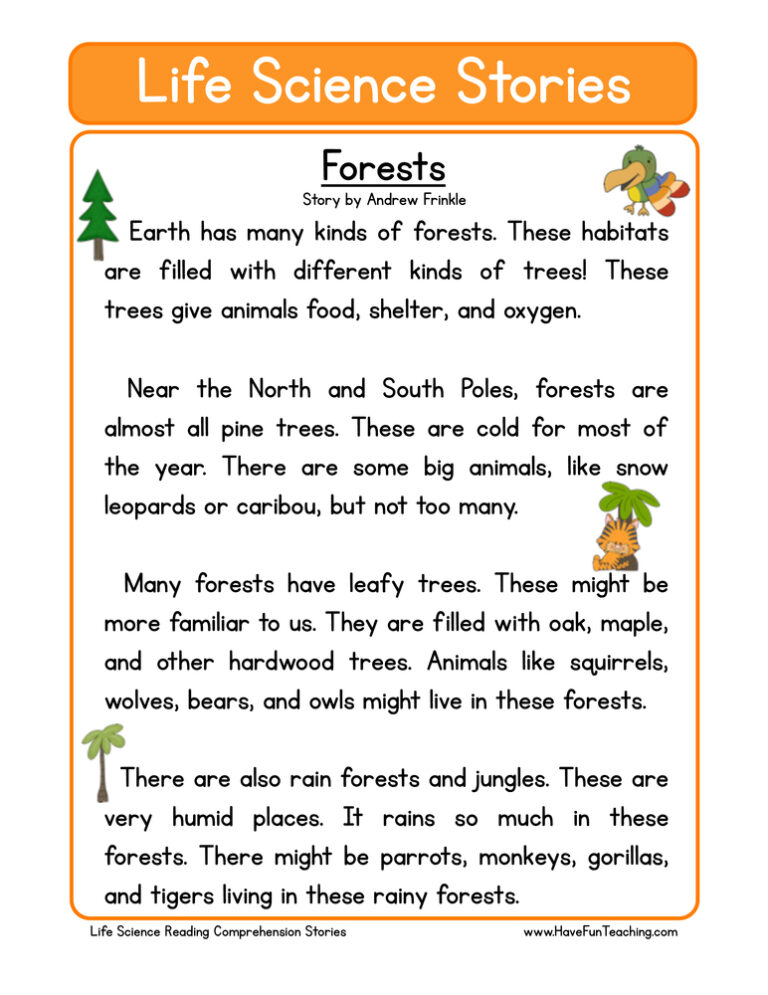
Assessment2nd GradeForests Life Science Reading Comprehension Worksheet

This Forests Life Science Reading Comprehension Worksheet gives 2nd graders a short non-fiction passage about pine, leafy, and rain forests, plus questions and an answer key. Great no-prep practice for main idea and key details.

Activity
ActivityKindergartenTree Cut Outs

This tree cut outs activity is a tree-shaped book for kindergarten to 2nd grade. Children color the cover, draw a tree, write about it, and cut out the pages on the bold line.

Worksheet
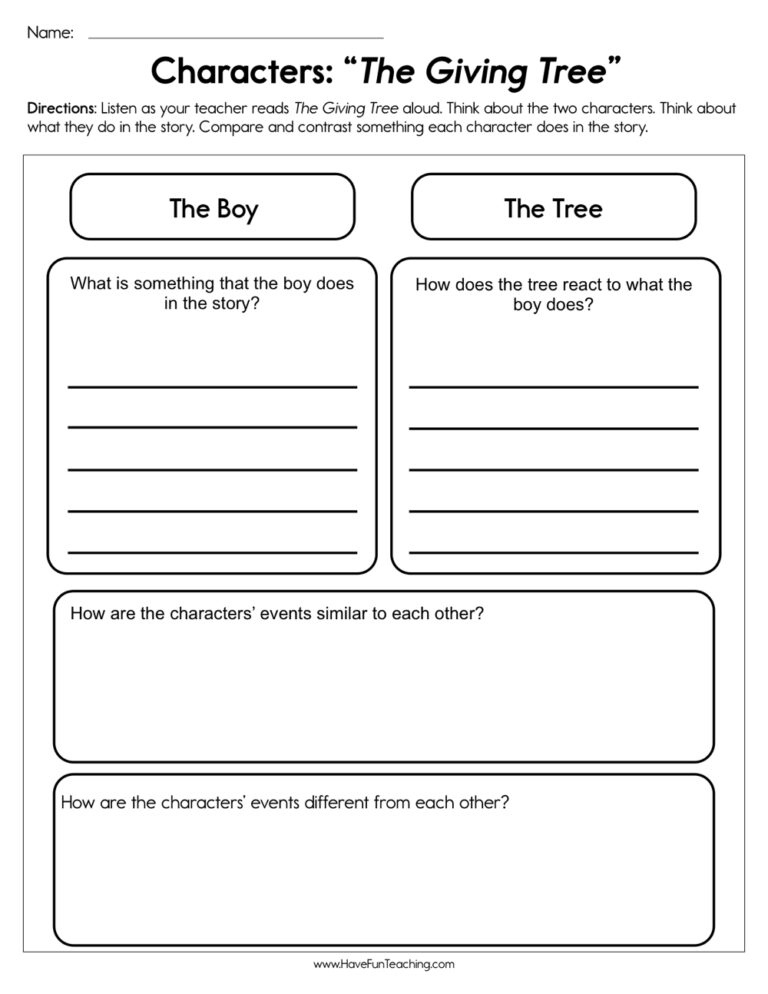
WorksheetPreschoolCharacters The Giving Tree Worksheet

Using Characters, Settings, and Big Events Worksheet, students draw pictures and write a sentence for each to tell about the story elements in a book.

Assessment
Assessment3rd GradeThe Catching Tree Reading Comprehension Worksheet

This The Catching Tree Reading Comprehension Worksheet gives third graders a non-fiction passage about how a wide tree catches what the wind carries, four multiple choice questions, and a written response. An answer key is included.

Assessment
Assessment2nd GradeChristmas Tree Reading Comprehension Worksheet

Use this Christmas Tree Reading Comprehension Worksheet to give your 2nd Grade readers a short holiday story with four questions and a written response. Answer key included, so checking work takes seconds.

Worksheet
Worksheet1st GradeDr. Seuss The Lorax Maze

This Dr. Seuss The Lorax Maze is a fun addition to your students' Read Across America celebration tohelp the Lorax find his way to the Truffula Tree.

Assessment
Assessment5th GradeTree Swing Reading Comprehension Worksheet

This Tree Swing Reading Comprehension Worksheet has 5th graders read a two-page science passage about building a safe swing, answer five questions, and check their thinking with the included answer key.

Worksheet
WorksheetKindergartenThe Giving Tree Worksheet

Using The Giving Tree Worksheet, students compare two characters from a story to determine how they are alike and different.

From our teachers' playbook

Roots down, branches up

What do kids learn about trees?

Trees are one of the best ways to teach how living things grow and change. Younger kids learn the parts of a tree (roots, trunk, branches, leaves) and what each part does, and they watch trees change through the seasons. Older kids dig into how leaves make food from sunlight, how forests are habitats for animals, and how people depend on trees for wood, fruit, shade and clean air. The click comes when kids realize a giant oak started as one small acorn.

How we teach trees

There's probably a tree right outside your window, which makes this one of the easiest science topics to make real.

Build a tree, part by part

Give kids tree cut-outs and have them assemble and label the roots, trunk, branches and leaves. Next to each part, they write its job: "roots drink water." Building and labeling at the same time makes the vocabulary stick.

Why it works: the U.S. Department of Education's guide for teaching elementary math recommends moving from hands-on objects to drawings to numbers.

Tree Cut OutsTry it withTree Cut OutsActivitiesOpen it →

Read about forests like a scientist

Read a short forest article together and stop to model: "So the forest gives the owl a home and the owl eats mice. That's a habitat connection." Then kids find one more connection on their own and share it.

Why it works: showing first, practicing together, then letting kids try alone is the "gradual release" model teachers have relied on for decades (Pearson and Gallagher, 1983).

Forests Life Science Reading Comprehension WorksheetTry it withForests Life Science Reading Comprehension WorksheetWorksheetsOpen it →

Adopt a tree for the year

Pick one tree near your school and visit it once a month. Kids sketch it, note the leaves and weather, and compare to last time. By spring, they've tracked a full cycle of seasonal change with their own eyes.

Why it works: short practice spread over several days beats one long session, according to a large review of learning research (Dunlosky and colleagues, 2013).

Characters The Giving Tree WorksheetTry it withCharacters The Giving Tree WorksheetWorksheetsOpen it →

Questions parents and teachers ask

What are the parts of a tree for kids?

The main parts are the roots, trunk, branches and leaves. Roots take in water, the trunk holds the tree up, branches spread out, and leaves make food from sunlight.

How do you teach kids about trees?

Go outside! Look at bark, leaves and seeds, then build or draw a tree and label its parts. Reading stories and science texts about forests adds depth.

Why do leaves change color in fall?

As days get shorter, trees stop making the green chlorophyll in their leaves. The yellow and orange colors that were there all along finally show through.

What are fun tree activities for kids?

Leaf rubbings, bark rubbings, planting a seed, sketching a tree through the seasons, and counting rings on a slice of a log are all great hands-on activities.

Keep exploring



