
Skip to content
Start My 3 Free Days $0 today · cancel anytime

Water Resources

1 water resources: 1 activity. How teachers use these

Water Resources

1 water resources: 1 activity. How teachers use these

Activity
ActivityPreschoolCloud Cut Outs

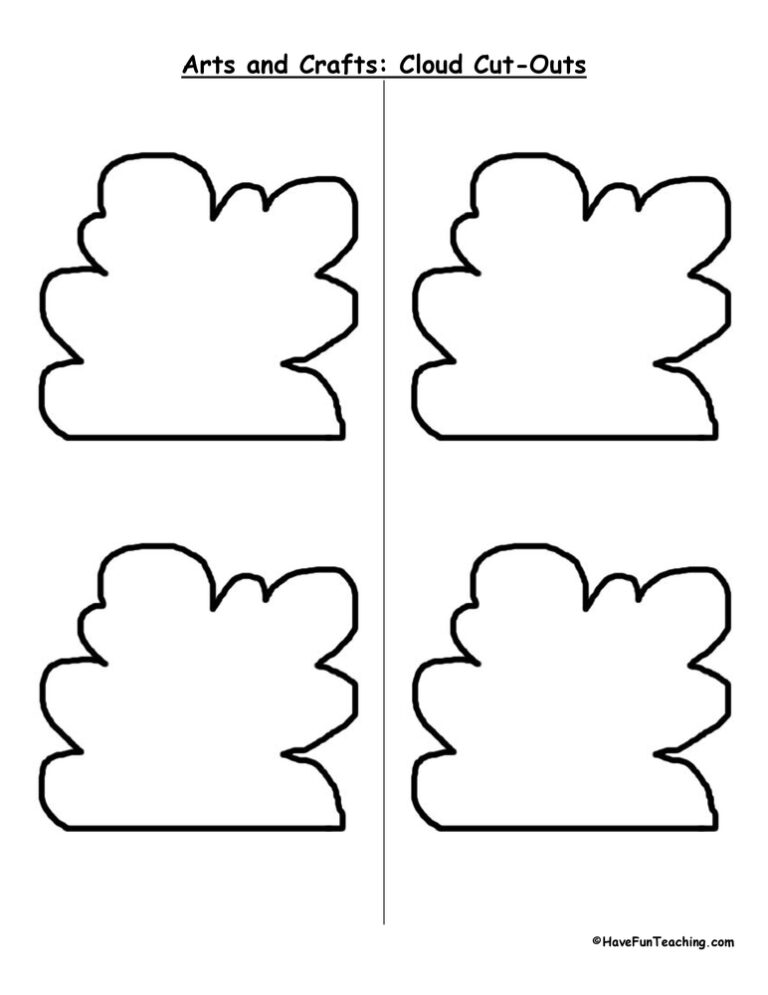
These Cloud Cut Outs quickly give you templates that can be easily cut and applied for classroom decoration or student activities

From our teachers' playbook

Drip, drop, splash and cloud!

What do kids learn about water?

Water is one of the best science topics because kids already know it so well. Young learners explore how water can be a solid, liquid or gas: ice, water and steam. They learn the water cycle, where the Sun warms water so it evaporates, rises and cools into clouds, then falls back as rain or snow: evaporation → condensation → precipitation → collection. Older kids connect water to weather, landforms and keeping water clean. The click comes when a child looks at a puddle drying up and says, "It went up to make a cloud!"

Our favorite ways to teach water

Water is easy to see, touch and test, so we let kids do exactly that.

Make a cloud in a jar

Pour warm water in a jar, cover it with a plate of ice, and watch tiny drops form under the plate. Then build a paper water cycle with clouds, raindrops and arrows. Seeing it happen first makes the diagram make sense.

Why it works: the U.S. Department of Education's guide for teaching elementary math recommends moving from hands-on objects to drawings to numbers.

Cloud Cut OutsTry it withCloud Cut OutsActivitiesOpen it →

Where did the water go?

Mark the edge of a puddle or a cup of water with chalk or tape, then check it each day and ask, "Where did the water go?" Kids explain using the water cycle words. A daily question beats a one-day lesson.

Why it works: a big review of study methods ranked quick self-quizzing among the most powerful ways to remember (Dunlosky and colleagues, 2013).

Weather and water journal

Each morning, kids record if it is sunny, cloudy, rainy or snowy and what the water is doing. Over a few weeks they see the water cycle all around them.

Why it works: spreading practice out over days is one of the two most effective study methods in a major research review (Dunlosky and colleagues, 2013).

What's on this page

Teacher favorites right now: Cloud Cut Outs.

Questions parents and teachers ask about water

What are the three states of water?

Water can be a solid (ice), a liquid (water) or a gas (water vapor or steam). Heating and cooling change it from one state to another.

How do you explain the water cycle to kids?

The Sun warms water so it rises into the air as vapor. High up it cools and turns into tiny drops that make clouds. When the drops get heavy, they fall as rain or snow, and the cycle starts again.

What age do kids learn the water cycle?

Kids often explore water and weather in preschool and kindergarten, and many learn the full water cycle in 2nd grade. They come back to it with more detail in upper elementary and middle school.

What is an easy water experiment for kids?

Make a cloud in a jar with warm water and a plate of ice on top, or freeze and melt water to see it change states. Both take only a few minutes and show real science.

Keep exploring


