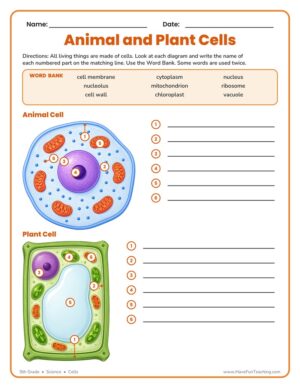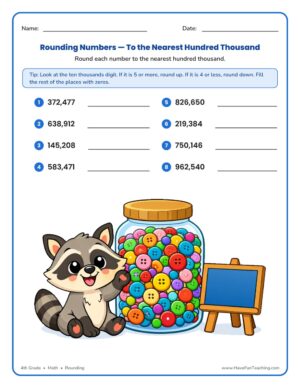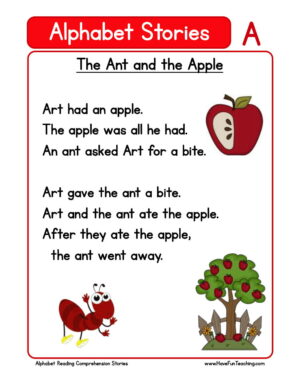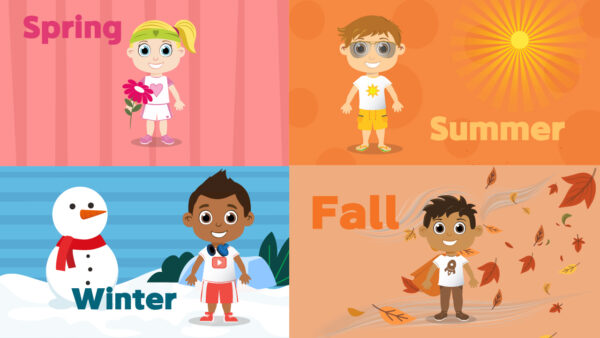

Teaching reading comprehension to elementary school kids is a crucial part of developing their literacy skills. Here are some effective strategies, techniques, and reading comprehension worksheets to help you teach reading comprehension to young students:
-
Choose Appropriate Texts: Select texts that are suitable for the students’ age and reading level. Start with simple, engaging, and age-appropriate books.
-
Build Vocabulary: Before diving into a text, introduce and discuss any challenging vocabulary words. This will help students understand the text better.
3 days free
Ready for the whole library?
You’ve had your freebie — but members download 10,000+ resources for every grade, all year long. Try it free — $0 today, cancel anytime.
Free for teachers
Pick your grade. We’ll send 10 free resources.
Worksheets, activities and a video — picked for your classroom, ready to print tonight.
One free bundle per teacher. We’ll also send free teaching ideas each week — unsubscribe anytime.
-
Pre-Reading Activities: Engage in pre-reading activities to activate prior knowledge and generate interest. You can ask questions related to the topic or show pictures and ask what the students know about it.
-
Read Aloud: Begin by reading the text aloud to the students. This allows them to listen and follow along, focusing on comprehension without the added challenge of decoding words.
-
Ask Questions: While reading, pause to ask questions about the text. These questions can range from literal (Who are the characters?) to inferential (Why did the character do that?). Encourage students to predict what might happen next.
-
Discuss and Summarize: After reading, discuss the text with the students. Have them summarize the main idea, key events, and character motivations. This encourages them to think critically about the text.
-
Use Graphic Organizers: Visual aids like story maps, Venn diagrams, and flowcharts can help students organize their thoughts and understand the text’s structure.
-
Reading Comprehension Strategies: Teach specific reading comprehension strategies such as making connections (text-to-self, text-to-text, text-to-world), visualizing, making inferences, and drawing conclusions.
-
Monitor and Clarify: Encourage students to stop and monitor their comprehension. If they don’t understand something, teach them to ask questions or re-read the text.
-
Context Clues: Help students learn how to use context clues to figure out the meaning of unfamiliar words.
-
Predictions: Encourage students to make predictions about what might happen next in the story based on what they’ve read.
-
Critical Thinking: Encourage critical thinking by discussing the author’s purpose, point of view, and the message or lesson of the text.
-
Repeated Reading: Have students re-read the same text multiple times. This reinforces comprehension and also helps with fluency.
-
Reading Comprehension Games: Engage students in fun reading comprehension games and activities. These could include crossword puzzles, word searches, or board games related to the text.
-
Assessment: Regularly assess students’ comprehension using reading comprehension stories, quizzes, discussions, or written responses. This helps identify areas that may need further instruction.
-
Encourage Independent Reading: Foster a love for reading by encouraging independent reading. Allow students to choose books they are interested in and provide time for silent reading.
-
Home-School Connection: Encourage parents to support reading comprehension at home by discussing books with their children and asking questions about what they’re reading.
-
Model Good Reading Habits: Teachers should model good reading habits, such as thinking aloud while reading and showing their own enthusiasm for reading.



Remember that reading comprehension skills develop gradually, so be patient and provide ongoing support. Tailor your instruction to the individual needs of your students, as they may be at different levels of reading comprehension. If you are a homeschool parent and need Reading Comprehension Stories, check out Home Education Curriculum.
How to Teach Reading Comprehension – 5 Best Ways!

Teaching reading comprehension to beginning readers can be challenging, but there are effective strategies to help young learners develop this crucial skill. Here are five of the best ways to teach reading comprehension to beginning readers:
-
Phonics Instruction:
- Start with phonics instruction to help students master letter-sound relationships. Understanding how to decode words is essential for comprehension.
- Teach phonemic awareness, which involves recognizing and manipulating individual sounds (phonemes) in words.
-
Vocabulary Building:
- Introduce and reinforce basic sight words and high-frequency words, as they appear frequently in texts.
- Encourage word exploration and expand students’ vocabulary through activities like word walls, word games, and word families.
-
Reading Aloud:
- Read to beginning readers regularly. This models fluent reading and exposes them to a variety of texts.
- Discuss the story, characters, and events to build understanding and engagement.
-
Guided Reading:
- Conduct guided reading sessions with small groups of students at their instructional level.
- Choose texts that match their current reading ability to ensure they can read with some support and comprehension.
-
Comprehension Strategies:
- Introduce simple comprehension strategies such as predicting, questioning, summarizing, and making connections.
- Ask questions about the story to check understanding. For example, “What happened at the beginning of the story?” or “Can you tell me about the main character?”
- Use visual aids like pictures or story maps to help students visualize and better understand the text.

Need some fun and effective reading comprehension worksheets, stories, quizzes, and activities for your kids? Have Fun Teaching has everything you need!
3 days free
Ready for the whole library?
You’ve had your freebie — but members download 10,000+ resources for every grade, all year long. Try it free — $0 today, cancel anytime.
Free for teachers
Pick your grade. We’ll send 10 free resources.
Worksheets, activities and a video — picked for your classroom, ready to print tonight.
One free bundle per teacher. We’ll also send free teaching ideas each week — unsubscribe anytime.