

Finding Places on a Globe Worksheet
This Finding Places on a Globe Worksheet has 3rd graders label the North Pole, equator, prime meridian, and three continents on a real globe. An answer key is included, so checking work takes seconds.
$6.97
Or free with a membership — members pay $3.33/mo for all 10,000+ resources. See plans
Want this one free?
Tell us where to send it and it’s yours — no card, no catch.
One free resource per teacher. We’ll also send free teaching ideas each week — unsubscribe anytime.
Teaching is easier with a membership
Unlimited printables, games & videos for PreK–6th — for your classroom or homeschool. Cancel anytime.
Start your 3-day free trial$0 today · cancel anytime · Instant access to 10,000+ resources
About this resource
Description
Learning to read a globe is one of the first real map skills a child builds, and this Finding Places on a Globe Worksheet gives third graders a clear, hands-on way to practice it. A globe is a round model of Earth, so it shows the shape of our planet more honestly than any flat map can. Before students can locate a country or describe where they live, they need to know the reference marks every globe carries: the North Pole and South Pole at the top and bottom, the equator running all the way around the middle, and the prime meridian running from pole to pole. Those lines are the address system of the whole world, and once children can find them, every other place on Earth becomes findable too.
This printable globe worksheet puts a real, accurately drawn globe at the center of the page. Six lettered markers sit on the globe, and students use the word bank to name each one, matching letters to the North Pole, the equator, the prime meridian, and the continents of Africa, Europe, and Asia. Then Part B asks them to think a little harder: they decide whether Europe sits north or south of the equator and explain how the globe shows them, name a continent the equator crosses, and explain why a globe can only show part of Earth at one time. As a third grade geography worksheet, it works well for whole-class introduction, small-group review, homework, or a quick check before a unit test. Pair it with a classroom globe so students can turn a real one while they work.
What’s Included
- 1 print-ready PDF worksheet
- Answer key
- 6 globe labeling items and 3 written-response questions
There are three reasons this Finding Places on a Globe Worksheet helps children learn the skill. First, it teaches from a true picture of Earth: the coastlines, the grid lines, the equator, and the prime meridian are all drawn in their real positions, so what students learn here transfers straight to the globe on the classroom shelf. Second, it separates naming from reasoning. Part A builds the vocabulary, and Part B makes students use that vocabulary to justify an answer, which is exactly the kind of thinking state tests ask for. Third, the layout is uncluttered, with generous writing lines and one clear task at a time, so children spend their attention on the geography instead of on figuring out the page.
Teachers and parents can stretch this lesson in plenty of fun ways. Spin a classroom globe and have a partner stop it with one finger, then name the continent or ocean under the fingertip. Tie a length of yarn around a globe at the equator and another from pole to pole so students can see the two big reference lines with their hands as well as their eyes. Ask children to find where a favorite animal lives, or to trace the route a letter would travel from your town to a pen pal overseas. Play a quick game of “north or south of the equator?” using places in the news. Each of these turns an abstract grid into something children can point to, talk about, and remember.
Related Resources
What teachers say
Reviews
You must be logged in to post a review.
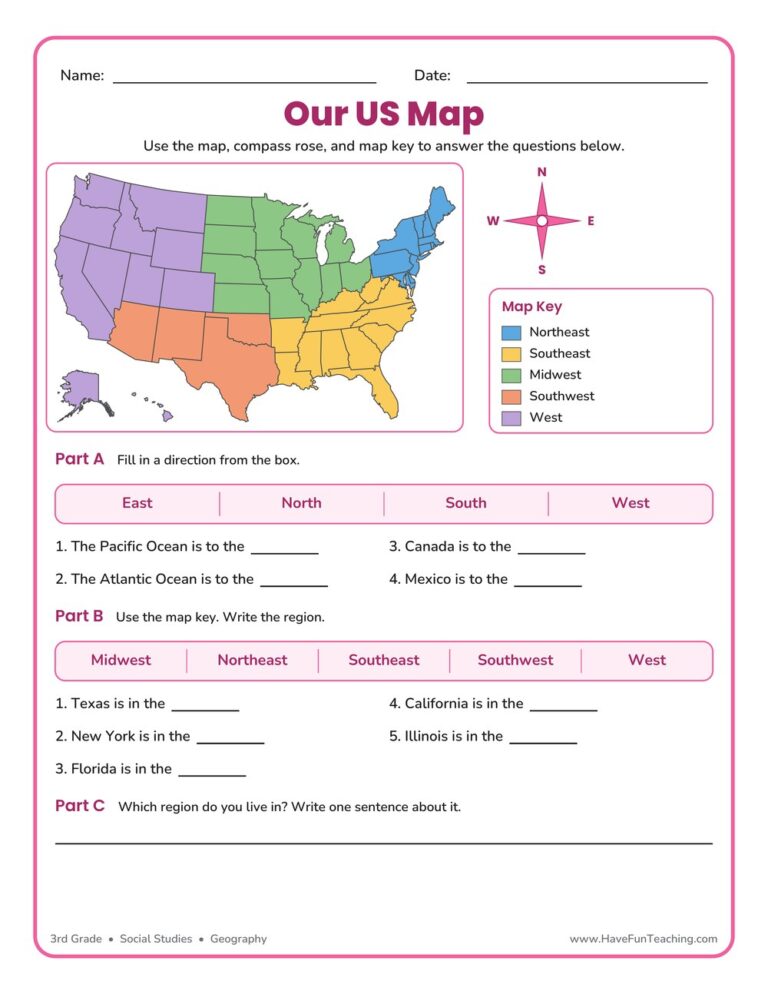
This US Map Worksheet helps 3rd grade students name the five regions of the United States, use a compass rose, and read a map key. An answer key is included, making map skills easy and fun to practice.
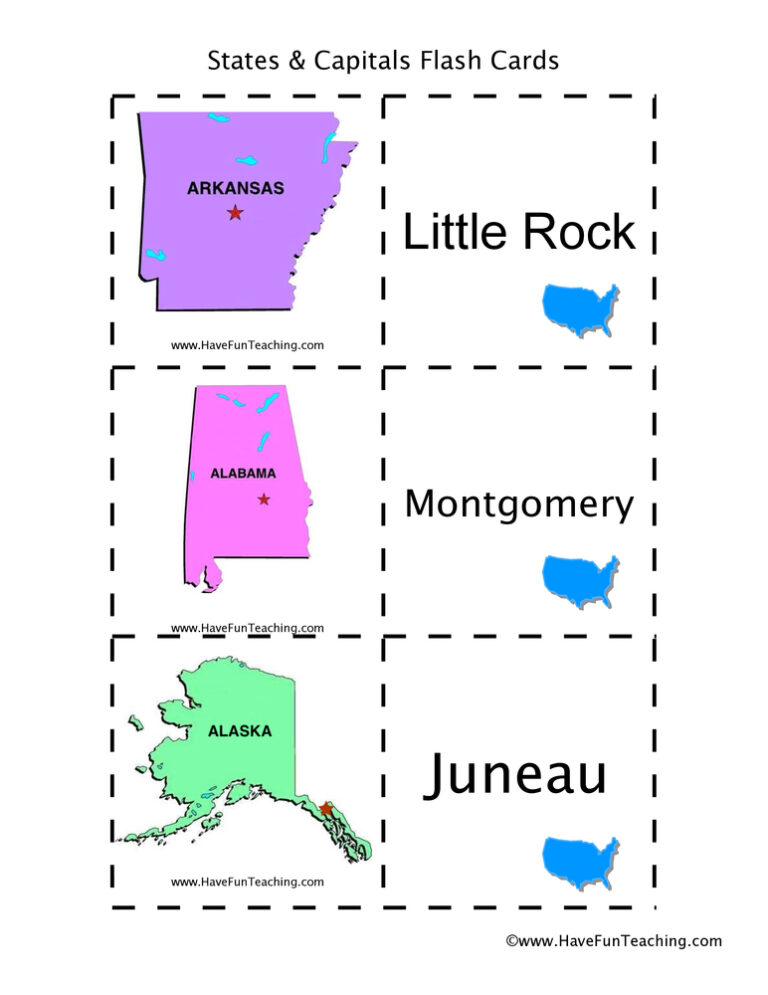
Using US States and Capitals Flash Cards, students memorize US State capitals by looking at a picture of the state.

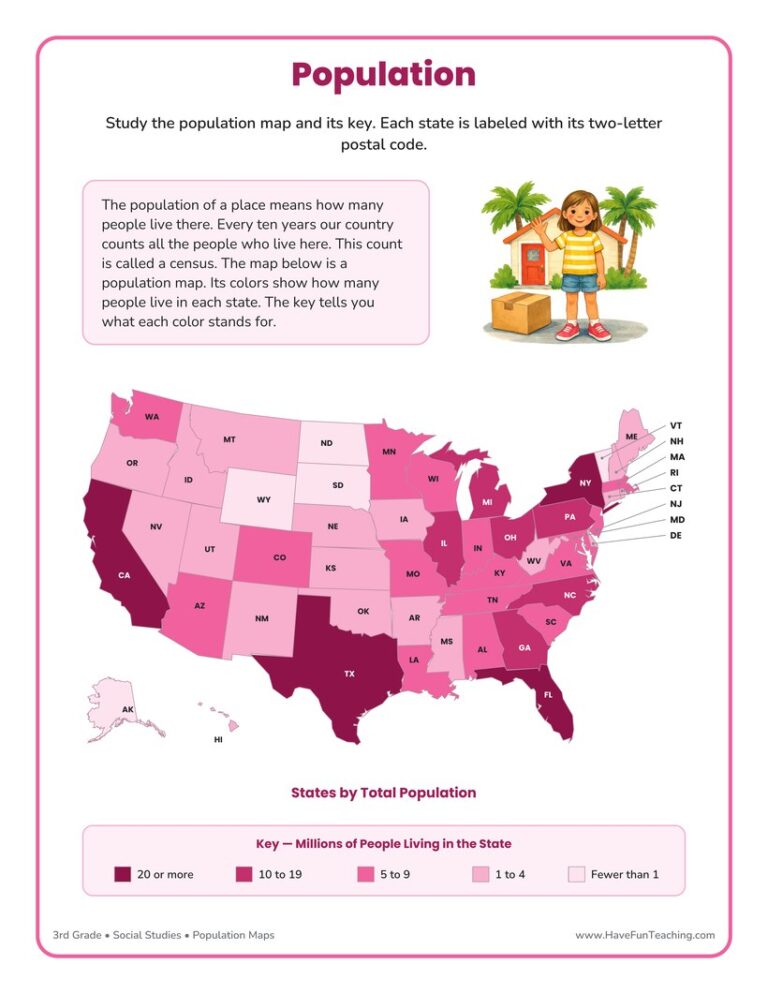
Students read a full-color U.S. population map worksheet, use the map key to compare states, and explain their thinking. Built for 3rd grade with a complete answer key - no-prep geography practice.
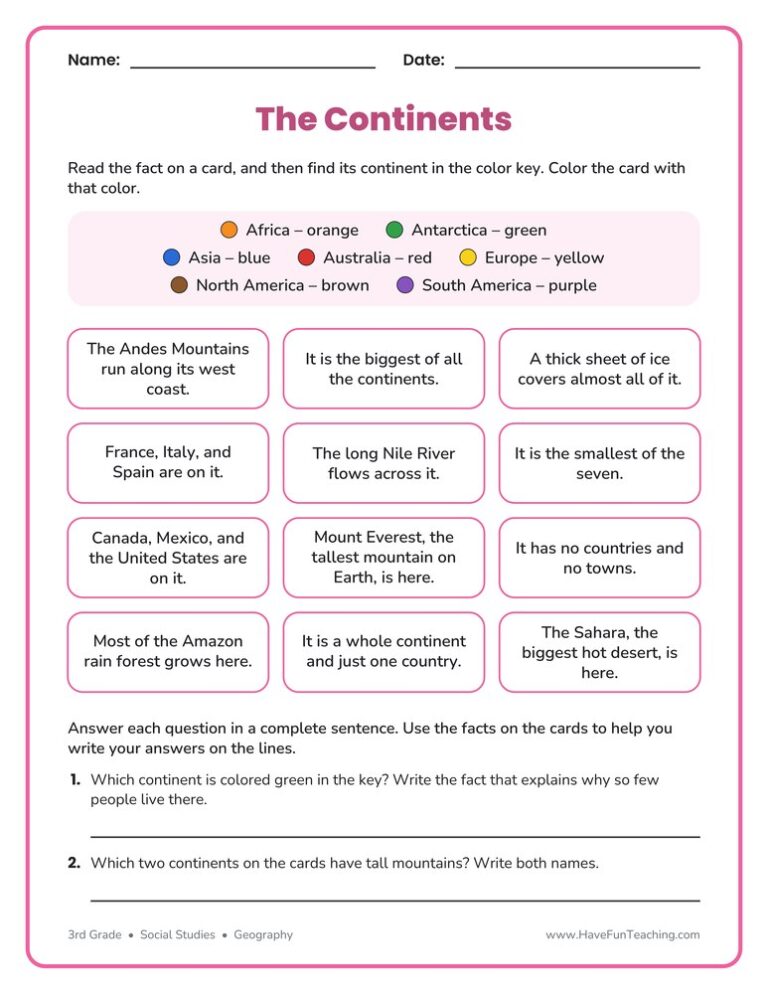
This Coloring Continents Worksheet lets 3rd graders color twelve fact cards by continent and answer two questions using the facts. An answer key is included, so checking the work is quick and easy.
UsingUS State Capitals Pictures Flash Cards, students memorize US State capitals by looking at a picture of the state.

Using this National Parks Activity, students answer questions to find out if they have the same knowledge as a National Park Ranger.
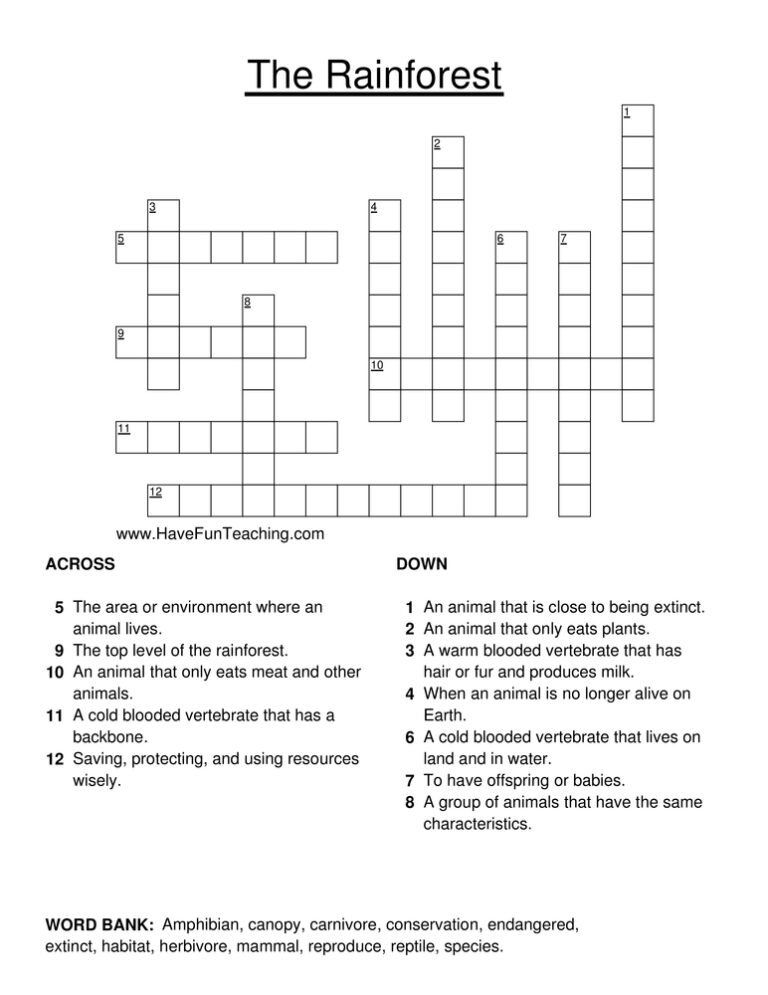
This rainforest crossword puzzle worksheet gives 3rd grade students eight habitat vocabulary words to solve from short science clues, plus one written question. An answer key is included.

This continents worksheet - knowledge gives 3rd graders a short passage about the seven continents plus four multiple-choice questions and a written response. An answer key is included, so every answer comes straight from the page.

Using Color Me Curious Research Writing Activity, students participate in shared research and writing projects to learn about any topic.
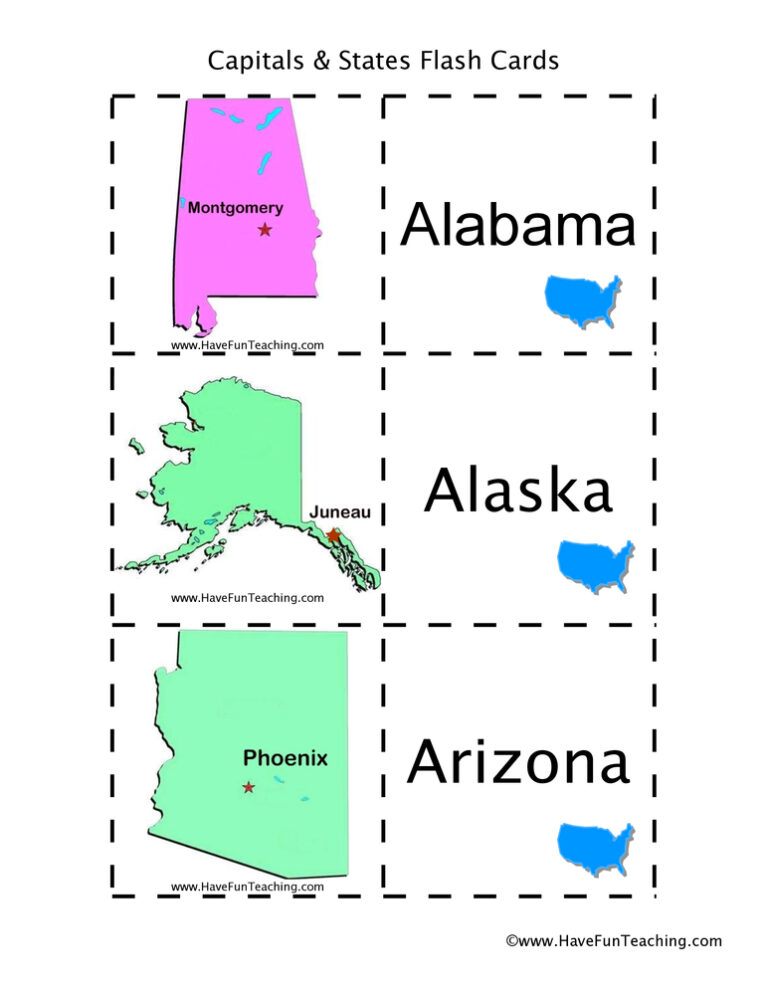
Using US States and Capitals Picture Flash Cards, students memorize US State capitals by looking at a picture of the state.
Using this Survivor Rainforest Edition Activity, students play the survivor board game to test your knowledge of animals and their habitats.
Reviews
There are no reviews yet