
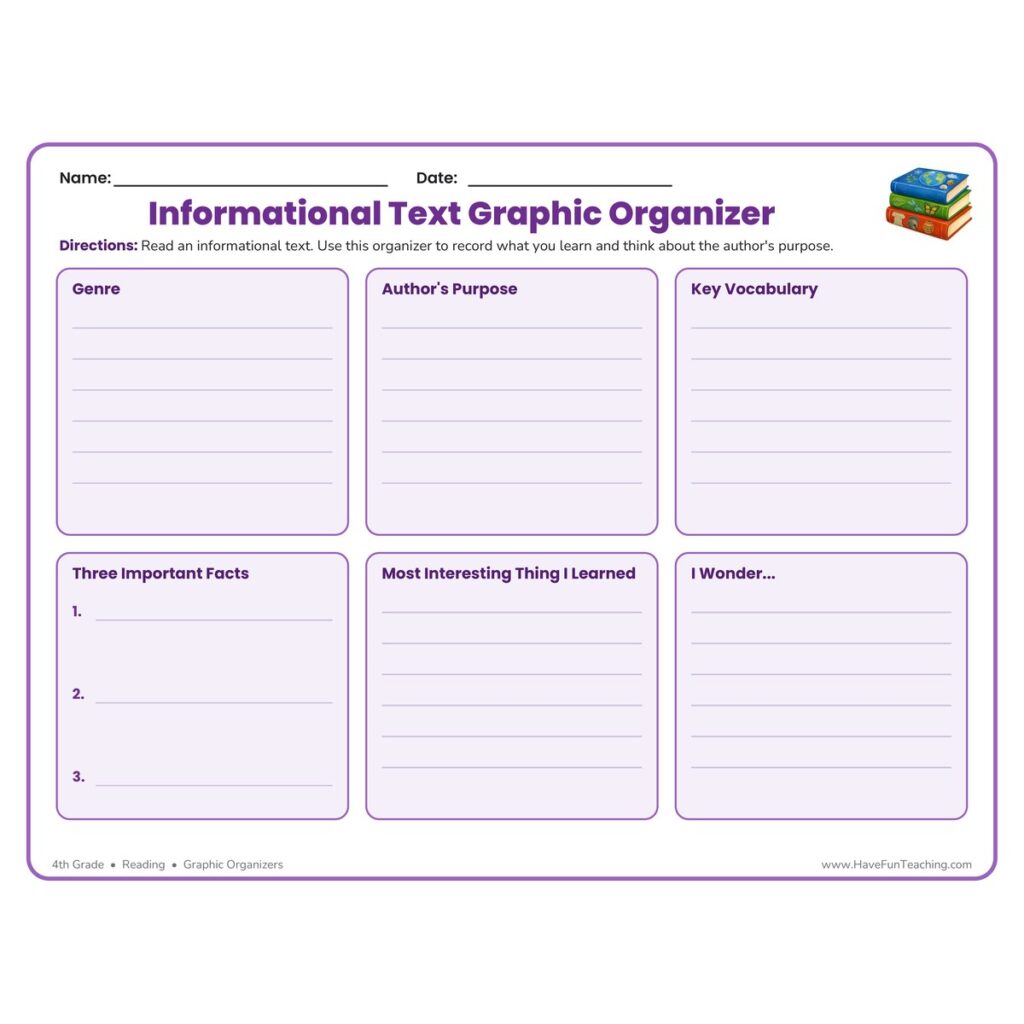
Informational Text Graphic Organizer Worksheet
This Informational Text Graphic Organizer Worksheet gives 4th graders one landscape page to record genre, author’s purpose, key vocabulary, and important facts from any nonfiction text — a reusable, no-prep way to build stronger reading comprehension.
$6.97
Or free with a membership — members pay $3.33/mo for all 10,000+ resources. See plans
Want this one free?
Tell us where to send it and it’s yours — no card, no catch.
One free resource per teacher. We’ll also send free teaching ideas each week — unsubscribe anytime.
Teaching is easier with a membership
Unlimited printables, games & videos for PreK–6th — for your classroom or homeschool. Cancel anytime.
Start your 3-day free trial$0 today · cancel anytime · Instant access to 10,000+ resources
About this resource
Description
Nonfiction reading comes alive when students have a clear plan for capturing what they read, and the Informational Text Graphic Organizer Worksheet gives fourth graders exactly that. As readers work through an article, textbook page, or nonfiction book, they record the genre, the author’s purpose, key vocabulary, and the most important facts all in one place. This informational text graphic organizer worksheet turns passive reading into active thinking, helping students slow down and notice how a text is built and why the author wrote it.
The one-page organizer is divided into six clear sections: Genre, Author’s Purpose, Key Vocabulary, Three Important Facts, Most Interesting Thing I Learned, and I Wonder. Students fill it in during or after reading, which makes it a versatile 4th grade author’s purpose worksheet for guided reading groups, independent centers, or homework. Because the sheet works with any informational text, teachers can use it again and again across science, social studies, and reading, giving students a consistent routine for understanding nonfiction all year long.
What’s Included
- 1 print-ready PDF worksheet (landscape)
- A six-section graphic organizer for any informational text
- Space for genre, author’s purpose, key vocabulary, facts, and questions
There are three reasons this informational text graphic organizer worksheet strengthens comprehension. First, it makes thinking visible: students see genre, purpose, and facts side by side, so they connect ideas instead of collecting them at random. Second, the Author’s Purpose and I Wonder sections push readers beyond recall toward analysis and curiosity. Third, the repeatable format builds independence, because students learn a strategy they can apply to any nonfiction text on their own.
Teachers and parents can extend the learning in simple ways. Ask students to share their “most interesting thing” with a partner and explain why it stood out. Use the completed organizer as a planning tool for a short summary or a nonfiction writing piece. Turn the I Wonder box into a research springboard, letting kids investigate one lingering question. Comparing two texts on the same topic with two organizers is a great way to explore how different authors approach the same subject.
Related Resources
What teachers say
Reviews
You must be logged in to post a review.
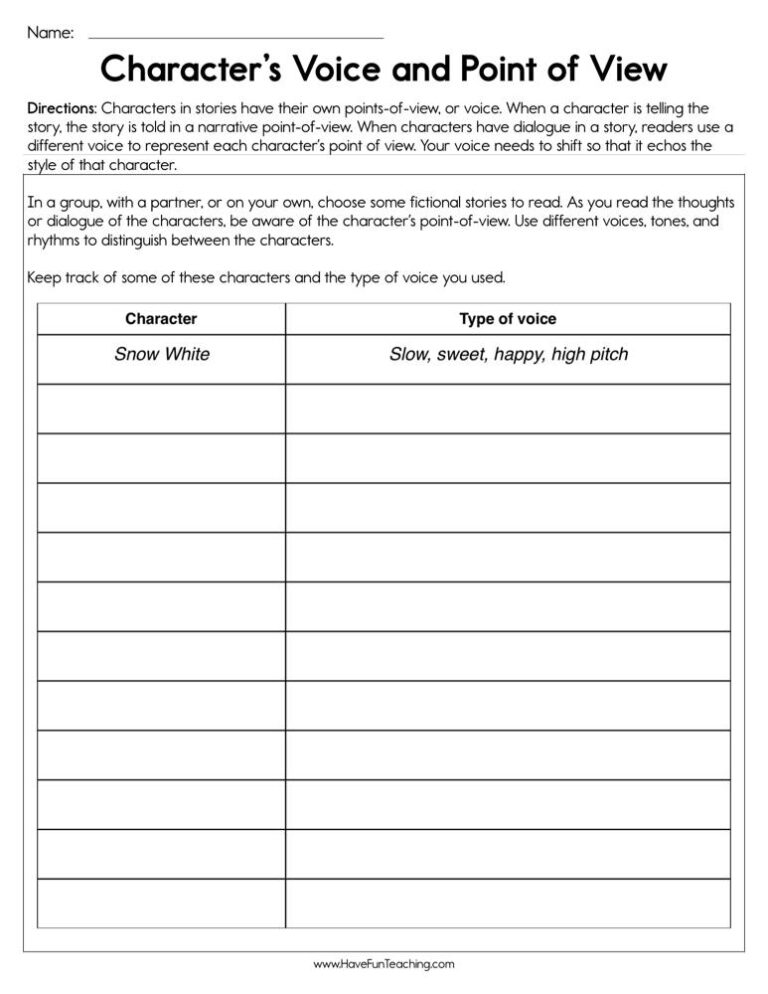
This characters voice and point of view worksheet gives 4th graders four short stories to sort into first person and third person, with text-evidence lines. Answer key included for fast, no-prep reading practice.
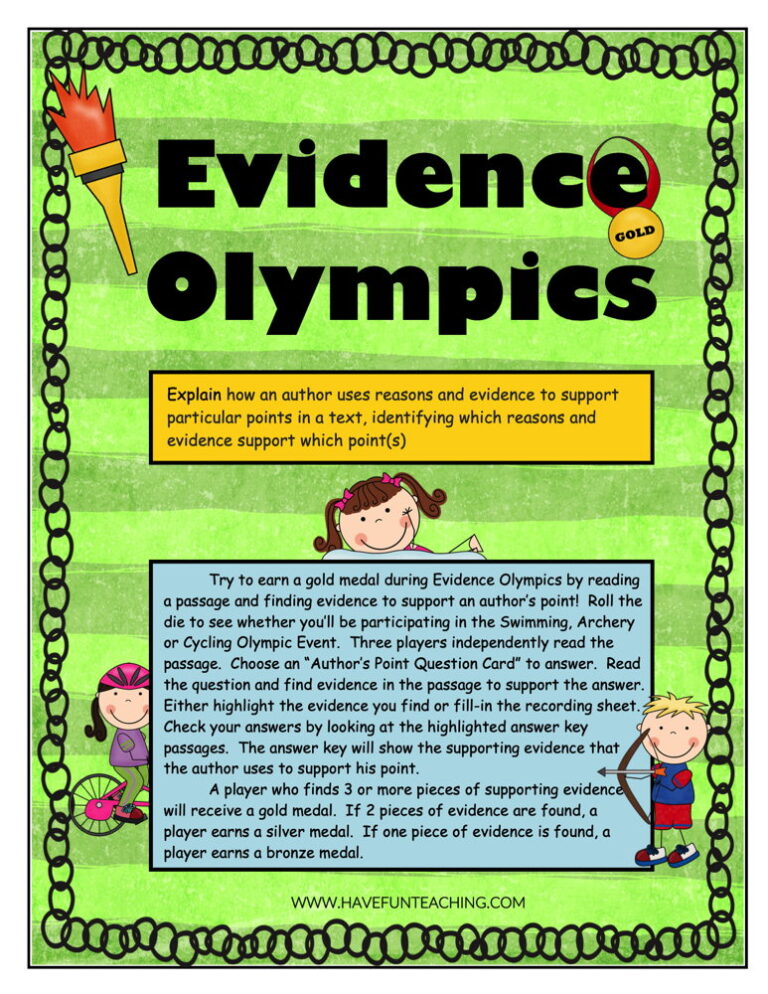
Using this Evidence Olympics Authors Purpose Activity, students try to earn a gold medal during Evidence Olympics by reading a passage and finding evidence to support an author's point.

Using this Reasons and Evidence Activity, students identify the reasons and evidence a speaker provides to support particular points.
Using thisAuthor's Purpose Song, students will remember the three reasons why author's write using this catchy animated song.
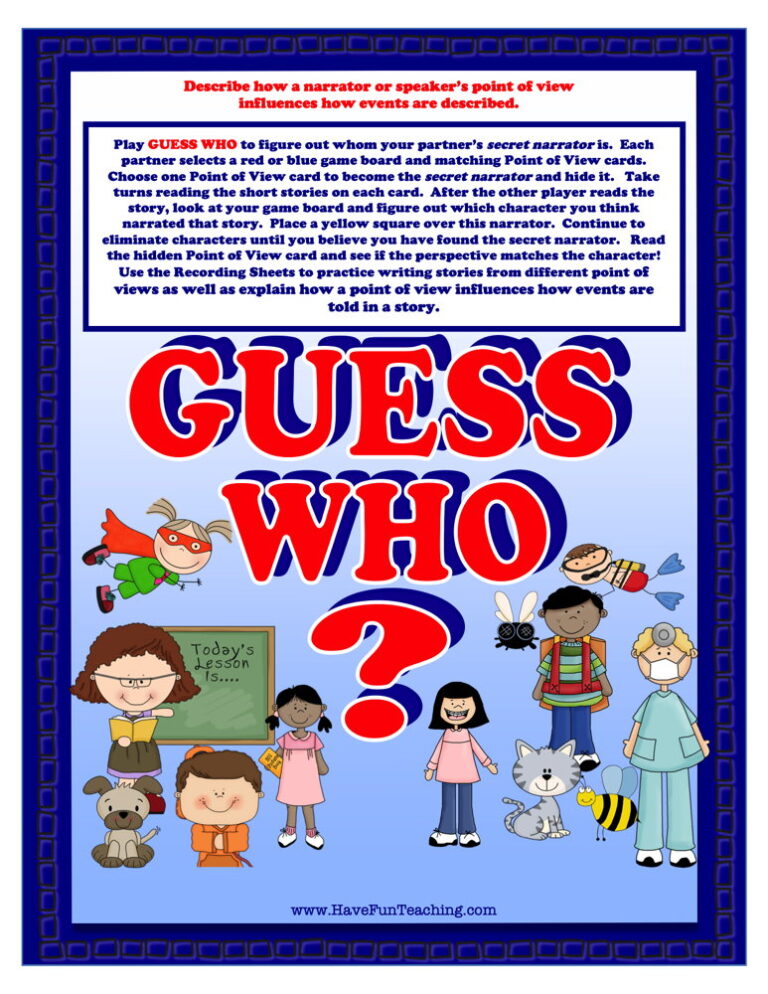
Using this Guess Who Point of View Activity, students identify their partner's "secret narrator" as the partner reads a text card.
Using Comparing Points of View Activity, students distinguish their own point of view from that of the author of a text.
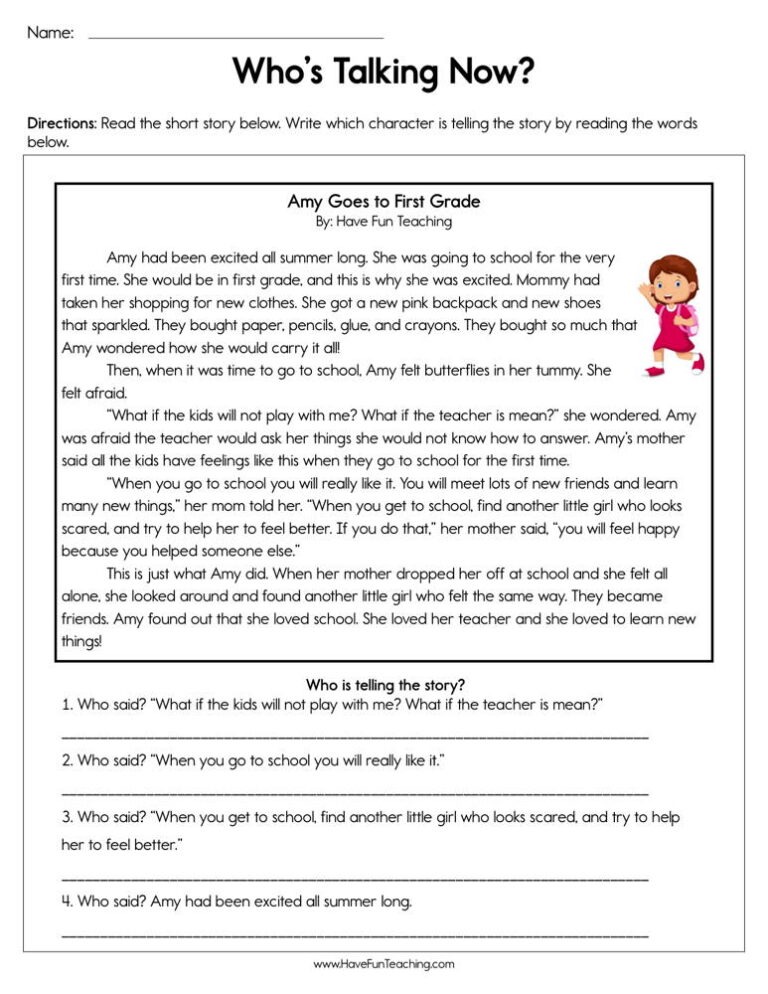
The Who's Talking Now Worksheet gives 4th graders three short stories about one windy morning, told by three different narrators, plus an answer key for quick checking of point of view work.
Using Looking at the Character's Viewpoints Activity, students acknowledge differences in the points of view of characters to gain a different perspective.
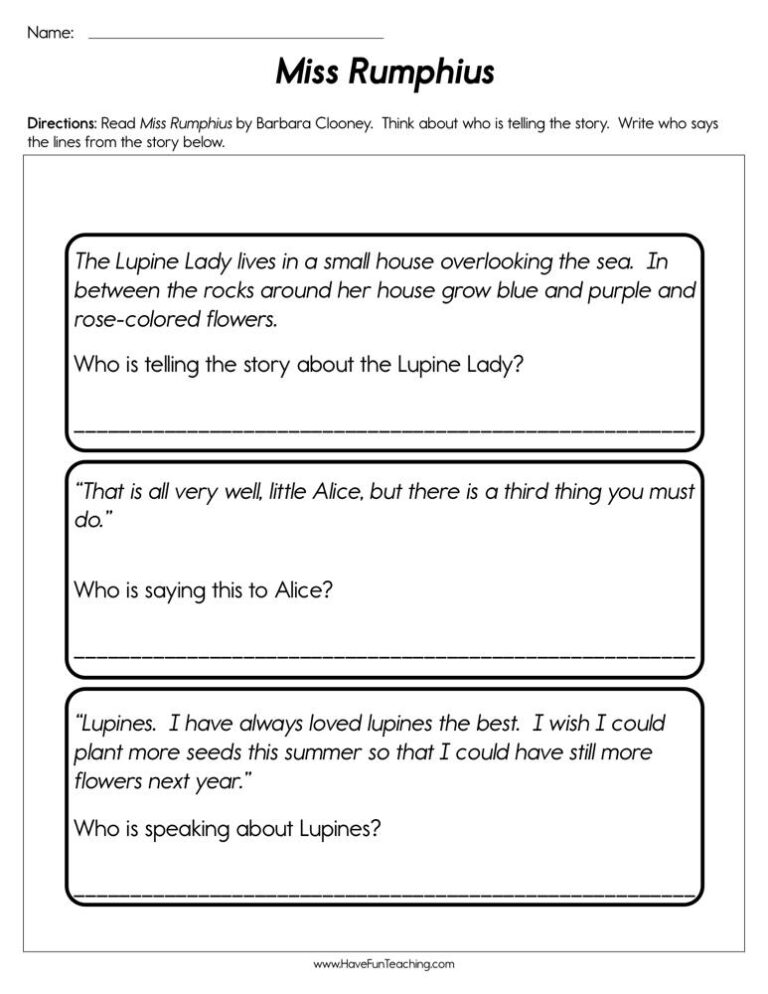
Using Miss Rumphius Point of View Worksheet, students read Miss Rumphius by Barbara Clooney to determine who says the lines from the story.

Using Point of View Activity, students identify who is telling the story at various points in a text.

Using RI.4.8 Fourth Grade Common Core Lesson, students explain how an author uses reasons and evidence to support particular points in a text.

Using Animal Myth Busters Author's Purpose Activity, students read animal myths to explain how an author uses evidence to support points in a text.
Reviews
There are no reviews yet