

Independence Day Reading Comprehension Worksheet
This Independence Day Reading Comprehension Worksheet gives 2nd graders a short Fourth of July story and seven text-based questions, with an answer key included. A no-prep way to build reading skills around a holiday kids already love.
$6.97
Or free with a membership — get this and 10,000+ resources. See plans
Teaching is easier with a membership
Unlimited printables, games & videos for PreK–6th — for your classroom or homeschool. Cancel anytime.
Start your 3-day free trialNo commitment · Cancel anytime · Instant access to 10,000+ resources
About this resource
Description
Reading comprehension is the skill of understanding, remembering, and thinking about what a story actually says, and a holiday story is one of the friendliest ways to build it. This Independence Day Reading Comprehension Worksheet gives 2nd grade students a short, on-level story about the Fourth of July and then asks them to go back into the text to find every answer. Along the way they practice naming the main idea, following the order of events, using context clues to work out the meaning of a new word, and pointing to the exact line that proves their answer is right.
This 2nd grade 4th of July worksheet is a three-page printable. Page one holds the story, titled Independence Day, together with a full-color watercolor scene of two children watching a small-town parade go by. Page two holds seven questions: four fill-in-the-bubble multiple choice items, one fill-in-the-blank sentence, and two short written responses with plenty of room to write. Page three is the complete answer key. Print it, hand it out, and let students read the story once on their own before they begin answering.
What’s Included
- 1 print-ready PDF worksheet
- Answer key
- An original Fourth of July story with a full-color illustration
- 4 multiple choice questions, 1 fill-in-the-blank, and 2 short response questions
There are three clear reasons this Independence Day Reading Comprehension Worksheet helps children learn. First, the passage is written and measured at a true 2nd grade reading level, so students can spend their energy thinking about meaning instead of struggling to decode hard words. Second, every single question can be answered from the text itself, which trains students to look back and find evidence rather than guess from memory. Third, the mix of question types matches the way reading is actually tested, so the practice here carries straight over to classroom assessments.
Teachers and parents can stretch this lesson in a few easy ways. Read the story aloud together first and let children retell it in their own words before they write anything down. Ask them to underline the sentence that answers each question, then compare underlines with a partner. Have students draw their own picture of the Fourth of July and write two sentences about it. You can also build a simple timeline of the story on a strip of paper, or invite children to interview a family member about a holiday their own family celebrates.
Related Resources
What teachers say
Reviews
You must be logged in to post a review.
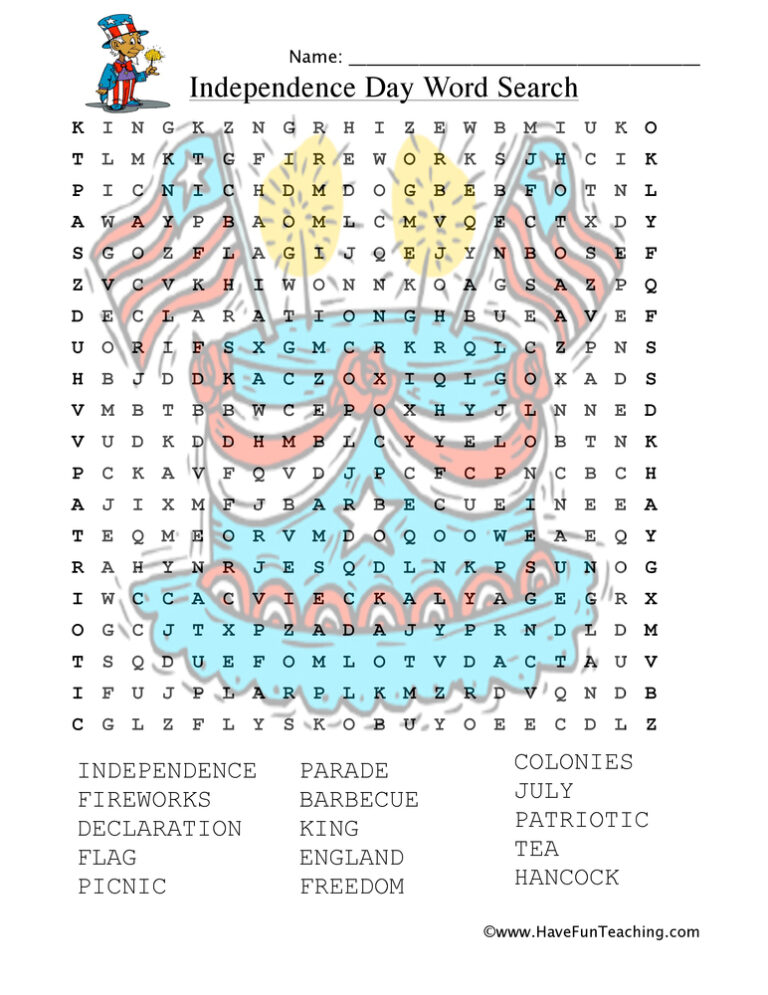
This Independence Day Word Search Worksheet is a fun way for students to celebrate Fourth of July and learn about July 4th vocabulary!

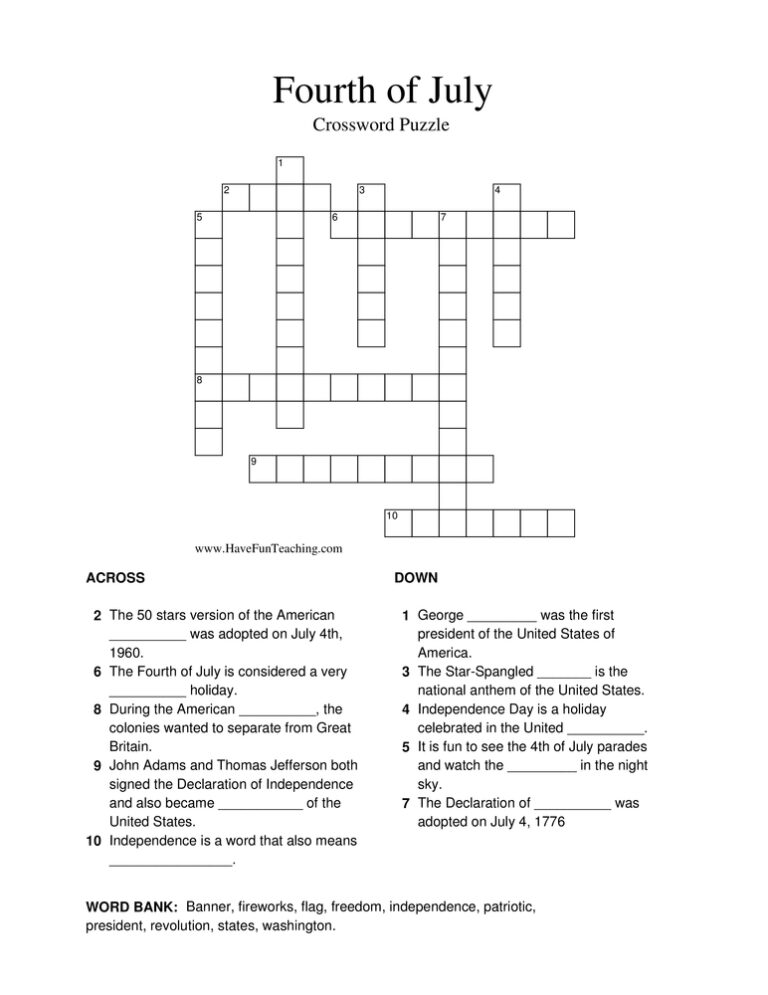
Enjoy learning about Independence Day by solving this 4th of July Crossword Puzzle using ten clues and a provided word bank!

Using this Flag Day Writing Paper, you will be able to showcase your students' Flag Day writing to create a decorative, final draft.

Happy Birthday America - Reading Comprehension Worksheet. This reading comprehension worksheet is for teaching and learning about Reading.
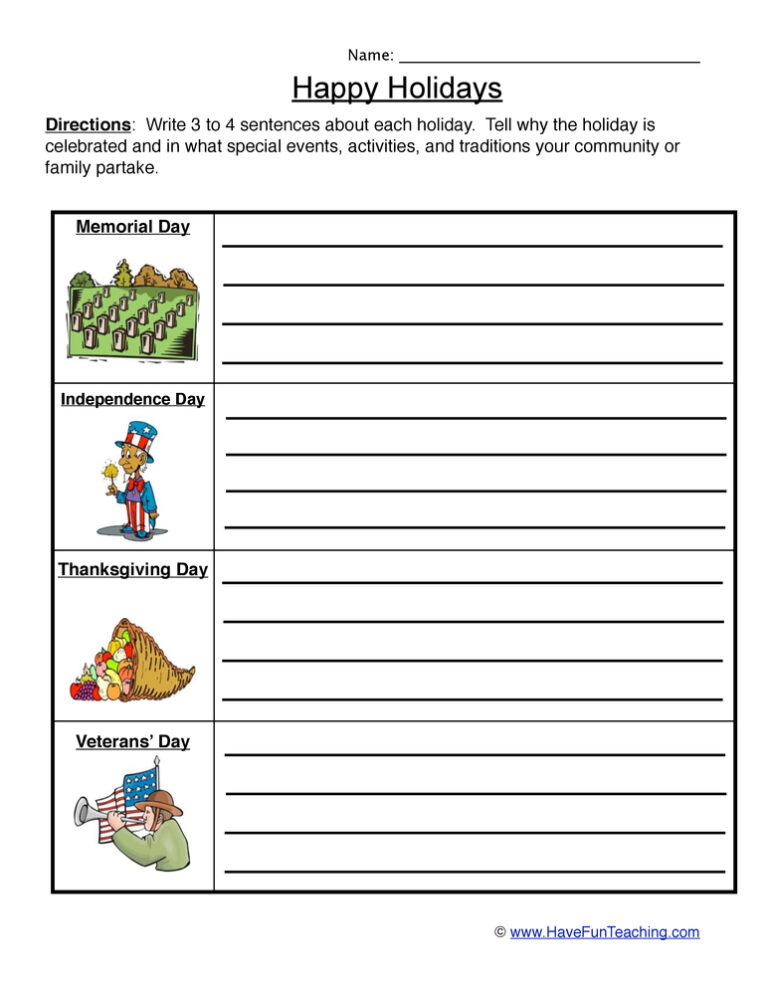
Using Patriotic Holidays Worksheet, students write about the patriotic holidays: Memorial Day, Independence Day, Veteran's Day, and Thanksgiving.

Using this 4th of July Red, White, and Blue Writing Paper, you will be able to showcase your students' Fourth of July writing to create a decorative, final draft.
This Independence Day Reading Comprehension Digital Worksheet is an online digital worksheet for Google Classroom & online distance learning.

Using this Writing an Independence Day Letter Worksheet, students write a letter using blank friendly letter template with some simple graphics.

Using Happy Holidays National Holidays Activity, students learn about the many holidays that are celebrated by different cultures.

This 4th of July Clip Art set is a perfect addition to any 4th of July bulletin board, flyer, or other printable that you create to celebrate the holiday!
Reviews
There are no reviews yet