
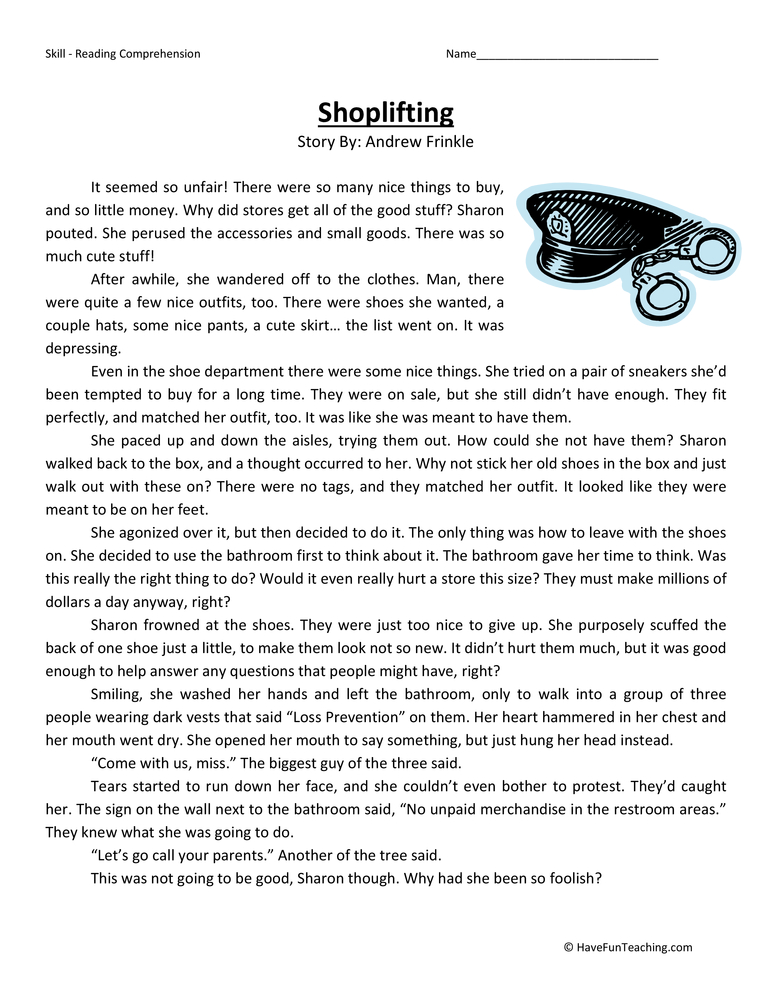
Shoplifting Reading Comprehension Worksheet
This shoplifting reading comprehension worksheet gives 3rd Grade students an original informational passage about the honest trade a store runs on, with six questions and an answer key that build evidence-based reading.
$6.97
Or free with a membership — members pay $3.33/mo for all 10,000+ resources. See plans
Want this one free?
Tell us where to send it and it’s yours — no card, no catch.
One free resource per teacher. We’ll also send free teaching ideas each week — unsubscribe anytime.
Teaching is easier with a membership
Unlimited printables, games & videos for PreK–6th — for your classroom or homeschool. Cancel anytime.
Start your 3-day free trial$0 today · cancel anytime · Instant access to 10,000+ resources
About this resource
Description
This shoplifting reading comprehension worksheet teaches third graders what a store actually is: a place that runs on an honest trade. Children hear the word shoplifting long before anyone explains the exchange it breaks. Items on a shelf belong to the shop until somebody pays for them, and that one sentence is the whole idea. Building the lesson on the trade rather than on a scary story keeps the topic calm, age-appropriate and easy to discuss in a classroom.
The passage on this shoplifting reading comprehension worksheet is an original informational text of 220 words, written to the third-grade band and measured for reading level rather than guessed at. It walks through the exchange at the counter, then explains what an unpaid item costs a small shop and the neighbors who shop there, and it closes on what honest shoppers do: keep purchases in a cart or basket, check pockets and bags at the door, and bring back anything found later. The questions page follows with four fill-in-the-bubble items, a vocabulary-in-context item, and a written response, and the answer key repeats the page with the correct bubbles filled.
What’s Included
- 1 print-ready PDF worksheet
- 1 original 220-word informational passage with a full-page illustration
- 4 multiple-choice questions covering cause and effect, inference and main idea
- 1 vocabulary-in-context item and 1 short written response with lined writing space
- 1 answer key that mirrors the questions page exactly
Three Ways This Helps Kids Learn
First, the passage is informational, so students practice pulling evidence out of a text that explains rather than entertains — the kind of reading state assessments lean on hardest. Second, the questions move past recall: three of the four ask why something happens, which is what this 3rd grade character education worksheet is really training. Third, the character lesson arrives through reasoning instead of a warning. A child who can explain how one unpaid item raises prices for every shopper in town has understood honesty as fairness to other people, not just as a rule to obey.
Ideas for Teachers and Parents
Read the first paragraph aloud and stop at the counter, then ask the class to describe the trade in their own words before reading on. Role-play the exchange with classroom items and play money so the handover is something students have done, not just read about. At home, hand your child the basket at the checkout and let them watch each item get scanned and paid for. Older students can write a short paragraph about a time being honest was hard, or make a poster showing the steps an honest shopper takes from shelf to door.
Related Resources
What teachers say
Reviews
You must be logged in to post a review.
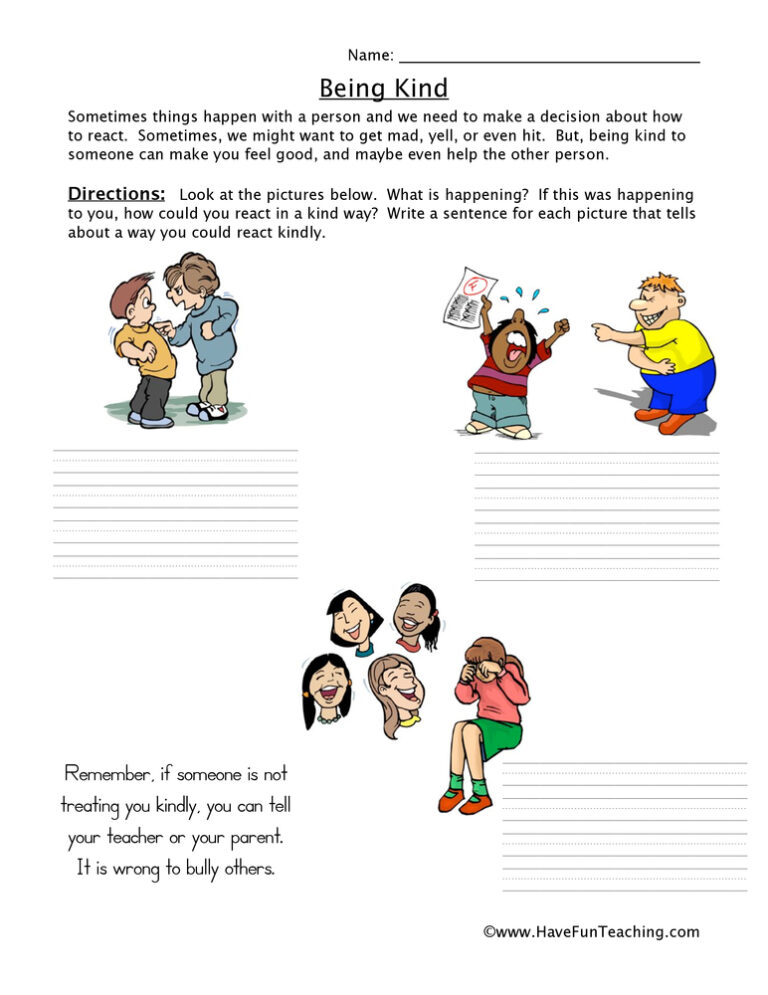
Using this Bullying Worksheet, students write a description explaining how the person could have reacted in a kind way rather than a mean way.

UsingGood Morning Song (MP3), students will have a great day at school after listening to this song in their morning circles.
The Community Song teaches kids how to be a good citizen in the community. This is a fun citizenship song that teaches kids about being a citizen and being part of their community.

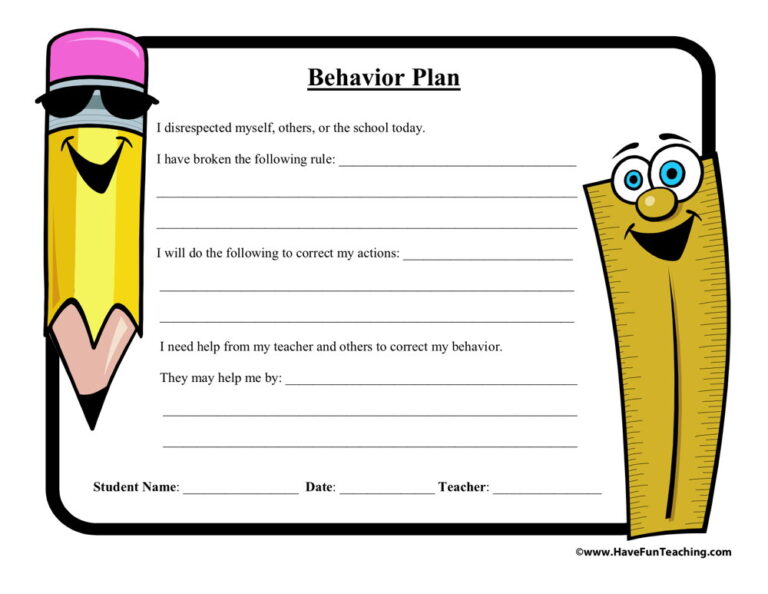
Using these Student Behavior Plan Worksheet, students fill out this form when they have broken a classroom rule or procedure.

This good citizenship worksheet has 3rd graders match six citizenship traits to their meanings, name the trait in three illustrated people examples, and explain their thinking. Answer key included for fast, no-prep character education practice.

Using the Respect Song (Classroom Mix Version), students learn how to treat each other with respect at home and at school while listening to a song.

Using the Caring Song, students learn how to care for others at home. This song will help build confidence and your kids will want to show kindness to others. Our students need a lot of practice and examples of how to treat each other kindly. This song will help your…
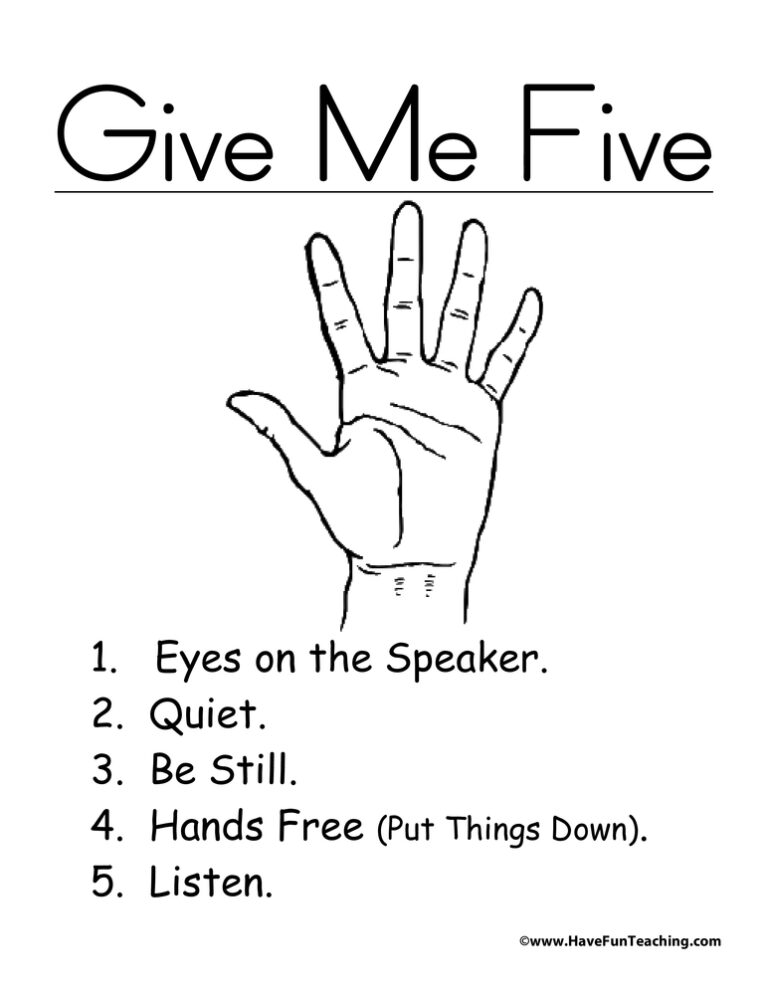
UsingGive Me Five Poster, students can know what to do when they hear their teacher say "Give me Five" and follow directions.
Using the Student of the Week Reward Certificate, your student will feel celebrated and recognized for doing good deeds in and outside of the classroom.
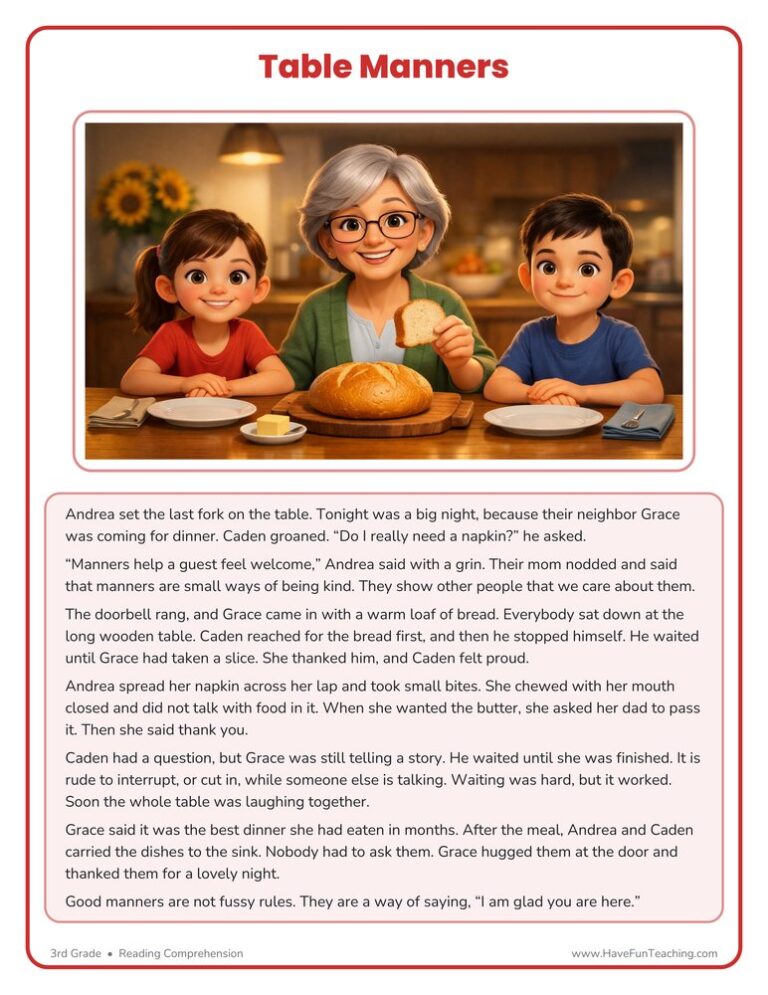
Build reading skills and good character at the same time with this table manners reading comprehension worksheet. Third graders read an original dinner-table story and answer text-based questions. Answer key included for quick, no-prep practice.




Reviews
There are no reviews yet