

Texas Word Search Worksheet
A Texas word search worksheet for 3rd grade that hides ten state words, then asks students to use them in sentences and a short written response. Answer key included for quick, no-prep social studies practice.
$6.97
Or free with a membership — members pay $3.33/mo for all 10,000+ resources. See plans
Want this one free?
Tell us where to send it and it’s yours — no card, no catch.
One free resource per teacher. We’ll also send free teaching ideas each week — unsubscribe anytime.
Teaching is easier with a membership
Unlimited printables, games & videos for PreK–6th — for your classroom or homeschool. Cancel anytime.
Start your 3-day free trial$0 today · cancel anytime · Instant access to 10,000+ resources
About this resource
Description
Learning about the fifty states starts with the words that make each one special, and this Texas Word Search Worksheet gives third graders a fun way to meet them. Texas has its own capital city, its own state flower, its own famous buildings, and its own farm and ranch products. When students hunt for those words letter by letter, they slow down and really look at how each one is spelled, which is exactly what makes state vocabulary stick.
This 3rd grade states worksheet opens with a Word Bank of ten Texas terms — Austin, the Alamo, the bluebonnet, the longhorn, the armadillo, the pecan, cotton, cattle, the prairie, and Houston — and a ten-by-ten puzzle grid where every word hides across, down, or on a diagonal. Students circle each word they find, then use that same Word Bank to complete four sentences about Texas geography and state symbols. A short written response at the bottom asks them to pick one Texas plant or animal and explain why it belongs to the state, so the page finishes with thinking rather than searching.
What’s Included
- 1 print-ready PDF worksheet
- Answer key
- 1 ten-word puzzle, 4 fill-in-the-blank sentences, and 1 short written response
There are three reasons this Texas Word Search Worksheet helps students learn. First, searching for a word forces close attention to spelling patterns, so unfamiliar names like Alamo and bluebonnet become familiar instead of intimidating. Second, the fill-in-the-blank section moves those same ten words from recognition into recall, which is the step that turns a puzzle into real vocabulary work. Third, the written response asks for a reason rather than just an answer, so students practice supporting an idea with something they actually know about the state.
Teachers and parents can stretch the activity in a few easy ways. Hang a United States map on the wall and have students point to Texas before they start, then mark the two cities from the Word Bank. Turn the page into a research warm-up by asking each student to find one more Texas fact and add an eleventh word to the bank. Small groups can trade papers and quiz each other on the four sentences, and a quick class chart of state flowers, state birds, and state mammals lets students compare Texas with the state they live in.
Related Resources
What teachers say
Reviews
You must be logged in to post a review.
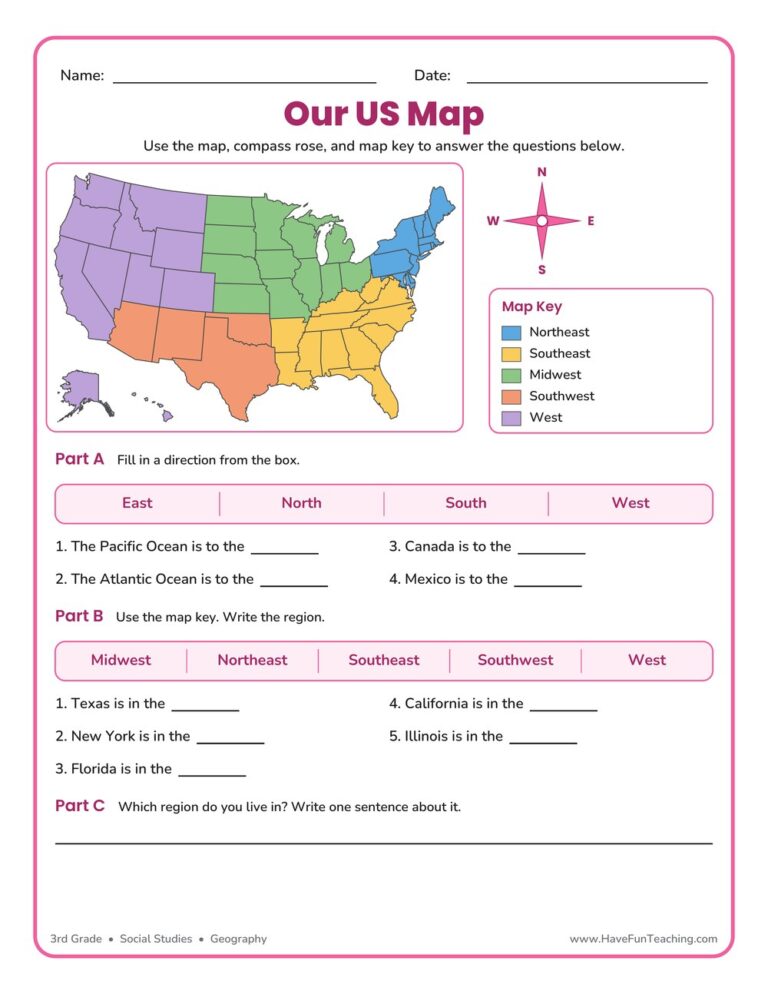
This US Map Worksheet helps 3rd grade students name the five regions of the United States, use a compass rose, and read a map key. An answer key is included, making map skills easy and fun to practice.
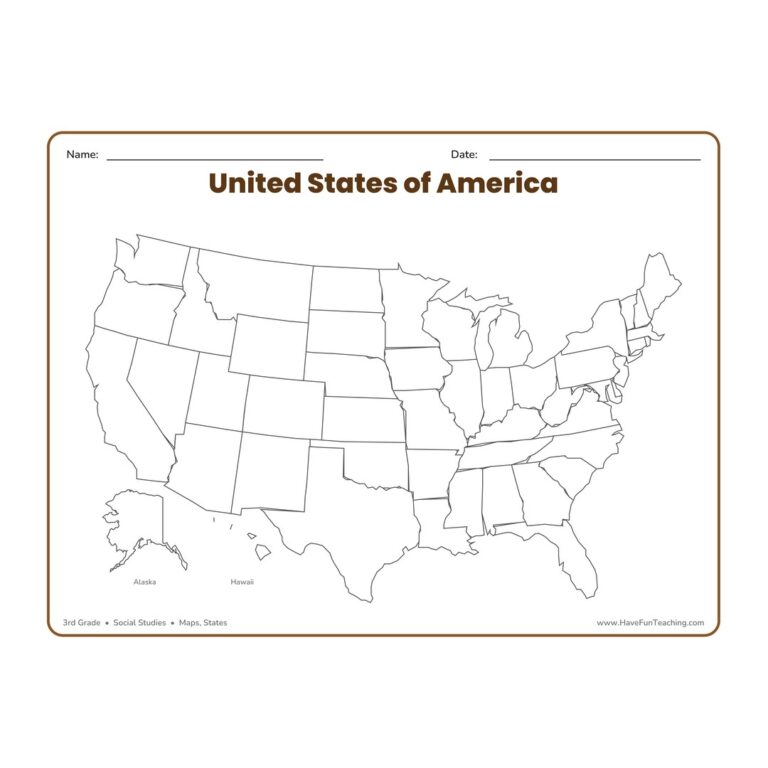
The United States Blank Map Worksheet gives 3rd graders a full, landscape outline map of the USA with all fifty states left blank and ready to label, color, or study for hands-on geography and map-skills practice.
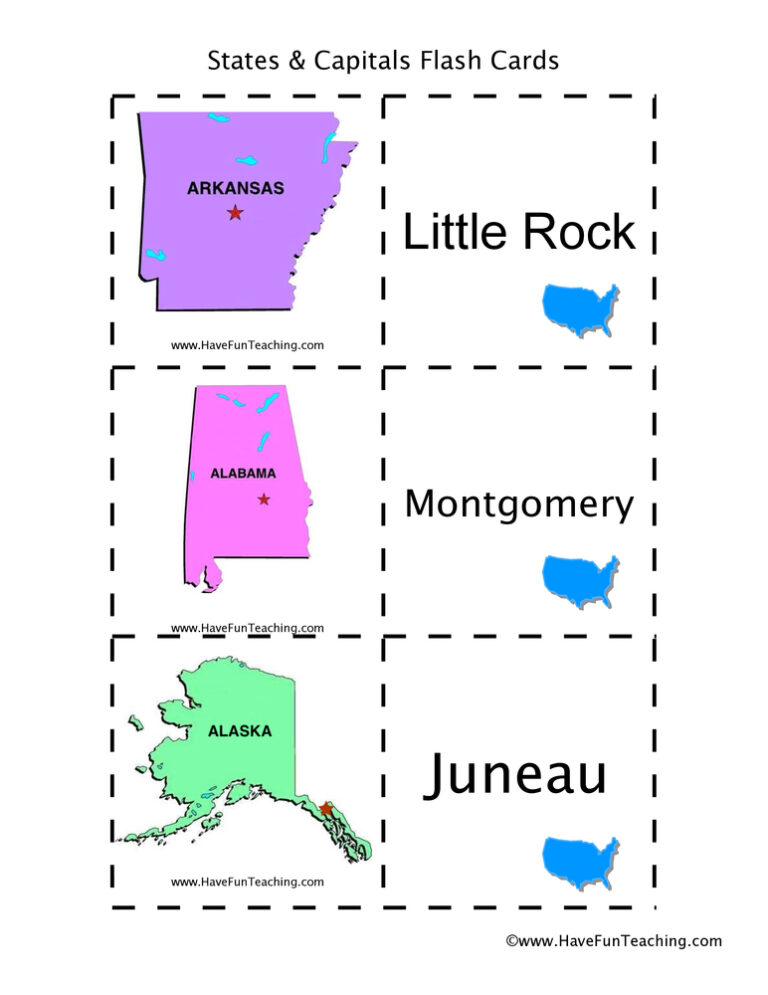
Using US States and Capitals Flash Cards, students memorize US State capitals by looking at a picture of the state.

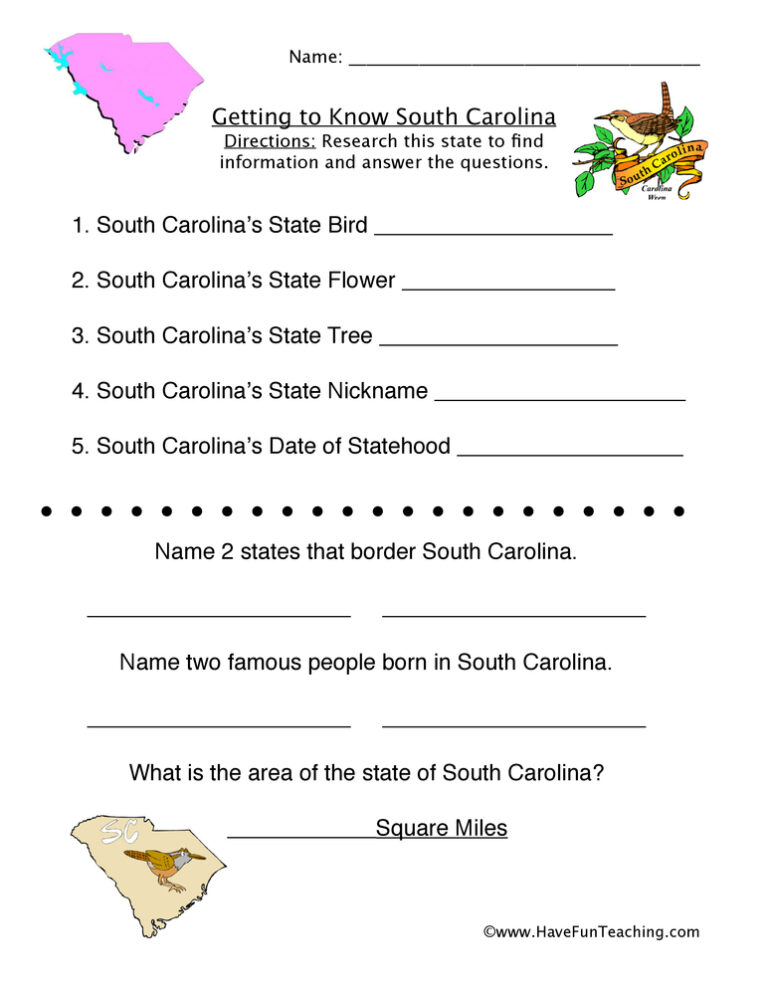
This South Carolina Worksheet gives 3rd Grade students a short nonfiction passage about the Palmetto State, four bubble questions and one written response, with an answer key included, so every fact is right on the page.
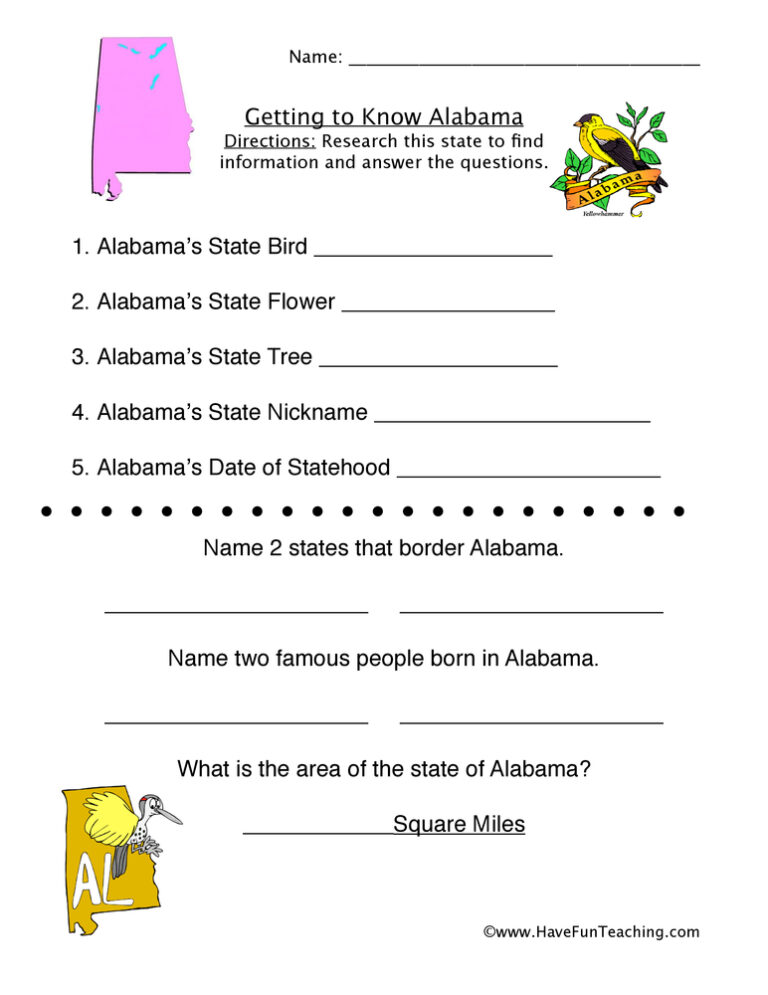
This Alabama worksheet pairs a short third grade passage about the state with four bubble questions and a written response, and every answer is right there in the text.
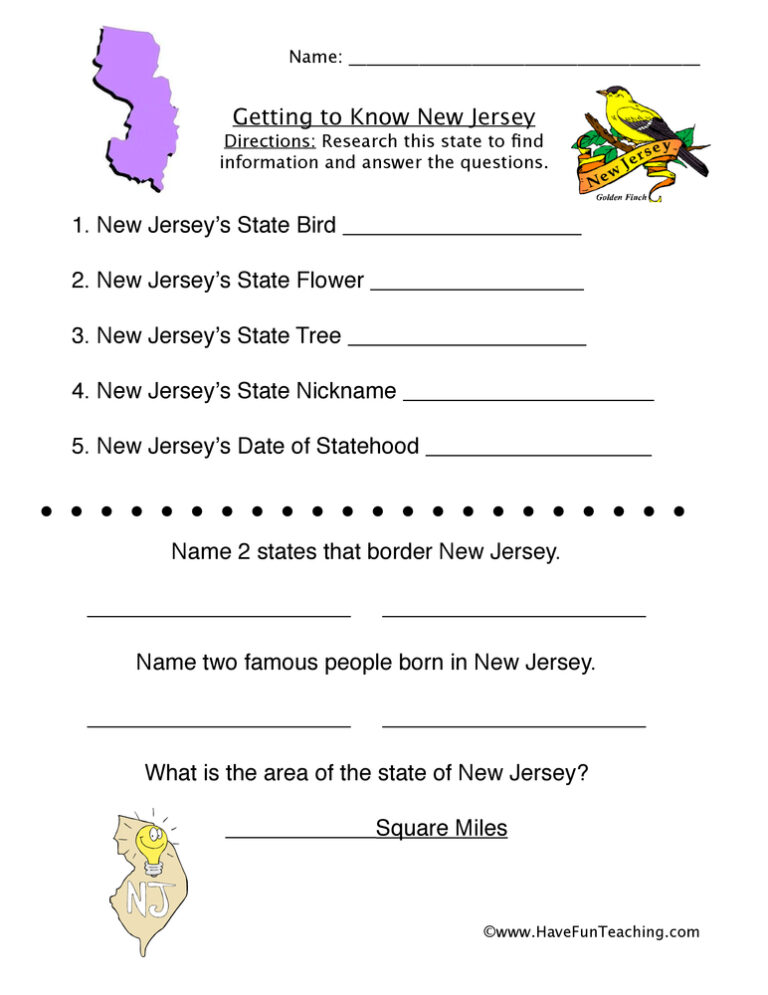
This New Jersey Worksheet gives 3rd Grade students a short nonfiction passage about the Garden State, four bubble questions and one written response, with an answer key included, so every fact sits right on the page.

This Florida Worksheet gives 3rd graders a state Fact File, four short-answer questions, and a map activity that names the states bordering Florida. An answer key is included, so state study needs no prep.
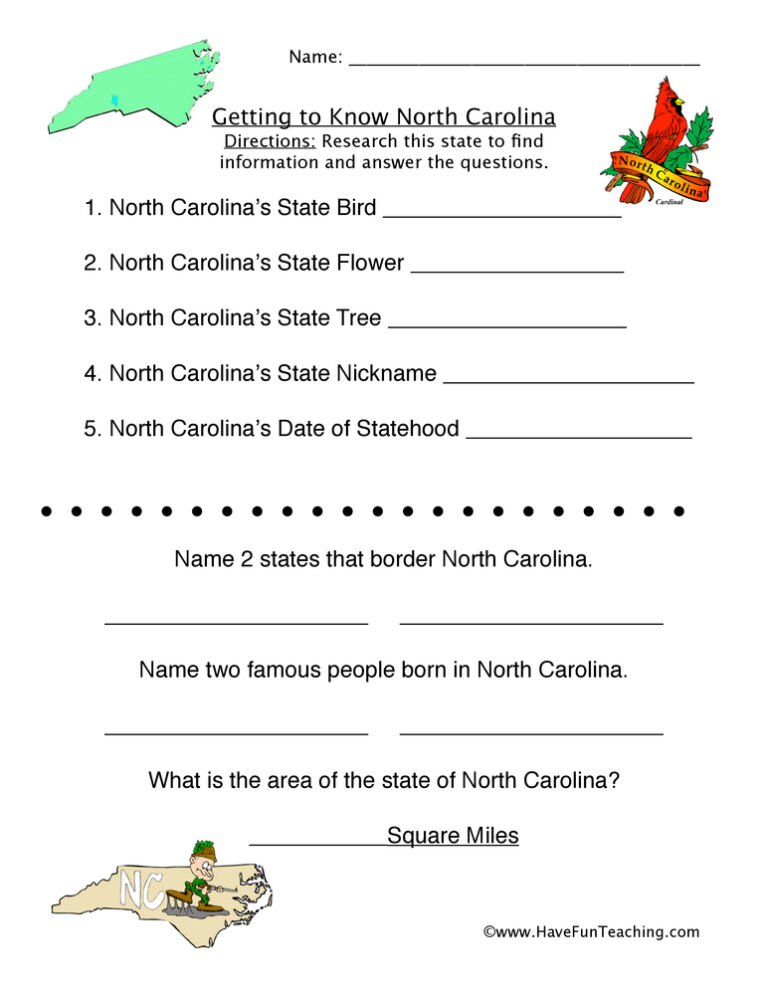
This North Carolina worksheet gives 3rd grade students a short nonfiction passage about the state and five questions that send them back to the text for evidence. An answer key is included.

This New York worksheet gives 3rd Grade students a short non-fiction passage about the Empire State, four multiple choice questions, one written response, and an answer key, so state facts come from real reading.

A Hawaii Worksheet for 3rd grade social studies, with a short passage on the islands, statehood, the state bird and the state flower, plus questions and a written response. An answer key is included.
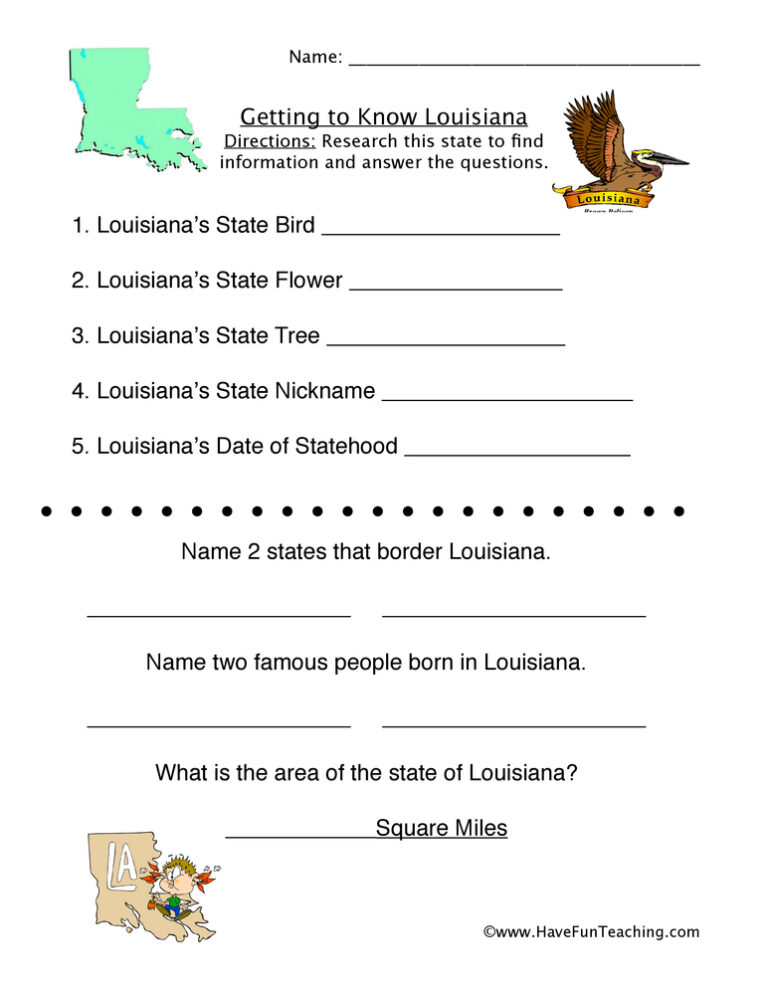
This Louisiana Worksheet gives 3rd grade students a word bank of state facts to sort into six categories, plus two written questions about the Pelican State. An answer key is included.

Reviews
There are no reviews yet