
Skip to content
Start My 3 Free Days $0 today · cancel anytime

5th Grade Prefixes Resources

2 5th grade prefixes resources: 1 game and 1 worksheet. How teachers use these

5th Grade Prefixes Resources

2 5th grade prefixes resources: 1 game and 1 worksheet. How teachers use these

Game
Game5th GradeAdvanced Roots and Affixes Game

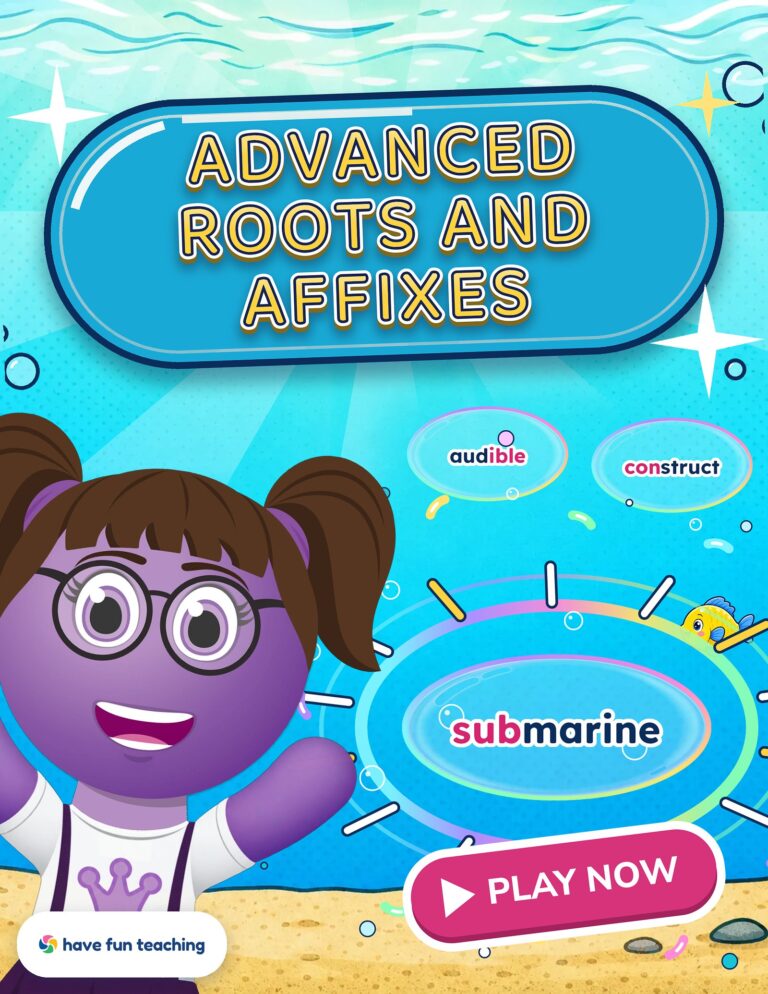
An underwater bubble game where 5th grade kids read each clue and pop the bubble with the matching word, using Greek and Latin roots, prefixes and suffixes. Play online on any phone, tablet, Chromebook or computer.

Worksheet
Worksheet5th GradePrefixes List Worksheet

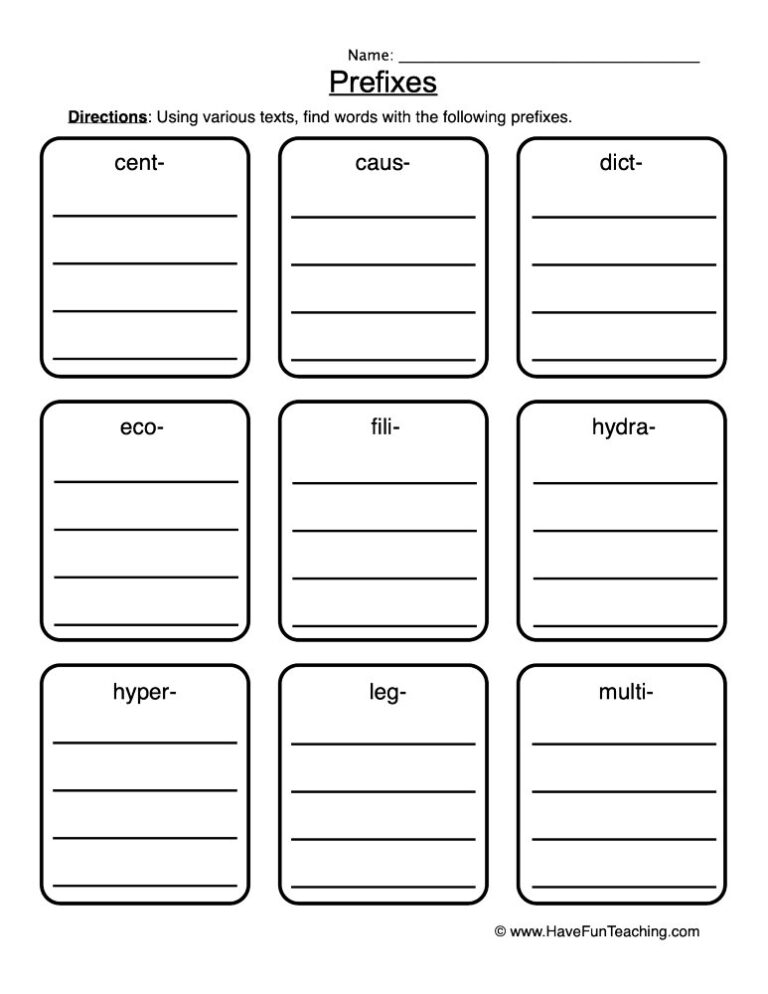
This prefixes list worksheet has 5th graders remove Greek and Latin prefixes like micro-, semi- and trans- to find base words, then match words to meanings. An answer key makes checking easy.

From our teachers' playbook

Small word parts, big word power

What do 5th graders learn about prefixes?

By 5th grade, kids already know easy prefixes like un- and re-. Now they add Greek and Latin ones such as inter-, trans-, sub-, anti- and mis-, and use them to figure out words they have never seen. trans + port = carry across. They also learn that a prefix changes meaning but not spelling: mis + spell = misspell, with both s letters kept. The click comes when a tricky science or social studies word suddenly cracks open.

Our favorite ways to make prefixes stick

Prefixes stick when kids take words apart and put them back together. Here is what works in our upper-grade rooms.

Word part cards

Give kids prefix cards and base word cards and let them build real words: sub + marine, inter + national. Each new word gets a quick definition in their own words. Bonus points for spotting one that is not a real word and explaining why.

Why it works: going from real objects to pictures to symbols is a core recommendation of the U.S. Department of Education's elementary math guide.

Prefixes List WorksheetTry it withPrefixes List WorksheetWorksheetsOpen it →

Race the roots

Play turns practice into a challenge. Kids match prefixes and roots against the clock, then explain one tricky match to a partner. The talking part is where the meaning really sinks in.

Why it works: playful practice with a clear goal keeps kids practicing longer, and simple learning games have been shown to build real skills (Ramani and Siegler, 2008).

Advanced Roots and Affixes GameTry it withAdvanced Roots and Affixes GameGamesOpen it →

Prefix of the week

Post one prefix each Monday and add every word kids find with it in their reading. On Friday, review last month's prefixes too. Short, repeated visits beat one big unit.

Why it works: short practice spread over several days beats one long session, according to a large review of learning research (Dunlosky and colleagues, 2013).

What's on this page

Teacher favorites right now: Advanced Roots and Affixes Game and Prefixes List Worksheet.

Questions teachers and parents ask about 5th grade prefixes

What prefixes should a 5th grader know?

Common ones include un-, re-, dis-, pre-, mis-, non-, in-, im-, sub-, inter-, trans-, super- and anti-. Fifth graders also start to notice Greek and Latin parts in content words.

How do prefixes help with reading?

A prefix gives a strong clue about a word's meaning. If a child knows that inter- means between, words like interstate and interact make sense right away.

What is the difference between a prefix and a suffix?

A prefix goes at the beginning of a base word and usually changes its meaning. A suffix goes at the end and often changes the word's part of speech, like teach to teacher.

How can I practice prefixes at home?

Pick one prefix and hunt for it in a book, cereal box or news article together. Then talk about what the prefix adds to each word. Five minutes a few times a week works well.



