Skip to content
Start My 3 Free Days $0 today · cancel anytime

1st Grade Antonyms Resources

4 1st grade antonyms resources: 3 activities and 1 worksheet. How teachers use these

1st Grade Antonyms Resources

4 1st grade antonyms resources: 3 activities and 1 worksheet. How teachers use these

Worksheet
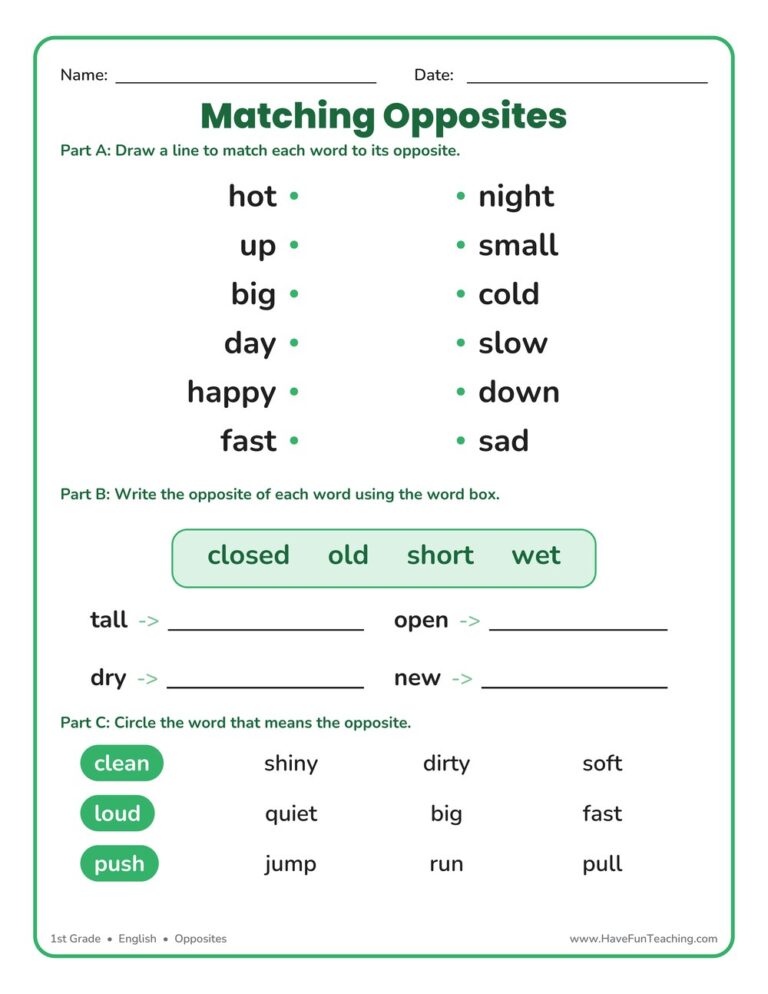
Worksheet1st GradeMatching Opposites Worksheet

This Matching Opposites Worksheet gives 1st grade students fun practice matching, writing, and choosing opposite words. An answer key is included to build early vocabulary and word skills with confidence.

Activity
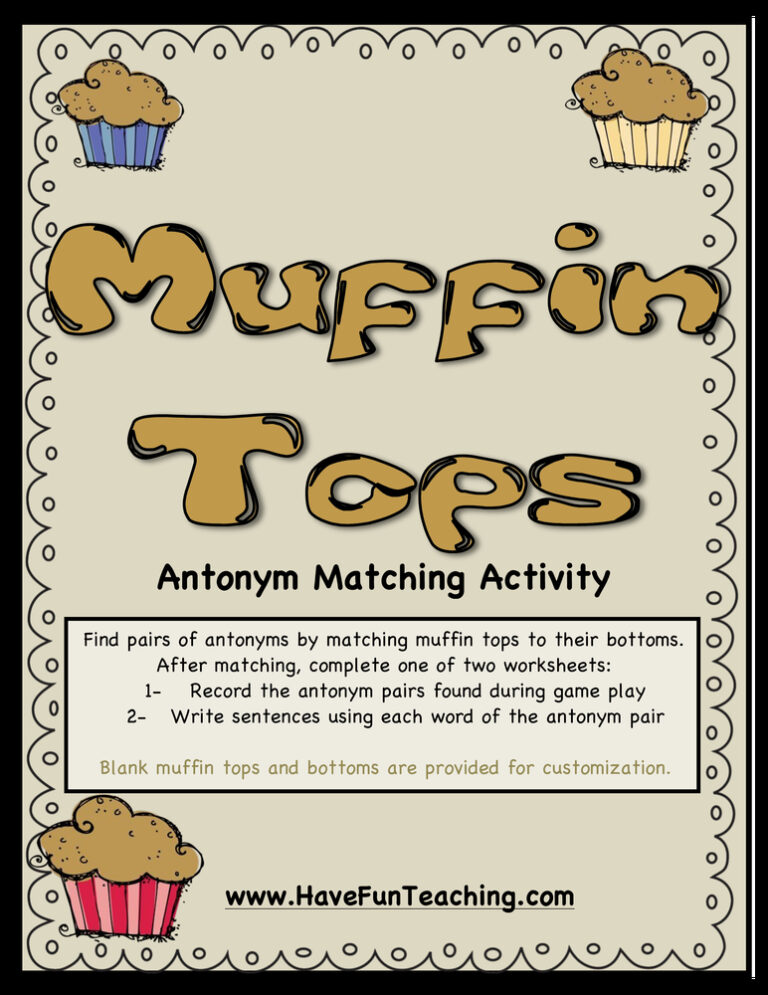
Activity1st GradeMuffin Tops Antonyms Activity

Using this Muffin Tops Antonyms Activity, students match the cards to make antonym pairs of opposite meanings.

Activity
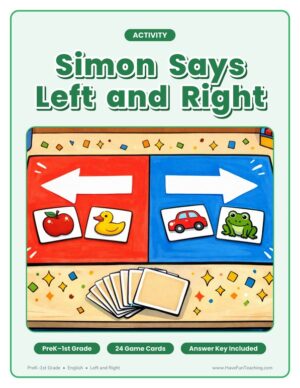
Activity1st GradeLeft and Right Simon Says Opposites Activity

Play the Left and Right Simon Says Opposites Activity with preschool to 1st grade: move picture cards to the correct side of the mat. Practice page and answer key included.

Activity
Activity1st GradeTop and Bottom Toys Edition Opposites Activity Board Game

This top and bottom toys edition opposites activity board game helps preschool to 1st grade students use top, middle and bottom with a toy shelf, spinner and cards. Answer key included.

From our teachers' playbook

Word partners that mean the opposite

What do 1st graders learn about antonyms?

Antonyms are words with opposite meanings, like hot / cold, open / close and happy / sad. In 1st grade, kids learn the word "antonym" and start using opposites to understand and describe words more clearly. They act out pairs of verbs, like push and pull, and pick strong opposite adjectives for their writing. They also learn that thinking of a word's opposite can help them figure out what a new word means. The click moment comes when a child reads "The giant was enormous" and says, "So the opposite is tiny!"

Our favorite ways to teach antonyms in 1st grade

First graders already know many opposites. Now we give them the word for it and use it in reading and writing.

Match the partners fast

Put two columns of words on the board and give kids one minute to draw lines between the antonym pairs. Then read the pairs together. Quick daily matching builds a mental list of opposites they can pull up while reading.

Why it works: researchers who compared ten study methods found practice testing is one of the two that work best (Dunlosky and colleagues, 2013).

Matching Opposites WorksheetTry it withMatching Opposites WorksheetWorksheetsOpen it →

Muffin top match

Kids pair muffin tops and bottoms that have opposite words, then read each pair aloud and use one in a sentence. A hands-on matching game gets every child talking about word meaning.

Why it works: playful practice with a clear goal keeps kids practicing longer, and simple learning games have been shown to build real skills (Ramani and Siegler, 2008).

Muffin Tops Antonyms ActivityTry it withMuffin Tops Antonyms ActivityActivitiesOpen it →

Act out the action words

Call out a verb like "push" and kids act it out, then act out the opposite. Moving their bodies helps 1st graders understand verb antonyms like push and pull, open and close, give and take.

Why it works: the U.S. Department of Education's guide for teaching elementary math recommends moving from hands-on objects to drawings to numbers.

Left and Right Simon Says Opposites ActivityTry it withLeft and Right Simon Says Opposites ActivityActivitiesOpen it →

1st grade antonym questions

What is an antonym?

An antonym is a word that means the opposite of another word. Big and small, wet and dry, and fast and slow are antonym pairs.

What is the difference between antonyms and synonyms?

Antonyms mean the opposite, like happy and sad. Synonyms mean the same or almost the same, like happy and glad.

How do I teach antonyms to my 1st grader?

Play "say the opposite" in the car or at dinner, act out action words and their opposites, and point out antonyms in picture books. A few minutes a day works great.

Why do 1st graders learn antonyms?

Knowing opposites helps kids understand new words, describe things clearly and make their writing more interesting. It is an important vocabulary skill for early readers.