Skip to content
Start My 3 Free Days $0 today · cancel anytime

1st Grade Elapsed Time Resources

1 1st grade elapsed time resources: 1 flash card. How teachers use these

1st Grade Elapsed Time Resources

1 1st grade elapsed time resources: 1 flash card. How teachers use these

Flash Cards
Flash Cards1st GradeTime Flash Cards

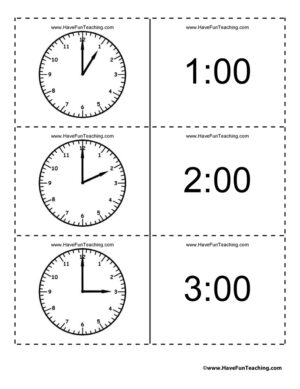
These time flash cards help 1st through 3rd grade students read analog clocks to the hour, half hour and quarter hour with 40 fold-over cards. A practice page and answer key are included.

From our teachers' playbook

Tick, tock, how long was that?

What do 1st graders learn about elapsed time?

First graders are just meeting the clock, so elapsed time starts small and friendly. Kids tell time to the hour and half hour, then ask the big question: how much time went by? If recess starts at 10:00 and ends at 10:30, that's half an hour. If we start art at 1:00 and stop at 3:00, that's two whole hours! The click comes when kids see the hour hand jump from number to number and count the jumps.

How we make elapsed time make sense

Little learners need to see time move. These are the moves that turn a clock face into a story about their day.

Paper plate clocks on the move

Every child gets a paper plate clock with a brad for the hands. Call out "It's 2:00. Snack is one hour later!" and kids move the hour hand forward one jump. Then they say the new time out loud. Moving the hands themselves makes the passing hour real.

Why it works: going from real objects to pictures to symbols is a core recommendation of the U.S. Department of Education's elementary math guide.
Time Flash CardsTry it withTime Flash CardsFlash CardsOpen it →
Clock flash card warm-up

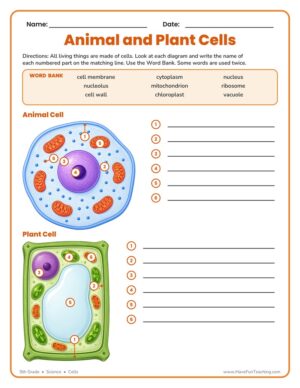
Start math with a quick round of clock cards: read the time, then answer "What time will it be one hour later?" Keep it to three minutes and only hours and half hours. Kids get faster every day, and that speed frees them up to think about the jump.

Why it works: researchers who compared ten study methods found practice testing is one of the two that work best (Dunlosky and colleagues, 2013).

Time Flash CardsTry it withTime Flash CardsFlash CardsOpen it →
Our day on a time strip

Draw a long strip on the board with the hours of the school day, 8 to 3. Stick a picture on each part: reading, lunch, recess. Then ask "How many hours from reading to lunch?" Kids count the hours on the strip like steps on a path.

Why it works: children learn more from words and pictures together than from words alone (Mayer, 2009).

What's on this page

Teacher favorites right now: Time Flash Cards.

Questions teachers and parents ask

Do 1st graders learn elapsed time?

Mostly in an informal way. First graders tell time to the hour and half hour and talk about how much time passes, like "one hour later." Minute-by-minute elapsed time comes later, usually in 3rd grade.

How do I explain elapsed time to a 6-year-old?

Tie it to their own day. "Lunch is at 12:00. We eat for half an hour. What time do we go out?" Using a real clock and real events makes the idea stick much faster than a worksheet alone.

Should my child use an analog or a digital clock?

Both, side by side. The analog clock shows time moving around the circle, and the digital clock helps kids read the numbers. Matching the two is a great five-minute game.

What should my 1st grader know before elapsed time?

They should count to 12, know that the short hand shows the hour, and read times to the hour. Once those feel easy, adding one or two hours is a natural next step.