Skip to content
Start My 3 Free Days $0 today · cancel anytime

Kindergarten Clocks Resources

3 kindergarten clocks resources: 3 activities. How teachers use these

Kindergarten Clocks Resources

3 kindergarten clocks resources: 3 activities. How teachers use these

Activity
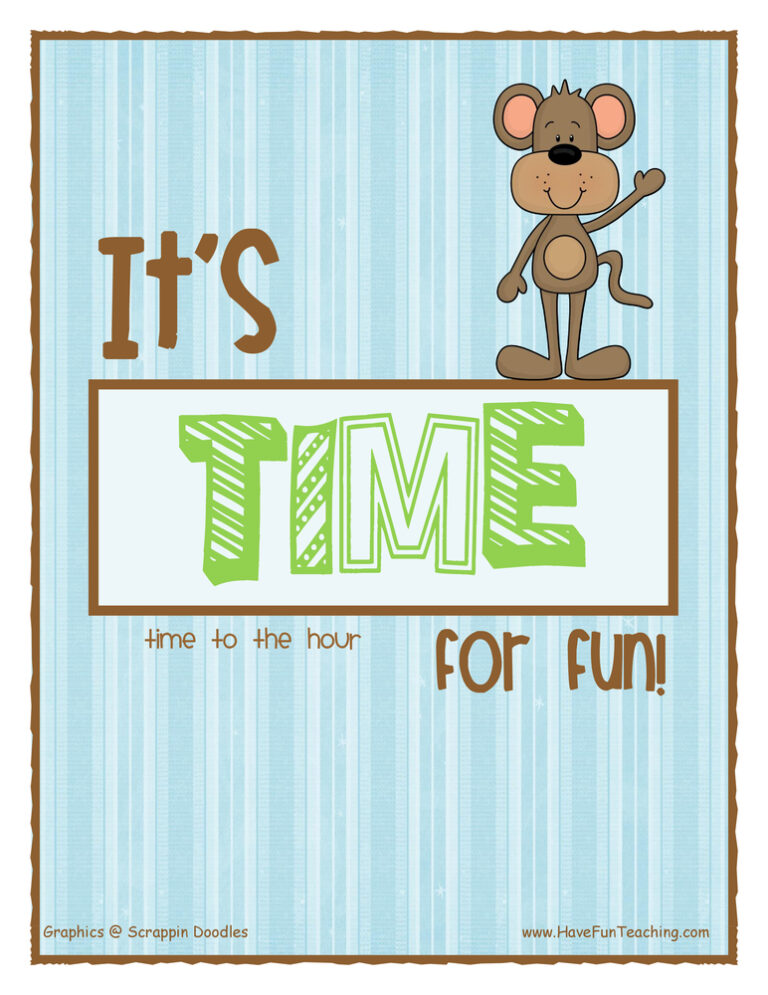
ActivityKindergartenIt's Time For Fun To The Hour Clock Activity

Kids match clocks with hands to digital times in the It's Time For Fun To The Hour Clock Activity for Kindergarten and 1st Grade. Answer key included.

Activity
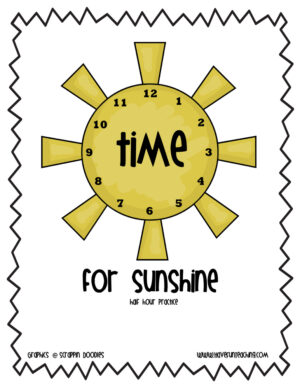
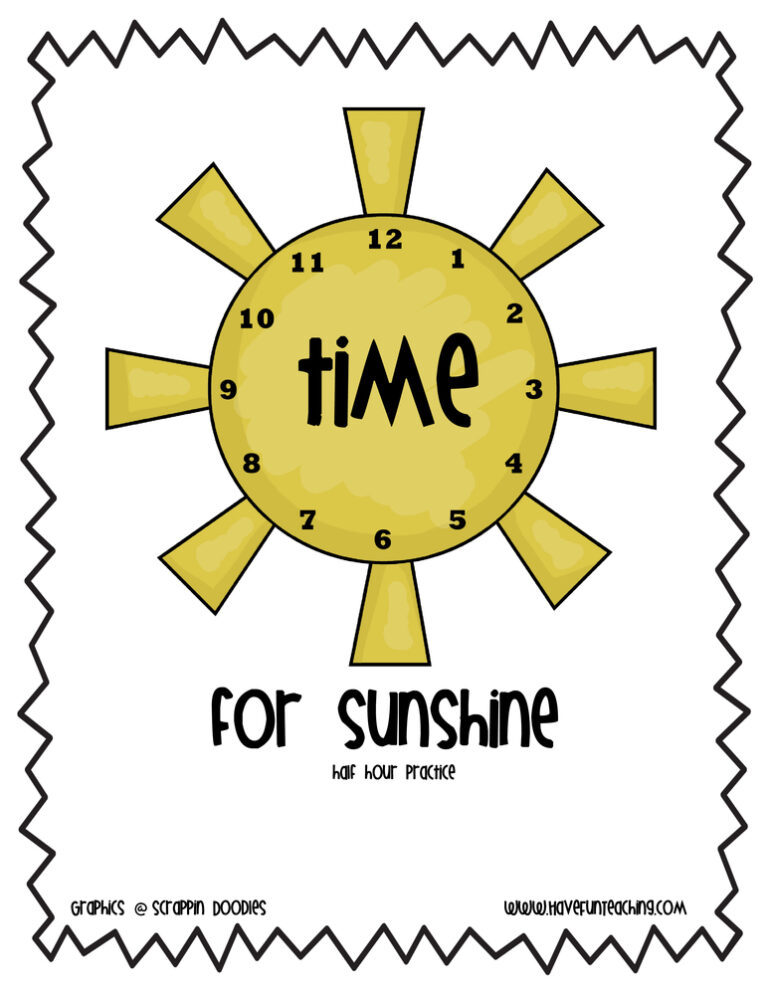
ActivityKindergartenTime for Sunshine To The Half Hour Clock Activity

Using this Time for Sunshine To The Half Hour Clock Activity , students practice telling time to the half hour on an analog clock.

Activity
ActivityKindergartenSpin It to Win It Telling Time Activity

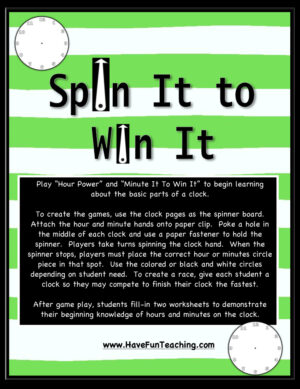
Using this Spin It to Win It Telling Time Activity, students Play “Hour Power” and “Minute It To Win It” to begin learning about the basic parts of a clock.

From our teachers' playbook

Tick tock, it is time to learn!

What do kindergartners learn about clocks?

Kindergartners begin to understand that clocks tell us when things happen. They learn the parts of an analog clock: the numbers 1 to 12, the short hour hand and the long minute hand. Many start telling time to the hour, like 3:00 = 3 o'clock, when the long hand points straight up to 12. They also connect times to their day, like lunch at 12 o'clock. The proud moment comes when a child looks at the classroom clock and announces, "It's almost recess time!"

Our favorite ways to teach clocks in kindergarten

Telling time takes lots of hands-on practice. These moves keep it simple and connected to kids' days.

Make your own clock

Kids build a paper plate clock with a short hour hand and a long minute hand. Say "Show me 2 o'clock!" and they move the hands. Building the clock themselves helps them understand how the hands work.

Why it works: going from real objects to pictures to symbols is a core recommendation of the U.S. Department of Education's elementary math guide.
Time for Sunshine To The Hour Clock ActivityTry it withTime for Sunshine To The Hour Clock ActivityActivitiesOpen it →
Clock check every day

At the same times each day, like snack and lunch, point to the classroom clock and say the time together. Short, regular clock checks connect time to real life and build the skill without extra lessons.

Why it works: short practice spread over several days beats one long session, according to a large review of learning research (Dunlosky and colleagues, 2013).

It's Time For Fun To The Hour Clock ActivityTry it withIt's Time For Fun To The Hour Clock ActivityActivitiesOpen it →
Spin and show

Spin a time on a game spinner and have kids show it on their clocks. Say the time together, then spin again. Games make repetition fun, and fun repetition is how time-telling sticks.

Why it works: in a well-known study, a few short sessions of a simple number board game measurably boosted young children's number skills (Ramani and Siegler, 2008).

Spin It to Win It Telling Time ActivityTry it withSpin It to Win It Telling Time ActivityActivitiesOpen it →

Questions about teaching clocks in kindergarten

Should kindergartners be able to tell time?

Many kindergartners learn the parts of a clock and begin telling time to the hour. Telling time to the half hour is usually taught in 1st grade, though some kindergartners are ready early.

How do I teach my kindergartner to tell time?

Start with the hour hand only and practice o'clock times. Use a toy clock or paper plate clock and connect times to your child's routine, like dinner or bath time.

What is the difference between the hour hand and minute hand?

The hour hand is short and shows the hour. The minute hand is long and shows the minutes. At an o'clock time, the long hand points straight up to 12.

Should I use a digital or analog clock?

Use both. Analog clocks help kids see how time moves around in a circle, and digital clocks show the numbers they will read every day.