Skip to content
Start My 3 Free Days $0 today · cancel anytime

Kindergarten Patterns Resources

4 kindergarten patterns resources: 2 activities, 1 lesson plan and 1 worksheet. How teachers use these

Kindergarten Patterns Resources

4 kindergarten patterns resources: 2 activities, 1 lesson plan and 1 worksheet. How teachers use these

Lesson Plan
Lesson PlanKindergartenPatterns Lesson Plan

This Patterns Lesson Plan contains various materials for you to successfully teach patterns while cutting your planning time down so that you can enjoy more

Worksheet
WorksheetKindergartenPictures Patterns Worksheet

This pictures patterns worksheet helps kindergarten students find what repeats in five colorful picture rows and draw what comes next. An answer key is included for quick, easy checking.

Activity
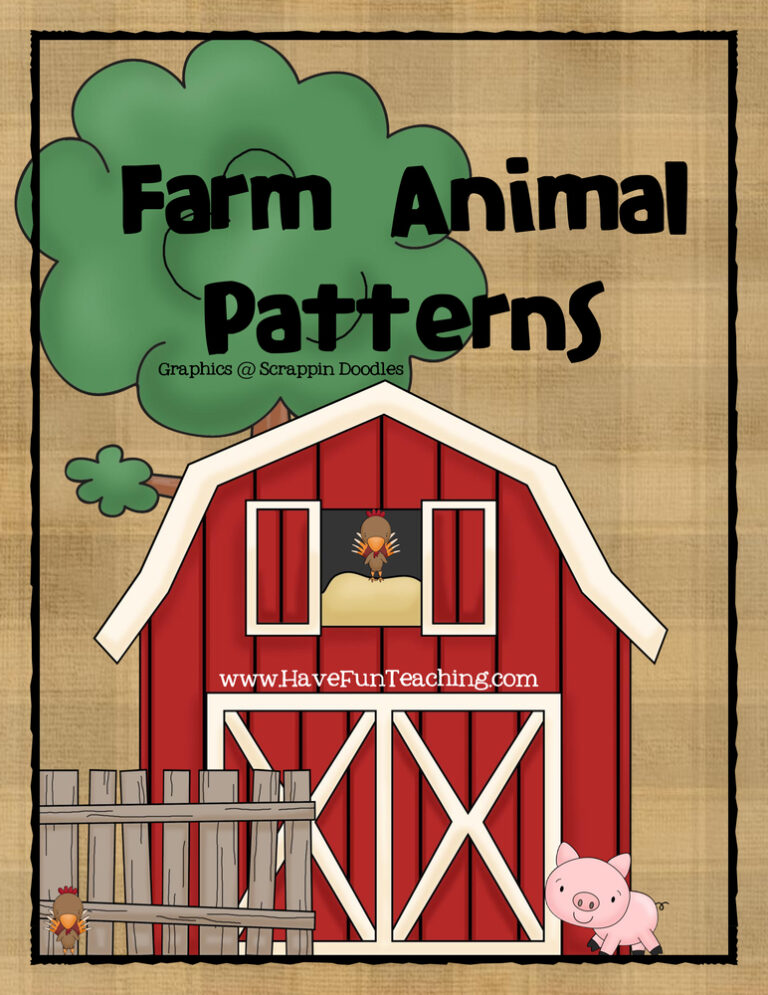
ActivityKindergartenFarm Sequencing Activity

Kids finish farm animal patterns with picture cards in this farm sequencing activity for Preschool through 1st Grade, then practice on a worksheet. Answer key included.

Activity
ActivityKindergartenRainforest Patterns Activity

Using Rainforest Patterns Activity, students complete the animal patterns with animal cards to build their sequencing skills.

From our teachers' playbook

Red, blue, red, blue... what's next?

What do kindergarteners learn about patterns?

Kindergarteners learn that a pattern is something that repeats over and over. They start with simple AB patterns like red, blue, red, blue and move to AAB and ABC patterns like clap, clap, stomp. They learn to copy a pattern, finish it, and make up their own with blocks, colors, sounds and shapes. The best part is finding the core, the piece that repeats. The click moment is when a child stops guessing and says, "It goes cat, dog, cat, dog, so next is cat!"

Our favorite ways to make patterns stick

Patterns are everywhere once kids start looking. These moves get them spotting and building them.

Clap it, snap it

Start with sound and movement before paper: clap, snap, clap, snap. Kids join in, then you stop and they show what comes next. Then switch to AAB. Their bodies learn the rhythm before their pencils do.

Why it works: showing first, practicing together, then letting kids try alone is the "gradual release" model teachers have relied on for decades (Pearson and Gallagher, 1983).
Patterns Lesson PlanTry it withPatterns Lesson PlanLesson PlansOpen it →
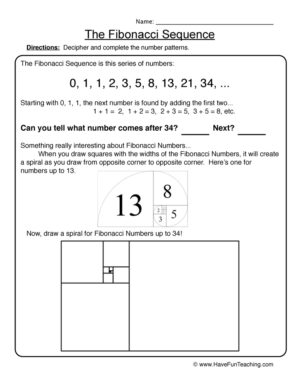
Finish the picture pattern

Kids look at a row of pictures, say it out loud, and draw what comes next. Saying the pattern aloud ("apple, apple, pear") is what helps them catch it. Circle the core together on the first one.

Why it works: pairing a picture with each word gives kids two ways to remember it, a well-tested principle of how people learn (Mayer, 2009).

Pictures Patterns WorksheetTry it withPictures Patterns WorksheetWorksheetsOpen it →

Build it with bugs and frogs

Give kids rainforest picture cards and have them build their own pattern, then swap with a partner who has to read it and continue it. Making patterns is harder than finishing them, and that's the point.

Why it works: kids understand an idea best when they touch it, then draw it, then write it, the order the U.S. Department of Education recommends for elementary math.

Rainforest Patterns ActivityTry it withRainforest Patterns ActivityActivitiesOpen it →

Questions parents and teachers ask

What patterns do kindergarteners learn?

They start with AB patterns like red, blue, red, blue, then try AAB, ABB and ABC patterns. They copy, extend and create patterns with colors, shapes, sounds and movements.

What is the core of a pattern?

The core is the part that repeats. In red, red, blue, red, red, blue, the core is red, red, blue. Finding the core helps kids extend any pattern.

Why are patterns important in kindergarten math?

Patterns help kids predict, notice rules and think logically. Those skills lead straight to counting by 2s, 5s and 10s and to understanding how numbers work.

How can I practice patterns at home?

Make patterns with socks, toys, snacks or claps, and ask "What comes next?" Let your child make a pattern for you to finish, too.