
Skip to content
Start My 3 Free Days $0 today · cancel anytime

Kindergarten Library Resources

3 kindergarten library resources: 1 worksheet. How teachers use these

Kindergarten Library Resources

3 kindergarten library resources: 1 worksheet. How teachers use these

Worksheet
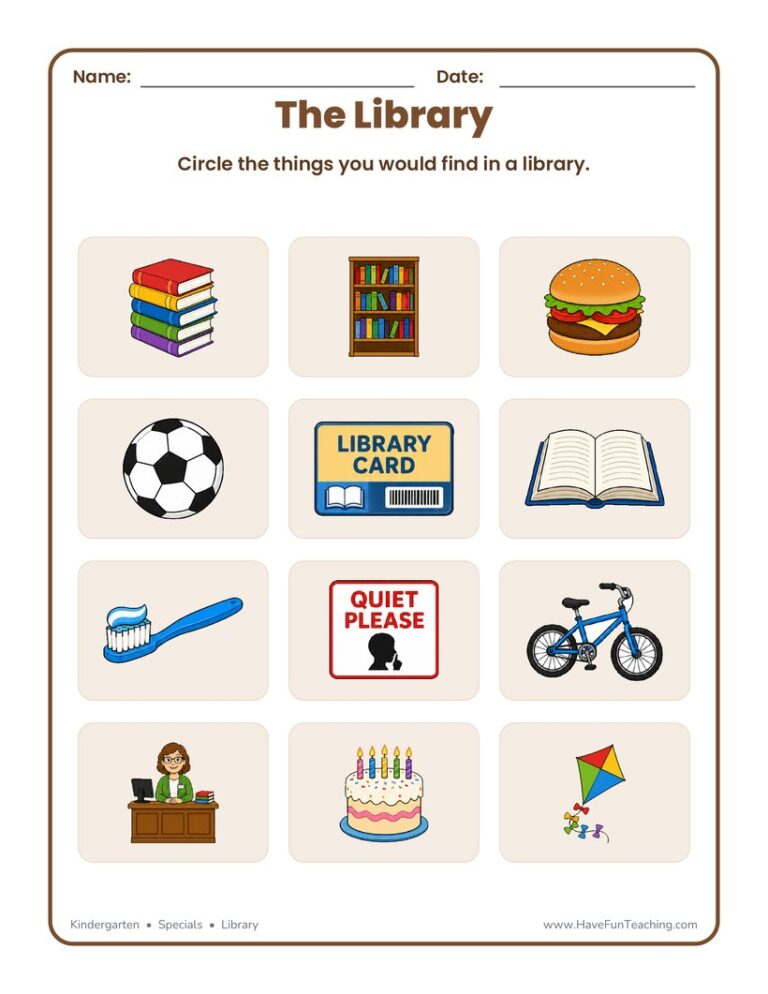
WorksheetKindergartenLibrary Objects Worksheet

This library objects worksheet asks kindergarten students to circle the items they would find in a library, from books to a librarian. A complete answer key is included for quick, no-prep practice.

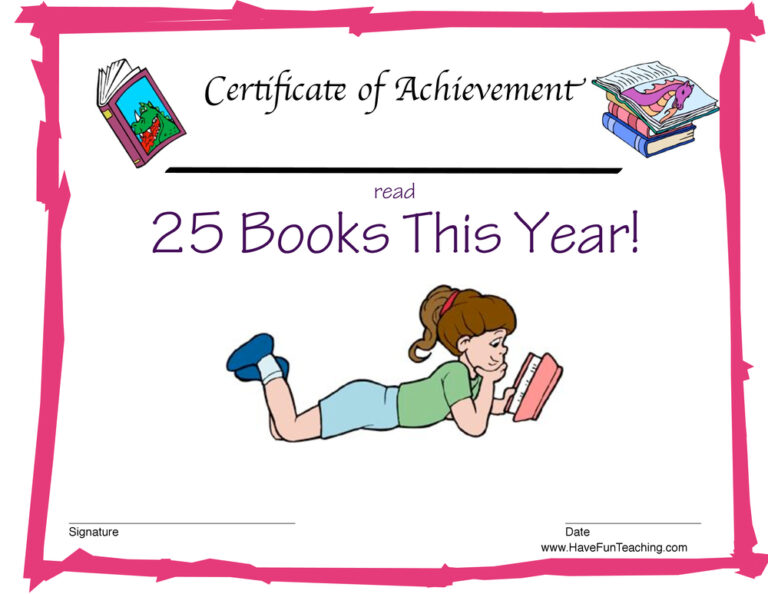
KindergartenRead 25 Books Reward Certificate for Boys

Using the Read 25 Books Reward Certificate for Boys, your student will feel celebrated and recognized for their accomplishment of reading 25 books.

KindergartenRead 25 Books Reward Certificate for Girls

Using the Read 25 Books Reward Certificate for Girls, your student will feel celebrated and recognized for their accomplishment of reading 25 books.

From our teachers' playbook

Shh... it's story time!

What do kindergarteners learn in the library?

Kindergarten library time is where kids learn that books are treasures to borrow, enjoy and bring back. They learn how to hold a book, turn pages gently and find the front cover, the title and the author. They practice library manners: quiet voices, walking feet and putting books back where they found them. They meet the tools of the library, like shelves, bookmarks and the checkout desk. The click moment is checking out a first book with their own name on it!

Our favorite ways to teach library skills

Little ones learn library routines by doing them over and over, with lots of praise along the way.

Think aloud while you pick a book

Stand at the shelf and pick a book out loud: "I love dogs, so I'll look for a dog on the cover. Let me check the inside. Yes, I can enjoy these pictures!" Then let kids try it with a partner. Showing your thinking teaches choosing better than any rule.

Why it works: showing first, practicing together, then letting kids try alone is the "gradual release" model teachers have relied on for decades (Pearson and Gallagher, 1983).
Library Objects WorksheetTry it withLibrary Objects WorksheetWorksheetsOpen it →

Name the library objects

Show pictures of a bookshelf, a bookmark, a library card and the checkout desk. Kids point and name each one, then circle them on a page. When they tour the real library, they spot each object like detectives.

Why it works: children learn more from words and pictures together than from words alone (Mayer, 2009).

Library Objects WorksheetTry it withLibrary Objects WorksheetWorksheetsOpen it →

One routine a week

Teach one routine at a time and revisit it every visit: week one is gentle page turning, week two is the shelf marker, week three is returning books. Quick reminders at the door keep each one fresh all year.

Why it works: the brain holds on to what it meets again and again over time; spaced practice was rated among the very best methods (Dunlosky and colleagues, 2013).

Read 25 Books Reward Certificate for BoysTry it withRead 25 Books Reward Certificate for BoysOpen it →

Questions parents and teachers ask

What do kindergarteners learn in library class?

They learn how to care for books, choose a book they enjoy, and follow library routines like quiet voices and returning books. They also learn the parts of a book, like the cover, title and author.

How do I teach a kindergartener to take care of books?

Model it and praise it. Show clean hands, gentle page turns and a safe spot at home for library books. A special library bag helps books come back on time.

How can I help my child choose a library book?

Let them follow their interests, whether that's trucks, animals or princesses. At this age, picture books they love to look at count just as much as books they can read.

Why is library time important in kindergarten?

It builds a love of books and gives kids choice, which keeps them excited about reading. Hearing stories read aloud also grows vocabulary and listening skills.



