
Skip to content
Start My 3 Free Days $0 today · cancel anytime

Kindergarten Music Resources

6 kindergarten music resources: 2 activities, 1 song, 1 video and more. How teachers use these

Kindergarten Music Resources

6 kindergarten music resources: 2 activities, 1 song, 1 video and more. How teachers use these

Worksheet
WorksheetKindergartenMusical Instrument Matching Worksheet

A kindergarten musical instrument matching worksheet where students draw a line to match each instrument to its name. Includes a complete answer key for quick, no-prep music practice.

Flash Cards
Flash CardsKindergartenMusical Instruments Flash Cards

These musical instruments flash cards help preschool to 3rd grade students name twelve instruments and sort them into strings, woodwinds, brass and percussion. Answer key included.

Activity
ActivityKindergartenMusical Instrument Sort Activity

This musical instrument sort activity for PreK to 1st grade has children sort 12 picture cards into wind, strings and percussion. Answer key included.

Activity
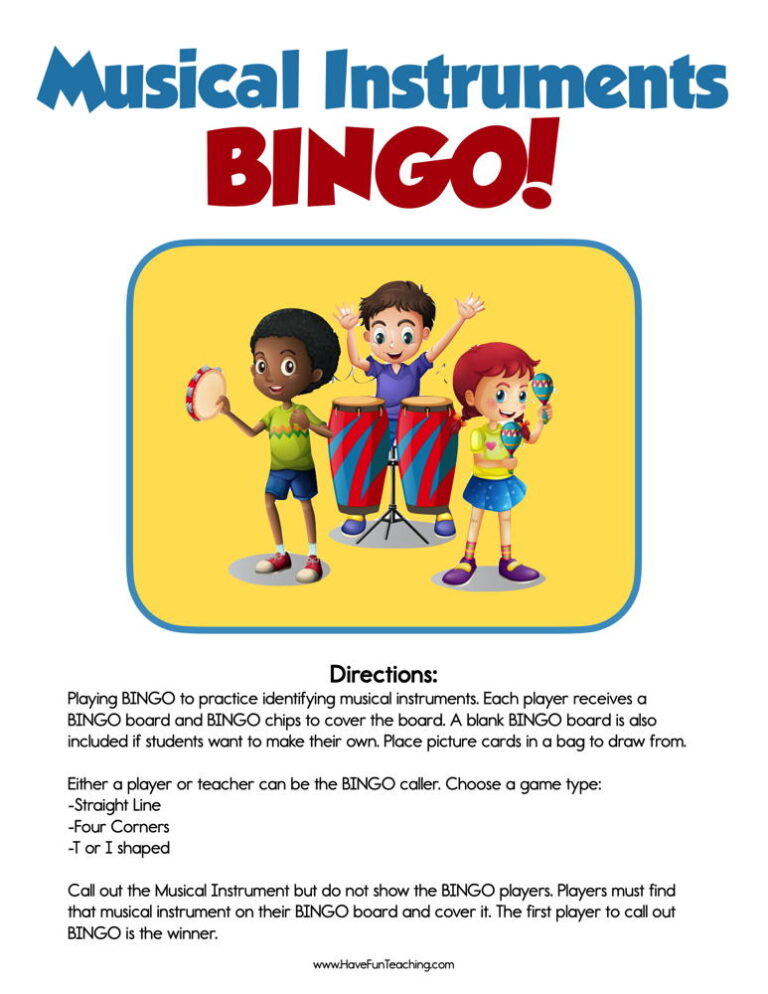
ActivityKindergartenMusical Instruments BINGO

Using this Musical Instruments BINGO, students play BINGO to identify and learn the names of different musical instruments. 

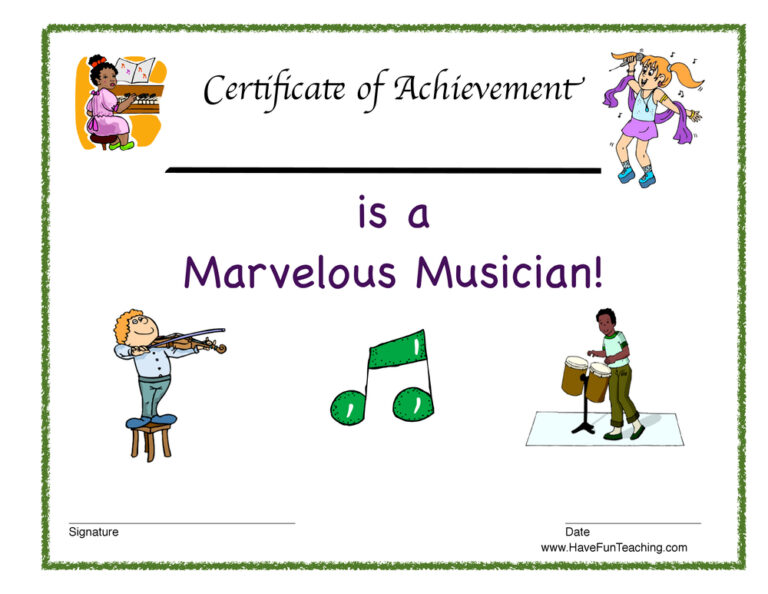
KindergartenMarvelous Musician Reward Certificate

Using the Marvelous Musician Reward Certificate, your student will feel celebrated and recognized for their marvelous musical skills.

From our teachers' playbook

Clap it, tap it, sing it loud!

What do kindergartners learn in music?

Kindergarten music is all about listening and moving. Kids learn the difference between a steady beat and a rhythm, between loud and soft, fast and slow, and high and low. They sing simple songs, clap and march to the beat, and learn the names and sounds of common instruments like drums, bells and the piano. The big moment is when a whole class claps a steady beat together and keeps it going, all at once, without the teacher leading!

How we bring music into kindergarten

Five-year-olds learn music with their whole bodies. These moves work in a music room or a regular classroom.

Sing every single day

Use songs for transitions, clean-up and morning meeting. Then pause and ask, "Was that fast or slow? Loud or soft?" Talking about the songs you already sing builds musical vocabulary without a separate lesson.

Why it works: a catchy, repeating tune gives the brain a hook to hang words on, so sung text is remembered better (Wallace, 1994).

Song About A SongTry it withSong About A SongSongsOpen it →

See it, hear it

Hold up an instrument card and play a recording of that instrument. Kids say the name and copy how you play it. Seeing the picture while hearing the sound helps them remember which instrument is which.

Why it works: children learn more from words and pictures together than from words alone (Mayer, 2009).

Musical Instruments Flash CardsTry it withMusical Instruments Flash CardsFlash CardsOpen it →

Listen and cover

Play instrument sounds and have kids find the matching square on their game board. It trains careful listening, and the whole class stays focused because everyone wants to call out a win.

Why it works: in a well-known study, a few short sessions of a simple number board game measurably boosted young children's number skills (Ramani and Siegler, 2008).

Musical Instruments BINGOTry it withMusical Instruments BINGOActivitiesOpen it →

Questions parents and teachers ask

What music skills should a kindergartner have?

Most kindergartners learn to keep a steady beat, sing simple songs, tell loud from soft and fast from slow, and name a few common instruments. They also learn to listen quietly and respond to music with movement.

What is the difference between beat and rhythm?

The beat is the steady pulse you can march to, like a heartbeat. The rhythm is the pattern of long and short sounds in the words or melody. Kids clap the beat first, then learn to clap the rhythm.

How can I teach music at home without instruments?

Use pots, spoons, boxes and your hands! Clap, stomp and pat along to songs, and play freeze dance to practice listening. Singing together every day is the best music lesson there is.

Why is music important in kindergarten?

Music builds listening skills, memory and coordination, and singing helps with rhyming and hearing sounds in words. It is also a joyful way to bring a class together.



