
Skip to content
Start My 3 Free Days $0 today · cancel anytime

Preschool Valentine’s Day Resources

6 preschool Valentine’s Day resources: 2 activities, 1 song, 1 video and more. How teachers use these

Preschool Valentine’s Day Resources

6 preschool Valentine’s Day resources: 2 activities, 1 song, 1 video and more. How teachers use these

Flash Cards
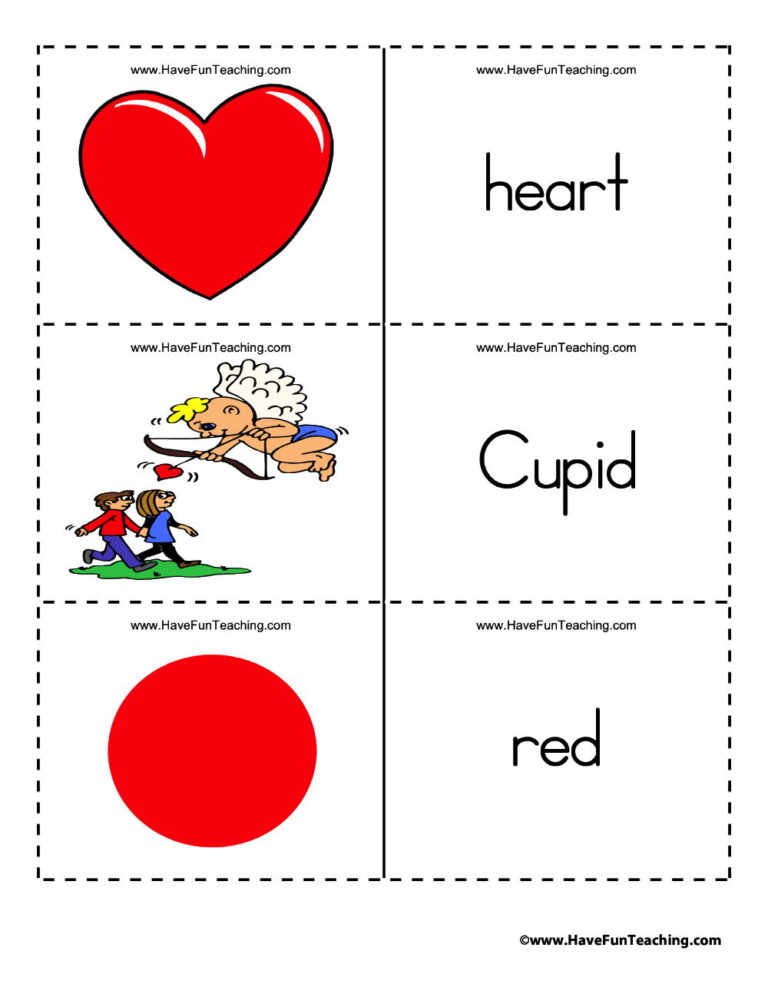
Flash CardsPreschoolValentine's Day Flash Cards

These valentine's day flash cards give preschool to 2nd grade children 18 fold-over picture and word cards for holiday vocabulary and word walls. Answer key included.

Workbook
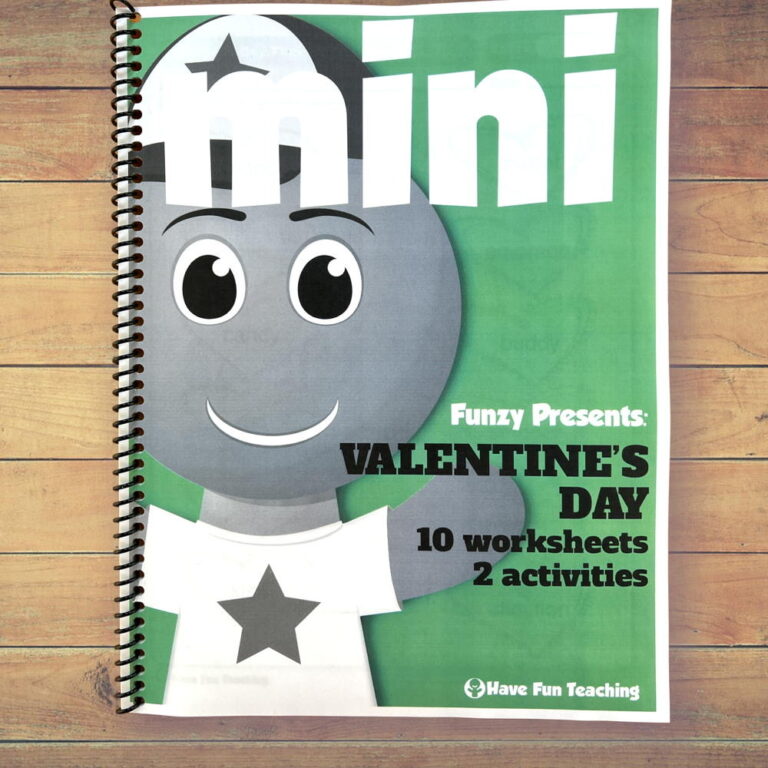
WorkbookPreschoolValentine's Day Mini Pack

Using this Valentine's Day Mini Pack, students learn about Valentine's Day and many different skills with a Valentine's Day theme. This Mini Pack includes 10 fun Valentine's Day worksheets and two Valentine's Day activities.

PreschoolValentine's Day Clip Art

Use these Valentine's Day Clip Art images and graphics for Valentine's Day bulletin boards, Valentine's Day activities, and classroom decorations.

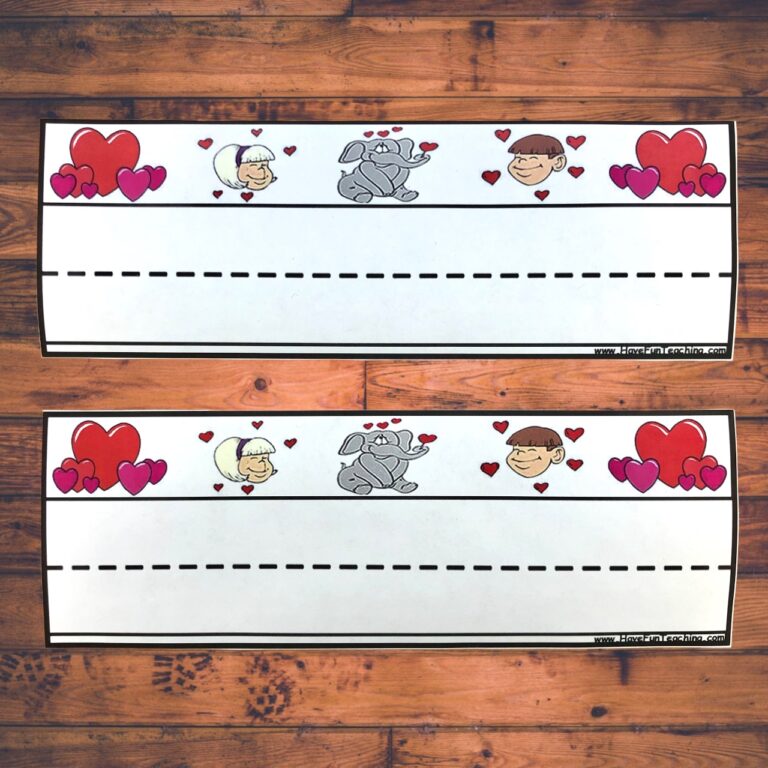
PreschoolValentine's Day Desk Name Tags

These Valentine's Day Desk Name Tags are a perfect way for your students to identify their desks and practice spelling their name with a Valentines' Day theme.

Activity
ActivityPreschoolValentine's Day Matching Game Activity

Using Valentine's Day Matching Game Activity, students match Valentine's Day pictures to build their holiday vocabulary.

From our teachers' playbook

Hearts, hugs and kind words

What do preschoolers learn on Valentine's Day?

For preschoolers, Valentine's Day is all about kindness and friendship. They learn to share cards, say kind words, and notice how good it feels to make someone smile. It's also a sweet time to practice early skills: matching hearts, counting candy hearts, naming colors like red and pink, and spotting the heart shape everywhere. The cute "aha" is when a little one realizes that giving a card feels just as happy as getting one.

How we celebrate Valentine's Day with little ones

Keep it simple, sweet and full of hearts. These are our favorite moves.

Sing a friendship song

Start the day with a Valentine's song and add simple motions, like making a heart with your hands. Sing it again before passing out cards. It sets a kind, happy mood for the whole day.

Why it works: words set to a repeating melody are easier to recall than the same words spoken (Wallace, 1994).

Valentine's Day SongTry it withValentine's Day SongSongsOpen it →

Valentine picture words

Show picture cards like heart, card, rose and friend. Kids say the word, then point to something in the room that matches. It builds holiday vocabulary in a few minutes.

Why it works: children learn more from words and pictures together than from words alone (Mayer, 2009).

Valentine's Day Flash CardsTry it withValentine's Day Flash CardsFlash CardsOpen it →

Match the hearts

Lay out heart cards face down and let kids flip two at a time to find a match. Say the color or picture out loud with each flip. Memory and matching practice, all in a festive game.

Why it works: playful practice with a clear goal keeps kids practicing longer, and simple learning games have been shown to build real skills (Ramani and Siegler, 2008).

Valentine's Day Matching Game ActivityTry it withValentine's Day Matching Game ActivityActivitiesOpen it →

Questions parents and teachers ask

How do you explain Valentine's Day to preschoolers?

Tell them it's a day to show people we care about them. We give cards, say kind words and do nice things for friends and family.

What are easy Valentine's Day activities for preschool?

Heart matching games, counting candy hearts, making cards, sorting by color and singing a Valentine's song are all simple and fun.

Should preschoolers give Valentine's cards to everyone?

Most classrooms ask families to bring a card for every child so no one feels left out. It's a great lesson in kindness.

How can preschoolers make Valentine's cards?

Fold paper, add heart stickers, and let kids scribble or stamp their name. Little ones are proud of anything they make by themselves.



