
Skip to content
Start My 3 Free Days $0 today · cancel anytime

Preschool Sequencing Resources (Math)

11 preschool sequencing resources: 7 activities, 3 flash cards, 1 song and more. How teachers use these

Preschool Sequencing Resources (Math)

11 preschool sequencing resources: 7 activities, 3 flash cards, 1 song and more. How teachers use these

Flash Cards
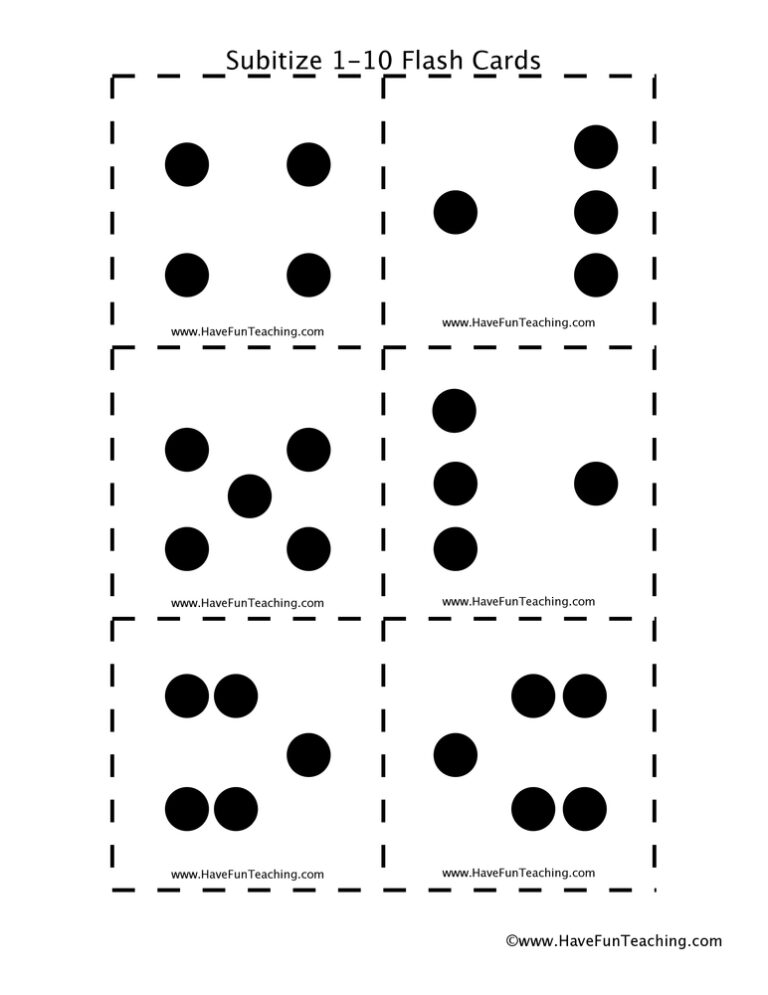
Flash CardsPreschoolSubitize 1 to 10 Flash Cards

These subitize 1 to 10 flash cards help PreK to 1st grade children see how many dots at a glance with dot patterns and ten-frames. Practice page and answer key included.

Flash Cards
Flash CardsPreschoolNumbers 0 to 50 Flash Cards

These numbers 0 to 50 flash cards pair every numeral with a ten-frame or base-ten picture for Preschool to 1st Grade, with a practice page and answer key included to build counting and ordering.

Activity
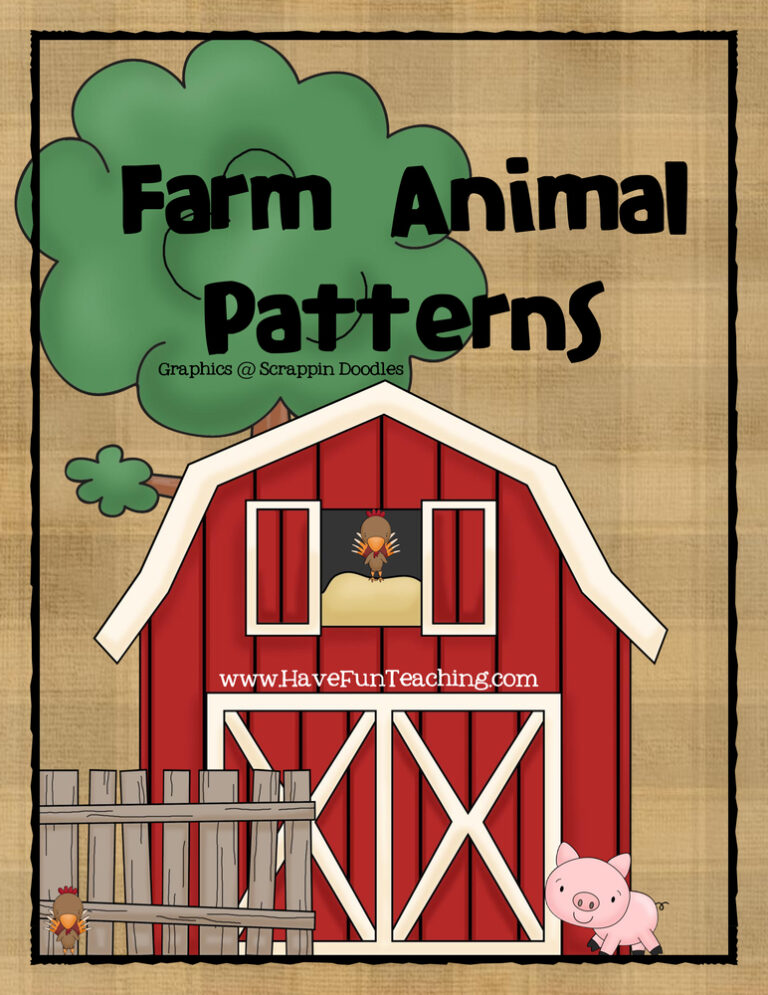
ActivityPreschoolFarm Sequencing Activity

Kids finish farm animal patterns with picture cards in this farm sequencing activity for Preschool through 1st Grade, then practice on a worksheet. Answer key included.

Activity
ActivityPreschoolPatterns Activity

This patterns activity lets PreK to 1st Grade students extend AB, ABC, AAB and ABB shape patterns in a spinner game, with an answer key included, to build early math thinking.

Activity
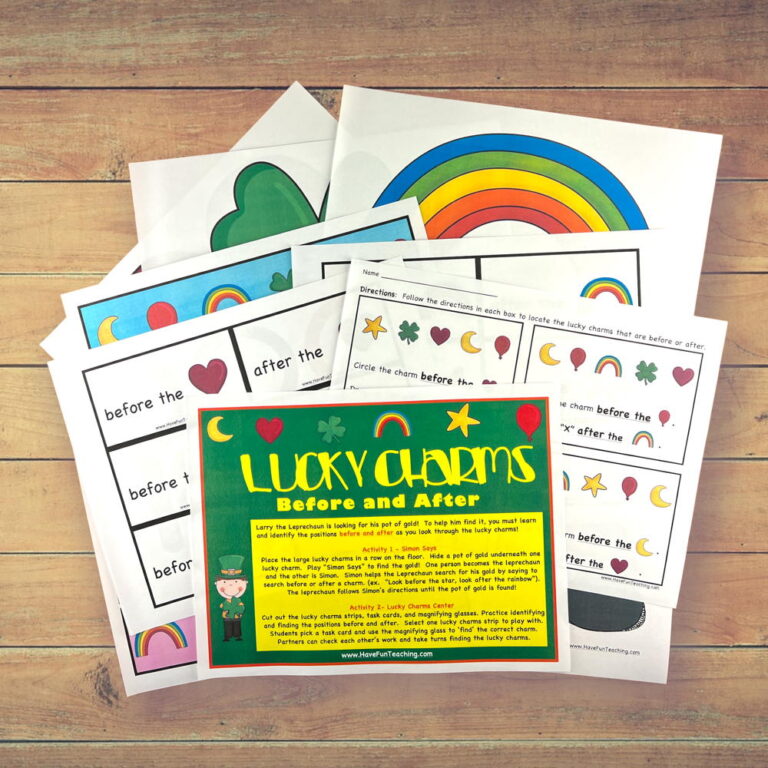
ActivityPreschoolLucky Charms Before and After Activity

Using Lucky Charms Before and After Activity, studentsplay this fun game to practice identifying before and after.

Activity
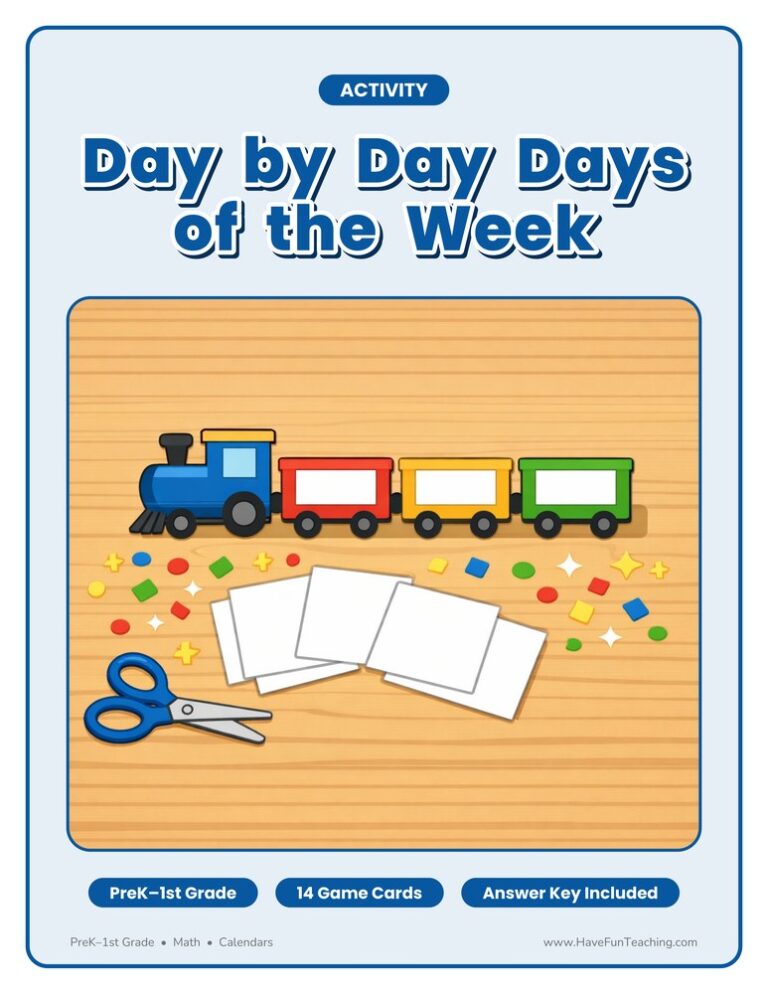
ActivityPreschoolDays of the Week Activity

Build a rainbow day train with this days of the week activity for Preschool through 1st Grade, then solve before-and-after day questions. Answer key included.

Flash Cards
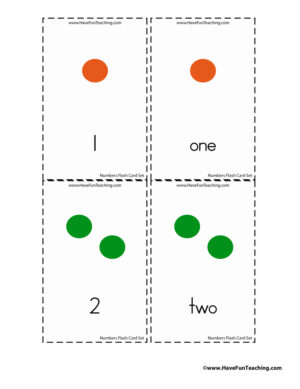
Flash CardsPreschoolNumbers 0 to 20 Flash Cards

These numbers 0 to 20 flash cards show each numeral with a ten-frame and its number word for Preschool to 1st Grade. A practice page and answer key included make counting and ordering fun.

Activity
ActivityPreschoolRainforest Patterns Activity

This rainforest patterns activity has preschool to 1st grade children extend toucan, frog, monkey and flower patterns in a fun spinner game. Answer key included.

Activity
ActivityPreschoolOrder Up Sequencing Activity

This order up sequencing activity has PreK-1st grade students put three picture cards in first, next and last order on a story board. Answer key included.

Activity
ActivityPreschoolChutes and Ladders Number Sequencing Activity

UsingChutes and Ladders Number Sequencing Activity, studentsplay Chutes and Ladders to practice filling-in number sequences.

From our teachers' playbook

1, 2, 3... what comes next?

What do preschoolers learn about number sequencing?

Preschoolers learn that numbers always come in the same order, and that each number is one more than the one before. They count forward to 10 and then 20, find what comes next, and put number cards in order: 1, 2, 3, 4, 5. They begin to fill in a missing number in a short line and notice simple patterns. The click comes when a child sees a gap, like 4, ___, 6, and shouts "Five!" without counting from one.

Our favorite ways to teach number order in preschool

Little learners need to see, say and move with numbers. These are our favorites.

Line up the cards

Hand out number cards 1 to 10 and have kids lay them in a row on the floor. Then they hop along and count out loud. Laying the cards themselves helps kids see that each number has its own spot.

Why it works: kids understand an idea best when they touch it, then draw it, then write it, the order the U.S. Department of Education recommends for elementary math.
Numbers 0 to 20 Flash CardsTry it withNumbers 0 to 20 Flash CardsFlash CardsOpen it →

What comes next?

Count together and stop suddenly: "3, 4, 5..." Kids shout the next number. Then try what comes before. These tiny pauses show you who really knows the order.

Why it works: pulling an answer out of memory makes it stick far better than rereading it, one of the strongest findings in learning research (Dunlosky and colleagues, 2013).

Lucky Charms Before and After ActivityTry it withLucky Charms Before and After ActivityActivitiesOpen it →

Count a little every day

Count snacks, steps or friends at circle time every day, and fill in a missing number on the board each morning. Little daily counts build a strong number line in their heads.

Why it works: spreading practice out over days is one of the two most effective study methods in a major research review (Dunlosky and colleagues, 2013).

Counting Leaves Number Sequence ActivityTry it withCounting Leaves Number Sequence ActivityActivitiesOpen it →

Questions parents and teachers ask about preschool number order

How high should a preschooler count?

Many 3-year-olds count to 10, and many 4-year-olds count to 20 by the end of preschool. Counting objects correctly matters just as much as saying the numbers.

How do I teach number order to my preschooler?

Use number cards, a number line on the floor and lots of counting out loud. Ask what comes next or what comes before during everyday counting.

What is the difference between rote counting and counting with meaning?

Rote counting is saying numbers in order, like a song. Counting with meaning is touching each object once and knowing the last number tells how many. Preschoolers need both.

How can I practice number sequencing at home?

Count stairs, number sticky notes for your child to put in order, or play simple board games. A few minutes a day makes a big difference.



