Skip to content
Start My 3 Free Days $0 today · cancel anytime

Preschool Short Vowels Resources

4 preschool short vowels resources: 2 lesson plans, 1 activity and 1 workbook. How teachers use these

Preschool Short Vowels Resources

4 preschool short vowels resources: 2 lesson plans, 1 activity and 1 workbook. How teachers use these

Lesson Plan
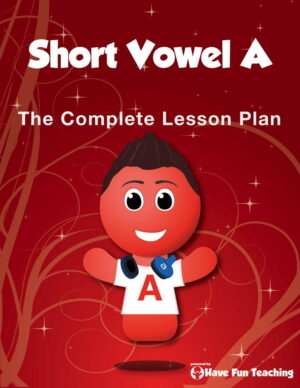
Lesson PlanPreschoolShort Vowel A Lesson Plan

This Short Vowel A Lesson Plan includes an entire lesson that teaches all about the short vowel a. This lesson plan will make your job easy!

Activity
ActivityPreschoolShort and Long Vowels Matching Activity

This short and long vowels matching activity helps preschool to 3rd grade children sort picture cards by vowel sound on a mat, with a practice page. Answer key included.

Workbook
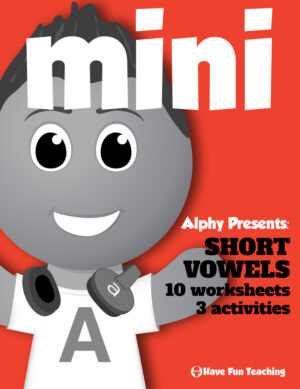
WorkbookPreschoolShort Vowels Mini Pack

Mini Pack: Short Vowels includes 10 Short Vowels Worksheets and 3 Short Vowels Themed Activities.

Lesson Plan
Lesson PlanPreschoolSilent Vowel E Lesson Plan

This Silent Vowel E Lesson Plan includes an entire lesson that teaches all about the short vowel a. This lesson plan will make your job easy!

From our teachers' playbook

A is for apple, ah-ah-ah!

What do preschoolers learn about short vowels?

Preschoolers start by hearing sounds, not reading them. They learn that letters make sounds, and that vowels like a make a short sound like in apple and ant. They play with words that start with the same sound and listen for the vowel in the middle of small words like cat and hat. The click comes when a child hears "/a/ /a/ apple" and can name another word with the same sound all by themselves.

Our favorite ways to teach short vowels

For preschoolers, short vowels start with listening and play. These moves keep it simple.

Sound with a motion

Teach each short vowel with a picture and a motion, like biting an apple for /a/. Say the sound together while doing the motion. A body cue helps little ones remember the sound.

Why it works: teaching letter sounds directly and in order is one of the best-supported findings in reading research (National Reading Panel, 2000).
Short Vowel A Lesson PlanTry it withShort Vowel A Lesson PlanLesson PlansOpen it →
Same sound or not?

Say two words, like "ant" and "apple," and kids give a thumbs up if they start the same. Then try "ant" and "dog." Quick listening games build the ears before the eyes.

Why it works: a big review of study methods ranked quick self-quizzing among the most powerful ways to remember (Dunlosky and colleagues, 2013).

Short Vowels Mini PackTry it withShort Vowels Mini PackWorkbooksOpen it →

Match the pictures

Spread out picture cards and help kids find pairs that start with the same vowel sound. Say each word slowly and stretch the first sound. Matching makes sound practice feel like a game.

Why it works: playful practice with a clear goal keeps kids practicing longer, and simple learning games have been shown to build real skills (Ramani and Siegler, 2008).

Short and Long Vowels Matching ActivityTry it withShort and Long Vowels Matching ActivityActivitiesOpen it →

Questions parents and teachers ask

Should preschoolers learn short vowels?

Many preschoolers are ready to hear and say short vowel sounds, especially at the start of words. Reading them comes later in kindergarten.

What are the short vowel sounds?

Short a as in apple, short e as in egg, short i as in igloo, short o as in octopus and short u as in umbrella.

How do I teach short vowels to a preschooler?

Start with one vowel and lots of listening games. Use pictures, motions and songs, and keep it short and fun.

What age do kids learn vowel sounds?

Many kids start hearing vowel sounds around four and five, and learn to read them in kindergarten and first grade.