Skip to content
Start My 3 Free Days $0 today · cancel anytime

Preschool Insects Resources

7 preschool insects resources: 3 songs, 3 videos, 1 activity and more. How teachers use these

Preschool Insects Resources

7 preschool insects resources: 3 songs, 3 videos, 1 activity and more. How teachers use these

Video
VideoPreschoolButterfly Song (MP3)

Using the Butterfly Song (MP3), students learn all about butterflies, including the life cycle, body parts, habitat, diet, and so much more through a catchy song!

Video
VideoPreschoolInsect Song

The Insect Song by Have Fun Teaching is perfect for teaching and learning all about insects. This animated music video teaches what makes an insect an insect: an exoskeleton, three body parts (head, thorax and abdomen), six legs and two antennae. While watching the Insect Song, students learn the traits…

Video
VideoPreschoolButterfly Song (Animated Music Video)

Using the Butterfly Song (Animated Music Video), students learn all about butterflies, including the life cycle, body parts, habitat, diet, and so much more through a catchy song!

Activity
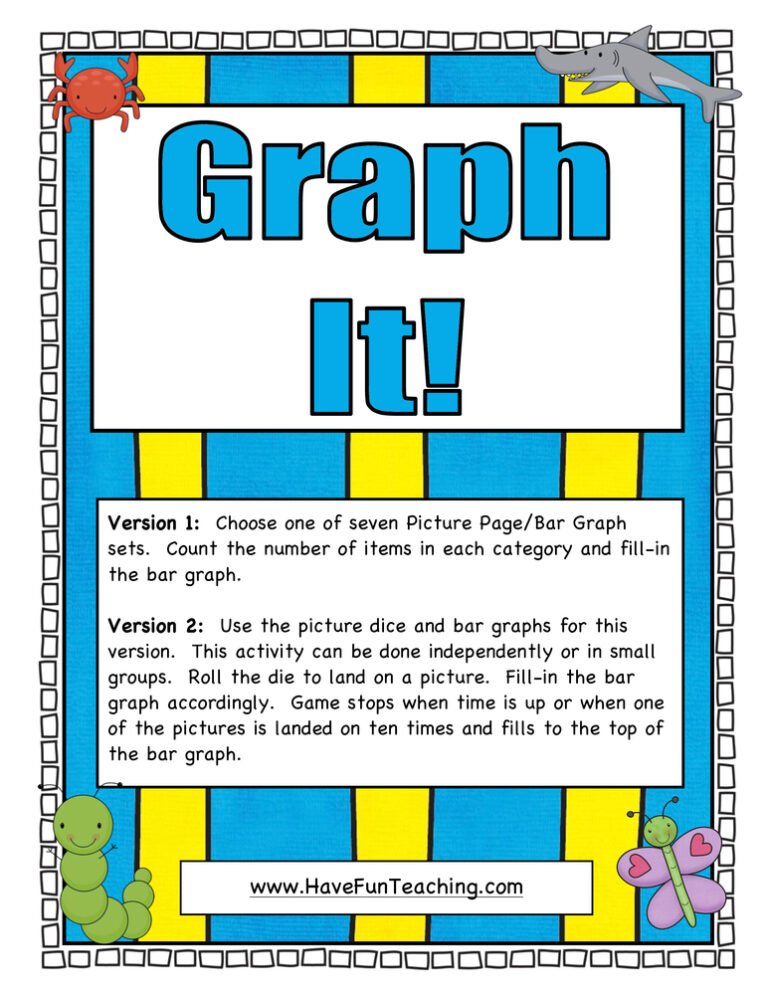
ActivityPreschoolBar Graph Activity

Using this Bar Graph Activity, students practice using data to create and analyze a bar graph.

Flash Cards
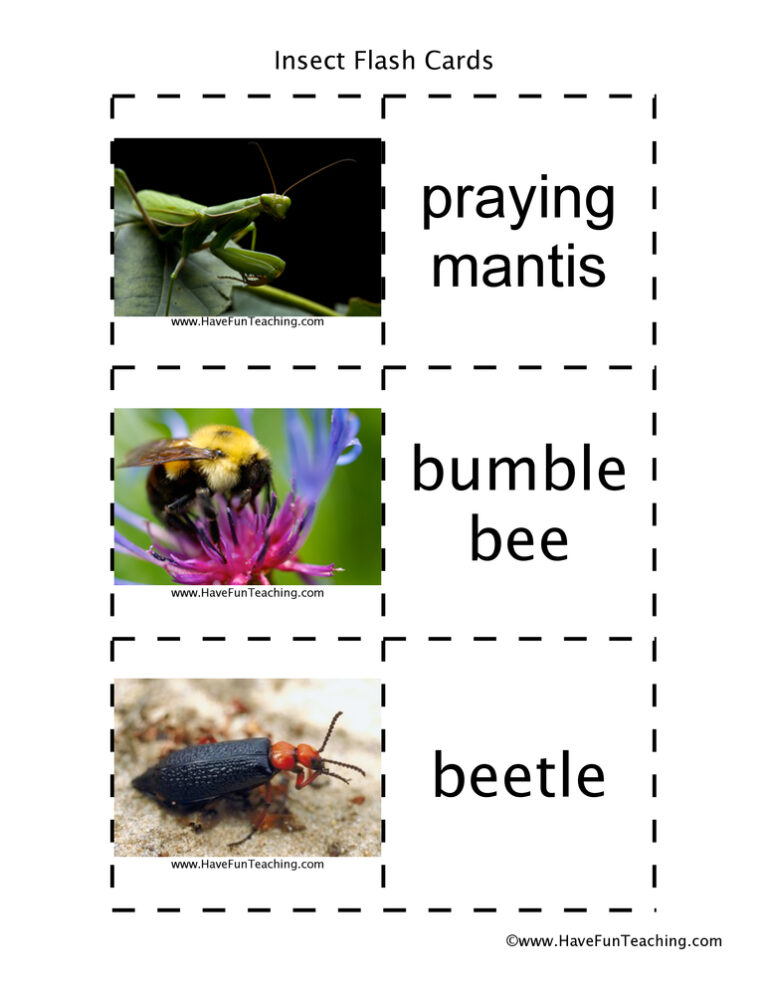
Flash CardsPreschoolInsect Flash Cards

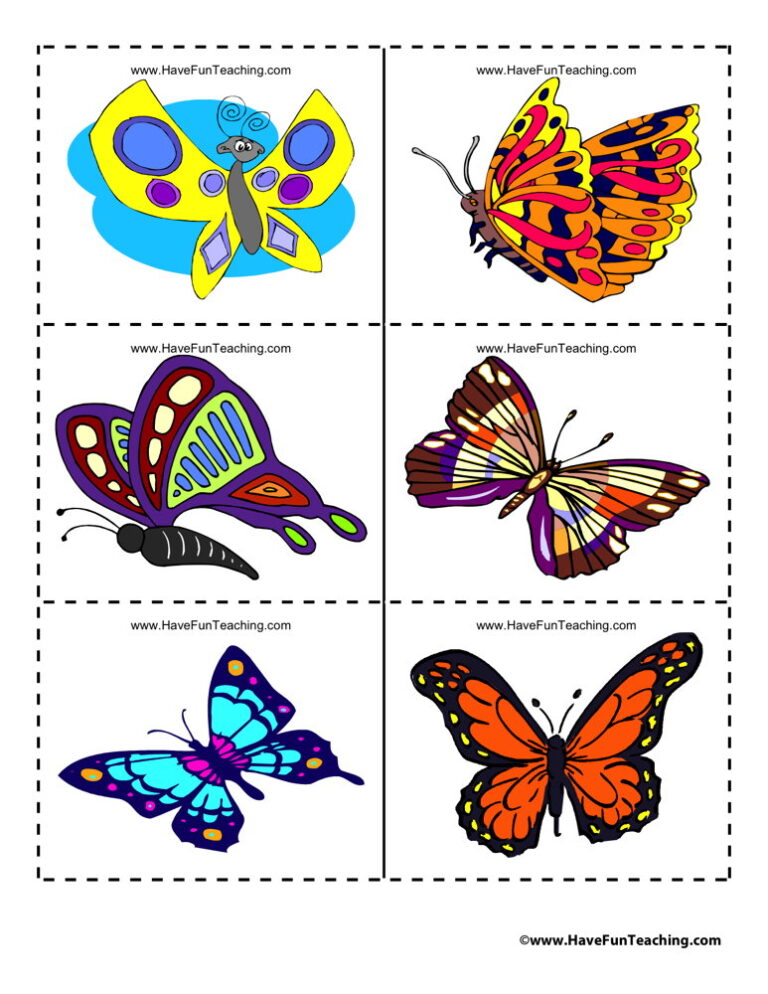
Using these Insect Flash Cards, students improve their Insect vocabulary by having a complete set of insect names they can use in their writing and discussions.

PreschoolInsects Desk Name Tags

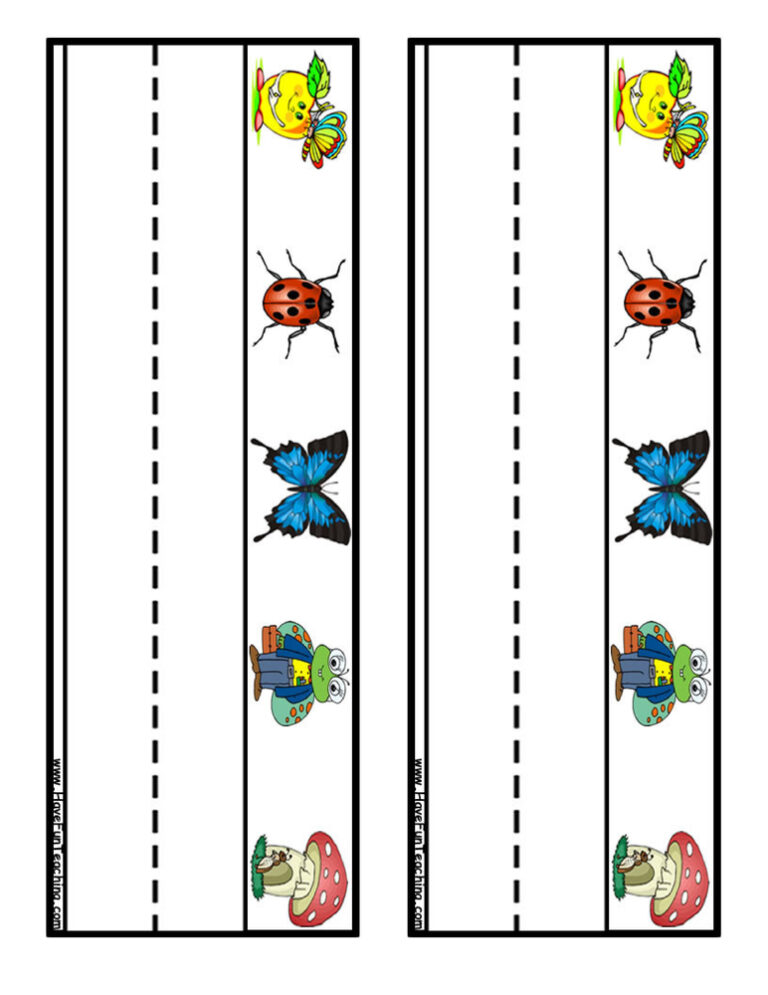
These Desk Name Tags - Insects are a perfect way for your students to identify their desks and practice spelling their name with an insect theme.

PreschoolButterfly Clip Art

This Butterfly Clip Art is a perfect addition to any bulletin board, flyer, or other printable that you use in your classroom while learning about butterflies.

From our teachers' playbook

Six legs, two antennae, lots of giggles

What do preschoolers learn about insects?

Preschoolers are natural bug hunters! They learn that an insect has six legs and three body parts (head, middle, and tail end), and that many have wings and antennae. They meet familiar friends like ants, bees, ladybugs and butterflies, and watch a caterpillar turn into a butterfly. Counting legs, spots and wings sneaks in early math too: 2 + 2 + 2 = 6 legs. The big "aha" is spotting that a spider has eight legs, so it isn't an insect at all!

How we teach insects to little learners

Little ones learn best when they move, sing and look closely. These are our go-to moves for a bug unit.

Sing the bug body song

Start every bug day with a song and point to your own "head, thorax, abdomen" as you sing. Add wiggly finger antennae on the chorus. By day three, kids are singing the parts on the playground.

Why it works: words set to a repeating melody are easier to recall than the same words spoken (Wallace, 1994).
Insect SongTry it withInsect SongSongsOpen it →

Look closely with picture cards

Hold up one insect card at a time and ask "How many legs? Does it have wings?" Then slip in a spider card and see who catches it. Big, clear pictures help little eyes notice the details that make an insect an insect.

Why it works: pairing a picture with each word gives kids two ways to remember it, a well-tested principle of how people learn (Mayer, 2009).

Insect Flash CardsTry it withInsect Flash CardsFlash CardsOpen it →

Count the bugs, make a graph

Give each child a handful of bug counters or stickers to sort: ladybugs, bees, ants. Line them up in columns to make a giant floor graph. "Which bug has the most?" is the best question of the day.

Why it works: playful practice with a clear goal keeps kids practicing longer, and simple learning games have been shown to build real skills (Ramani and Siegler, 2008).

Bar Graph ActivityTry it withBar Graph ActivityActivitiesOpen it →

Questions parents and teachers ask

How do you teach insects to preschoolers?

Keep it hands-on and short. Sing a song, look at big pictures, count legs together, and take a quick bug walk outside. Ten to fifteen minutes at a time is plenty.

What makes an insect an insect?

An insect has six legs, three body parts and usually antennae. Many also have wings. Spiders have eight legs, so they belong to a different group.

What are good insect activities for 3 and 4 year olds?

Counting spots on ladybugs, acting out the butterfly life cycle, sorting bug pictures, and singing bug songs all work beautifully. Anything with movement wins.

When is the best time for a preschool bug unit?

Spring and early summer are perfect because kids can find real bugs outside. A fall unit works too, with ants and crickets still easy to spot.