3 days free
Ready for the whole library?
You’ve had your freebie — but members download 10,000+ resources for every grade, all year long. Try it free — $0 today, cancel anytime.
Free for teachers
Pick your grade. We’ll send 10 free resources.
Worksheets, activities and a video — picked for your classroom, ready to print tonight.
One free bundle per teacher. We’ll also send free teaching ideas each week — unsubscribe anytime.


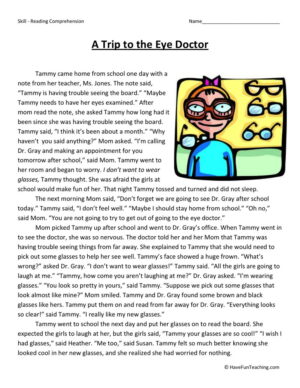

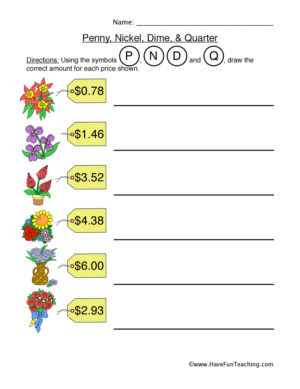
Using this Cause and Effect Sequencing Activity, students explain the reasons why the situations were caused.

Using this Classroom Conversations Activity, students participate in collaborative conversations with diverse partners about topics and texts with peers and adults in small and larger groups.

Using this Comparing and Ordering Numbers 1-10 Activity, students use the lion number cards to compare each number and sort them into the categories that they belong.

Using this Name that Shape Sorting Activity, students sort pictures of 2D shapes into the category that best describes which shape is shown.
Using the After Reading Discussion Cards, students actively engage in group reading activities to discuss purpose and understanding after shared reading.

Using Comparing Books Activity, studentsidentify basic similarities and differences between two texts on the same topic.

Using this Animal Riddles Activity, students read riddles about different animals to try to figure out which animal is being described.

Using Apples Fact or Fiction Activity, students sort statements of apples into fact or fiction categories.
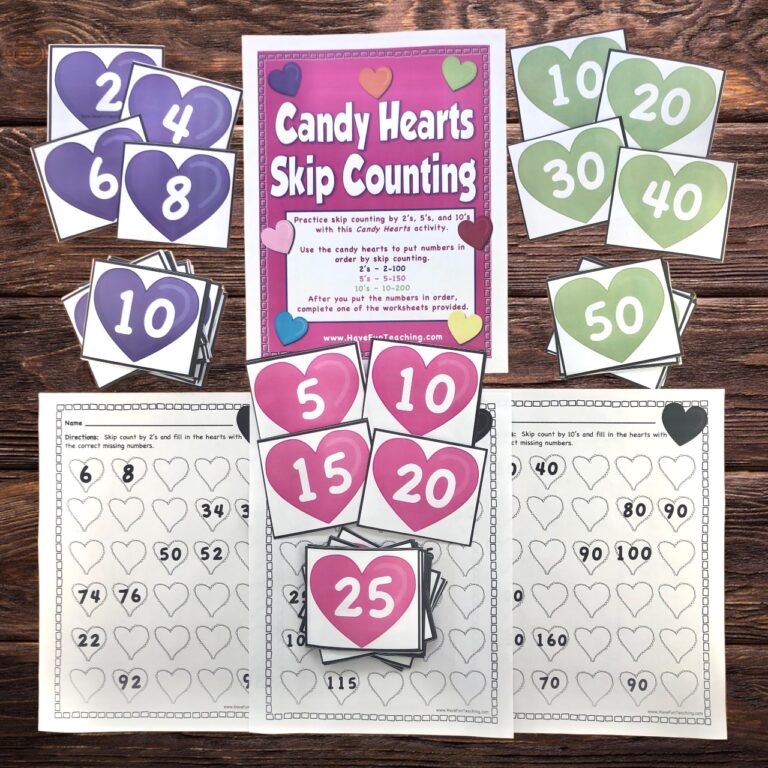
Using this Candy Hearts Skip Counting Activity, students practice skip counting by 2's, 5's, and 10's by putting number cards in order. Your students need lots of practice with skip counting. Skip Counting is the foundation of multiplication and division fact fluency. This activity will give your students the opportunity…
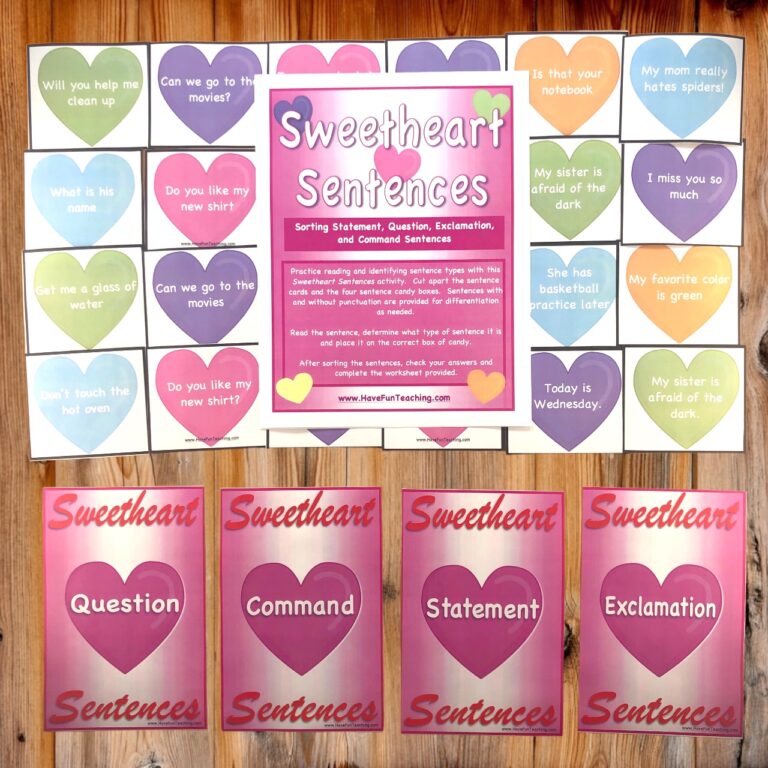
Using Sweetheart Sentences Activity, students read and identify sentence types to use in their own writing.

Using this Counting Leaves Number Sequence Activity, Use the Falling Leaves activity to practice sequencing numbers 1-100 and filling-in number sequences.
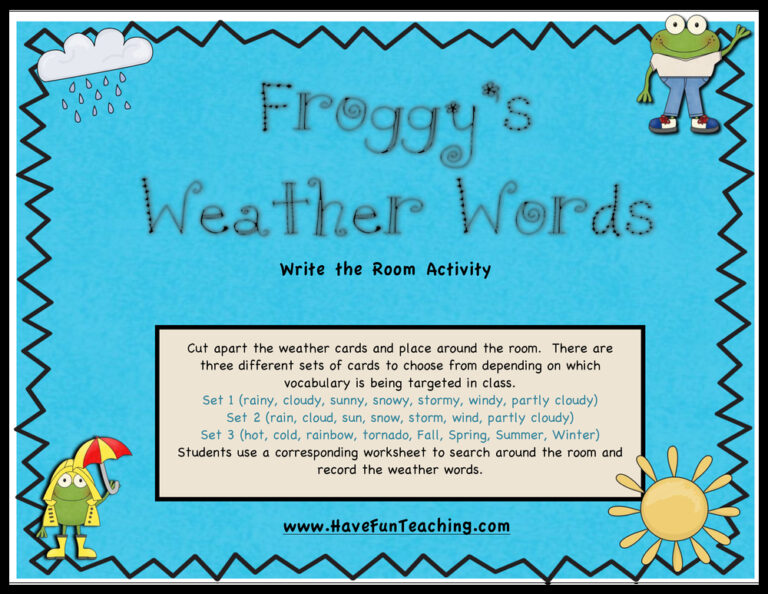
Using thisWeather Words Activity, students describe pictures to build their weather condition vocabulary.

Using thisCool Tools for School Rules Back to School Activity, teachers will have all the materials so your students know the rules of your classroom.

Using First President Facts Activity, students use the Presidential game board to test your knowledge of America's first President, George Washington!
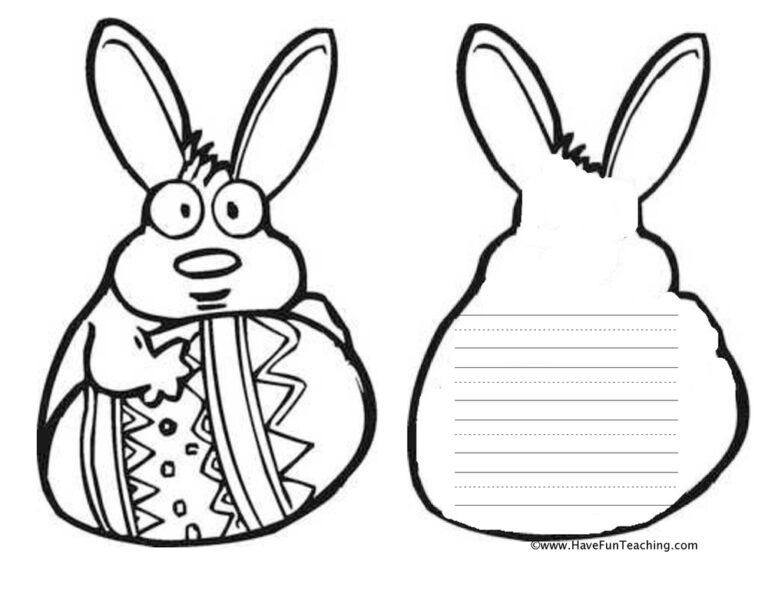
Using this Bunny Shape Book Activity, your students can create quick and simple books about stories or what they know about bunnies.
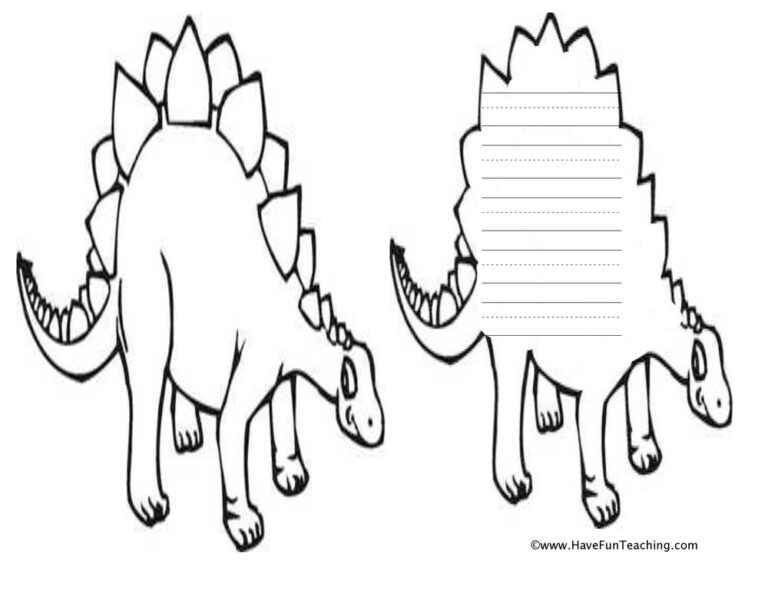
Using this Dino Shape Book Activity, your students can create quick and simple books about stories or what they know about dinosaurs.

UsingFun with Magnets Science Activity, students determine which objects are repelled or attracted to magnets by testing it out.

UsingHard and Soft C and G Activity, students read words and sort them under the hard or soft G and C category to build their pronunciation skills.

Using Magnet Activity, students sort the picture cards into two categories: magnetic or non-magnetic.
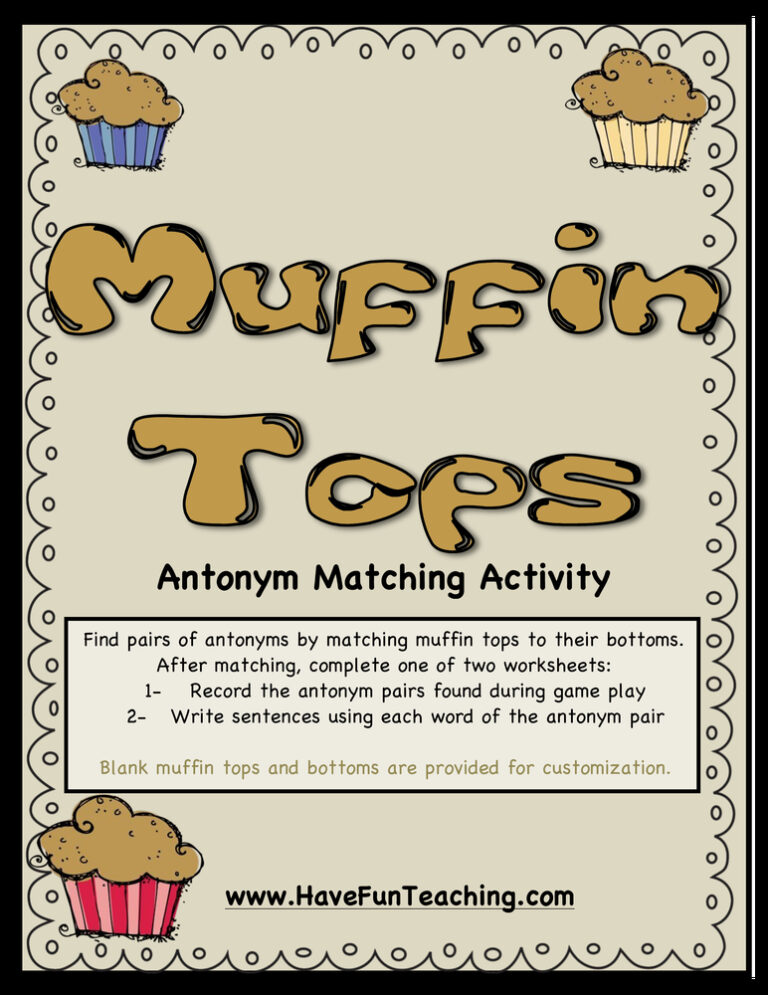
Using this Muffin Tops Antonyms Activity, students match the cards to make antonym pairs of opposite meanings.