Skip to content
Start My 3 Free Days $0 today · cancel anytime

6th Grade Health and Nutrition Resources

8 6th grade health and nutrition resources: 3 songs, 3 videos, 1 bundle and more. How teachers use these

Find the perfect resource in seconds

6th Grade Health and Nutrition Resources

8 6th grade health and nutrition resources: 3 songs, 3 videos, 1 bundle and more. How teachers use these

Bundle
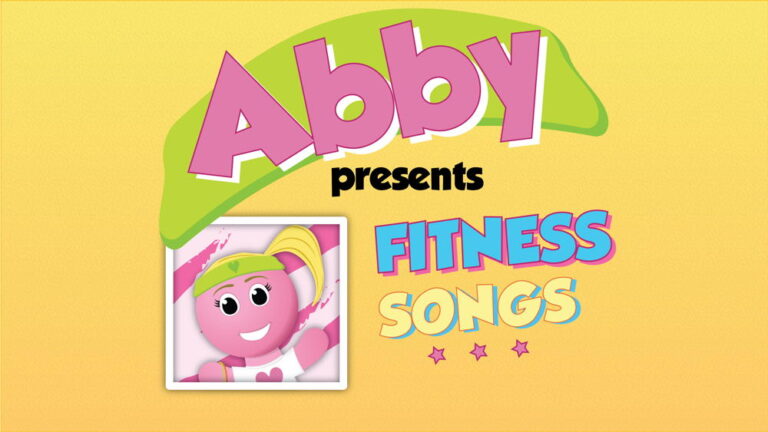
Bundle6th GradeFitness Songs (MP3 Album)

This Fitness Songs (MP3 Album) provides you and your students with seven fitness songs to get your class moving and fit in a fun and musical way!

Activity
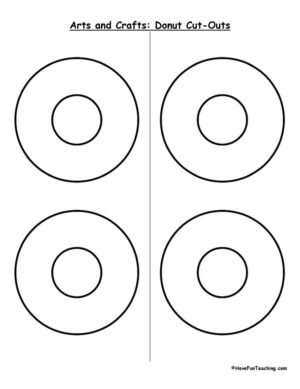
Activity6th GradeDonut Cut Outs

These Donut Cut Outs quickly give you templates that can be easily cut and applied for classroom decoration or student activities

Workbook
Workbook6th GradeHealth and Fitness Reading Comprehension Workbook

Health & Fitness Reading Comprehension Workbook includes 38 Phonics-themed Stories. 5 test questions per story. Progress Reports.

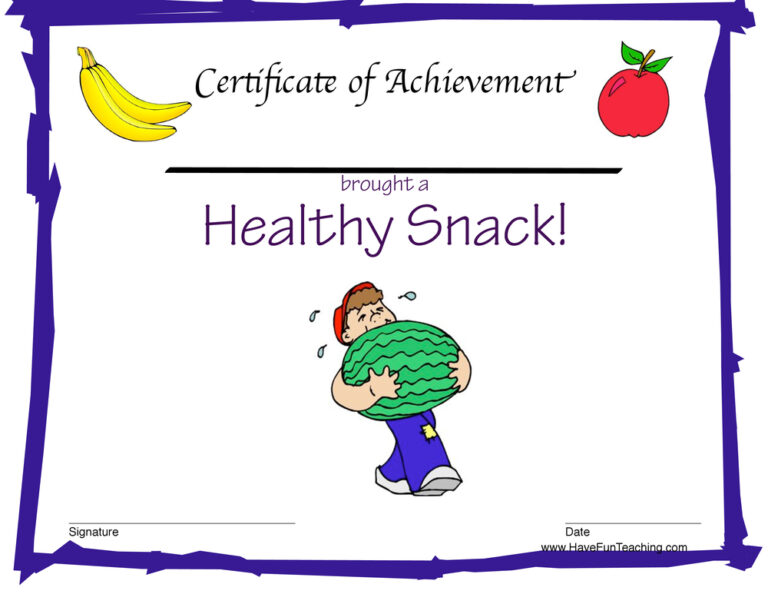
6th GradeHealthy Snack Reward Certificate for Boys

Using the Healthy Snack Reward Certificate for Boys, your student will feel celebrated and recognized for choosing to eat healthy snacks.

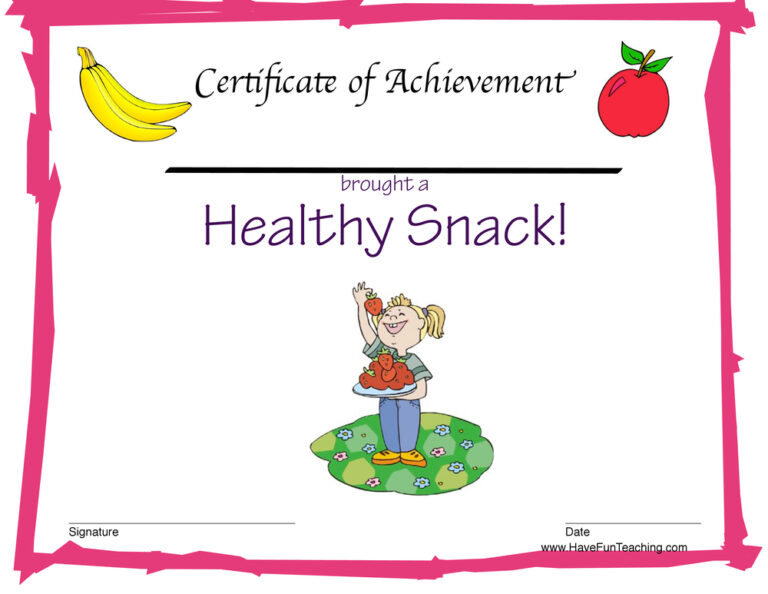
6th GradeHealthy Snack Reward Certificate for Girls

Using theHealthy Snack Reward Certificate for Girls, your student will feel celebrated and recognized for choosing to eat healthy snacks.

From our teachers' playbook

Fuel, labels and a body that works

What do 6th graders learn about health and nutrition?

Sixth graders learn what food actually does inside the body. They study the six nutrient groups: carbohydrates, proteins, fats, vitamins, minerals and water, and what job each one does. They read a nutrition label, compare serving sizes, and find hidden sugar in drinks. They also connect food, sleep and exercise to energy and focus. The click comes when kids see food as fuel for a growing body, not as "good" or "bad," and start making their own balanced choices.

Our favorite ways to teach health and nutrition

Middle schoolers want real information they can use. These moves keep it practical and positive.

Read a label together

Project a real cereal box label and think aloud: find the serving size first, then protein, fiber and added sugar. Then pairs compare two labels and decide which gives more lasting energy. Starting with serving size is the step most kids skip.

Why it works: handing over the work step by step, from teacher to student, is one of the most widely used teaching frameworks (Pearson and Gallagher, 1983).

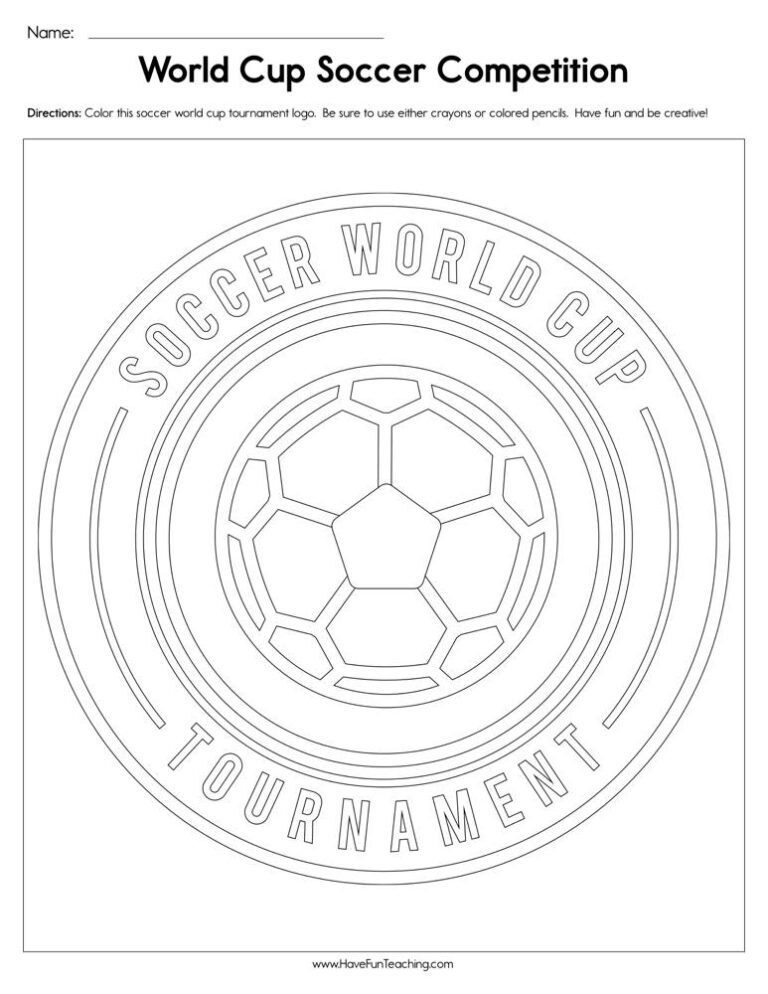
World Cup Soccer Competition WorksheetTry it withWorld Cup Soccer Competition WorksheetWorksheetsOpen it →
Read, then check yourself

Give a short health reading passage and three quick questions at the start of class. Kids answer from memory, then check with the text. Pulling facts back out is what makes them last.

Why it works: pulling an answer out of memory makes it stick far better than rereading it, one of the strongest findings in learning research (Dunlosky and colleagues, 2013).

Health and Fitness Reading Comprehension WorkbookTry it withHealth and Fitness Reading Comprehension WorkbookAssessmentsOpen it →

Return to it all year

Nutrition sticks when it comes back. Once a week, give a five-minute question about a past nutrient or label skill. Kids keep building the habit instead of forgetting it after the unit.

Why it works: the brain holds on to what it meets again and again over time; spaced practice was rated among the very best methods (Dunlosky and colleagues, 2013).

Donut Cut OutsTry it withDonut Cut OutsActivitiesOpen it →

Questions parents and teachers ask

What do 6th graders learn about nutrition?

They learn the six nutrients and what each one does, how to read nutrition labels, and how food, sleep and exercise work together for health.

What are the six nutrients?

Carbohydrates, proteins, fats, vitamins, minerals and water. Each one has a job, from giving energy to building muscle and bones.

How do I teach kids to read a nutrition label?

Start with the serving size, then look at a few key lines like protein, fiber and added sugars. Compare two real labels side by side so kids practice making a choice.

How can I talk about food in a healthy way with preteens?

Focus on what food does for the body and how it helps them feel, play and think. Avoid calling foods good or bad, and talk about balance instead.