
Skip to content
Start My 3 Free Days $0 today · cancel anytime

6th Grade Art Resources

6 6th grade art resources: 4 activities. How teachers use these

6th Grade Art Resources

6 6th grade art resources: 4 activities. How teachers use these

Activity
Activity6th GradeCircle Cut Outs

These Circle Cut Outs will quickly give you templates for classroom decoration or student activities.

Activity
Activity6th GradeDonut Cut Outs

These Donut Cut Outs quickly give you templates that can be easily cut and applied for classroom decoration or student activities

Activity
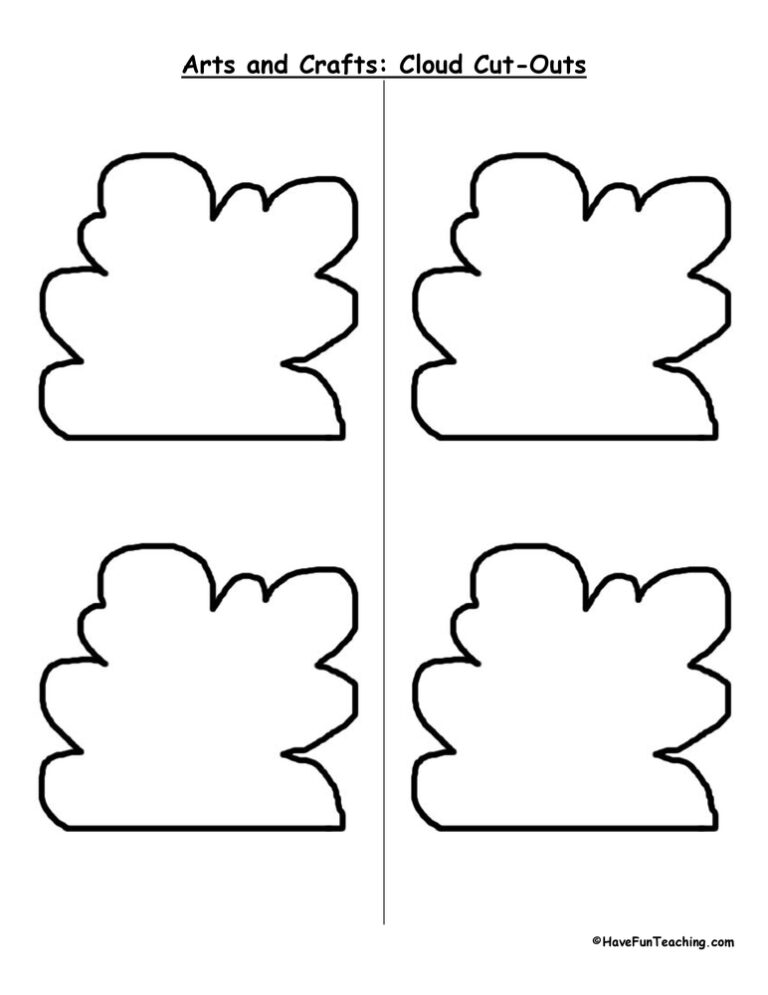
Activity6th GradeCloud Cut Outs

These Cloud Cut Outs quickly give you templates that can be easily cut and applied for classroom decoration or student activities

Activity
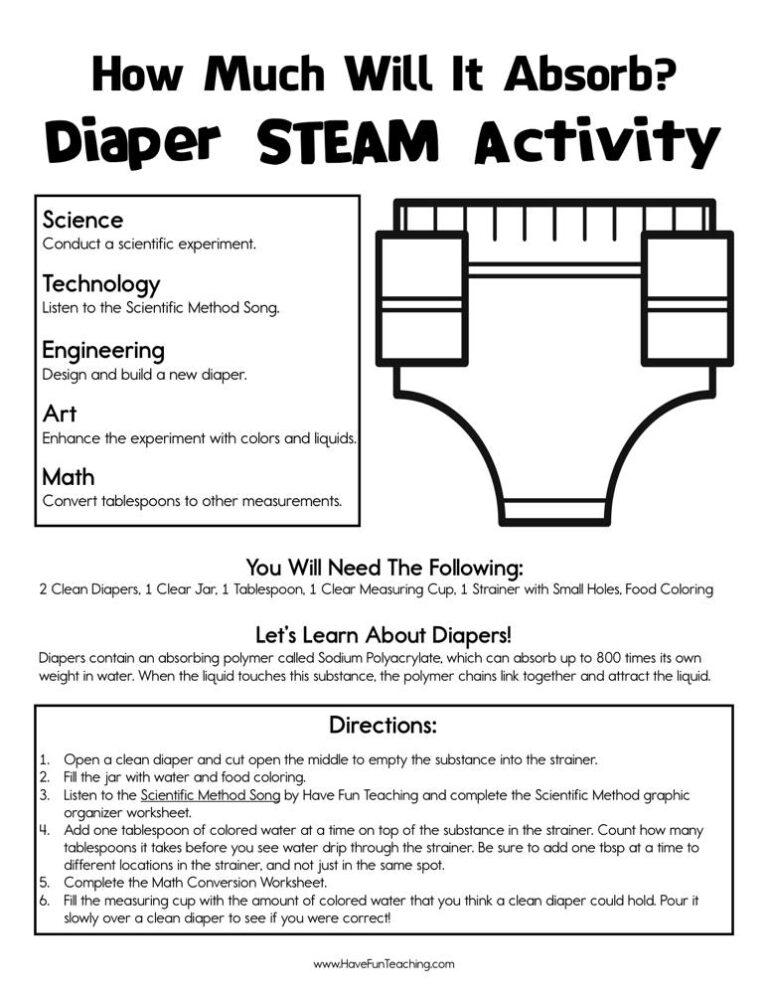
Activity6th GradeHow Much Will It Absorb Diaper STEAM Activity

Run the How Much Will It Absorb Diaper STEAM Activity as a real lab for 4th to 6th grade: test diaper gel, convert capacity units, and design a diaper, with an answer key included.

6th GradeAwesome Artist Reward Certificate

Using the Awesome Artist Reward Certificate, your students will feel celebrated and recognized for their awesome art skills!

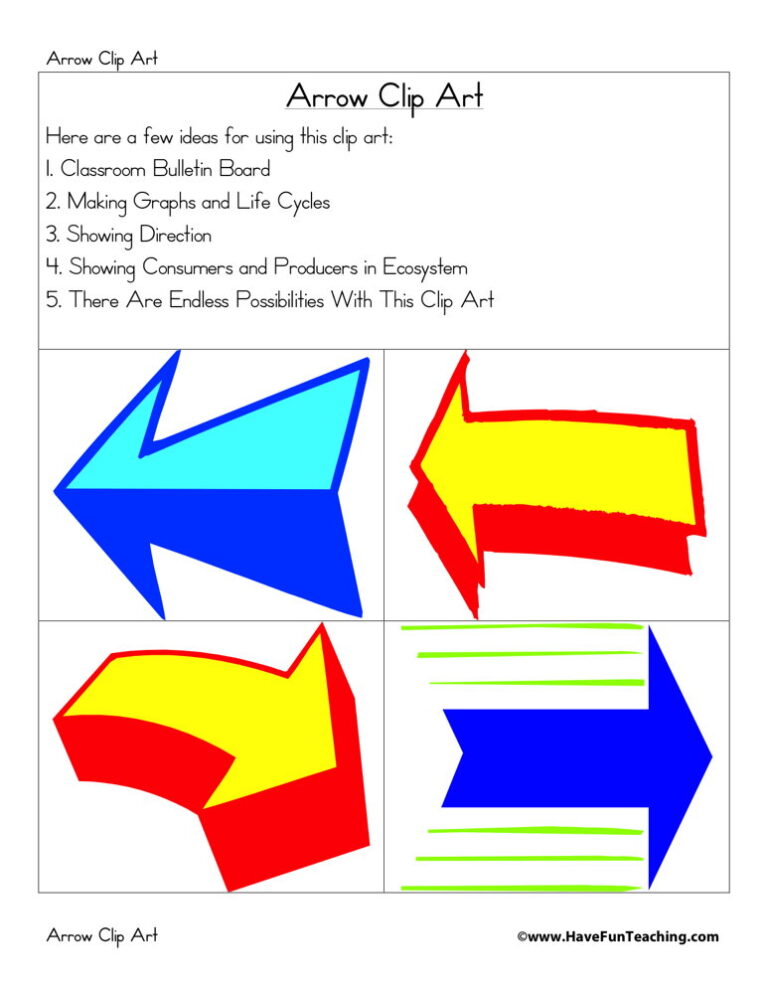
6th GradeArrow Clip Art

This Arrow Clip Art is a perfect addition to any bulletin board, flyer, or other printable that you use in your classroom.

From our teachers' playbook

Shapes, space, and a little bit of wow

What do 6th graders learn in art?

Sixth grade art is where kids start thinking like designers. They use the elements of art (line, shape, color, texture, space) and the principles of design, like balance, contrast and emphasis, on purpose instead of by accident. A simple circle becomes a planet, a donut or a sun depending on how it is placed and colored. Students plan a composition, try a thumbnail sketch, and explain their choices in art words. The click comes when they realize that where they put something matters as much as what they draw.

Our favorite ways to teach 6th grade art

Middle schoolers want real choices and a reason behind them. These moves give them both.

Thumbnail first

Before the final piece, students sketch three tiny thumbnails of the same idea using circle shapes in different spots. They pick the strongest one and tell a partner why. That one habit makes every finished piece better.

Why it works: pairing a picture with each word gives kids two ways to remember it, a well-tested principle of how people learn (Mayer, 2009).

Circle Cut OutsTry it withCircle Cut OutsActivitiesOpen it →

Collage the composition

Hand out cut-out shapes and let students arrange them before anything gets glued. Move the big shape off center, overlap two, and talk about how the balance changes. Cutting and arranging makes design choices visible.

Why it works: kids understand an idea best when they touch it, then draw it, then write it, the order the U.S. Department of Education recommends for elementary math.

Donut Cut OutsTry it withDonut Cut OutsActivitiesOpen it →

Critique like an artist

Show your own quick piece and talk through one strength and one change using art vocabulary: "The cloud shapes repeat, so my eye moves across." Then students give each other one glow and one grow in the same words.

Why it works: handing over the work step by step, from teacher to student, is one of the most widely used teaching frameworks (Pearson and Gallagher, 1983).

Cloud Cut OutsTry it withCloud Cut OutsActivitiesOpen it →

What's on this page

Teacher favorites right now: Circle Cut Outs, Donut Cut Outs and Cloud Cut Outs.

Questions parents and teachers ask

What do students learn in 6th grade art?

They learn to use the elements of art and the principles of design on purpose, plan compositions, and talk about art using real vocabulary. Many classes also explore different media, art history and artists from around the world.

What are the elements of art?

The seven elements of art are line, shape, form, color, value, texture and space. Sixth graders learn to name them and use them to plan and describe their work.

How do I make art class engaging for middle schoolers?

Give real choices in subject or materials, and ask students to explain why they made each choice. Quick experiments and peer critiques keep them invested more than step-by-step copying.

Are these art activities printable?

Yes, these are printable templates and activities you can use in class or at home. Members get every resource on the site.



