
Skip to content
Start My 3 Free Days $0 today · cancel anytime

3rd Grade Biographies Resources

4 3rd grade biographies resources: 3 worksheets, 1 assessment and 1 activity. How teachers use these

3rd Grade Biographies Resources

4 3rd grade biographies resources: 3 worksheets, 1 assessment and 1 activity. How teachers use these

Worksheet
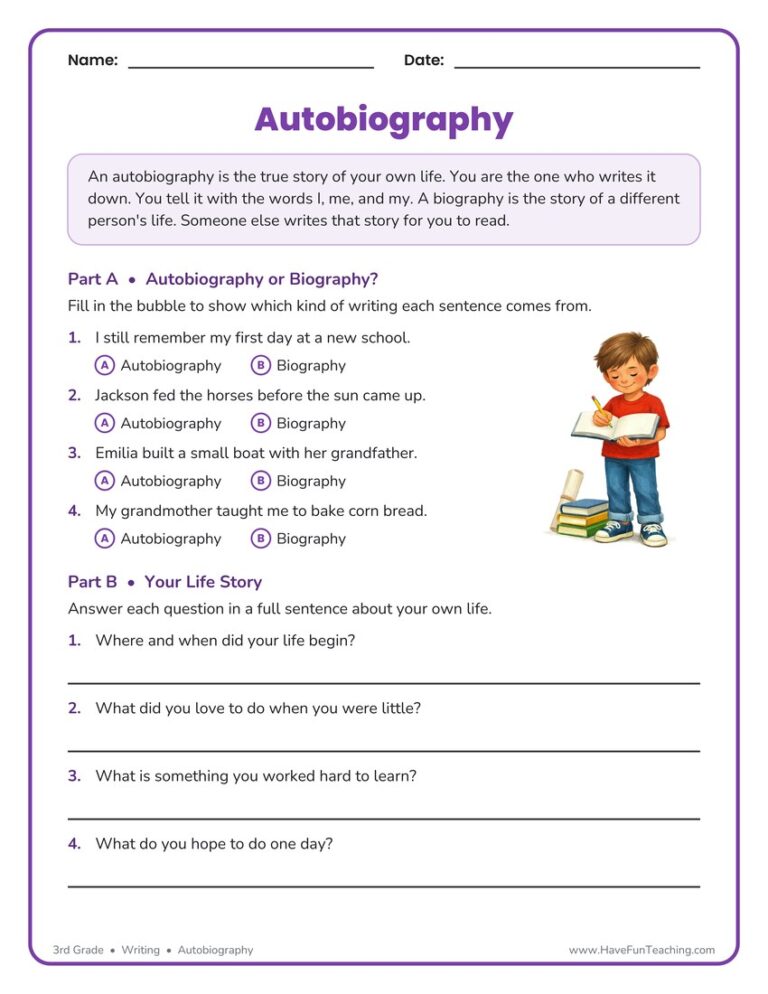
Worksheet3rd GradeAutobiography Worksheet

This Autobiography Worksheet helps 3rd graders tell an autobiography from a biography, then plan their own life story in first-person sentences. Answer key included for fast, no-prep writing practice.

Worksheet
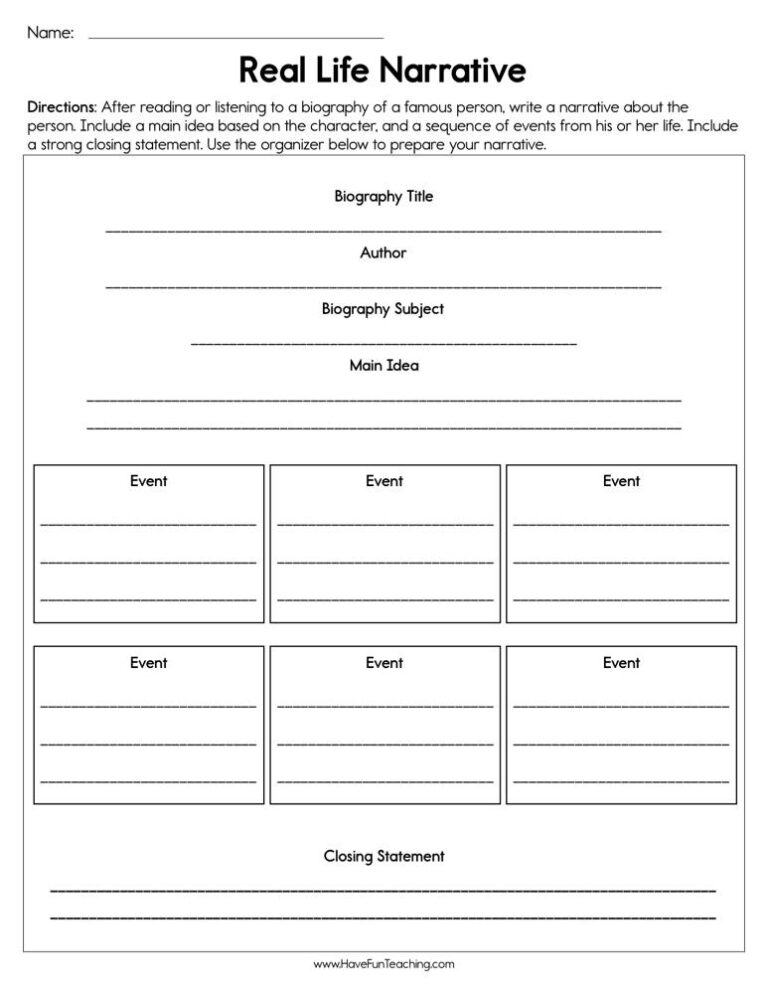
Worksheet3rd GradeReal Life Narratives Worksheet

This real life narratives worksheet helps 3rd graders plan a true story from a biography, with a main idea, four events in order, and a closing statement that ties it all together.

Assessment
Assessment3rd GradeDonald Trump Reading Comprehension Worksheet

This Donald Trump Reading Comprehension Worksheet gives 3rd graders a short, factual biography and seven text-based questions. An answer key is included, so students can build nonfiction reading skills with almost no prep.

Activity
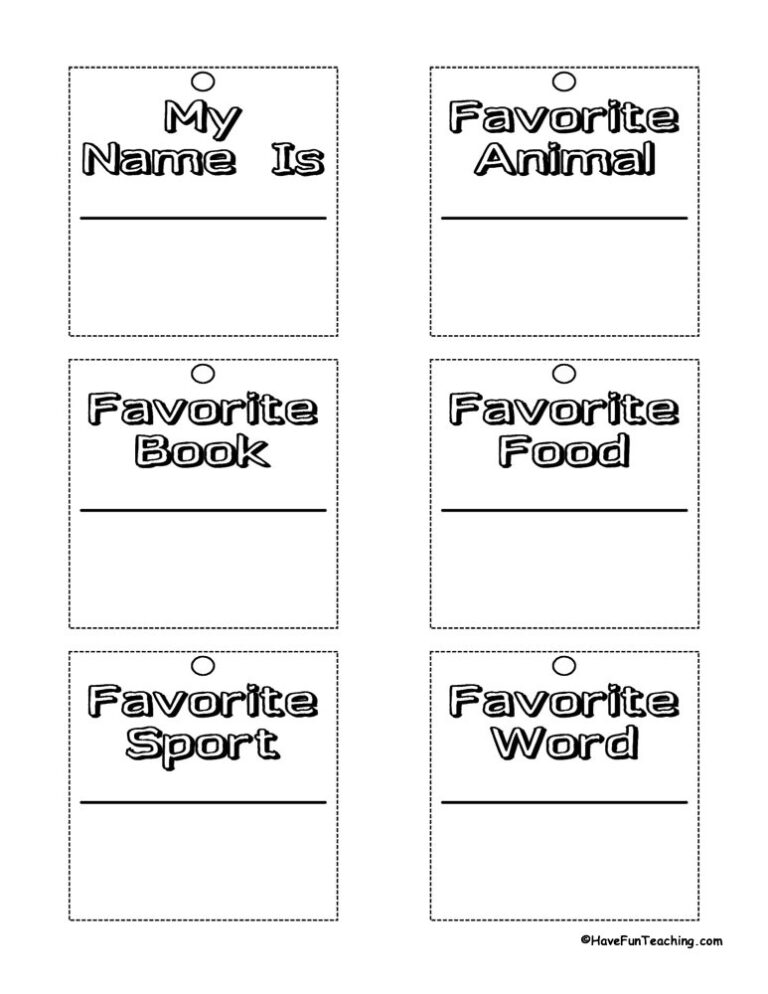
Activity3rd GradeAbout Me Mobile Activity

Using About Me Mobile Activity, students can create a mobile to introduce themselves and share important information about themselves at the beginning of a new school year!

From our teachers' playbook

Real people, real stories

What do 3rd graders learn about biographies?

Third graders learn that a biography is a true story of a real person's life written by someone else, while an autobiography is written by the person themselves. They read about inventors, leaders, athletes and artists, and look for the big events in each life, usually told in time order. They think about the person's challenges and how they made a difference. The click is when kids realize their own life is a story worth telling too.

Our favorite ways to teach biographies

Biographies connect reading, history and writing. These moves bring real people to life.

Write your own story

Before reading biographies, kids write a short autobiography with three big events from their own life. It teaches the structure from the inside out.

Why it works: kids understand an idea best when they touch it, then draw it, then write it, the order the U.S. Department of Education recommends for elementary math.
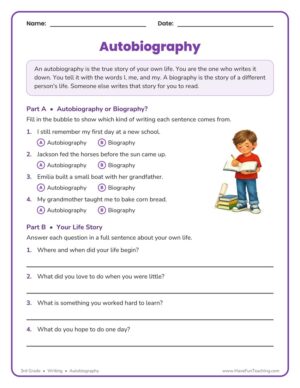
Autobiography WorksheetTry it withAutobiography WorksheetWorksheetsOpen it →

Read and respond

Read a short biography passage about a U.S. president together and answer questions about the key events in order. Talk about which events mattered most and why.

Why it works: pulling an answer out of memory makes it stick far better than rereading it, one of the strongest findings in learning research (Dunlosky and colleagues, 2013).

Donald Trump Reading Comprehension WorksheetTry it withDonald Trump Reading Comprehension WorksheetAssessmentsOpen it →

True story or not?

Read a short real-life narrative and model how to find clues that it's true: real names, dates and places. Kids then check other texts for the same clues.

Why it works: showing first, practicing together, then letting kids try alone is the "gradual release" model teachers have relied on for decades (Pearson and Gallagher, 1983).

Real Life Narratives WorksheetTry it withReal Life Narratives WorksheetWorksheetsOpen it →

Biographies questions, answered

What is a biography for 3rd graders?

A biography is a true story about a real person's life written by someone else. It usually tells the big events of their life in order.

What is the difference between a biography and an autobiography?

A biography is written by someone else. An autobiography is written by the person about their own life. The prefix auto- means self.

What should a 3rd grade biography report include?

When and where the person was born, important events in their life, challenges they faced and how they made a difference. A picture and a timeline are great extras.

How do I choose a biography for my child?

Let them pick someone they are curious about, like an athlete, scientist or artist. Interest makes a big difference in how much they read.



