
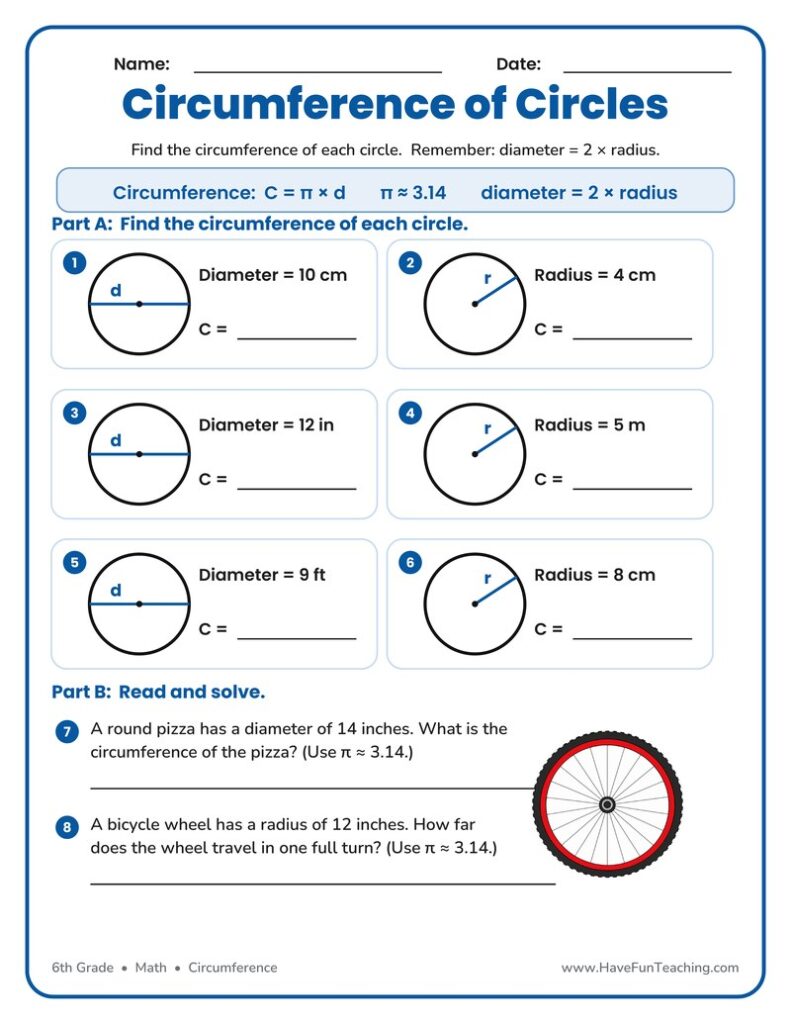
Circle Circumference Worksheet
This Circle Circumference Worksheet helps 6th graders find the circumference of circles using the radius or diameter, with clear diagrams and two real-world problems. A complete answer key is included for quick, confident practice.
$6.97
Or free with a membership — members pay $3.33/mo for all 10,000+ resources. See plans
Want this one free?
Tell us where to send it and it’s yours — no card, no catch.
One free resource per teacher. We’ll also send free teaching ideas each week — unsubscribe anytime.
Teaching is easier with a membership
Unlimited printables, games & videos for PreK–6th — for your classroom or homeschool. Cancel anytime.
Start your 3-day free trial$0 today · cancel anytime · Instant access to 10,000+ resources
About this resource
Description
This Circle Circumference Worksheet gives sixth-grade students focused practice finding the distance around a circle. Circumference is the perimeter of a circle, and learners find it by multiplying pi (about 3.14) by the diameter. Working through each problem, students see how the radius and diameter of a circle connect to its circumference and build confidence with the formula C = π × d.
This 6th grade circumference worksheet presents six labeled circles followed by two real-world word problems. For each circle, students read whether the radius or the diameter is given, double the radius when needed, and multiply by pi to find the circumference. The clear diagrams and reference box make it easy to use for independent practice, math centers, homework, or a quick review before a quiz. A complete answer key is included so students and teachers can check every calculation.
What’s Included
- 1 print-ready PDF worksheet
- Answer key
- 6 labeled circle problems and 2 real-world word problems
This circle circumference worksheet helps kids in three important ways. First, it reinforces the relationship between radius and diameter, so students stop confusing the two. Second, the mix of radius and diameter problems requires real thinking instead of repeating a single step. Third, the word problems show where circumference appears in everyday life, from a round pizza to a spinning bicycle wheel, making the math meaningful and memorable.
Teachers and parents can extend this skill in many hands-on ways. Hand students a piece of string and a ruler and let them measure the circumference of jar lids, cans, and plates, then compare their results to the formula. Challenge learners to find the diameter when the circumference is known by working backward. You can also connect circumference to real projects, such as measuring a bicycle wheel to predict how far it rolls in one full turn.
Related Resources
What teachers say
Reviews
You must be logged in to post a review.
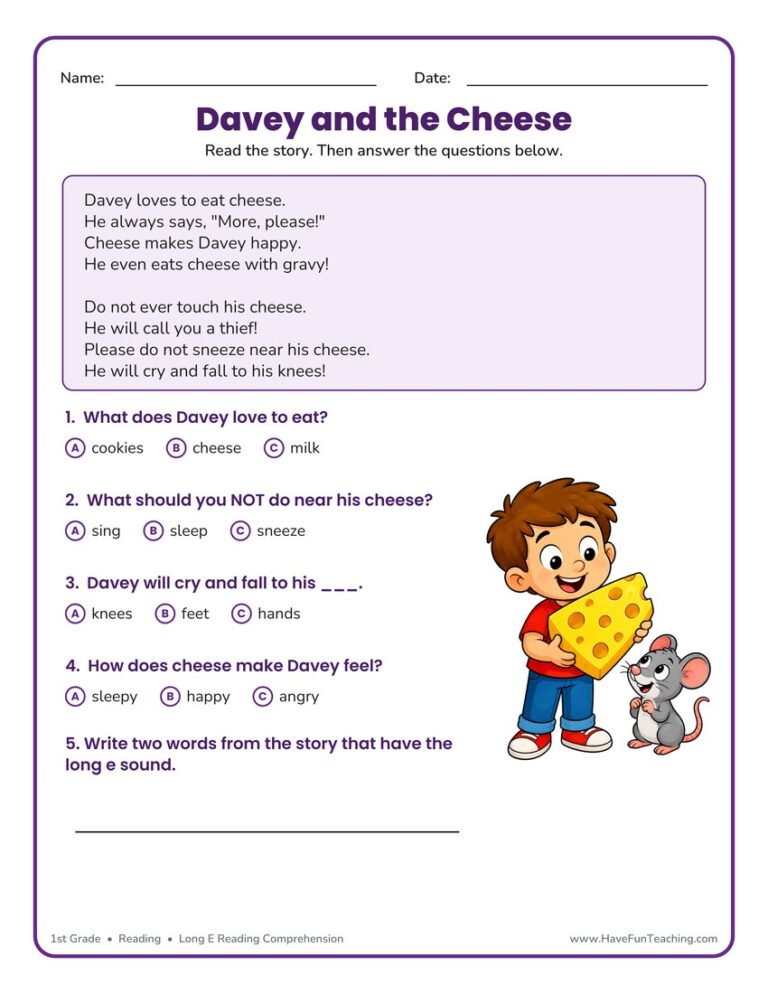
This Circumference of Circles Worksheet gives 6th graders six labeled circles to solve using C = π × d from the radius or diameter. Answer key included — perfect for no-prep circumference practice.

Using this Drawing Circumference of Circles Worksheet, students draw a circle and then find the circumference using the diameter.
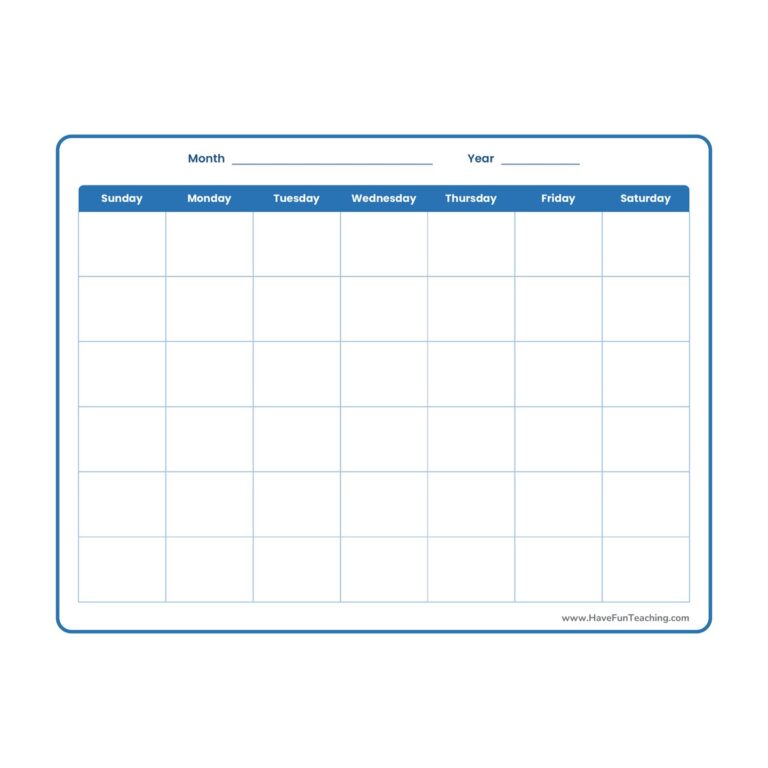
A printable, ready-to-use blank calendar with a landscape monthly grid and labeled day columns. Great for Kindergarten through 5th grade classrooms to map out lessons, holidays, and daily routines—just add the month and the dates.
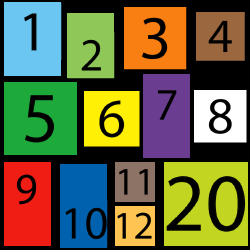
Using the Counting Songs (Classic Video Collection), students practice skip counting by all of the numbers by singing and counting along to these thirteen videos.
Using the Counting By Ones Song (Original Music Video), students practice counting by 1s by singing and counting along to this fun and engaging video!

Using the Counting By Fours Song (Original Music Video), students practice skip counting by 4s by singing and counting along to this fun and engaging video!

Using the Counting By Threes Song (Original Music Video), students practice skip counting by 3s by singing and counting along to this fun and engaging video!

Using the Counting By Twos Song (Original Music Video), students practice skip counting by 2s by singing and counting along to this fun and engaging video!

These Circle Cut Outs will quickly give you templates for classroom decoration or student activities.

Using the Counting Down From Twenty Song (Original Music Video), students practice counting down from 20 by singing and counting along to this fun and engaging video!
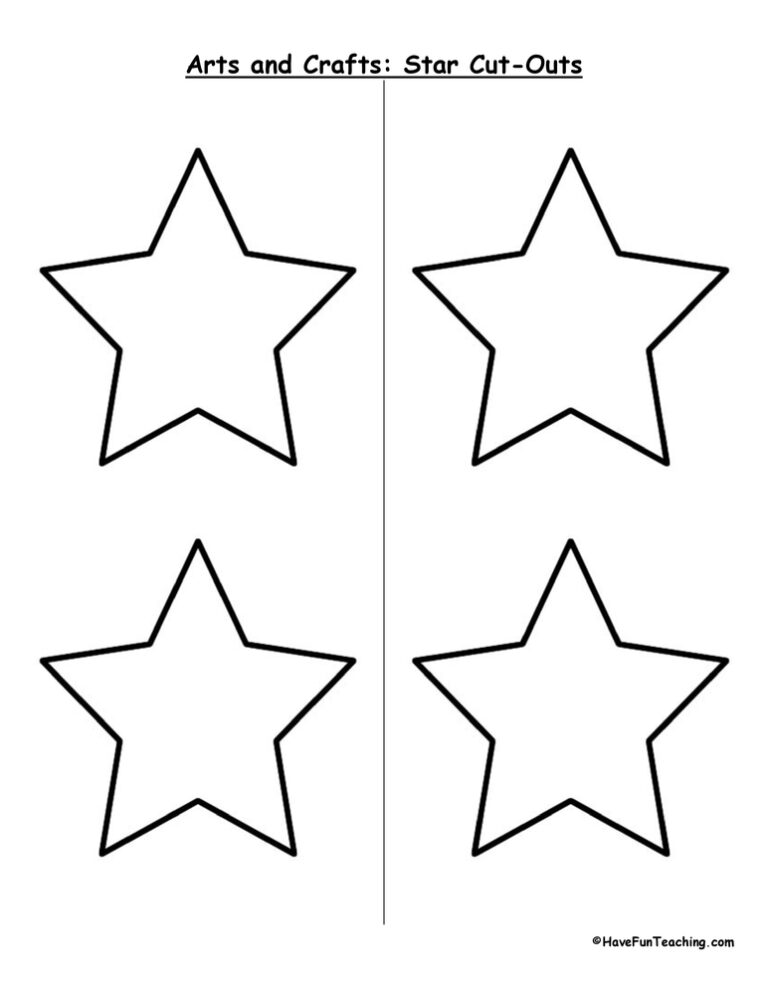
These Star Cut Outs will quickly give you templates for classroom decoration or student activities.
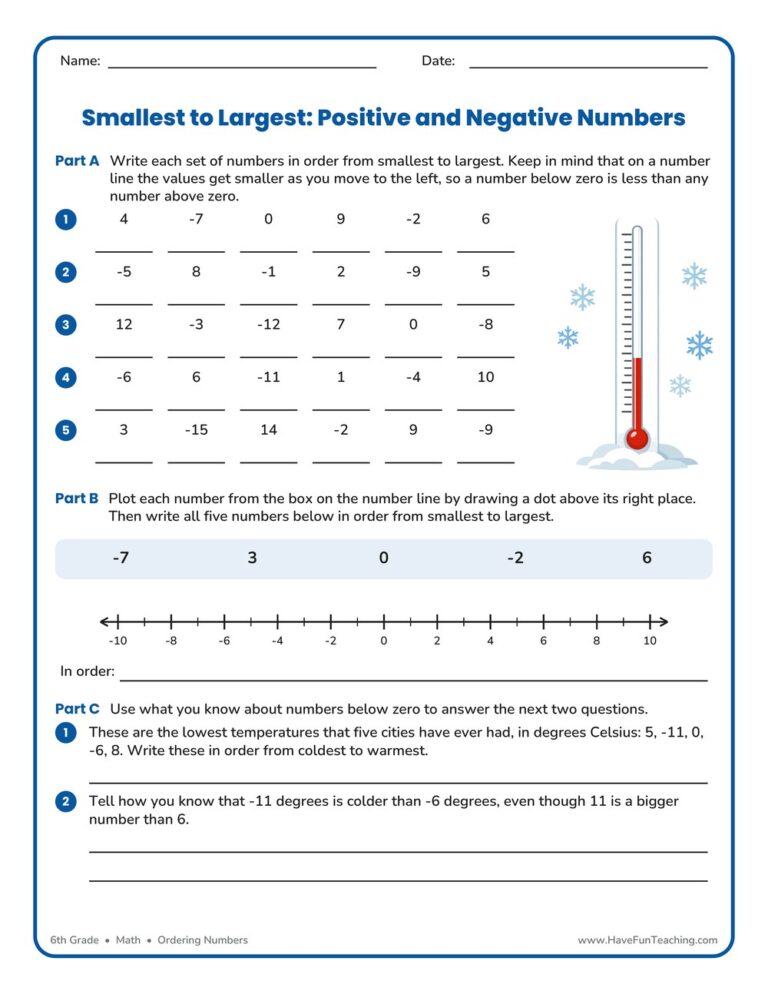
This ordering positive and negative numbers worksheet gives 6th graders five integer sets, a number line, and a real-world temperature task. Answer key included for fast, no-prep integer practice.
Reviews
There are no reviews yet