

Democracy Worksheet
This democracy worksheet helps 3rd graders learn how citizens vote, what a majority is, and how elected leaders make the laws. Answer key included, so students can finish a full civics page with no prep.
$6.97
Or free with a membership — members pay $3.33/mo for all 10,000+ resources. See plans
Want this one free?
Tell us where to send it and it’s yours — no card, no catch.
One free resource per teacher. We’ll also send free teaching ideas each week — unsubscribe anytime.
Teaching is easier with a membership
Unlimited printables, games & videos for PreK–6th — for your classroom or homeschool. Cancel anytime.
Start your 3-day free trial$0 today · cancel anytime · Instant access to 10,000+ resources
About this resource
Description
Democracy is the idea that the people hold the power, and this democracy worksheet gives third graders a clear, kid-sized way to see how that works. Students learn that citizens vote, that the side with more than half of the votes has the majority, and that the leaders we elect meet together to make the laws we all live by. Those three ideas sit at the center of every elementary civics unit on government in the United States.
This printable 3rd grade government worksheet opens with a short, on-grade paragraph students read on their own. In Part B they use a word bank — citizens, laws, majority, and vote — to finish four sentences about how a democracy works. Part C turns that vocabulary into real practice: students read a class-vote chart, add the votes, and then explain in writing why the choice with the most votes becomes the class pet. Use it as a lesson opener, a civics center, a homework page, or a quick check before a unit test.
What’s Included
- 1 print-ready PDF worksheet
- Answer key
- A short on-grade paragraph about democracy in the United States
- 4 word-bank sentences using citizens, laws, majority and vote
- A class-vote chart with 2 chart-reading questions
- 1 written response question about majority rule
Three things make this democracy worksheet stick. First, the vocabulary is taught in context, so citizens, majority, laws and vote are learned inside real sentences instead of memorized from a list. Second, the class-vote chart moves students from knowing a definition to using it, which is exactly the kind of multi-step thinking third grade standards ask for. Third, the written explanation asks students to defend an answer in their own words, which builds the civic reasoning that later grades expect.
Extend the lesson by holding a real vote in your classroom. Let students choose the read-aloud, the brain break or the class mascot, then chart the results and talk about majority rule and why everyone agrees to follow the outcome. At home, families can vote on a weekend activity or a dinner menu and count the votes together. You can also pair the page with a discussion about who makes the rules at school, at home and in the country.
Related Resources
What teachers say
Reviews
You must be logged in to post a review.
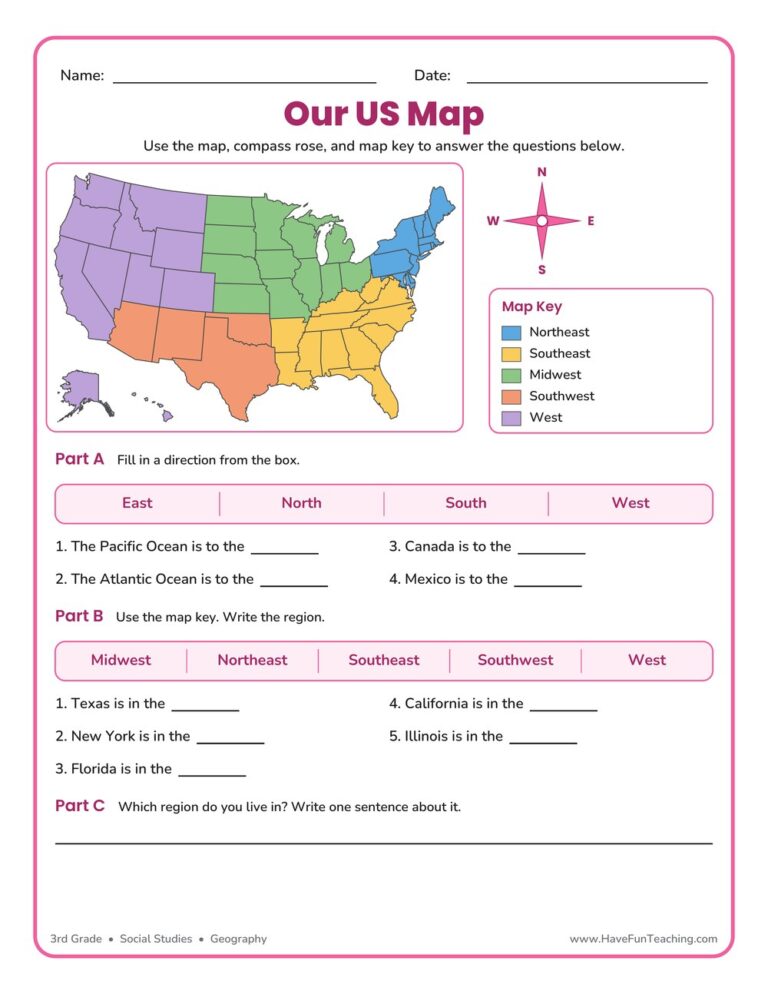
This US Map Worksheet helps 3rd grade students name the five regions of the United States, use a compass rose, and read a map key. An answer key is included, making map skills easy and fun to practice.

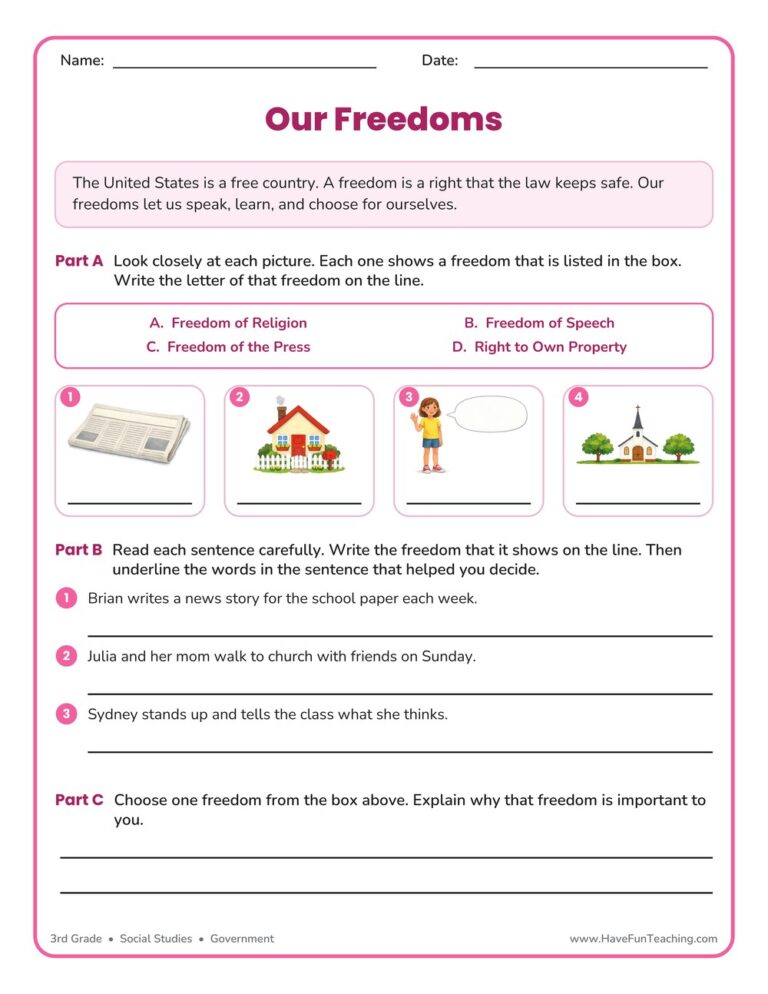
This Our Freedoms Worksheet helps 3rd Grade students name four freedoms, spot each one in everyday situations, and explain why one matters to them. An answer key is included for fast checking.
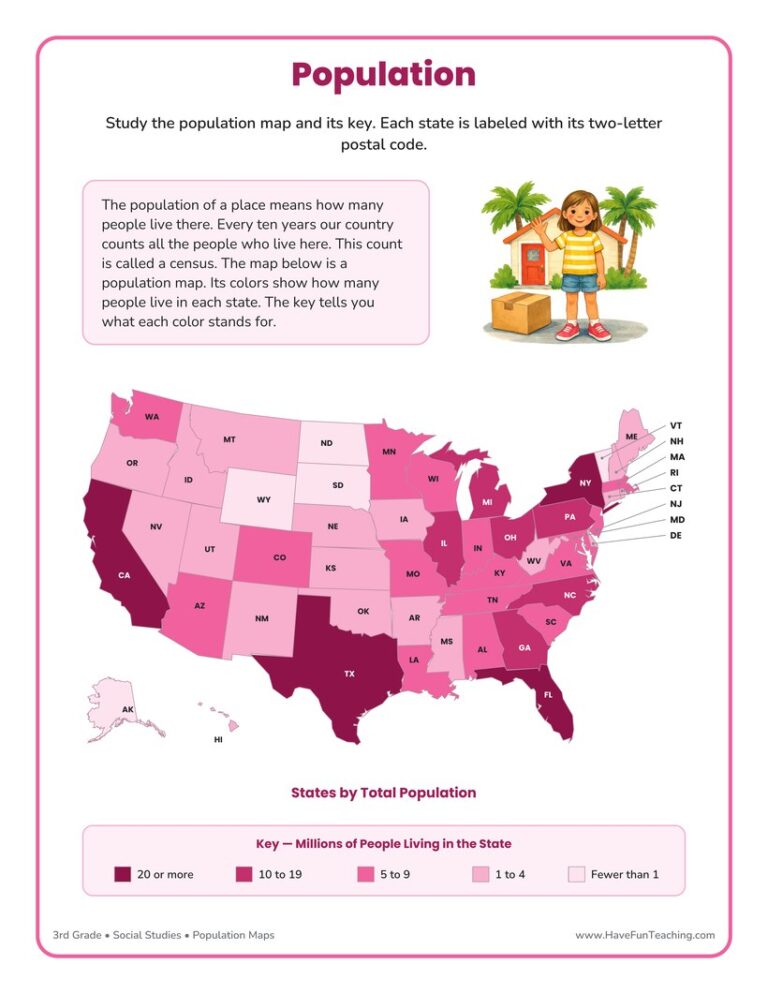
Students read a full-color U.S. population map worksheet, use the map key to compare states, and explain their thinking. Built for 3rd grade with a complete answer key - no-prep geography practice.

This Mayflower Compact worksheet gives 3rd graders a short passage about the 1620 voyage and the promise the men signed at Cape Cod, plus four questions and a writing prompt. An answer key is included.

This People in US History Worksheet asks 3rd graders to match five famous Americans to their contributions and then explain one in writing. Answer key included for quick, no-prep social studies practice.
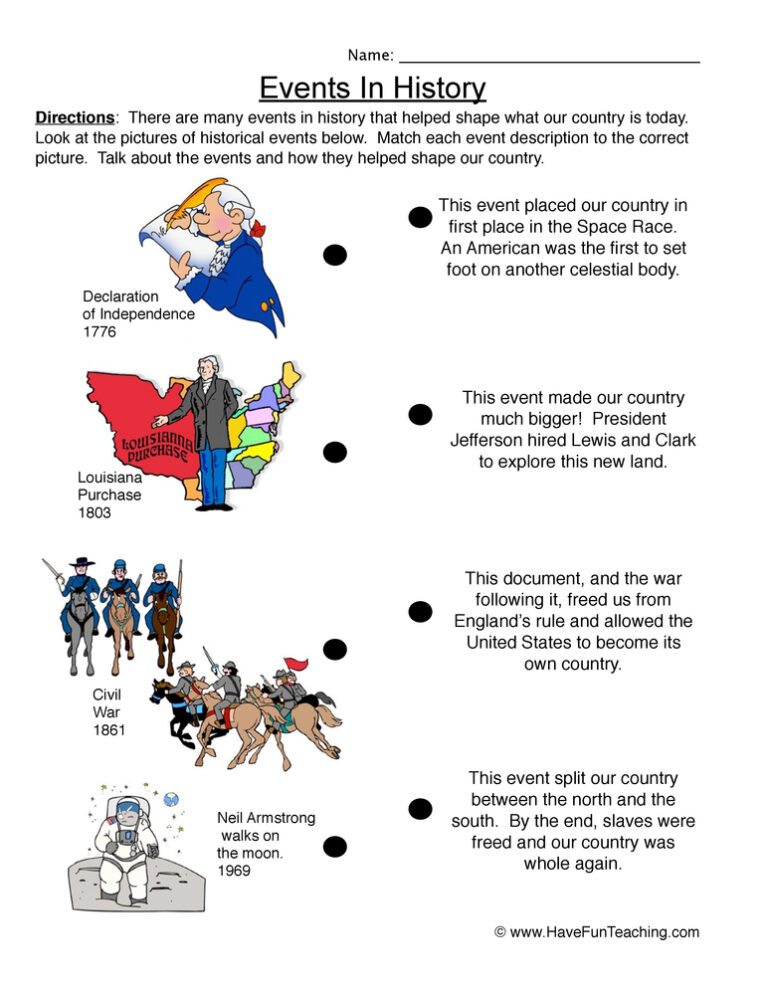
This Events in US History Worksheet has 3rd graders match five landmark American events to their descriptions, place them on a timeline, and explain why one mattered. Answer key included for fast, no-prep social studies practice.
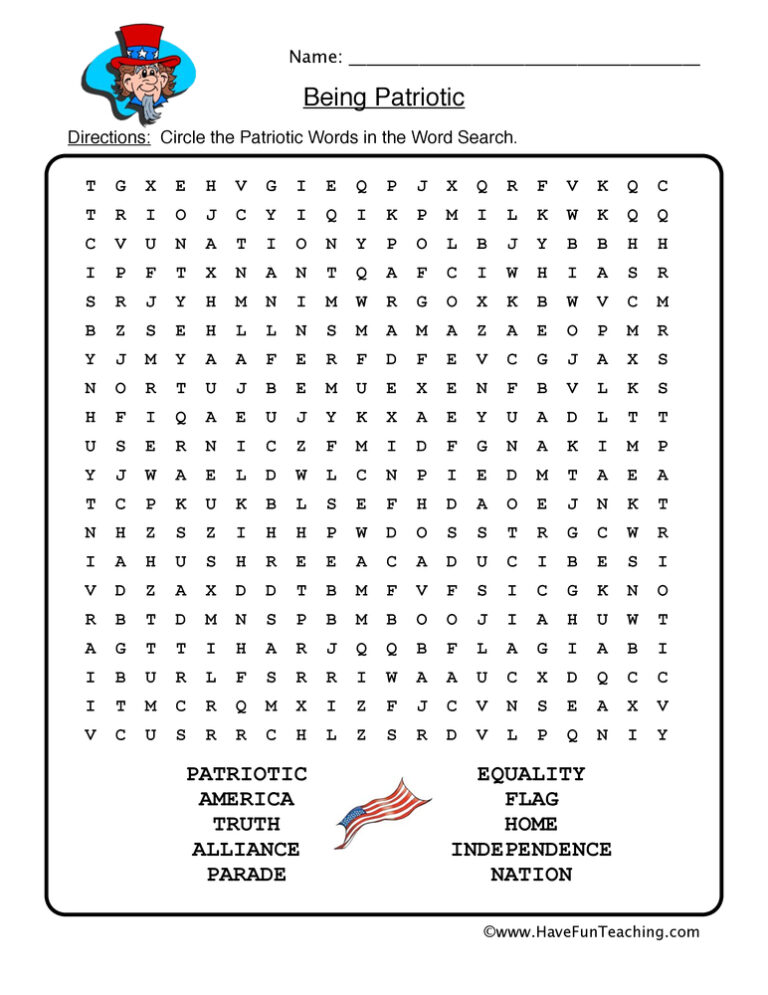
The Patriotic Word Search Worksheet gives 3rd graders six American symbol words to find in a letter grid, then six meaning clues to complete. Answer key included for quick no-prep practice.
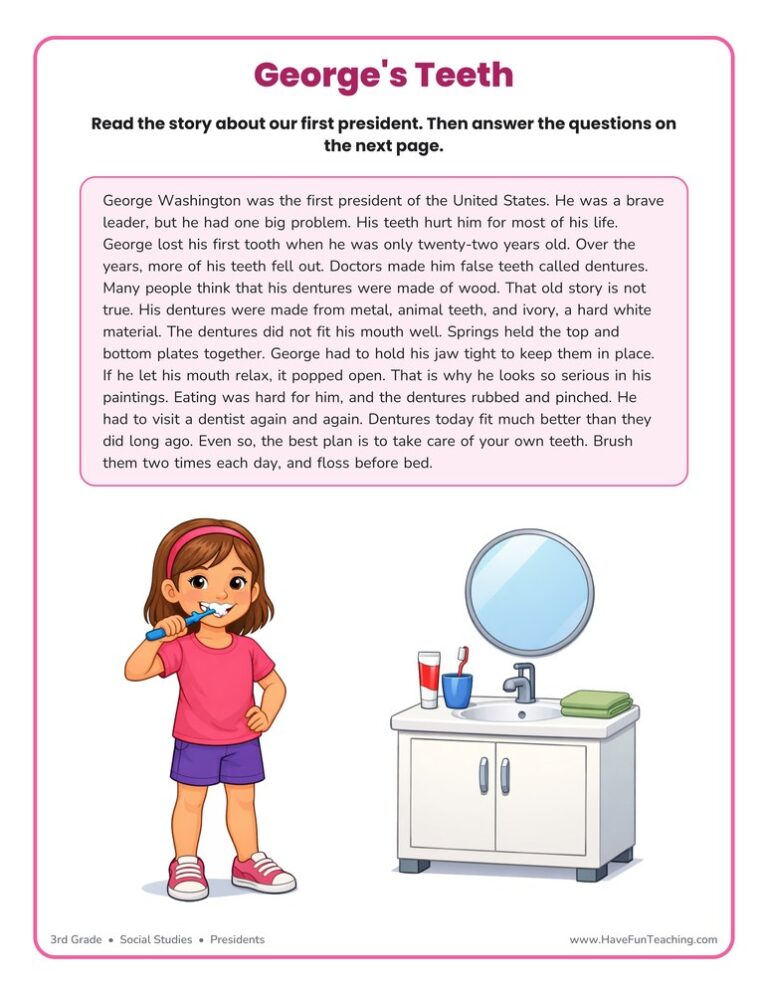
This George Washington Story Worksheet gives 3rd graders a true, kid-friendly passage about our first president plus six questions. A full answer key is included, so social studies reading practice takes no prep at all.

This Colonial America worksheet gives 3rd graders a short passage about Jamestown, the thirteen colonies, and colonial work, plus four questions and a writing prompt. An answer key is included.

This American Industrial Revolution Worksheet gives 3rd grade readers a short true passage about Samuel Slater's mill, four questions, a written response and an answer key, so main idea practice feels like real history.
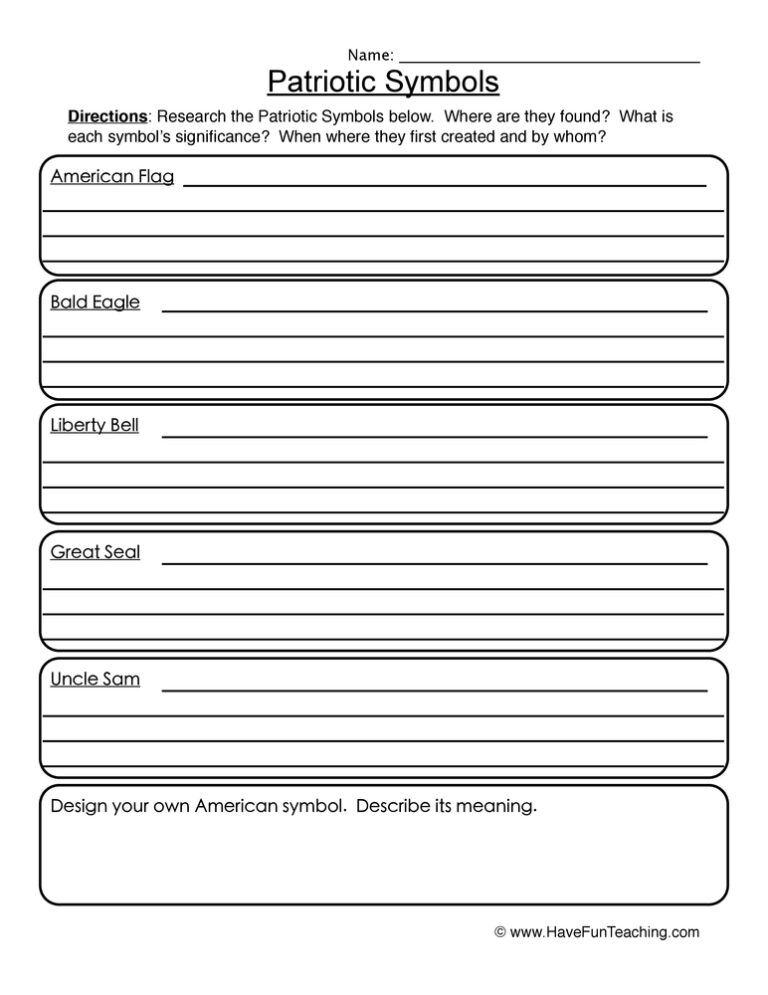
This patriotic symbols worksheet teaches 3rd grade students about the flag, bald eagle, Liberty Bell, Great Seal, and Uncle Sam, with an answer key included to build civic pride.

Reviews
There are no reviews yet