

Historical Events Order of Events Worksheet
This historical events order of events worksheet gives 3rd graders five real events to place in order and four more to label ancient or modern. An answer key is included, so checking work takes only seconds.
$6.97
Or free with a membership — members pay $3.33/mo for all 10,000+ resources. See plans
Want this one free?
Tell us where to send it and it’s yours — no card, no catch.
One free resource per teacher. We’ll also send free teaching ideas each week — unsubscribe anytime.
Teaching is easier with a membership
Unlimited printables, games & videos for PreK–6th — for your classroom or homeschool. Cancel anytime.
Start your 3-day free trial$0 today · cancel anytime · Instant access to 10,000+ resources
About this resource
Description
Putting events in order is one of the first ways a child starts to think like a historian. This historical events order of events worksheet asks third graders to look at five real moments from the past, compare how long ago each one happened, and line them up from the earliest to the most recent. Sequencing history is harder than sequencing a story. In a story the clues are words like first, next, and finally. In history the clues are numbers, and a bigger number means a longer time ago, which is exactly the reverse of what most children expect.
The worksheet has three parts and works well as morning work, a social studies warm-up, or a quick check after a lesson on timelines. In Part A, students write 1 through 5 in the boxes to order the building of the Great Pyramid, the building of a long stone wall in China, the first sheets of paper, the first phone call, and the first airplane flight. In Part B, this 3rd grade history sequencing worksheet gives a simple definition of ancient times and modern times and asks students to fill in a bubble for four more events. Part C asks for two sentences explaining how one event changed the way people lived, so the page finishes with real writing rather than another matching task.
What’s Included
- 1 print-ready PDF worksheet
- Answer key
- 5 order-the-events cards, 4 ancient-or-modern bubble questions, and 1 written response
Three things make this historical events order of events worksheet useful. First, it builds number sense alongside history, because students have to compare 120, 150, 1,900, 2,200, and 4,500 and understand that the largest number came first. Second, it gives students a rule they can apply instead of a fact they must memorize: anything more than 1,500 years ago is ancient, and the last 500 years are modern. Third, the written response asks for cause and effect, which is the reasoning skill state tests place right beside sequencing.
Teachers and parents can stretch the lesson in a few easy ways. Run a length of yarn across the classroom and clip the five cards onto it as a living timeline, spacing them so the huge gap between the pyramid and the phone call is easy to see. Ask students to add one event from their own life and one from their family, then talk about why those feel far away but are not. A quick sorting game with picture cards of old and new tools also helps children hear the words ancient and modern in conversation before they meet them on a test.
Related Resources
What teachers say
Reviews
You must be logged in to post a review.

This Mayflower Compact worksheet gives 3rd graders a short passage about the 1620 voyage and the promise the men signed at Cape Cod, plus four questions and a writing prompt. An answer key is included.
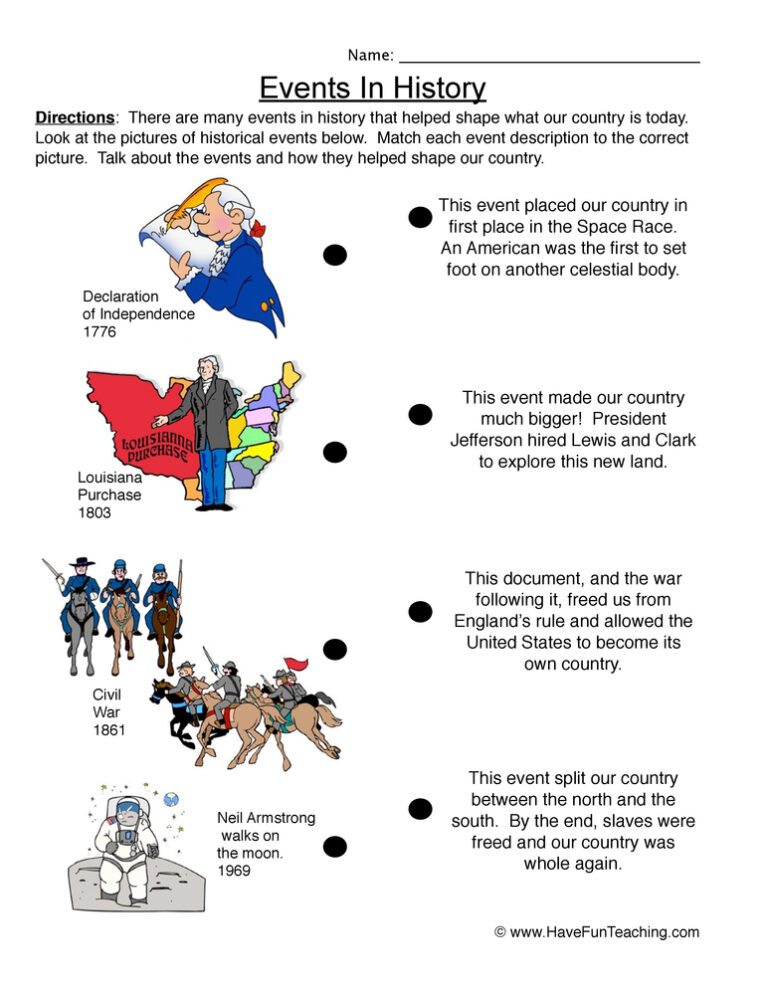
This Events in US History Worksheet has 3rd graders match five landmark American events to their descriptions, place them on a timeline, and explain why one mattered. Answer key included for fast, no-prep social studies practice.

This People in US History Worksheet asks 3rd graders to match five famous Americans to their contributions and then explain one in writing. Answer key included for quick, no-prep social studies practice.

This national parks matching worksheet has 3rd grade students link six famous parks to their states and answer three clues. An answer key is included, so practice stays quick and easy to check.
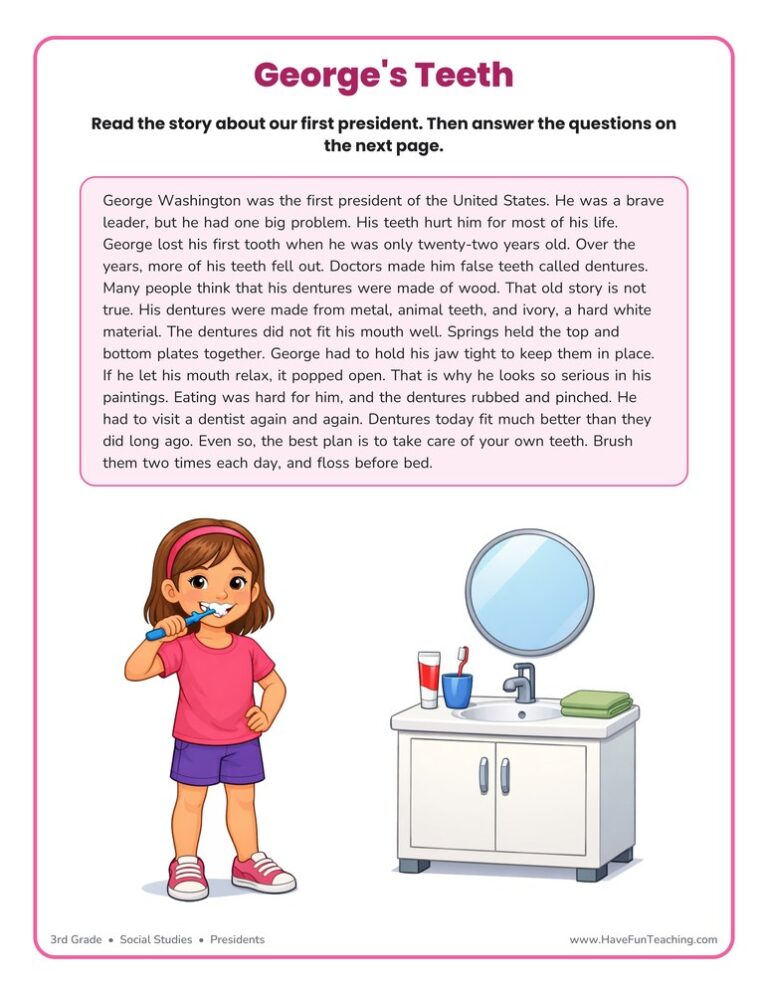
This George Washington Story Worksheet gives 3rd graders a true, kid-friendly passage about our first president plus six questions. A full answer key is included, so social studies reading practice takes no prep at all.
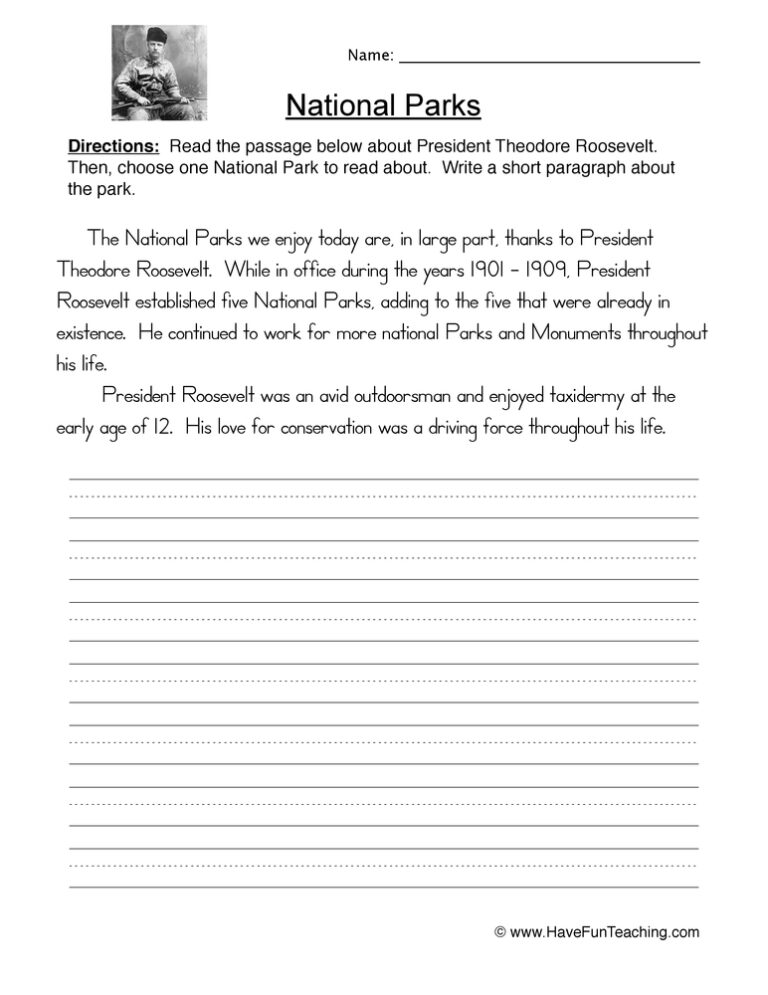
This National Parks Report Worksheet gives 3rd graders a 224-word passage on what national parks are and how they began, plus four questions and a written response. Answer key included.

This landmarks worksheet has 3rd graders sort eight famous landmarks into Natural and Man-Made columns, then name three more from clues. Answer key included for quick, no-prep geography practice.

This American Industrial Revolution Worksheet gives 3rd grade readers a short true passage about Samuel Slater's mill, four questions, a written response and an answer key, so main idea practice feels like real history.

This Colonial America worksheet gives 3rd graders a short passage about Jamestown, the thirteen colonies, and colonial work, plus four questions and a writing prompt. An answer key is included.
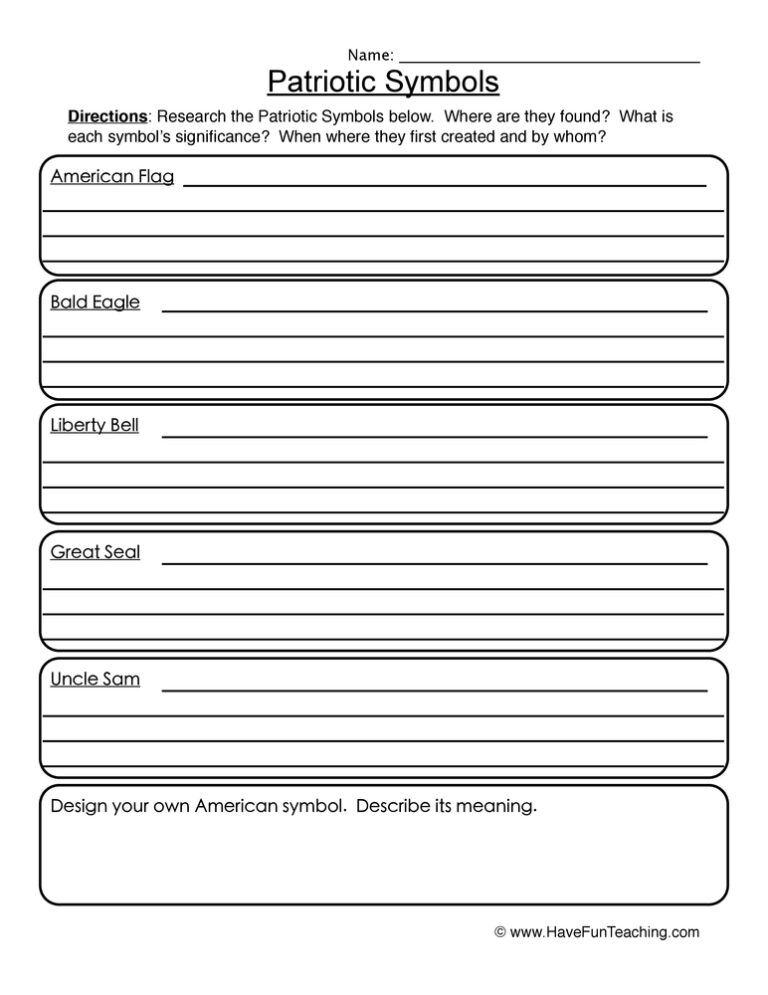
This patriotic symbols worksheet teaches 3rd grade students about the flag, bald eagle, Liberty Bell, Great Seal, and Uncle Sam, with an answer key included to build civic pride.
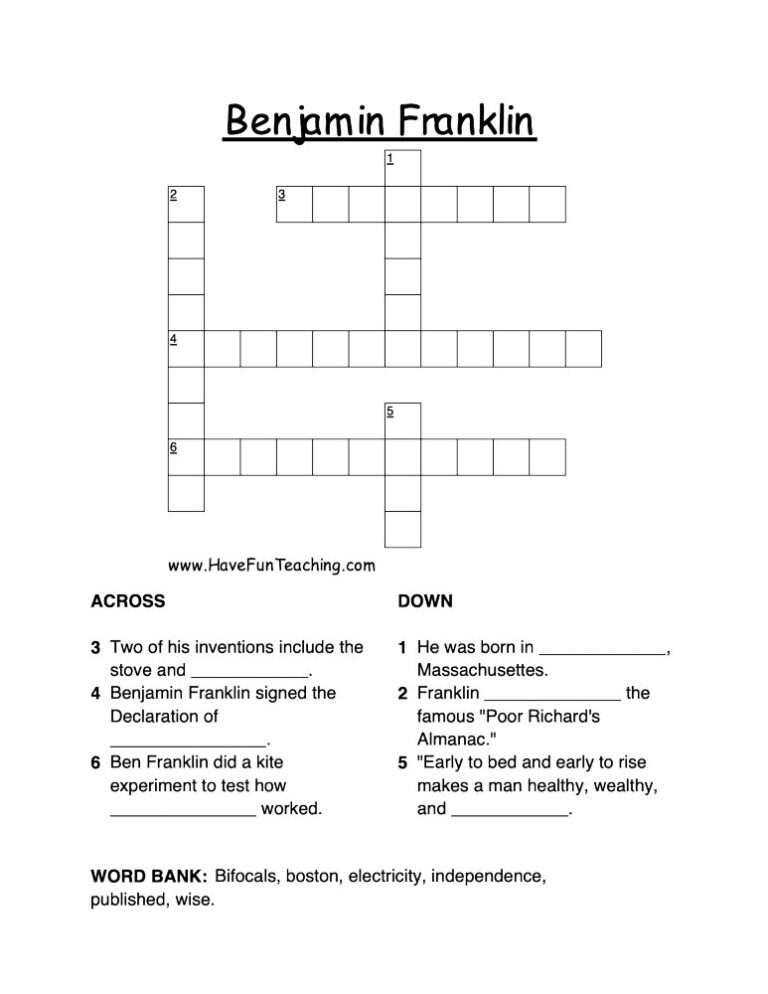
This Benjamin Franklin crossword puzzle worksheet lets 3rd grade students review the life and inventions of Ben Franklin, with a short writing question and an answer key for easy checking.
Reviews
There are no reviews yet