

Laws of the Land Worksheet
The Laws of the Land worksheet guides 3rd grade students to research the real laws of their own town and record them under four community topics, building civics and research skills.
$6.97
Or free with a membership — members pay $3.33/mo for all 10,000+ resources. See plans
Want this one free?
Tell us where to send it and it’s yours — no card, no catch.
One free resource per teacher. We’ll also send free teaching ideas each week — unsubscribe anytime.
Teaching is easier with a membership
Unlimited printables, games & videos for PreK–6th — for your classroom or homeschool. Cancel anytime.
Start your 3-day free trial$0 today · cancel anytime · Instant access to 10,000+ resources
About this resource
Description
Every town and city has laws — rules made by its local government to keep people safe and to treat everyone fairly. This Laws of the Land Worksheet helps students discover that the rules they follow every day, from crosswalks to trash pickup, come from real leaders in their own community. Instead of memorizing a list, children investigate the laws where they live and see how local government shapes daily life.
This 3rd grade government worksheet is a research organizer. Students write the name of their town or city, then find out and record one or two real laws under four topics: public safety, homes and businesses, keeping the town clean, and parking and cars. Class discussion, a family interview, the town website, or a visit from a police officer or town official all make great sources. Because every community is different, every student’s answers will be their own.
What’s Included
- 1 print-ready PDF worksheet
- A “My town or city” line to name the community being studied
- 4 numbered topic boxes with three writing lines each
Here are three reasons this Laws of the Land Worksheet works well in the classroom. First, it connects civics to the real world, so students see government as something that affects their own street and school. Second, it builds research skills, because students must ask questions, listen, and record facts in their own words. Third, sorting laws by topic helps children understand why a community needs different kinds of rules.
Ideas for Teachers and Parents
Invite a school resource officer or town council member to answer questions, then let students fill in their boxes during the visit. Compare answers as a class and talk about how each law keeps people safe or treats people fairly. At home, take a walk around the neighborhood and look for signs that show local laws, such as speed limits, no-parking zones, and recycling bins.
Related Resources
What teachers say
Reviews
You must be logged in to post a review.
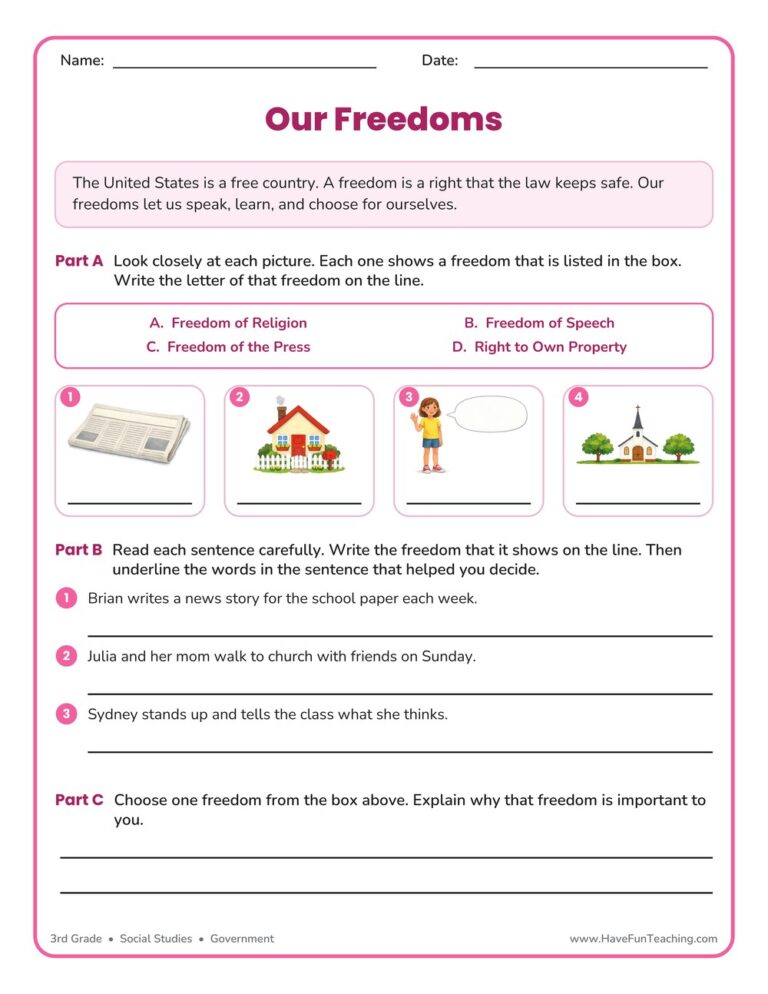
This Our Freedoms Worksheet helps 3rd Grade students name four freedoms, spot each one in everyday situations, and explain why one matters to them. An answer key is included for fast checking.
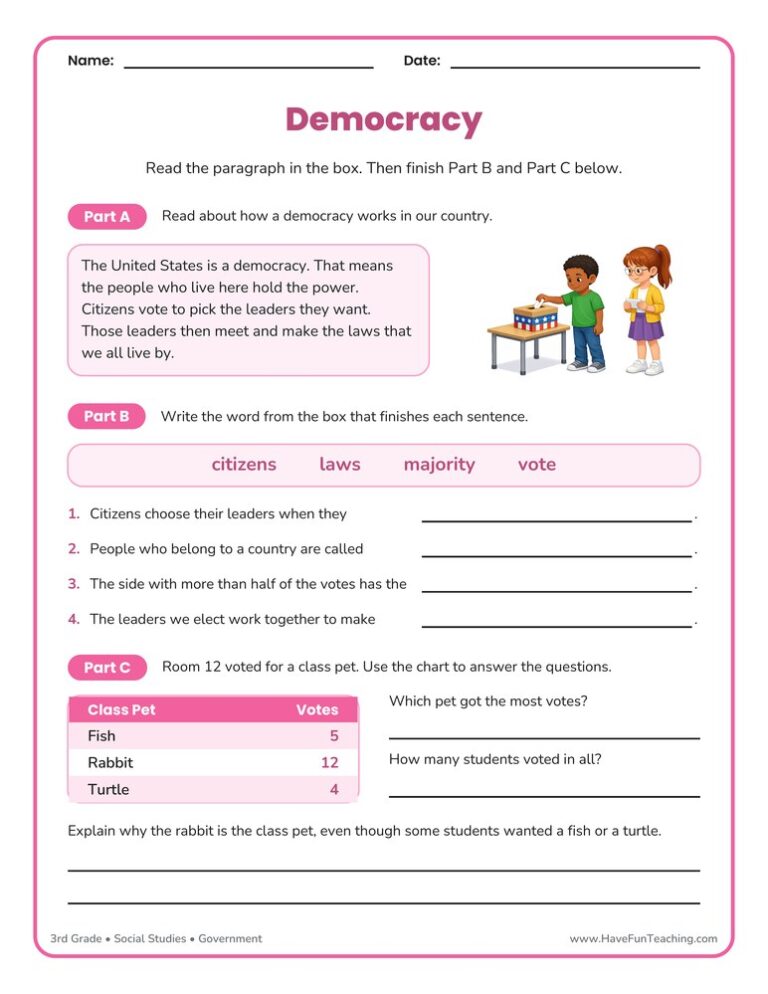
This democracy worksheet helps 3rd graders learn how citizens vote, what a majority is, and how elected leaders make the laws. Answer key included, so students can finish a full civics page with no prep.
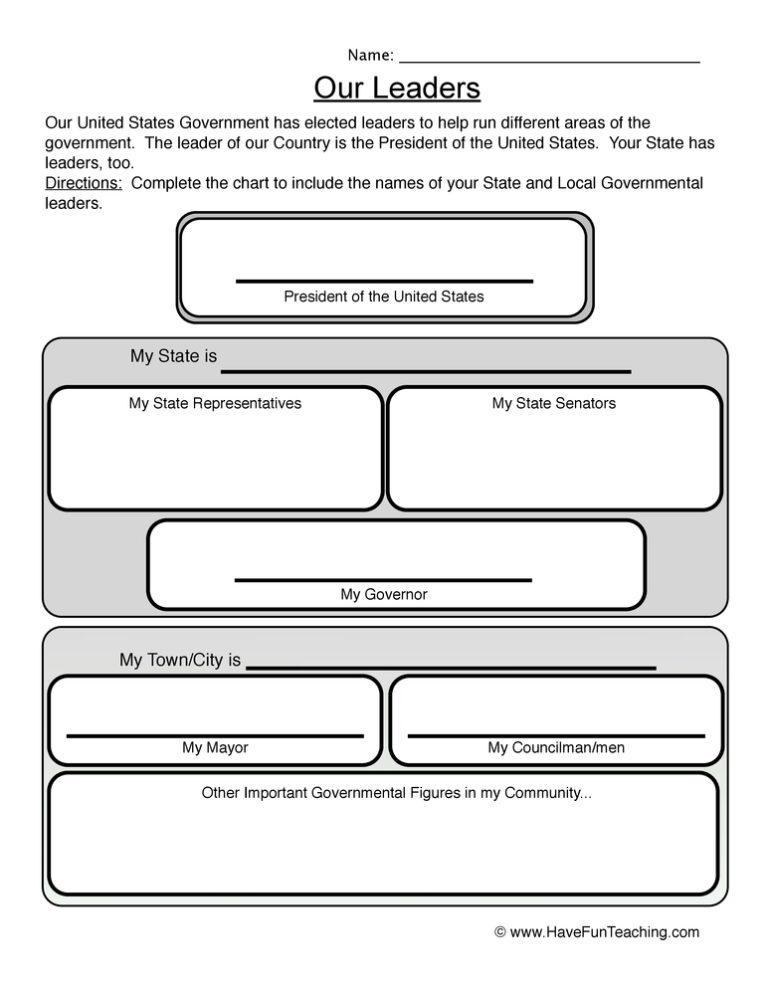
This Our Leaders Worksheet has 3rd graders match the President, governor, mayor, senator and judge to the people each one serves, then apply it to real situations. Answer key included for fast, no-prep civics practice.
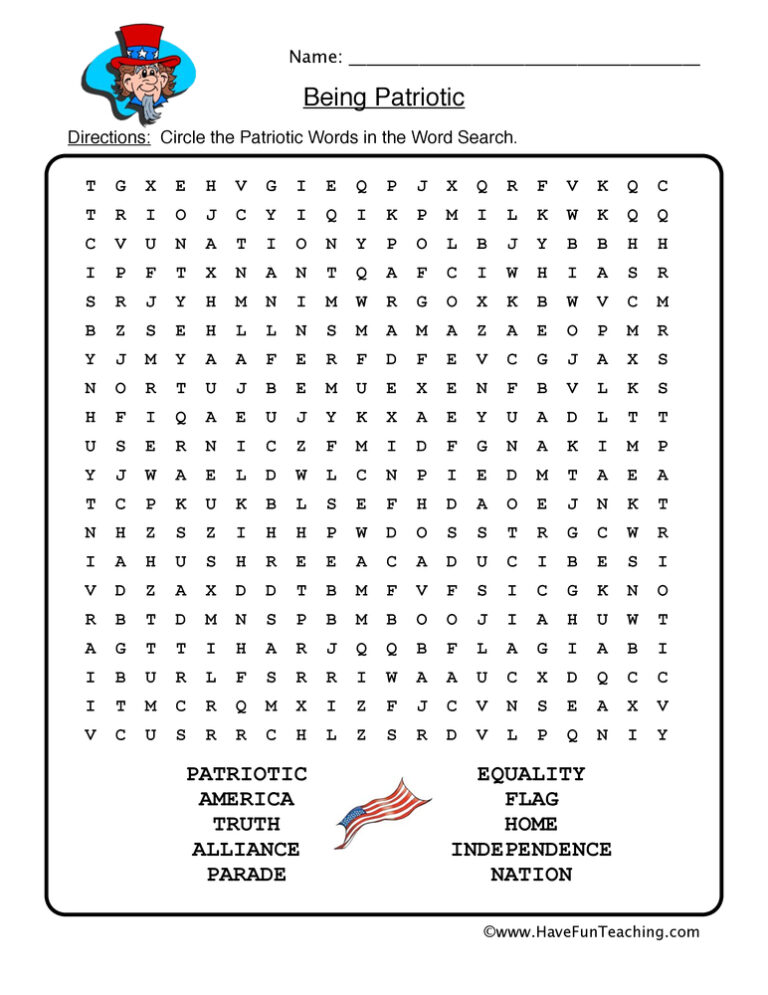
The Patriotic Word Search Worksheet gives 3rd graders six American symbol words to find in a letter grid, then six meaning clues to complete. Answer key included for quick no-prep practice.
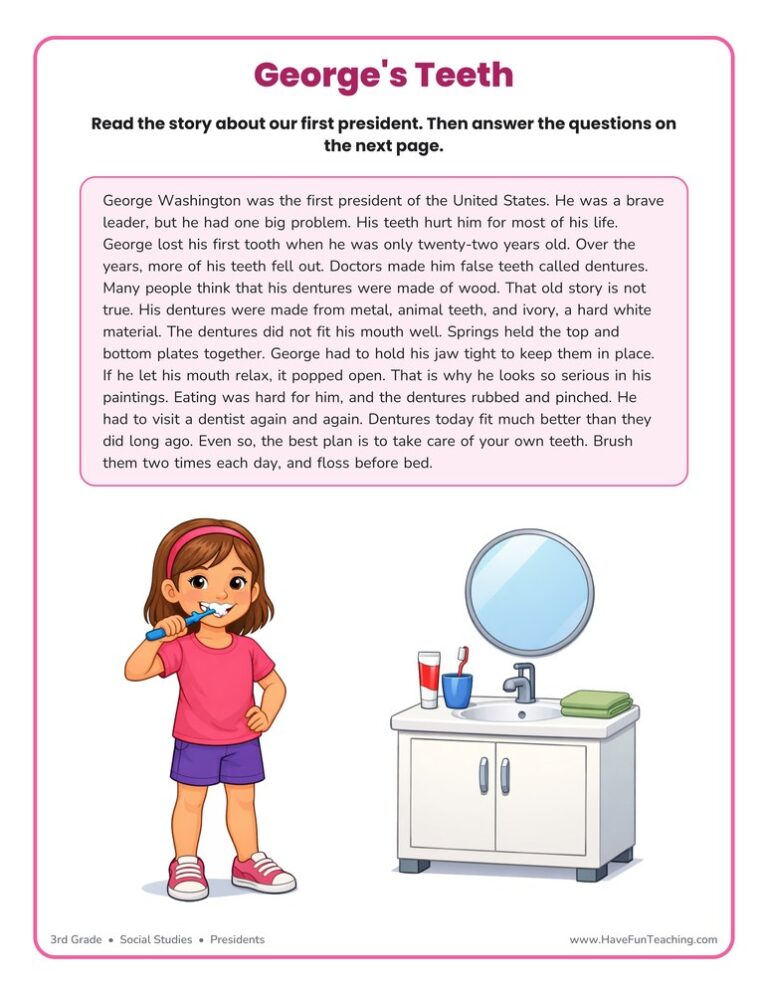
This George Washington Story Worksheet gives 3rd graders a true, kid-friendly passage about our first president plus six questions. A full answer key is included, so social studies reading practice takes no prep at all.
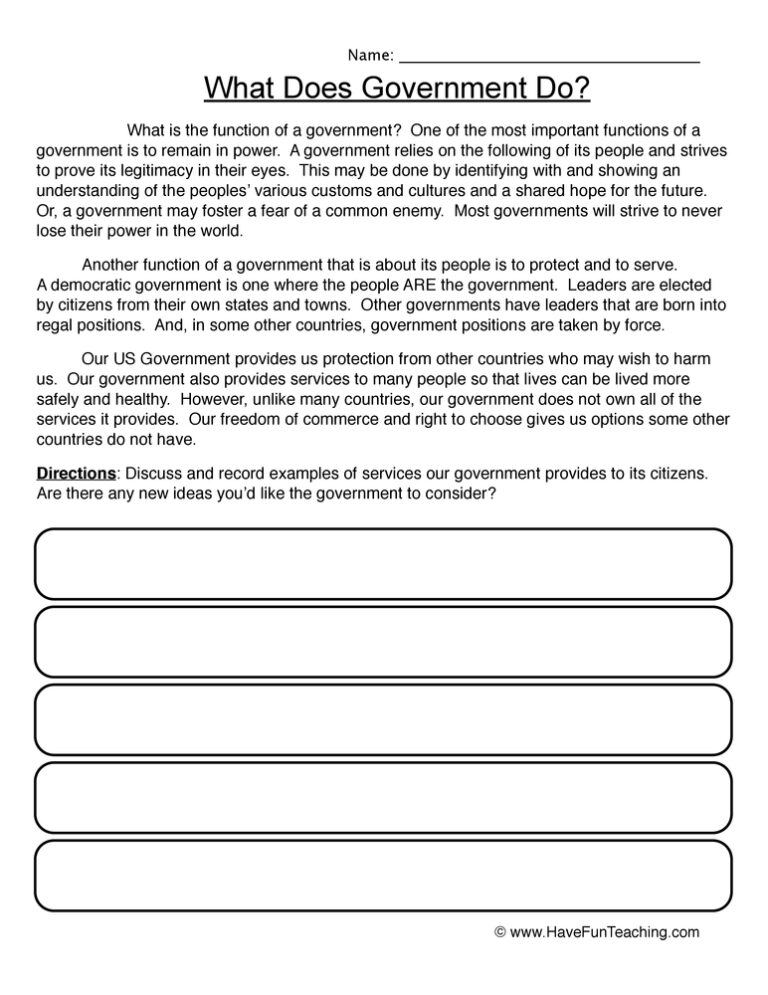
This Government Functions Worksheet asks 3rd grade students to finish four sentences about town services, then circle the three things a town pays for. An answer key is included for quick marking.

This government services worksheet has 3rd grade students match four clues to the library, park, police, and recycling services, then write about why a town pays for them. An answer key with sample responses is included.
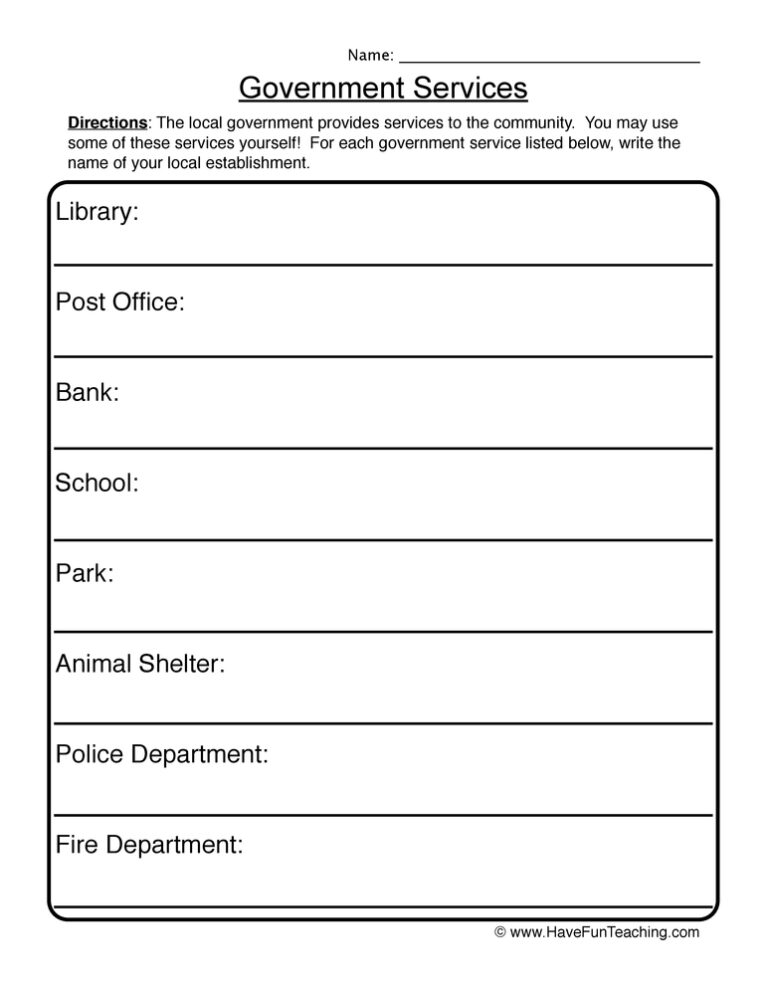
In this local government services worksheet, 3rd grade students match clues to public places like the post office and fire station, then write short answers. An answer key with samples is included.
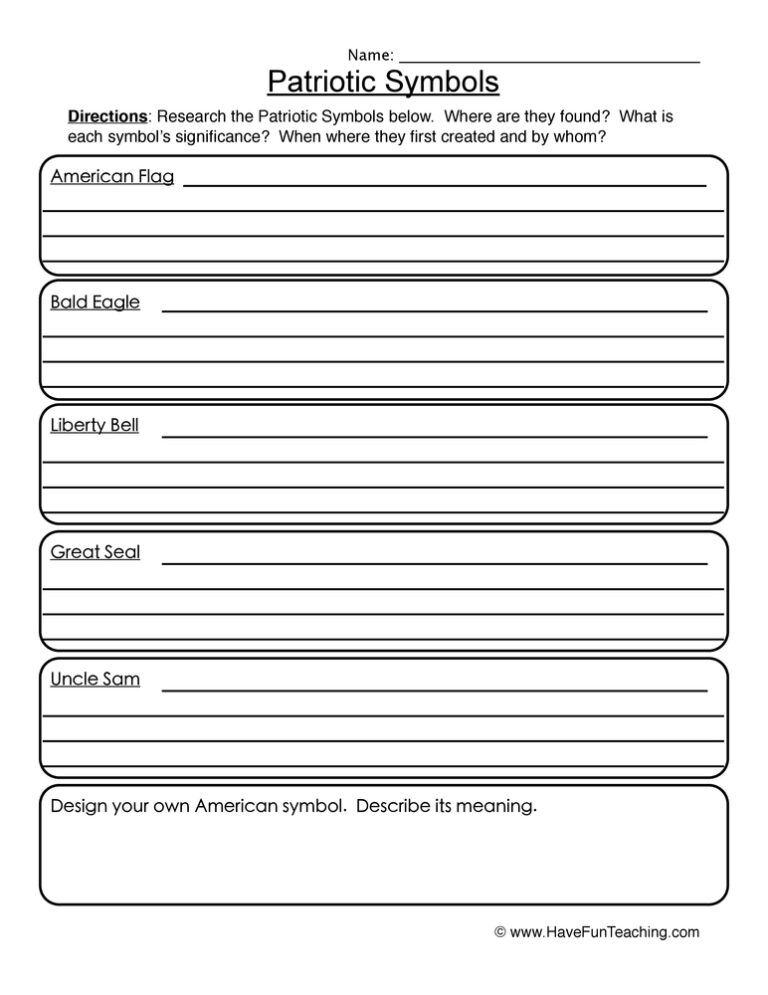
This patriotic symbols worksheet teaches 3rd grade students about the flag, bald eagle, Liberty Bell, Great Seal, and Uncle Sam, with an answer key included to build civic pride.
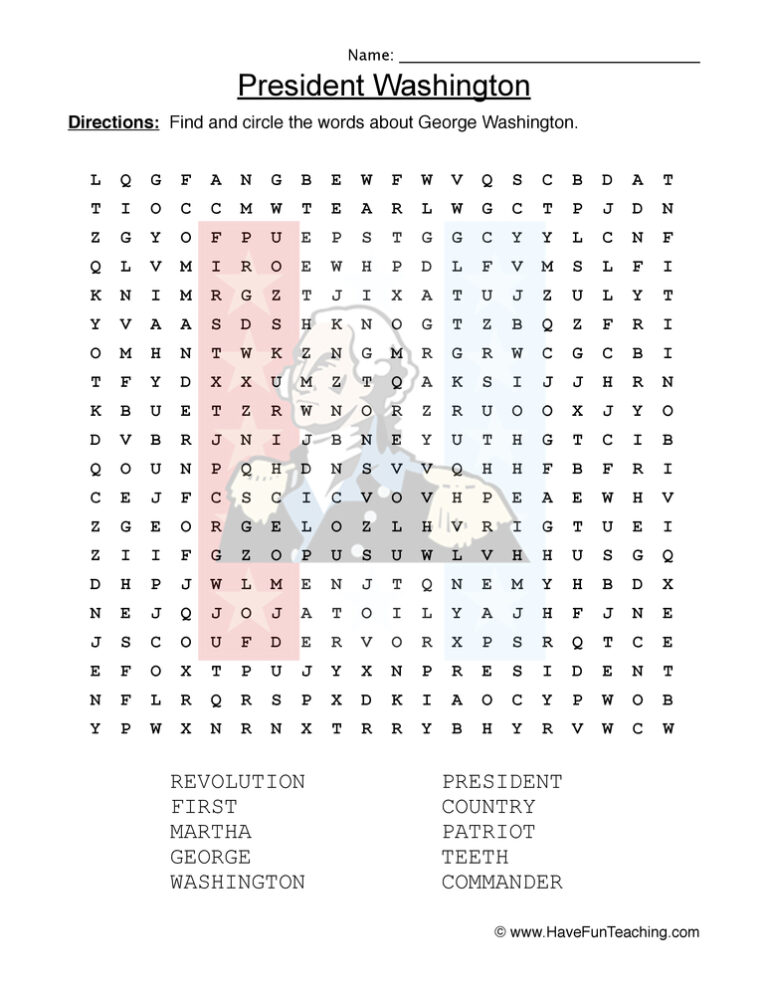
This George Washington word search worksheet lets 3rd graders find six Presidents' Day words and match them to their meanings, with an answer key included for fast, easy checking.

This Donald Trump Reading Comprehension Worksheet gives 3rd graders a short, factual biography and seven text-based questions. An answer key is included, so students can build nonfiction reading skills with almost no prep.
Using this Digital Dilemma Research Activity, students use digital tools to follow directions on a task card.




Reviews
There are no reviews yet