

Making Composite Shapes Worksheet
This Making Composite Shapes Worksheet helps 1st Grade students build and break apart shapes using squares, triangles, trapezoids and half-circles. An answer key is included, so shape practice takes no prep.
$6.97
Or free with a membership — members pay $3.33/mo for all 10,000+ resources. See plans
Want this one free?
Tell us where to send it and it’s yours — no card, no catch.
One free resource per teacher. We’ll also send free teaching ideas each week — unsubscribe anytime.
Teaching is easier with a membership
Unlimited printables, games & videos for PreK–6th — for your classroom or homeschool. Cancel anytime.
Start your 3-day free trial$0 today · cancel anytime · Instant access to 10,000+ resources
About this resource
Description
Making composite shapes is one of the first big ideas in first grade geometry: two simple shapes, pushed together, become a brand-new shape. This Making Composite Shapes Worksheet gives students a clear way to see that idea from both directions, building a new shape out of two smaller ones and then breaking a shape back apart into the pieces that made it. Squares, rectangles, triangles, trapezoids, half-circles and hexagons all appear on the page, so students practice naming shapes while they compose and decompose them.
The activity is a two-page printable. On page one, Part A asks students to draw a line matching each composite shape to the two shapes hiding inside it, and Part B asks them to draw a single straight line that cuts a shape apart into the two shapes named beneath it. Page two is the complete answer key, so this 1st grade geometry worksheet is ready to hand out with no prep at all. Print it for morning work, a math center, small-group instruction, homework, or an early-finisher activity.
What’s Included
- A printable two-page worksheet in PDF format
- Part A: four shape-matching items in a connect-the-dots layout
- Part B: two draw-the-line items that cut a composite shape apart
- Six shapes drawn to scale: square, rectangle, triangle, trapezoid, hexagon, half-circle
- A full answer key on the final page
Students benefit from this activity in three ways. First, matching a composite shape to its two parts builds the visual reasoning that later supports area, fractions and measurement. Second, drawing the cutting line themselves turns a recognition task into a constructed response, which is exactly the kind of thinking assessments ask for. Third, every item reuses core shape vocabulary, so shape names stick through repeated, meaningful use instead of memorization.
Teachers can extend the Making Composite Shapes Worksheet with pattern blocks or paper cutouts, asking students to build each figure before they draw. Parents can turn it into a shape hunt around the house, spotting a door with an arched top, a window pane, or a slice of toast, and talking about the two shapes hiding inside each one. Challenge students to find more than one way to cut a shape apart.
Related Resources
What teachers say
Reviews
You must be logged in to post a review.

Using the Shapes Song, students learn all about shapes, including Shape Names and Shape Recognition. The Shapes Song by Have Fun Teaching is a song that teaches the shapes. Shapes have names their made of angles and lines, there are flat shapes and solid shapes we see them all the…

Using the Circle Song, students will learn all about circles. A circle is a shape that goes around and around. It's like a pizza, and a cookie, a ring, and a coin. A circle is a shape that goes around and around. In this song, your kids will also draw…

Using the Square Song (MP3), students learn all about squares, including Shape Names and Shape Recognition through a catchy song!
Using the Shape Song (MP3), students learn all about shapes, including Shape Names and Shape Recognition through a catchy song!

Using the Shape Songs (MP3 Album), students learn all about shapes, including Shape Names and Shape Recognition through a catchy song!
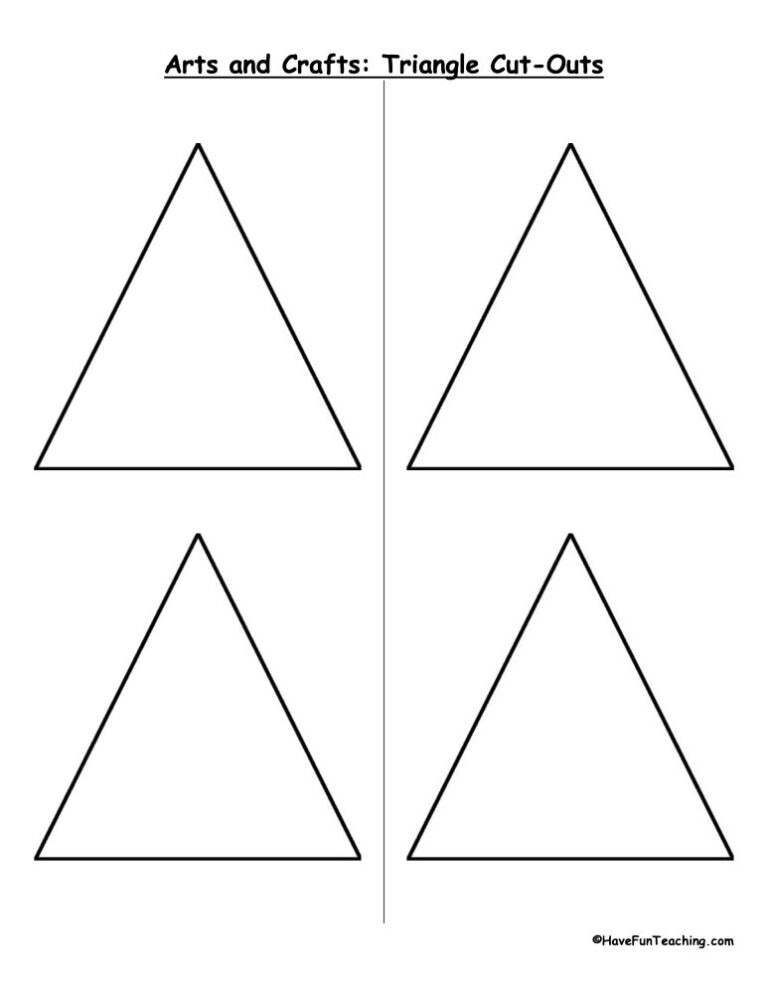
These Triangle Cut Outs will quickly give you templates for classroom decoration or student activities.
Using the Circle Song (MP3), students learn all about circles, including Shape Names and Shape Recognition through a catchy song!

This Looking at Composite Shapes Worksheet gives 1st graders four pictures built from squares and triangles and asks how many of each shape they see. Answer key included for quick, no-prep geometry practice.
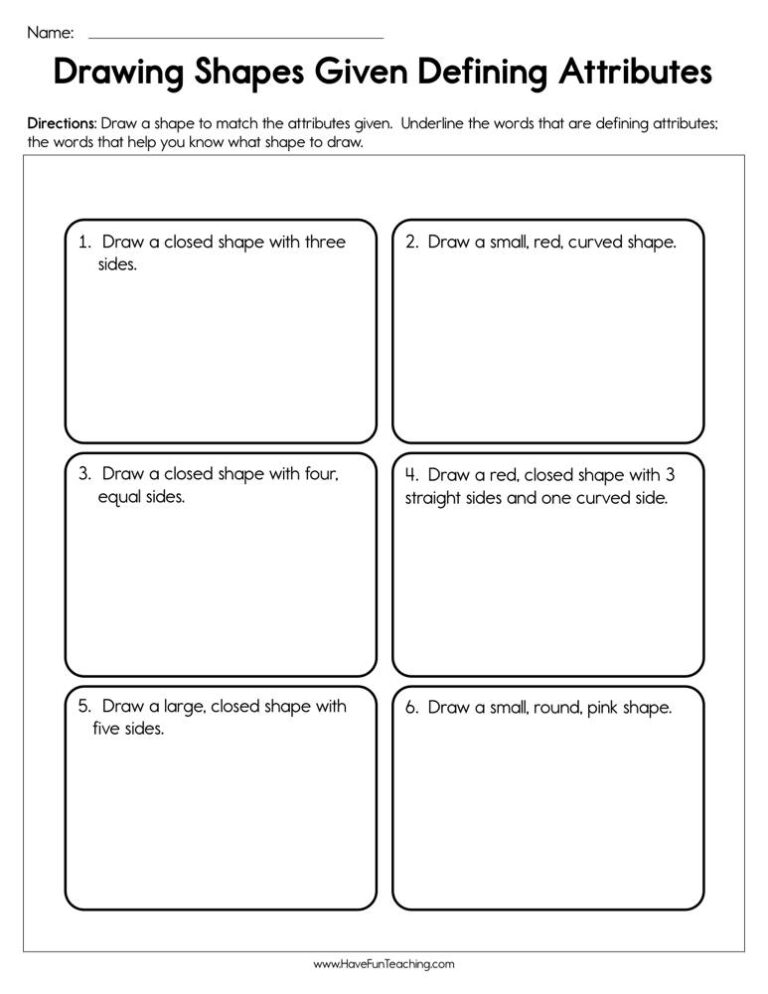
This Drawing Shapes Given Defining Attributes Worksheet gives 1st grade students four attribute clues to read and four shapes to draw, with an answer key included, so shape rules finally stick.

Using the Triangle Song (MP3), students learn all about triangles, including Shape Names and Shape Recognition through a catchy song!

This Classifying Shapes Worksheet has 1st graders count sides and corners, then sort nine numbered shapes into circle, square, and triangle columns. An answer key is included for fast checking.

This Shape Art Worksheet asks 1st grade students to count the circles, rectangles, triangles and hexagons hidden in a picture, then count the sides of four shapes. An answer key is included.
Reviews
There are no reviews yet