
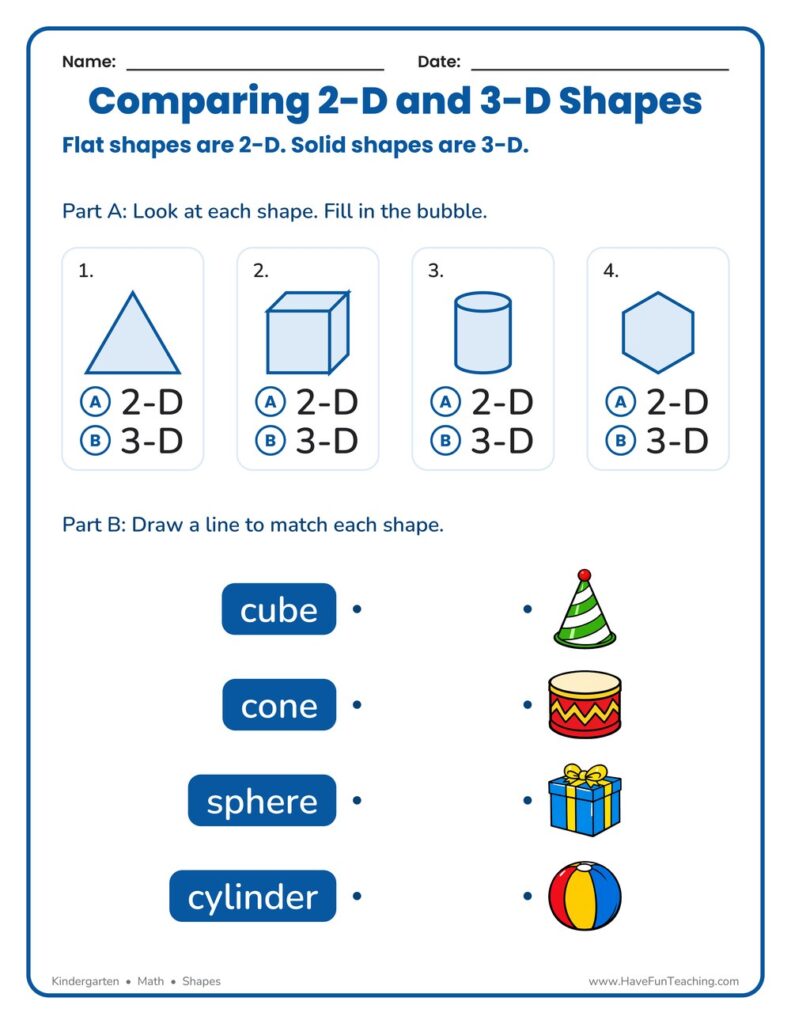
Comparing 2D and 3D Shapes Worksheet
This Comparing 2D and 3D Shapes Worksheet gives Kindergarten students bubble-in and matching practice telling flat shapes from solid ones. An answer key is included, so shape vocabulary sticks fast.
$6.97
Or free with a membership — members pay $3.33/mo for all 10,000+ resources. See plans
Want this one free?
Tell us where to send it and it’s yours — no card, no catch.
One free resource per teacher. We’ll also send free teaching ideas each week — unsubscribe anytime.
Teaching is easier with a membership
Unlimited printables, games & videos for PreK–6th — for your classroom or homeschool. Cancel anytime.
Start your 3-day free trial$0 today · cancel anytime · Instant access to 10,000+ resources
About this resource
Description
Telling a flat shape from a solid one is where geometry begins, and this Comparing 2D and 3D Shapes Worksheet gives young students a clear, friendly way to practice it. Two-dimensional shapes such as triangles and hexagons lie flat on the page, while three-dimensional shapes such as cubes and cylinders take up space a child can hold. Setting the two kinds side by side builds the shape vocabulary and the careful looking that every later geometry standard depends on.
On this page, students first study four shapes and fill in a bubble to show whether each one is 2-D or 3-D. Then they draw a line to match four solid shapes — cube, cone, sphere and cylinder — to everyday objects built from the very same solid. Use it as a whole-class warm-up on the document camera, as a small-group station with a bin of real blocks and balls beside it, or as independent morning work. An answer key is included, so checking a stack of papers takes seconds.
What’s Included
- One printable worksheet page with two separate activities
- Part A: four fill-in-the-bubble items sorting shapes into 2-D and 3-D
- Part B: a four-row matching activity linking solids to real objects
- A complete answer key on the final page
- Large, kid-friendly type sized for early primary hands and eyes
This kindergarten geometry worksheet helps children in three ways. First, it builds precise math language: a child who can say cube, cone, sphere and cylinder can also describe what makes each one different. Second, it strengthens visual discrimination, because deciding whether a figure is flat or solid means looking closely at edges, faces and depth rather than guessing from an outline. Third, it links the math block to the world outside it, so shapes stop being schoolwork and start being the gift box, the party hat, the drum and the ball a child already knows.
Teachers and parents can stretch this Comparing 2D and 3D Shapes Worksheet well past the page. Send children on a shape hunt around the room and have them name one real object for each solid. Fill a bag with blocks, cans and balls and let a partner reach in, feel a shape, and name it before pulling it out. Or build a two-column anchor chart labeled Flat and Solid and add a new picture to it every day of the week.
Related Resources
What teachers say
Reviews
You must be logged in to post a review.
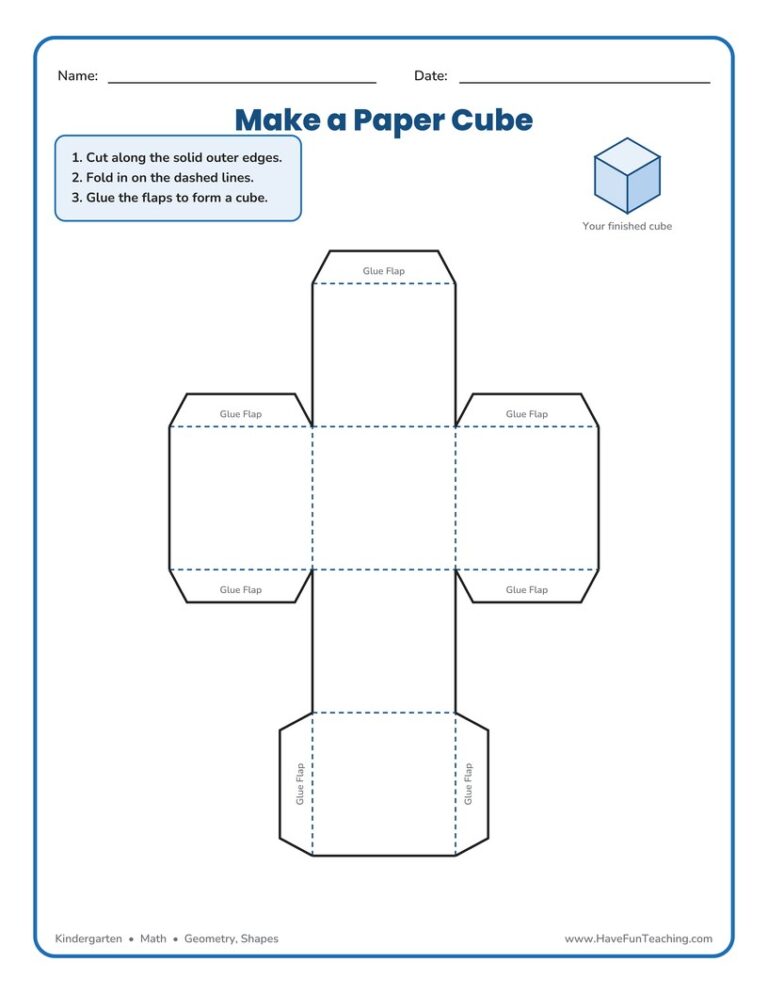
A hands-on paper cube template worksheet for Kindergarten geometry. Students cut, fold, and glue a printable cube net into a real 3D cube — a fun, no-prep way to explore solid shapes and build fine motor skills.
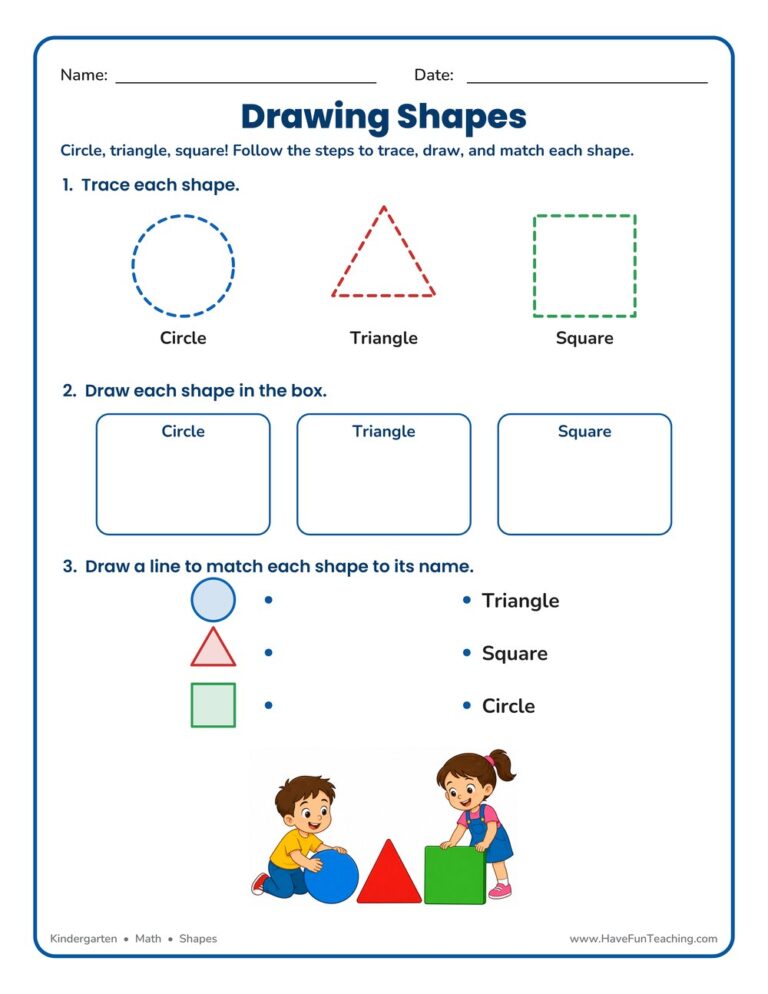
A Kindergarten drawing circle, triangle, square shapes worksheet where children trace, draw, and match a circle, triangle, and square. Includes an answer key — a simple, no-prep way to build early shape skills.
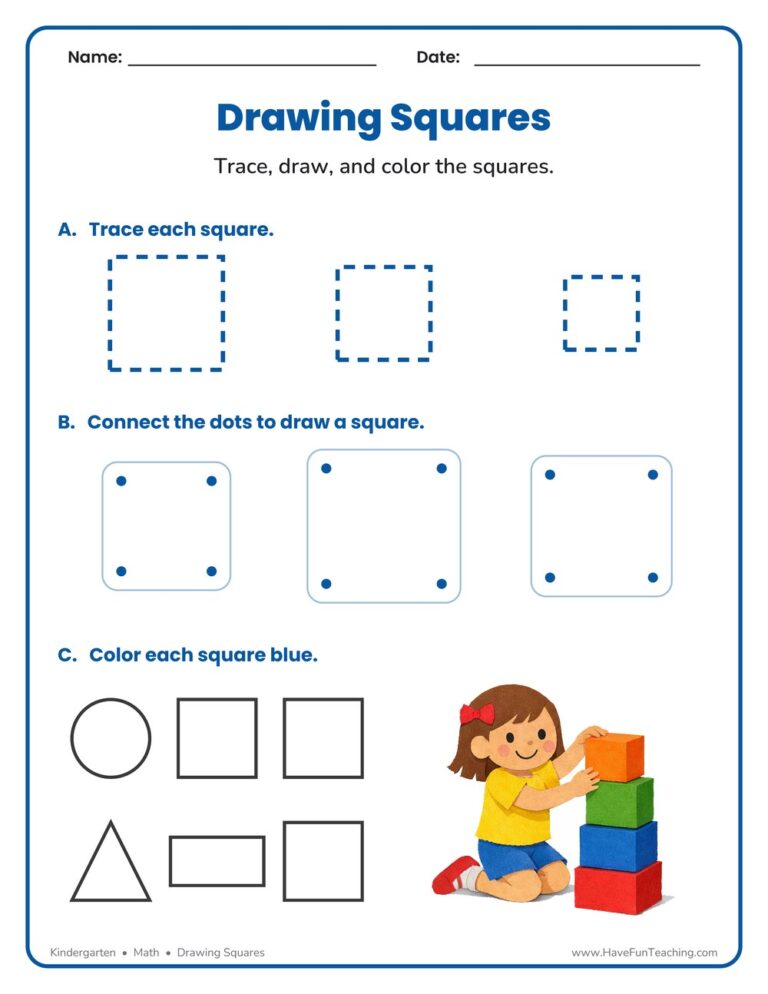
A Kindergarten drawing squares worksheet where students trace three squares, connect the dots to draw their own, and color the squares blue. Answer key included for quick, no-prep shape practice.

Using the Shapes Song, students learn all about shapes, including Shape Names and Shape Recognition. The Shapes Song by Have Fun Teaching is a song that teaches the shapes. Shapes have names their made of angles and lines, there are flat shapes and solid shapes we see them all the…
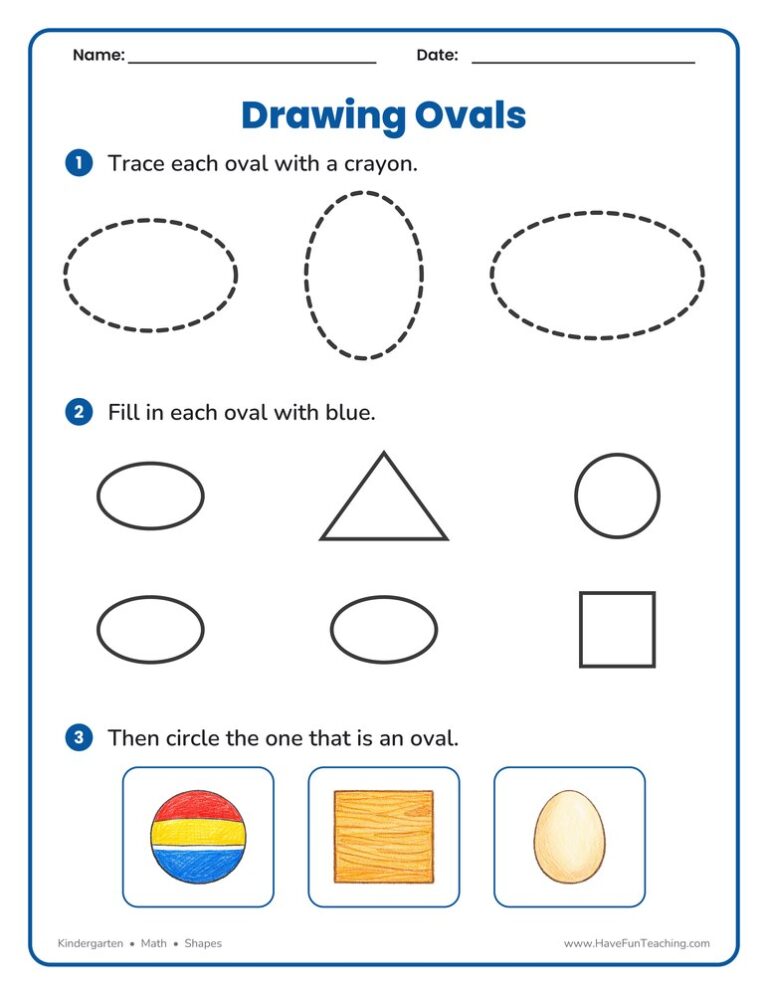
This Drawing Ovals Worksheet has kindergarten students trace three ovals, color the ovals in a mixed shape sort, and find an oval in real life. Answer key included for quick, no-prep shape practice.

This Drawing Triangles Worksheet gives Kindergarten students dotted triangles to trace, open boxes to draw in, and real-world pictures to sort. Answer key included, so shape practice is ready in one print.
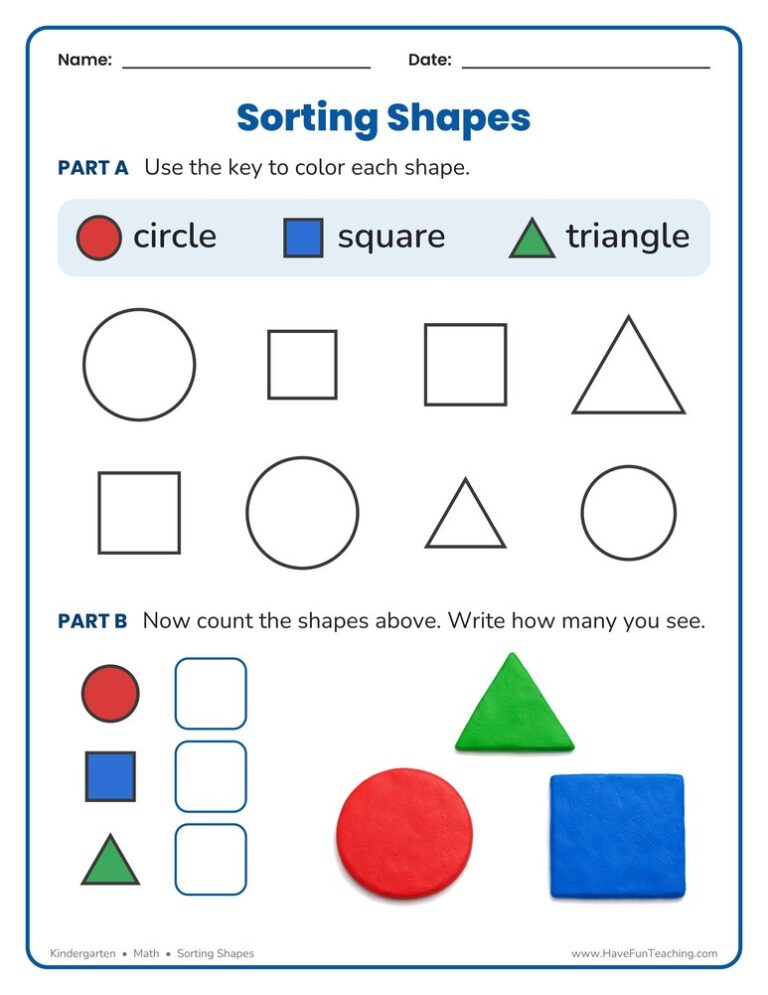
This Sorting Shapes Worksheet gives Kindergarten students eight shapes to color by category and three groups to count, using a simple red, blue and green key. An answer key is included, so shape practice is ready to print and go.

Using the Circle Song, students will learn all about circles. A circle is a shape that goes around and around. It's like a pizza, and a cookie, a ring, and a coin. A circle is a shape that goes around and around. In this song, your kids will also draw…
Using the Shape Song (MP3), students learn all about shapes, including Shape Names and Shape Recognition through a catchy song!

Using the Square Song (MP3), students learn all about squares, including Shape Names and Shape Recognition through a catchy song!
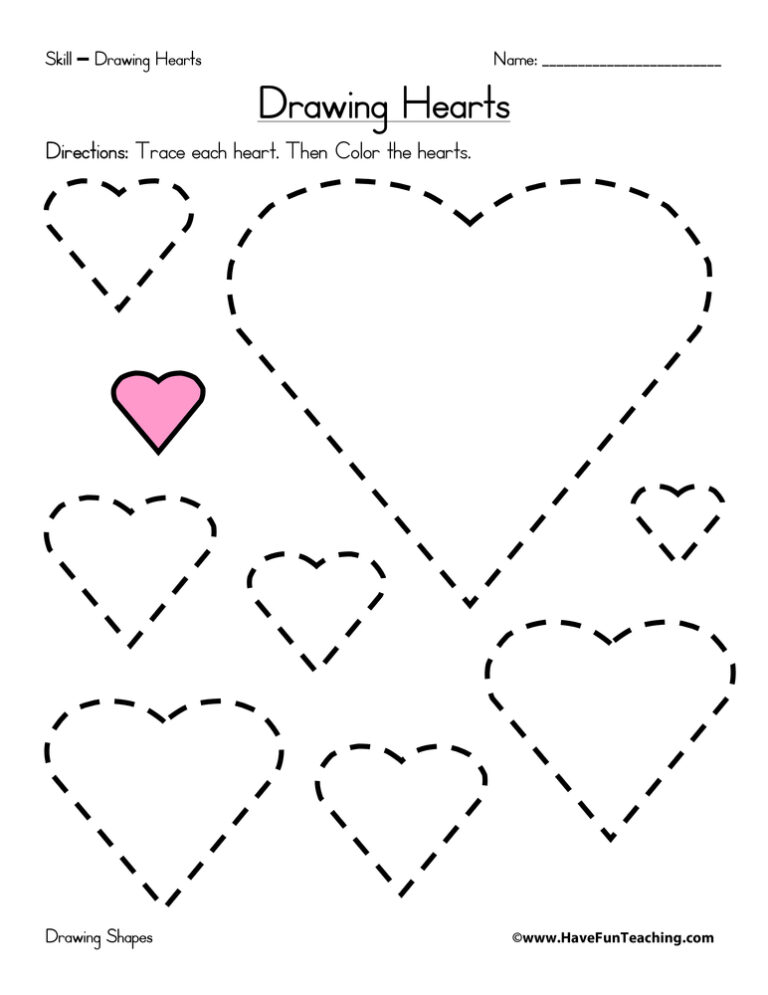
With this Drawing Hearts Worksheet, Kindergarten students trace three heart outlines, draw hearts of their own, and pick the hearts out of a group of shapes. Answer key included for fast checking.

Using the Shape Songs (MP3 Album), students learn all about shapes, including Shape Names and Shape Recognition through a catchy song!




Reviews
There are no reviews yet