

Finding Number Patterns Worksheet
The Finding Number Patterns Worksheet gives 4th Grade students six sequences to complete and a bike-training word problem to solve, each with a line for the rule. An answer key is included for fast checking.
$6.97
Or free with a membership — members pay $3.33/mo for all 10,000+ resources. See plans
Want this one free?
Tell us where to send it and it’s yours — no card, no catch.
One free resource per teacher. We’ll also send free teaching ideas each week — unsubscribe anytime.
Teaching is easier with a membership
Unlimited printables, games & videos for PreK–6th — for your classroom or homeschool. Cancel anytime.
Start your 3-day free trial$0 today · cancel anytime · Instant access to 10,000+ resources
About this resource
Description
A number pattern is a list of numbers that follows one steady rule, and the real skill is not spotting the next number — it is naming the rule that produced it. Fourth graders who can say “this one adds 7” or “this one divides by 2” can extend a sequence as far as they need to, and they carry that reasoning straight into multiplication facts, function tables, and early algebra. The Finding Number Patterns Worksheet builds exactly that habit by asking students to finish six patterns and then write, in their own words, the rule they used.
This 3rd grade numbers worksheet prints on two pages: one student page and one full answer key. Part A gives six sequences — growing, shrinking, doubling, and halving — each with two blanks and a line for the rule. Part B is a bike-training word problem that asks students to carry a pattern out to week seven and explain their reasoning on the lines provided. Work Part A together the first time so students say each rule out loud, then let them finish Part B independently.
What’s Included
- 1 print-ready PDF worksheet
- Answer key
- 6 number patterns with two blanks and a rule line each
- 1 multi-step word problem with answer, rule, and explanation lines
Three things make this resource work in a fourth grade classroom. First, the six sequences deliberately mix addition, subtraction, multiplication, and division, so students cannot fall back on a single strategy and must actually test the relationship between terms. Second, requiring the rule in writing turns a guessing game into an explanation, which is what state assessments ask for. Third, the Finding Number Patterns Worksheet ends with an applied problem, so students see that a pattern is a tool for predicting something real rather than a puzzle on a page.
Away from the page, patterns are everywhere and easy to practice. Clap or stomp a skip-counting rhythm and let students name the rule. Build a growing pattern with linking cubes or pennies, then ask what the tenth step would look like without building it. Give students a rule and have them invent the sequence, which is harder than it sounds and exposes misconceptions fast. At home, count stairs by twos, price items in a pretend store that go up by five, or track how many pages a book gains each night. Small daily reps make pattern rules feel obvious by the end of the unit.
Related Resources
What teachers say
Reviews
You must be logged in to post a review.
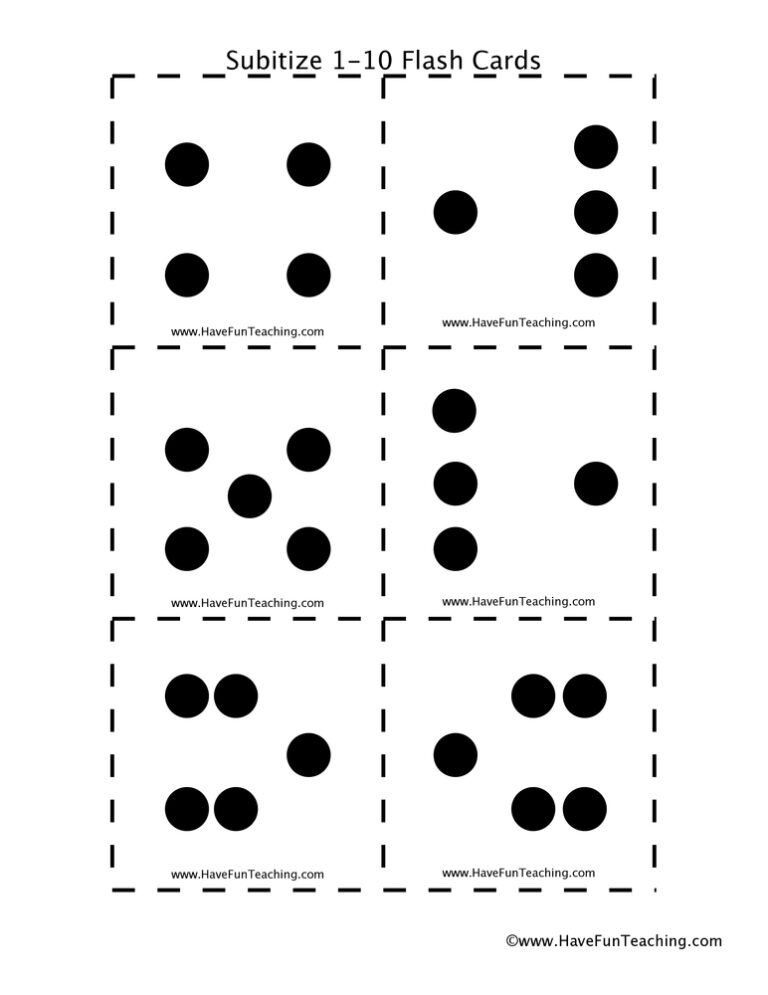
Using these Subitize 1 to 10 Flash Cards, students Learn to recognize a number of items without having to count!
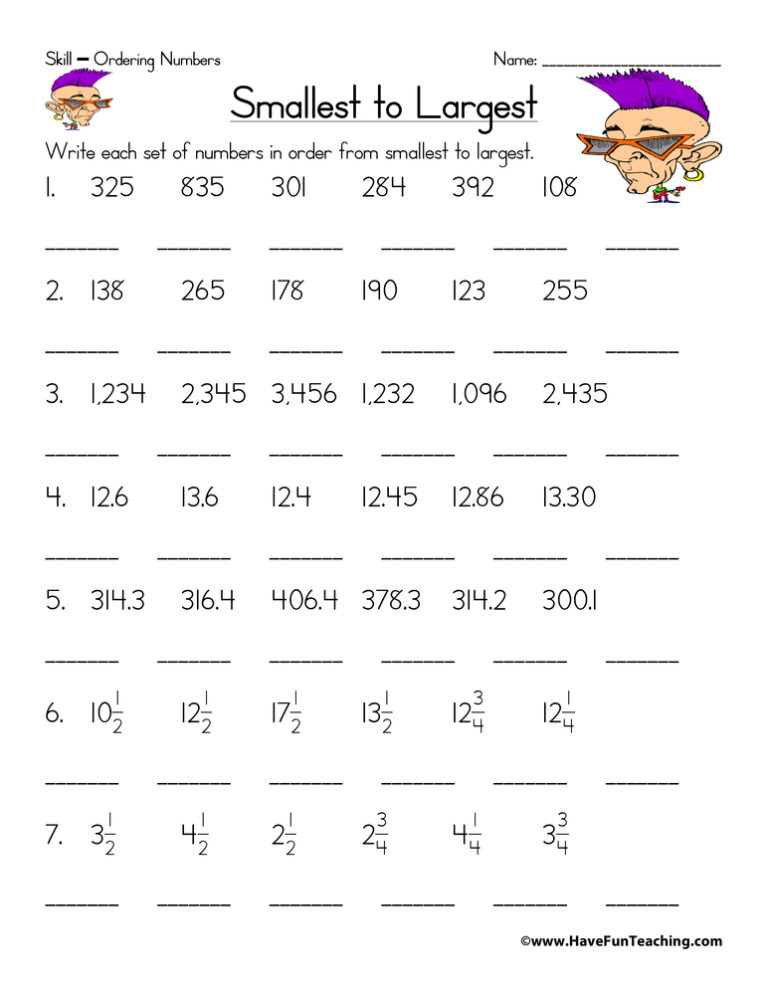
Use this ordering sets of numbers worksheet to give 4th grade students practice arranging whole numbers and decimals from smallest to largest. An answer key is included, so place value practice is ready in seconds.



A 4th grade Fibonacci Sequences Worksheet - Examples that has students complete the sequence, extend new patterns, find missing numbers, and explain their thinking. Answer key included for no-prep pattern practice.
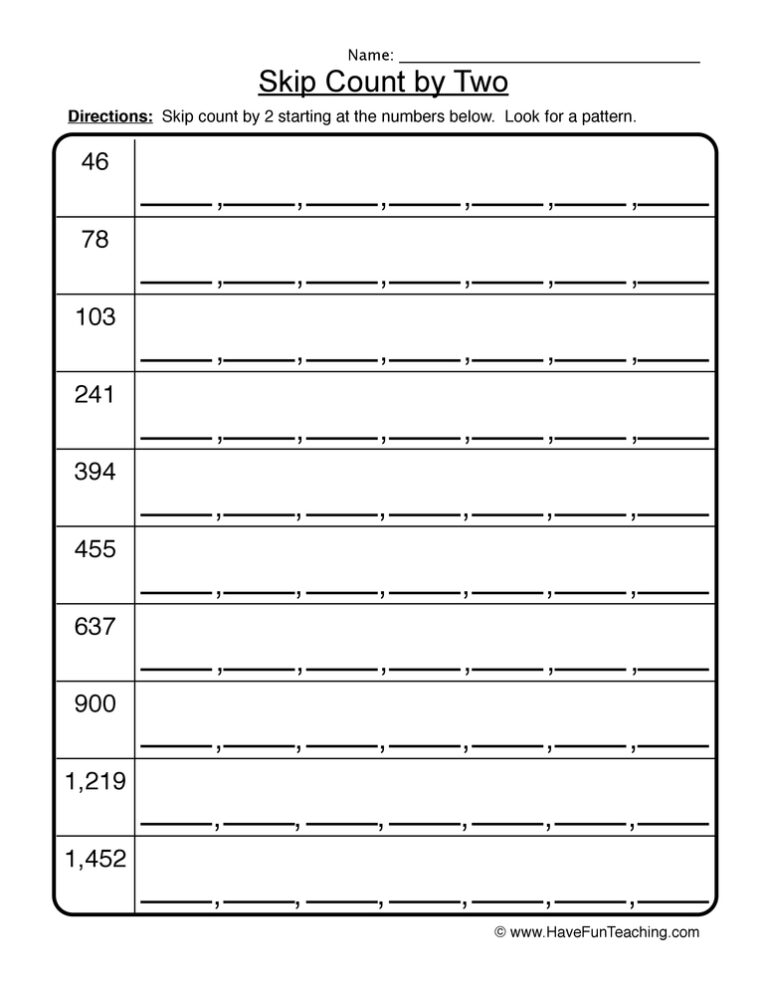
Using Skip Count by Two Worksheet, studentspractice skip-counting by 2s from any number to complete the pattern.

Using Skip Count by Three Worksheet, studentspractice skip-counting by 3s from any number to complete the pattern.

Using Math Same Different Worksheet, students look at the two examples and determine if they represent the same or different thing.
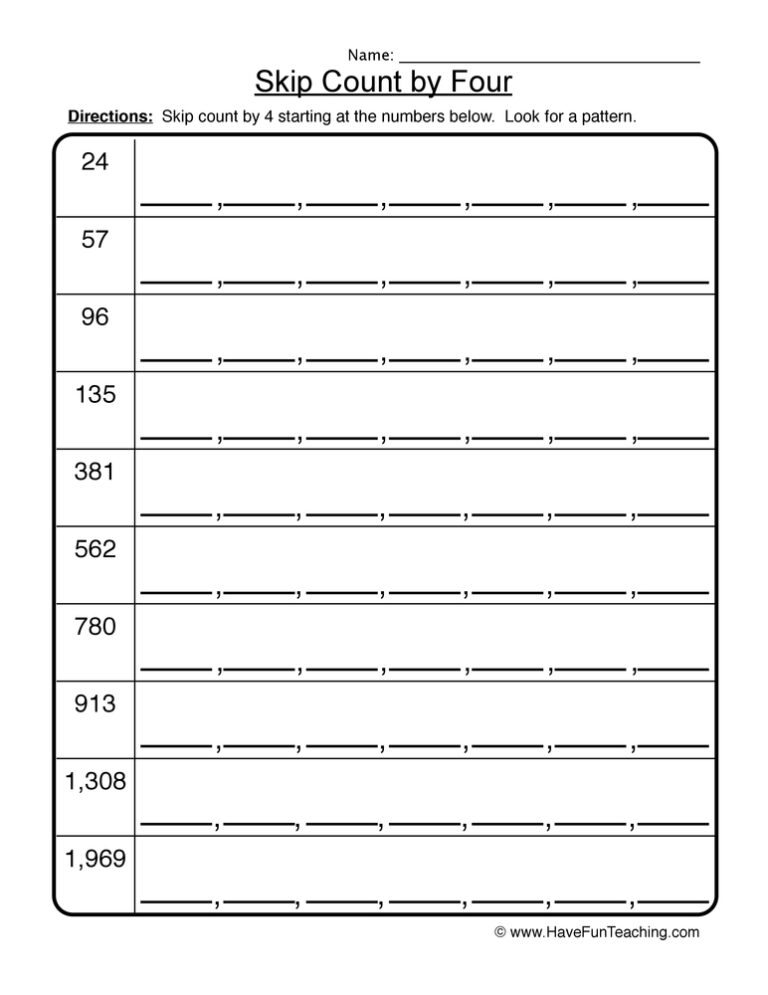
Using Skip Count by Four Worksheet, studentspractice skip-counting by 4s from any number to complete the pattern.
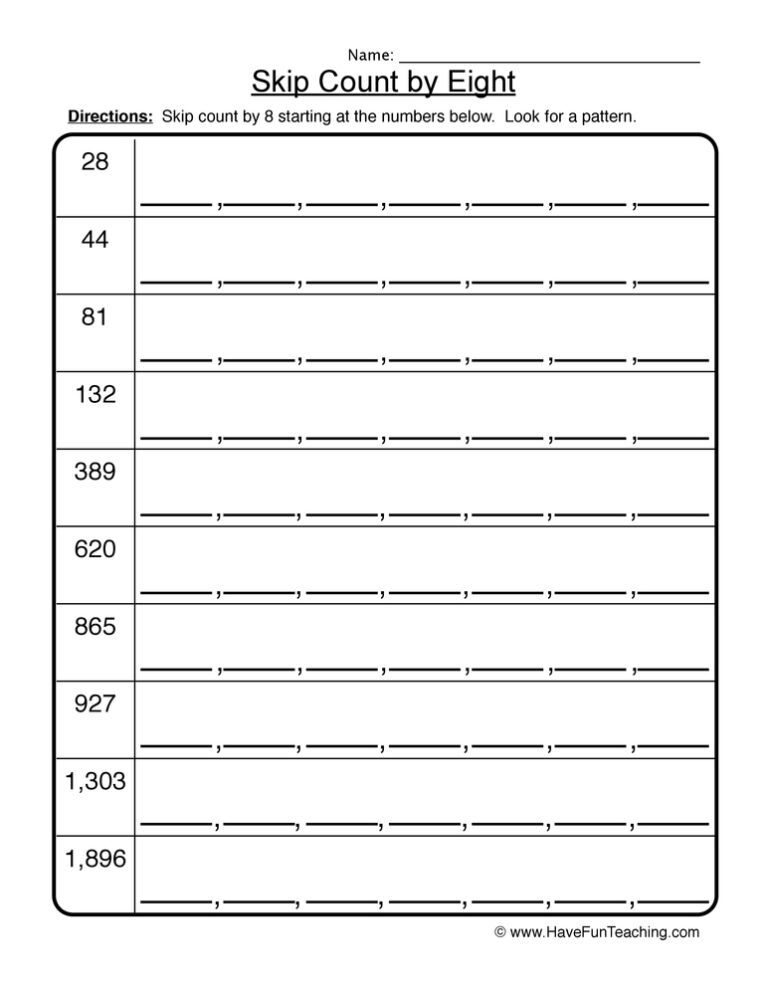
Using Skip Count by Eight Worksheet, studentspractice skip-counting by 8s from any number to complete the pattern.
These Black and White Number Signs can be used as posters, number tracing, plus multiple other uses to support student number recognition skills.

Using Skip Count by Nine Worksheet, studentspractice skip-counting by 9s from any number to complete the pattern.




Reviews
There are no reviews yet