

Things that come in 5s Reading Comprehension Worksheet
This Things that come in 5s Reading Comprehension Worksheet gives Kindergarten readers a short story about fives and five picture-free questions, with an answer key, so early reading and counting grow together.
$6.97
Or free with a membership — members pay $3.33/mo for all 10,000+ resources. See plans
Want this one free?
Tell us where to send it and it’s yours — no card, no catch.
One free resource per teacher. We’ll also send free teaching ideas each week — unsubscribe anytime.
Teaching is easier with a membership
Unlimited printables, games & videos for PreK–6th — for your classroom or homeschool. Cancel anytime.
Start your 3-day free trial$0 today · cancel anytime · Instant access to 10,000+ resources
About this resource
Description
Five is one of the first numbers a child truly owns, because it is sitting right there on one hand, and this Things that come in 5s Reading Comprehension Worksheet lets a Kindergarten reader meet that number in print. Early comprehension is not a separate subject from counting: a child who reads “It has five arms” and then finds five arms in the picture is doing exactly what comprehension asks — holding a fact from the text in mind and checking it against the world.
This kindergarten numbers worksheet is ready to print and hand out. Page one holds a short, illustrated story in big 24-point type: five fingers on one hand, five little toes on one foot, a sea star with five thick arms in a tide pool, and a star with five points. Page two asks five multiple-choice questions, three bubble choices each, every one answerable straight from the story. Page three is the answer key. The sentences are four to seven words long, so a beginning reader can carry a whole sentence in one breath.
What’s Included
- 1 print-ready PDF worksheet
- Answer key
- A 53-word illustrated story and 5 multiple-choice questions
Three reasons this Things that come in 5s Reading Comprehension Worksheet helps kids learn: first, every question is answered by a sentence that is actually on the page, which teaches a beginning reader to go back and look rather than guess. Second, the number five appears in four different places — a hand, a foot, an animal, a shape — so the idea of five stops being one picture and starts being a quantity. Third, the fill-in-the-bubble format is the one a child will meet on every early assessment, practised here with only three gentle choices.
Teachers and parents can stretch the page in a few easy directions. Read the story aloud first while children count on their own fingers and toes. Ask them to point to the sentence that answers each question before they fill in a bubble. Hunt the room for other things that come in five, or draw a sea star and count its arms. Older siblings can write one more sentence for the story. A short morning circle where each child names something that comes in five turns the worksheet into a conversation.
Related Resources
What teachers say
Reviews
You must be logged in to post a review.
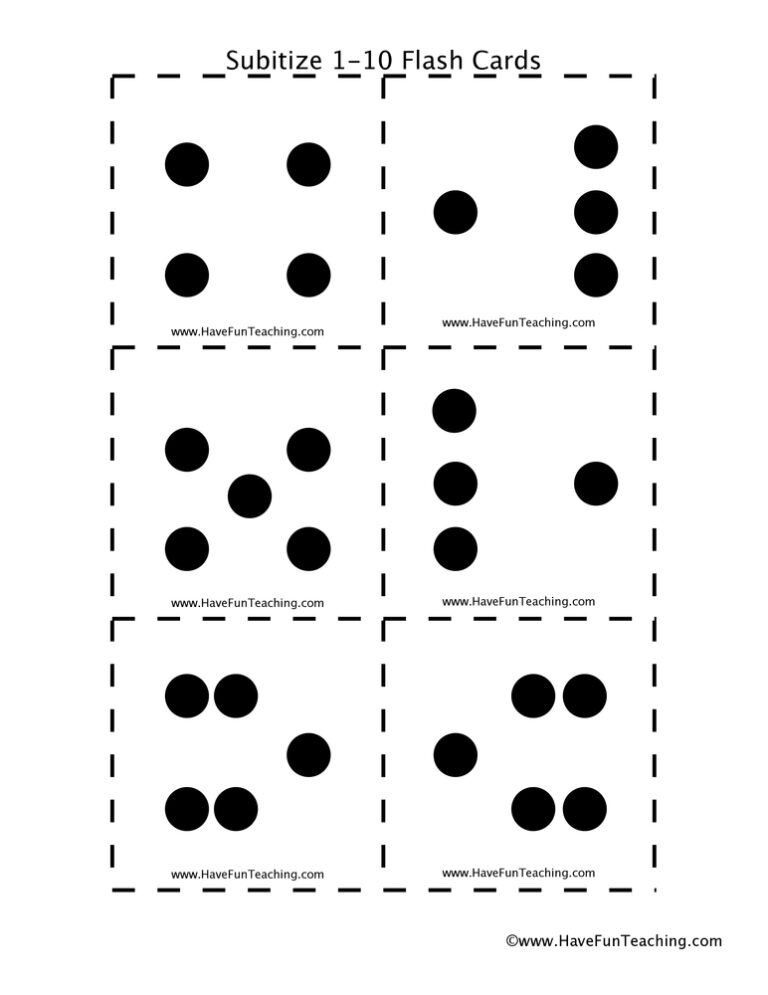
Using these Subitize 1 to 10 Flash Cards, students Learn to recognize a number of items without having to count!
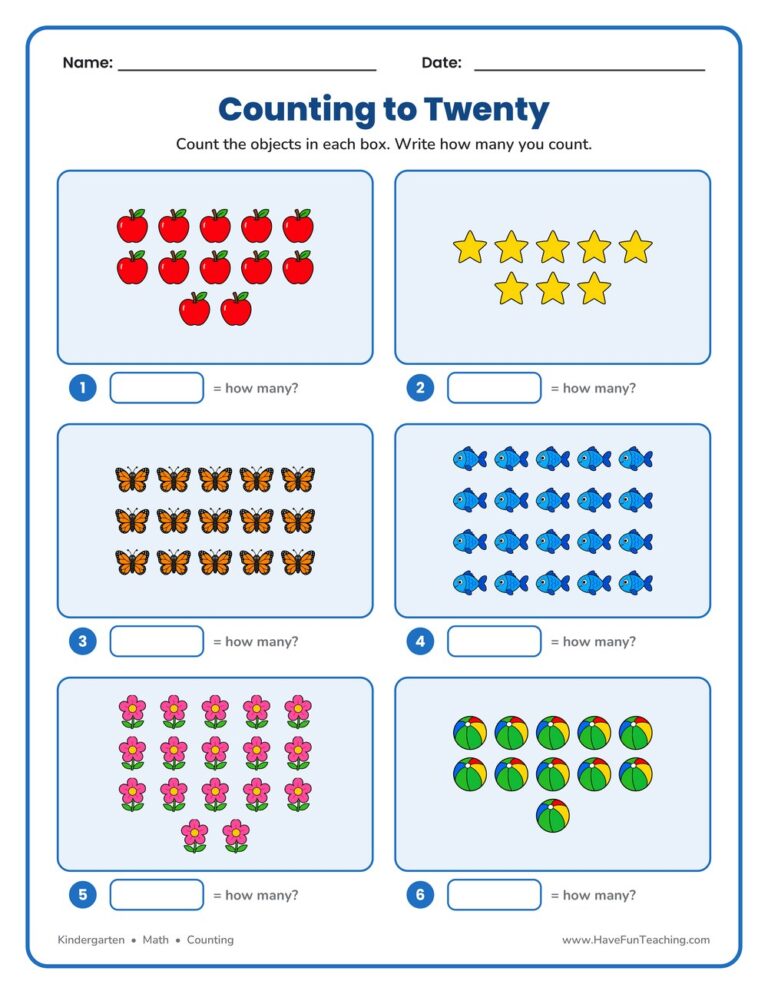
The Count to 20 Objects Worksheet lets kindergarten students count sets of fun pictures up to twenty and write how many. Includes a complete answer key for a colorful, no-prep way to build counting confidence.
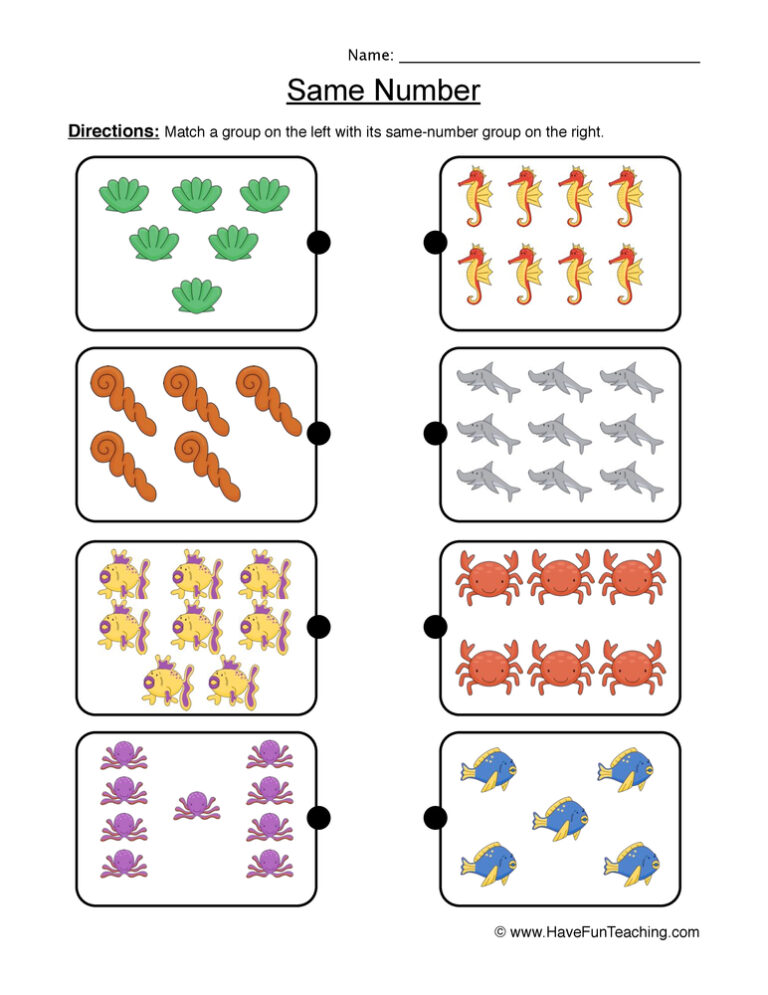
This same number picture representations worksheet has Kindergarten students count ten picture groups and match the pairs that hold the same amount. Answer key included, so counting practice is ready to print and check in seconds.

This Counting to 100 Assessment Worksheet asks kindergarten students to fill in the missing numbers on a hundreds chart, all the way to 100. Includes an answer key for quick, no-prep number check-ins.
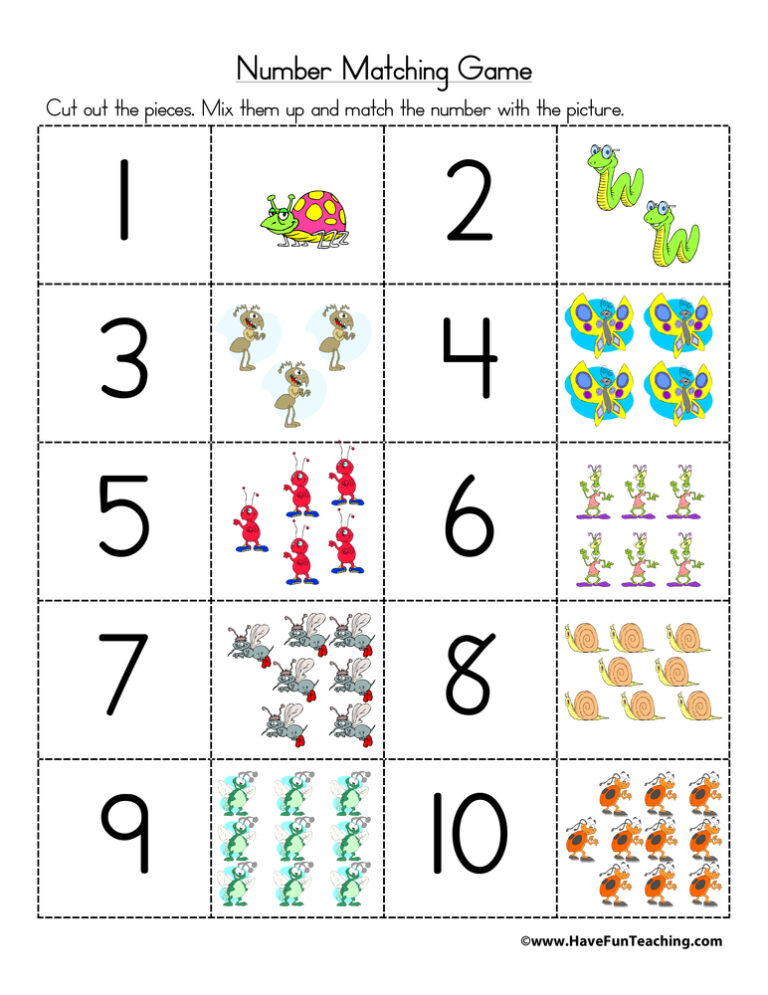
Using Number Matching Puzzle Activity, students match the number with the number picture in order to build their counting fluency.

Using the Counting By Ones Song, students practice counting by ones to fifty by singing and counting along to this fun and engaging video!
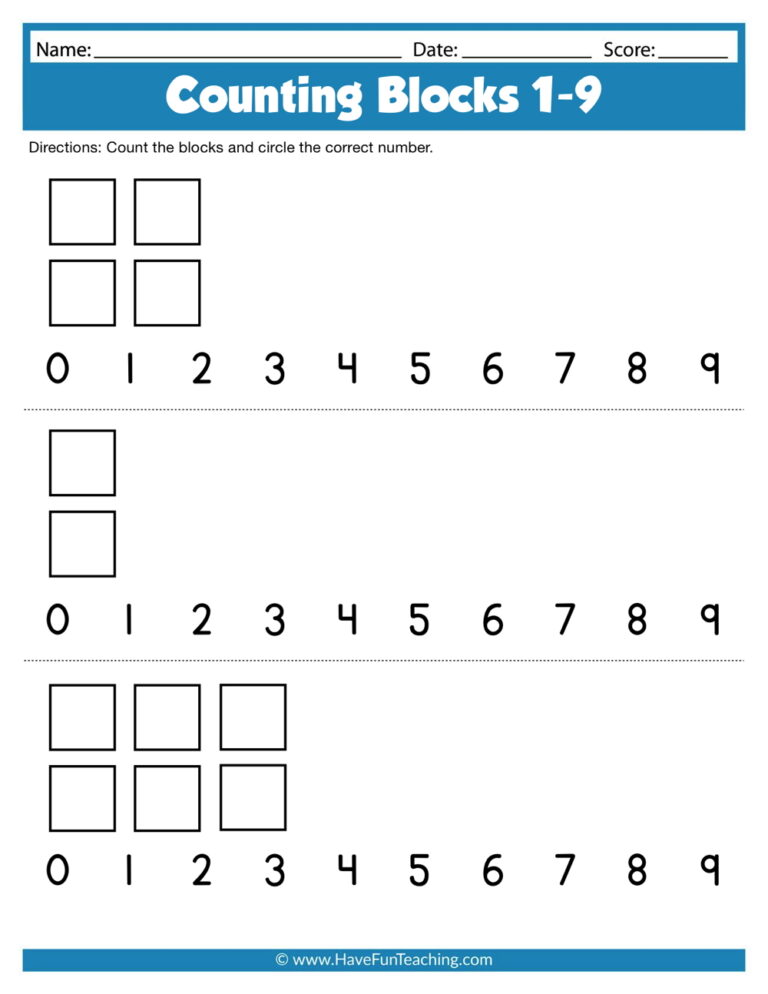
Counting Blocks 1-9 Worksheets ask Kindergarten students to count blocks, write the number, and draw sets of their own. An answer key is included, so counting practice takes no prep at all.
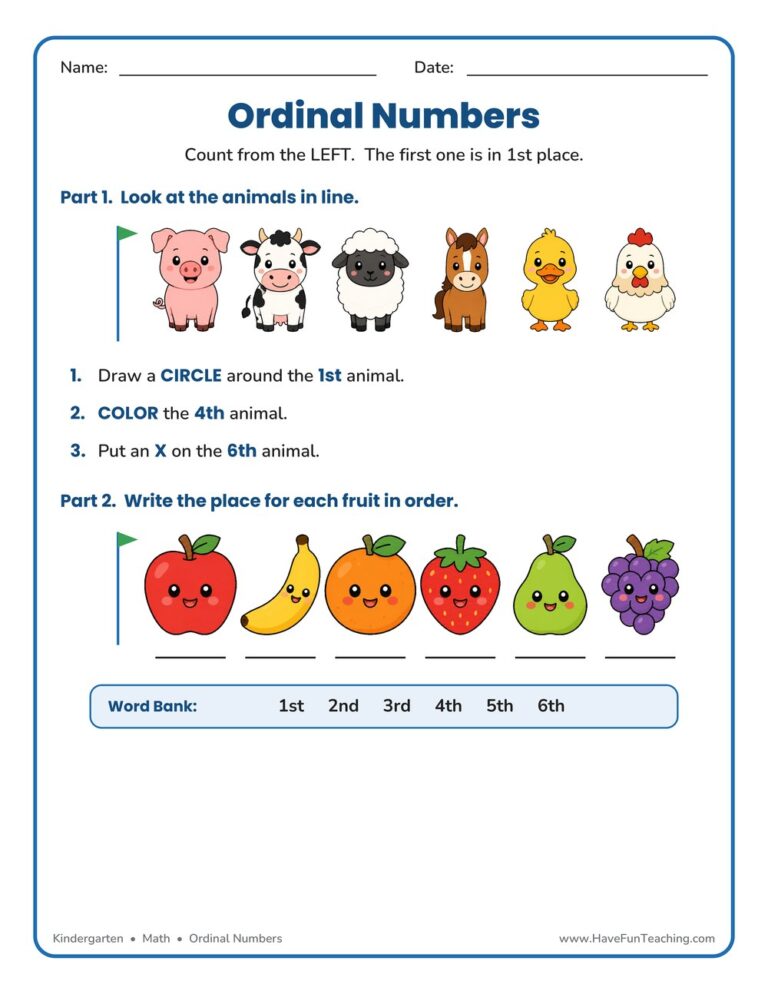
A picture-based labeling ordinal numbers worksheet that helps kindergarten students count from the left and name positions from first to sixth using farm animals and fruit. Answer key included for quick, no-prep math practice.
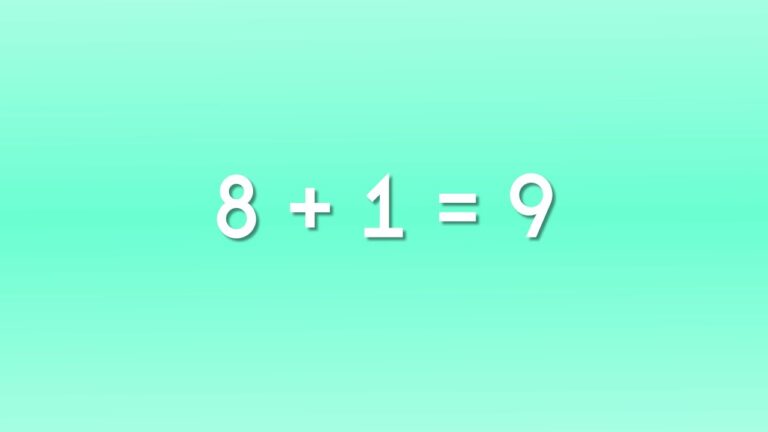
Using the Adding 8 Song (Lyric Mjusic Video), students sing and practice adding 8 with all addition facts 1-15. Your kids will learn how to add 8.
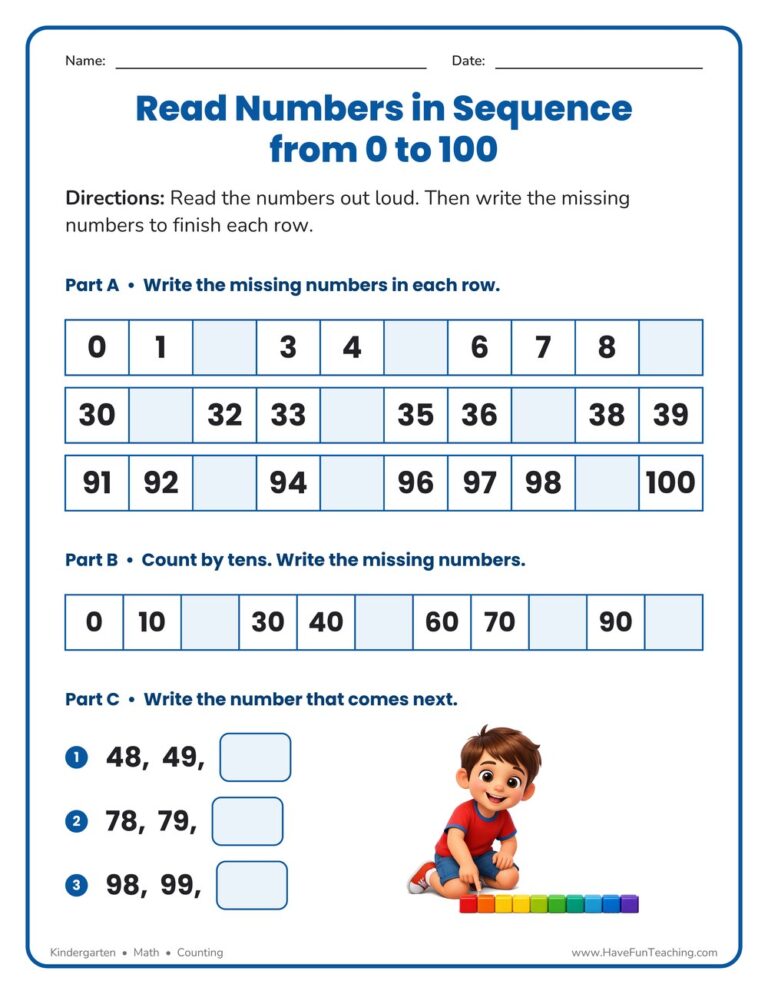
This Read Numbers in Sequence from 0 to 100 Worksheet asks kindergarten students to fill in missing numbers, count by tens, and write what comes next. Answer key included for a quick, no-prep counting check.

Use the Adding Songs (Lyric Video Collection) to practice adding and addition facts by singing and adding these 15 addition songs. Great for addition facts!
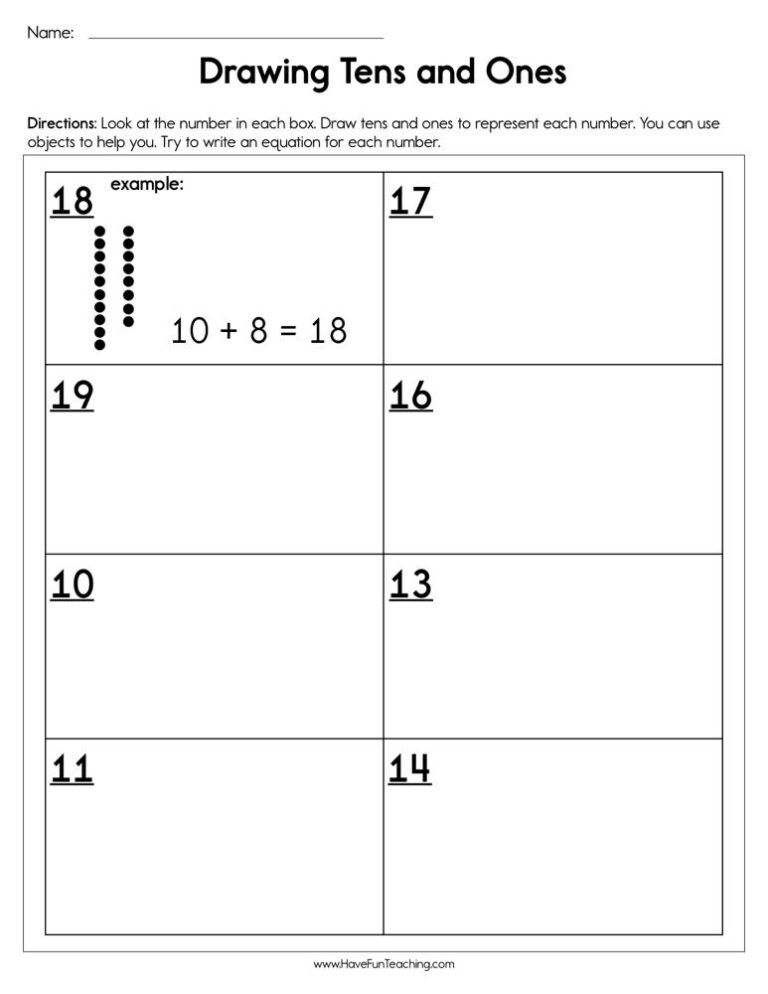
This draw tens and ones worksheet has kindergarten students draw one ten and some ones for six teen numbers and finish each equation. An answer key is included for fast, easy checking.
Reviews
There are no reviews yet