Skip to content
Start My 3 Free Days $0 today · cancel anytime

Similes Resources

4 similes resources: 2 worksheets, 1 song, 1 video and more. How teachers use these

Similes Resources

4 similes resources: 2 worksheets, 1 song, 1 video and more. How teachers use these

Worksheet
Worksheet3rd GradeSimiles Worksheet

This similes worksheet gives 3rd grade students practice completing, analyzing, and writing similes, with an illustrated prompt and an answer key included so every child can describe the world more vividly.

Video
VideoPreschoolSimile Song (Original Music Video)

Using this Simile Song (Original Music Video), your students learn about how to use similes in order to bring emotion and feeling into their writing.

Activity
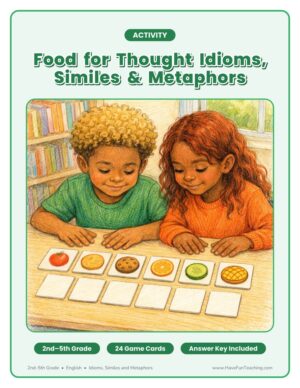
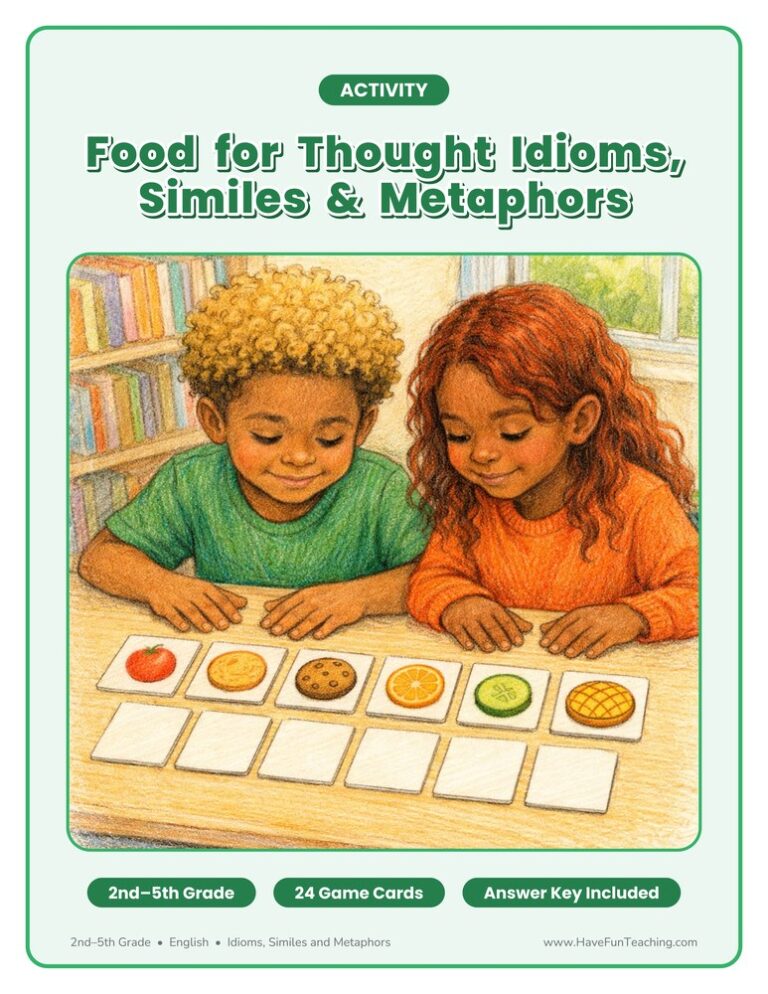
Activity2nd GradeFood for Thought Idiom Simile Metaphor Activity

Students match food idioms, similes, and metaphors to their meanings and sort them by kind in this food for thought idiom simile metaphor activity for 2nd to 5th grade, with an answer key included.

Worksheet
Worksheet2nd GradeWhat is a Simile? Worksheet

A simile worksheet that teaches 2nd graders what a simile is, then has them finish five comparisons from a word box and write one of their own. Answer key included, so it is ready to hand out and quick to check.

From our teachers' playbook

As fun as a barrel of monkeys

What do kids learn about similes?

A simile compares two different things using the words like or as: as busy as a bee, ran like the wind. Kids learn to spot similes in stories and poems, explain what each one means, and write their own. They also learn how a simile differs from a metaphor, which compares without like or as. The click comes when kids see that a simile paints a picture: "her voice was like honey" tells us so much more than "her voice was nice."

Our favorite ways to teach similes

Similes are made for playful language. These moves get kids reading, singing and writing them.

Sing the simile song

Play the Simile Song and have kids raise a hand every time they hear like or as. Then sing it again and write the similes on the board. Music makes the pattern easy to hear.

Why it works: a catchy, repeating tune gives the brain a hook to hang words on, so sung text is remembered better (Wallace, 1994).

Simile Song (Original Music Video)Try it withSimile Song (Original Music Video)SongsOpen it →

Show the picture it paints

Write "The cat is soft" and then "The cat is as soft as a cloud." Ask kids which one they can see in their head. Then they upgrade a plain sentence of their own with a simile.

Why it works: handing over the work step by step, from teacher to student, is one of the most widely used teaching frameworks (Pearson and Gallagher, 1983).

What is a Simile? WorksheetTry it withWhat is a Simile? WorksheetWorksheetsOpen it →

Simile, metaphor or idiom?

Give a mixed set of examples and have kids sort them. They have to explain the clue that tells them which is which. Sorting side by side clears up the most common mix-up.

Why it works: shuffled practice teaches kids to choose the right strategy, not just repeat one, and it improved test scores in research (Rohrer and Taylor, 2007).

Food for Thought Idiom Simile Metaphor ActivityTry it withFood for Thought Idiom Simile Metaphor ActivityActivitiesOpen it →

Make similes feel like play

Similes are funny by nature. These ideas get the giggles going.

Questions parents and teachers ask

What is a simile?

A simile compares two different things using like or as. For example, "as cold as ice" or "swims like a fish."

What is the difference between a simile and a metaphor?

A simile uses like or as to compare. A metaphor compares directly, like "the classroom was a zoo."

What grade do kids learn similes?

Many kids meet similes in second or third grade, and they keep using them through middle school in reading and writing.

How can I teach similes at home?

Point out similes in books and songs. Then take turns making up silly ones about your pets or family.

Keep exploring