
Skip to content
Start My 3 Free Days $0 today · cancel anytime

5th Grade Plot Resources

2 5th grade plot resources: 1 Common Core Lesson, 1 activity and 1 worksheet. How teachers use these

5th Grade Plot Resources

2 5th grade plot resources: 1 Common Core Lesson, 1 activity and 1 worksheet. How teachers use these

Common Core Lesson
Common Core Lesson5th GradeRL.5.5 Fifth Grade Common Core Lesson

This RL.5.5 Fifth Grade Common Core Lesson includes RL.5.5 Worksheets, RL.5.5 Activities, RL.5.5 Assessment, and RL.5.5 Poster.

Activity
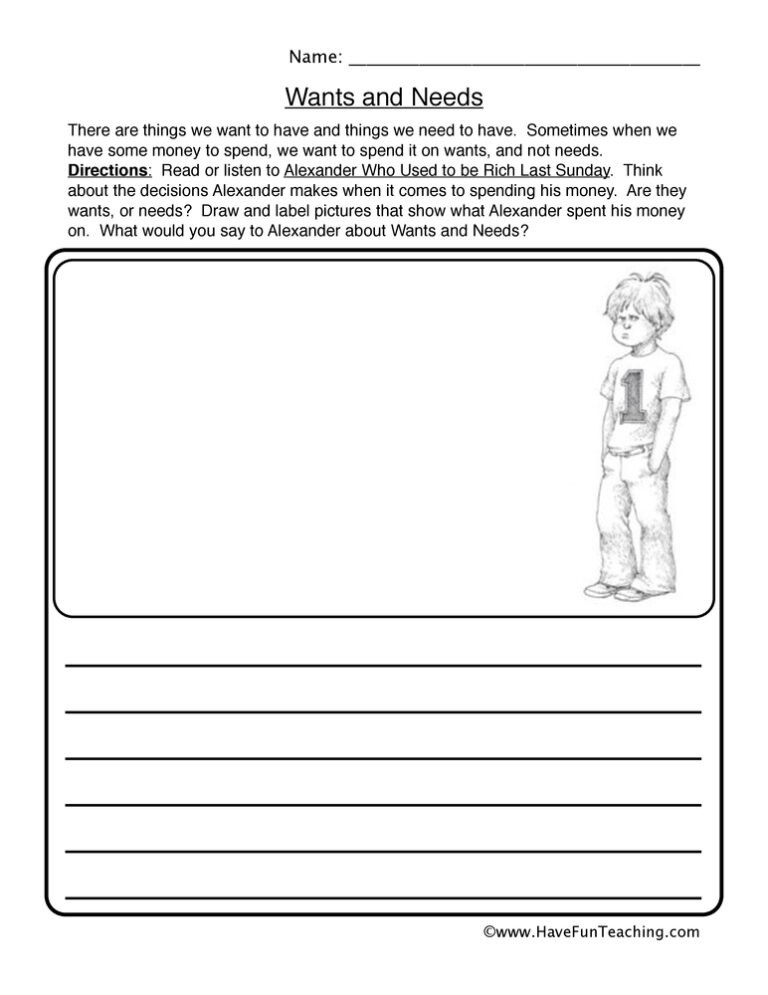
Activity5th GradeWants Needs Reading Response Worksheet

Using this Wants Needs Reading Response Worksheet, students readAlexander Who Used to be Rich Last Sunday to build their understanding of wants and needs.

From our teachers' playbook

Every story is a roller coaster!

What do 5th graders learn about plot?

Fifth graders learn that plot is the chain of events in a story, built around a conflict. They map the parts: exposition that sets up the characters and setting, rising action that builds tension, the climax or turning point, falling action and the resolution. They also explain how chapters and scenes fit together to build the story, and how what a character wants drives the events. Many fifth graders compare plots across stories and notice subplots for the first time. The click comes when kids can point to the exact moment in a novel where everything changes.

Our favorite ways to teach plot

Plot gets easier when kids can see its shape. These moves help fifth graders track how a story is built.

Map the mountain

Draw a plot mountain on the board and map a story everyone knows, like a familiar fairy tale. Think out loud about where the climax is and why. Then kids map a chapter book with a partner.

Why it works: showing first, practicing together, then letting kids try alone is the "gradual release" model teachers have relied on for decades (Pearson and Gallagher, 1983).

RL.5.5 Fifth Grade Common Core LessonTry it withRL.5.5 Fifth Grade Common Core LessonCommon Core LessonsOpen it →

What does the character want?

Have kids write what the main character wants and what stands in the way. That tension is the conflict that drives the plot. Students who start here find the climax much more easily.

Why it works: kids understand an idea best when they touch it, then draw it, then write it, the order the U.S. Department of Education recommends for elementary math.

Wants Needs Reading Response WorksheetTry it withWants Needs Reading Response WorksheetActivitiesOpen it →

Scene shuffle

Give groups scenes from a short story out of order. They put them back in plot order and explain which scene is the climax. Arguing over the turning point sends them back to the text.

Why it works: playful practice with a clear goal keeps kids practicing longer, and simple learning games have been shown to build real skills (Ramani and Siegler, 2008).

Questions parents and teachers ask

What are the five parts of plot?

Exposition, rising action, climax, falling action and resolution. Together they show how a story sets up a problem, builds to a turning point and wraps up.

What is the climax of a story?

The climax is the turning point, the most exciting moment when the main conflict comes to a head. After the climax, events start moving toward the resolution.

How do I teach plot to 5th graders?

Use a plot mountain with a story everyone knows, then have kids map their own reading. Ask them to explain how each chapter or scene moves the story forward.

How can I help my 5th grader understand plot at home?

After a movie or chapter, ask "What was the problem?" and "When did things change?" Talking through stories they enjoy builds plot skills naturally.



