3 days free
Ready for the whole library?
You’ve had your freebie — but members download 10,000+ resources for every grade, all year long. Try it free — $0 today, cancel anytime.
Free for teachers
Pick your grade. We’ll send 10 free resources.
Worksheets, activities and a video — picked for your classroom, ready to print tonight.
One free bundle per teacher. We’ll also send free teaching ideas each week — unsubscribe anytime.



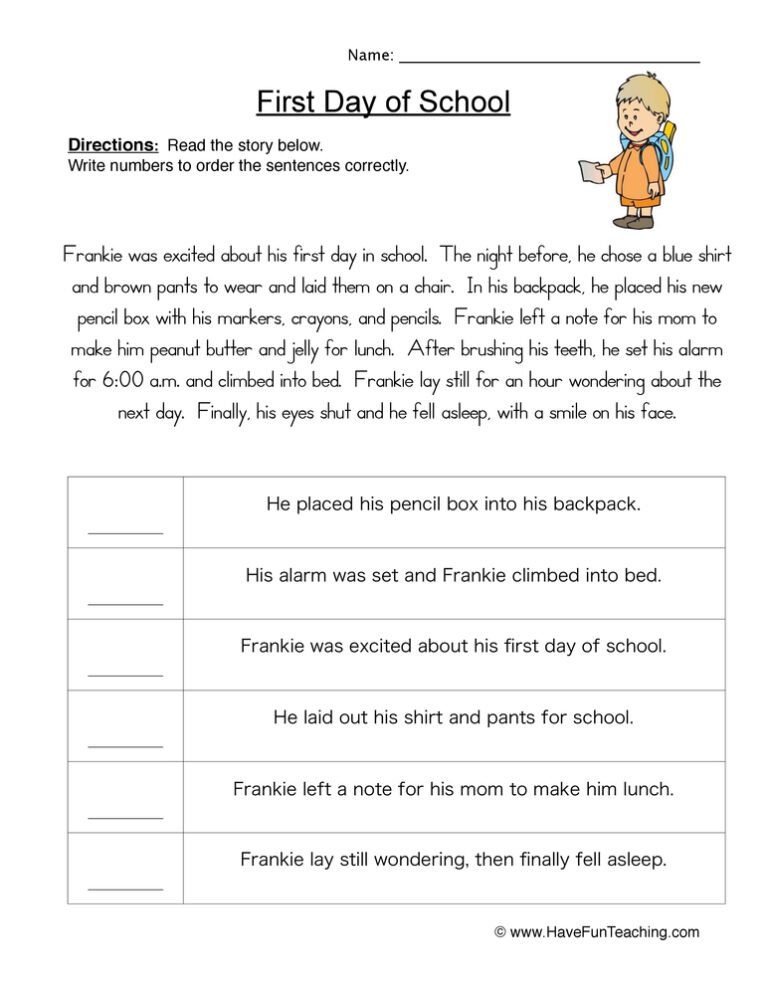
Second graders read a short story about a first day of school, then number six events in order on this story plot order of events worksheet. Answer key included for quick, no-prep sequencing practice.
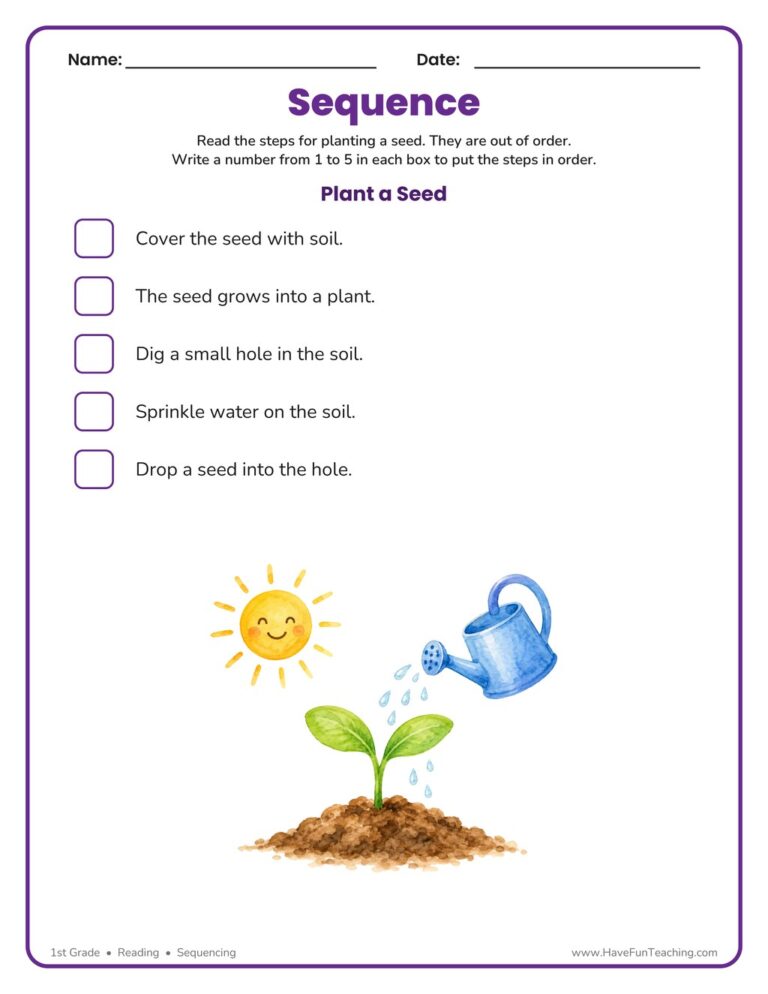
The Plant a Seed Sequence Worksheet helps 1st graders put five planting steps in order from first to last. Includes a complete answer key—perfect for quick, no-prep sequencing practice at home or school.
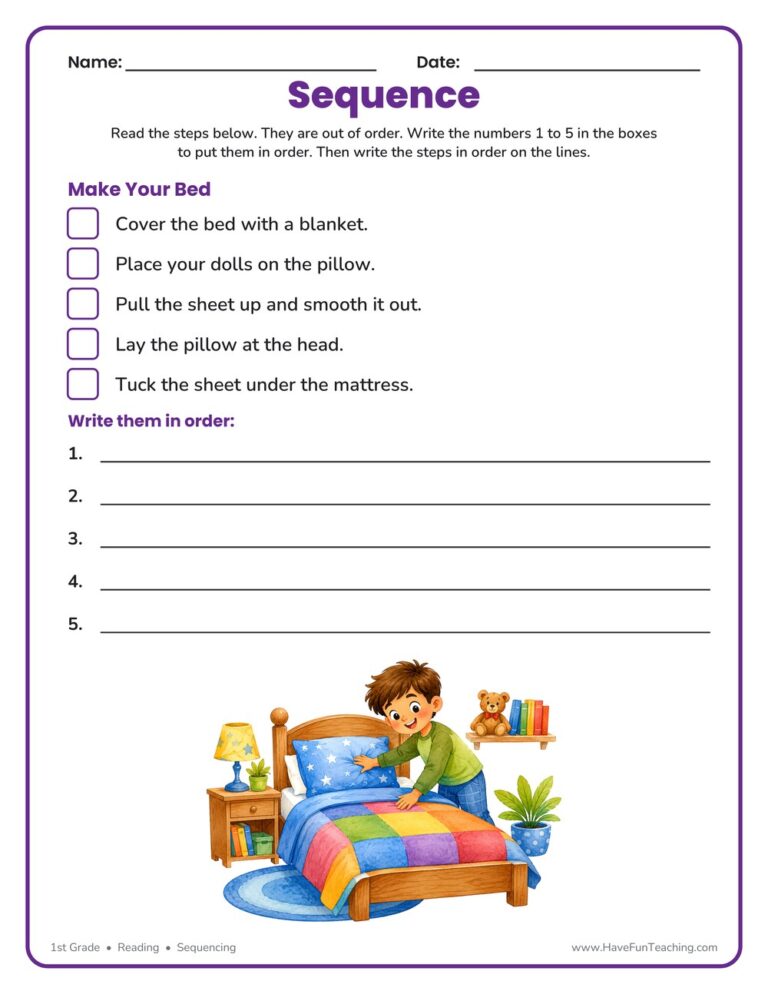
This Making a Bed Sequence Worksheet has 1st graders order five steps, number the boxes 1 to 5, and rewrite them in sequence. Answer key included — a fun, no-prep way to practice sequencing.

This characters and story plots worksheet gives 2nd Grade readers a short story, then asks them to name the characters and tell the beginning, problem and ending. An answer key is included, so retelling a book gets easier.
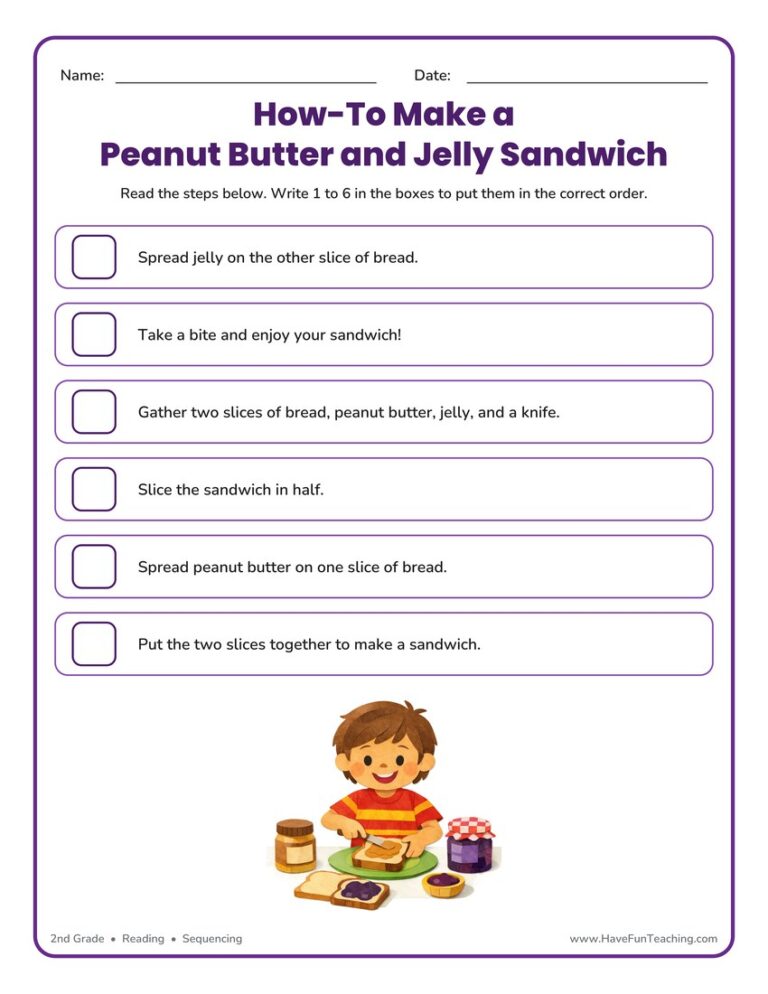
The How to Peanut Butter Jelly Sandwich Sequence Worksheet has 2nd graders number six mixed-up steps in the correct order. Includes an answer key — a fun, no-prep way to practice sequencing and reading comprehension.
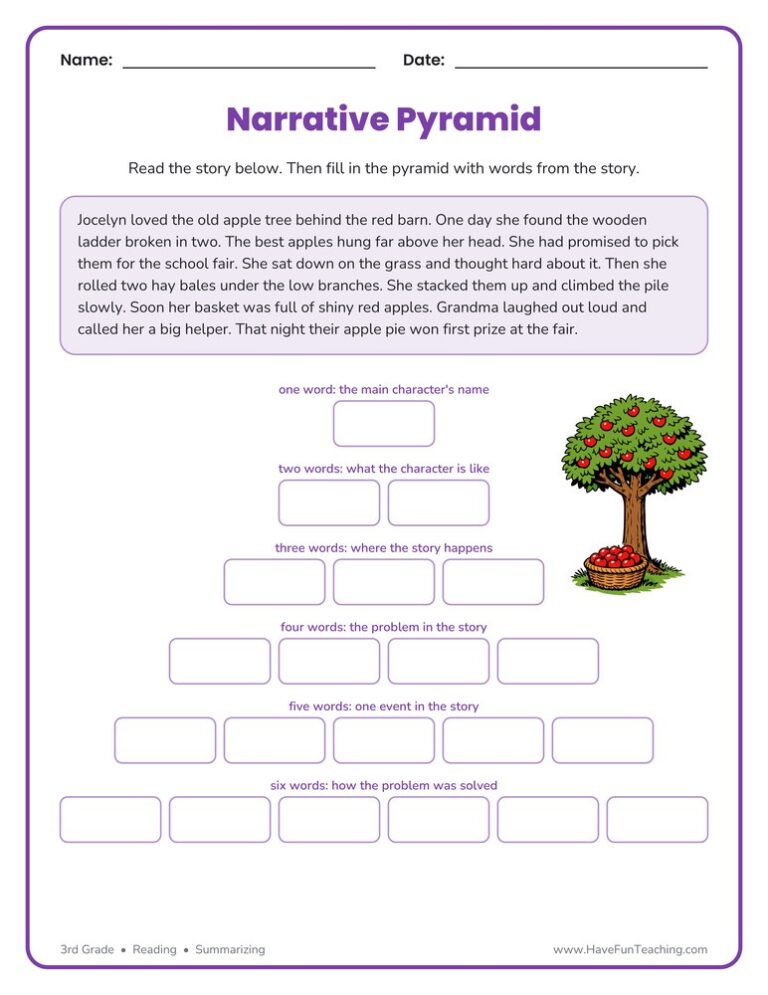
This Narrative Pyramid Worksheet prints an original story for 3rd graders, then asks them to summarize it row by row, from one word up to six. An answer key is included, so it works as a quick reading check or a pre-writing plan.
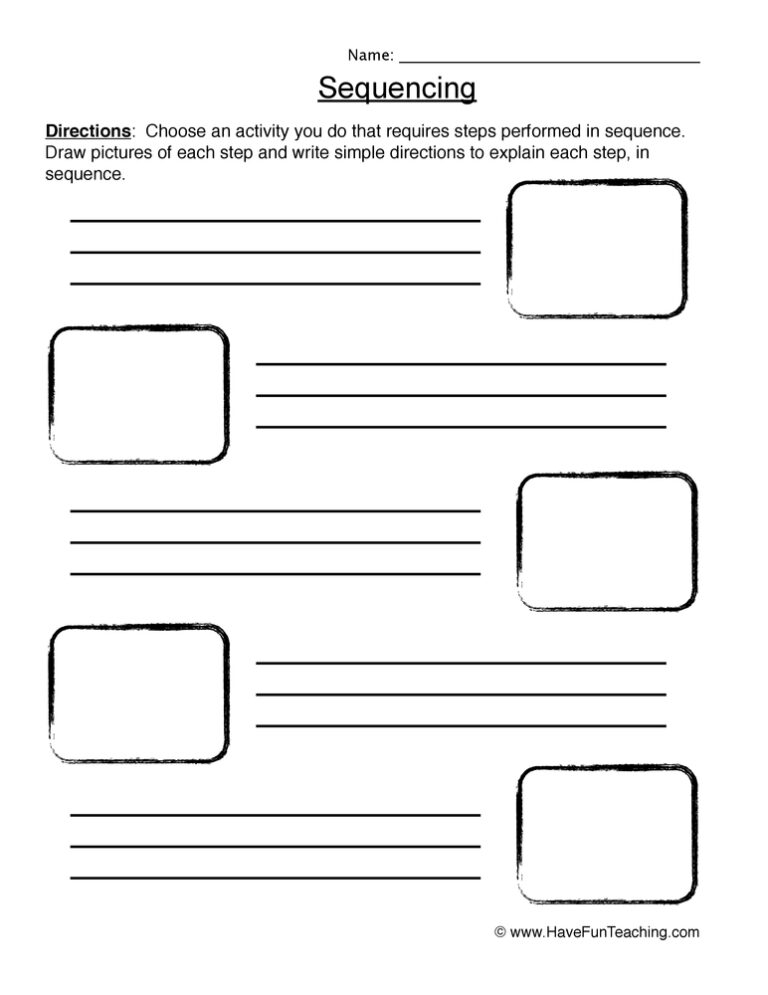
This sequencing brainstorming worksheet has 2nd graders number five story events in order, then plan the steps of their own activity. An answer key is included, so checking takes just seconds.
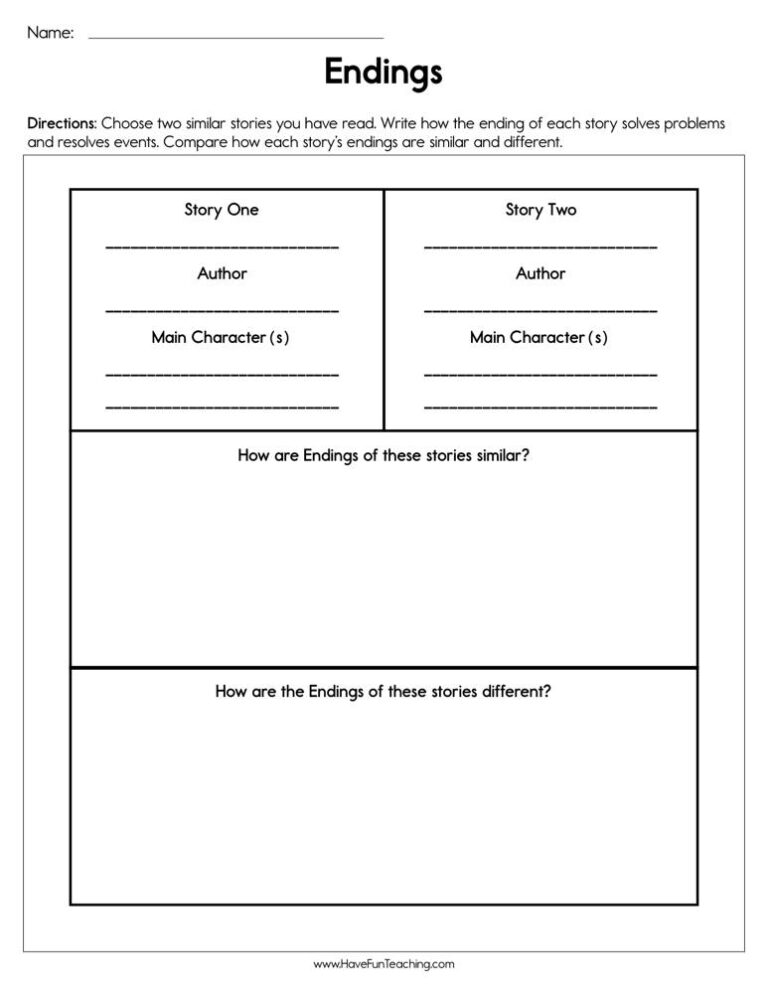
This endings worksheet helps 3rd grade students compare how two stories they have read end, explaining each ending and how the two are alike and different to build strong reading skills.
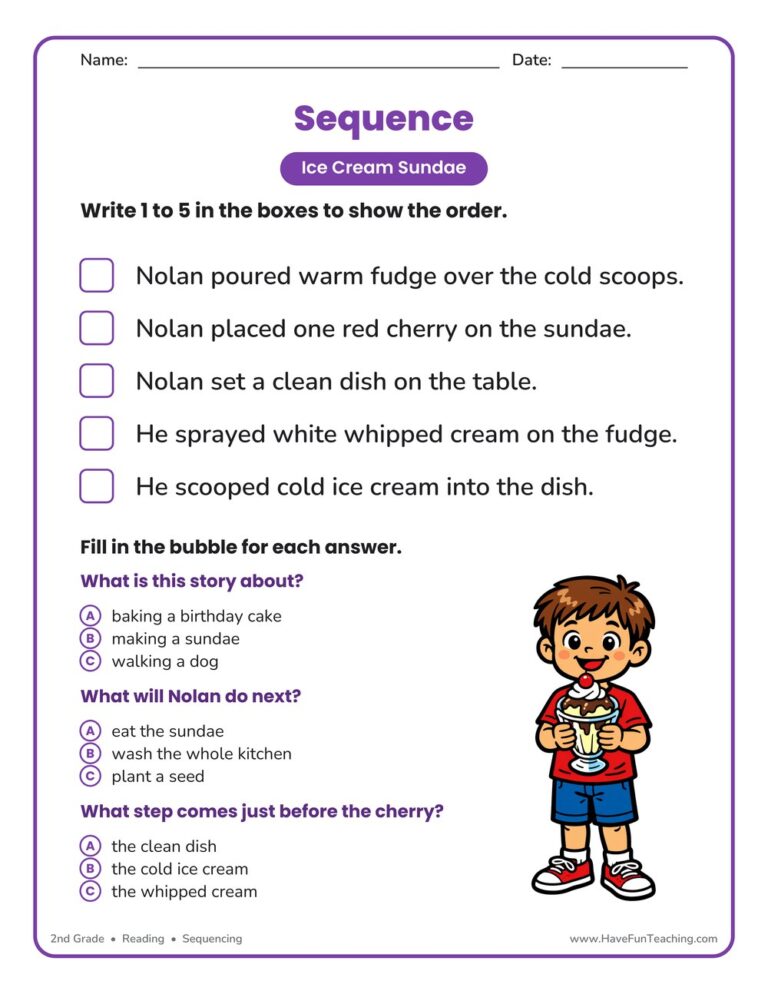
Use this ice cream sundae sequence worksheet to help 2nd graders read five mixed-up story steps and number them in order. An answer key is included, so checking work takes only seconds.

This problems and solutions worksheet gives 2nd Grade readers a short story and five questions about the problem and how it gets solved. An answer key is included, so students can practice finding plot evidence on their own.
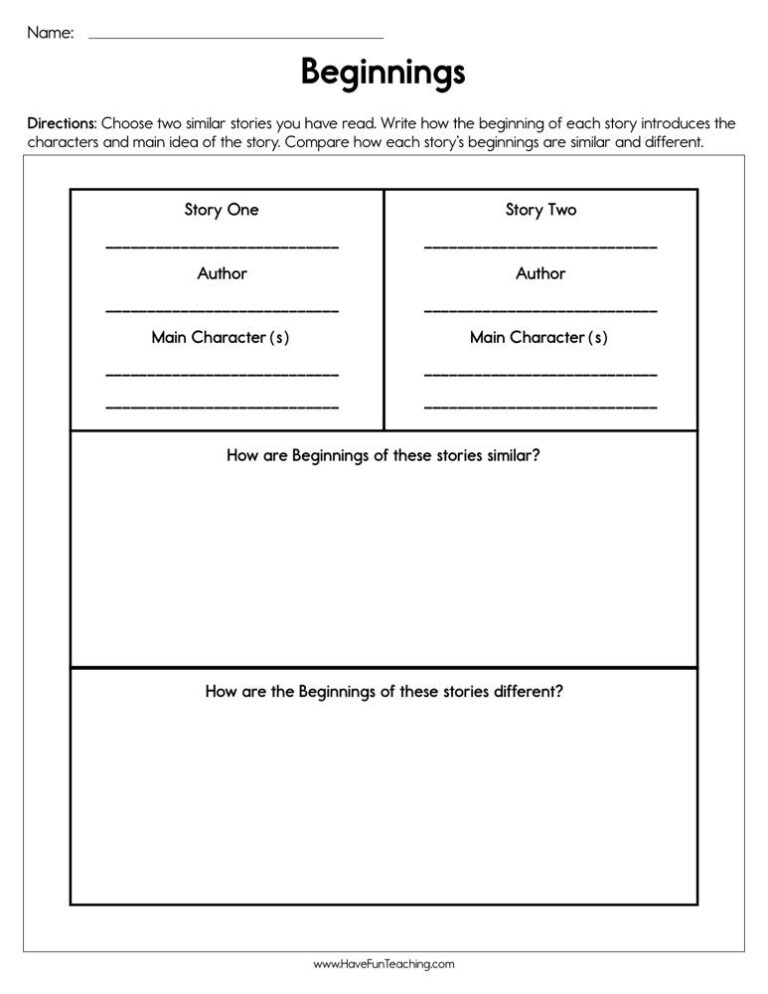
Using Beginnings Worksheet, students write how the beginning of each story introduces the characters and main idea of the story to compare the two similar stories read.

Use this beginning and ending of a story worksheet with any book your 3rd grade class reads. Students record the characters, the problem, and how the story starts and ends to build strong plot skills.
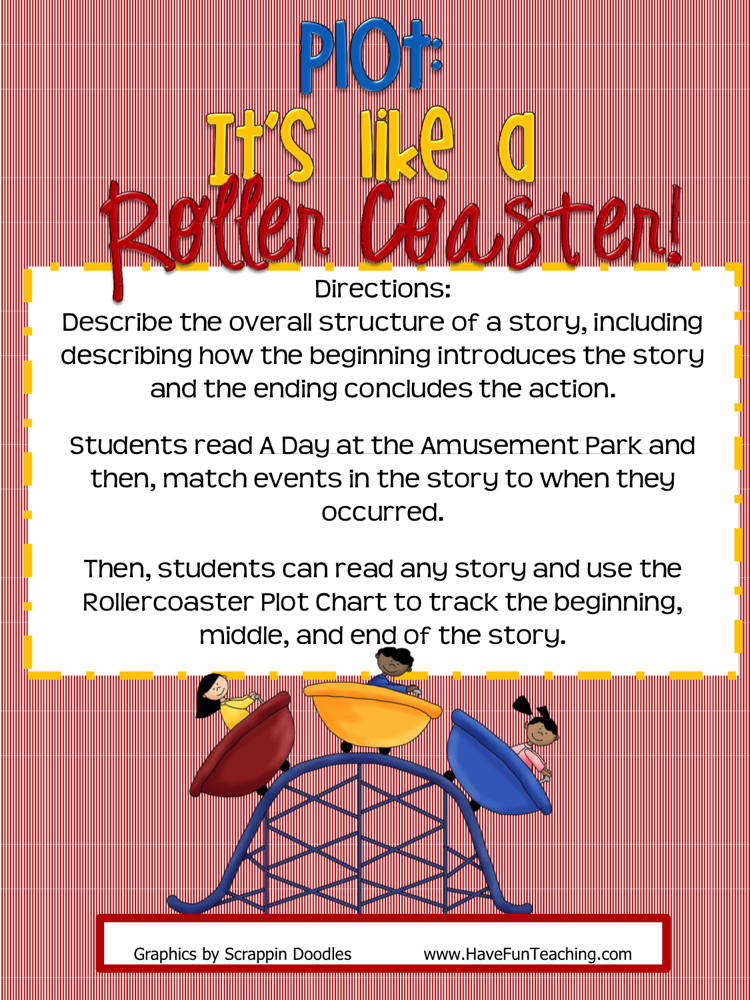
Using Beginning Middle End Plot Activity, students describe the overall structure of a story, including describing how the beginning introduces the story and the ending concludes the action.
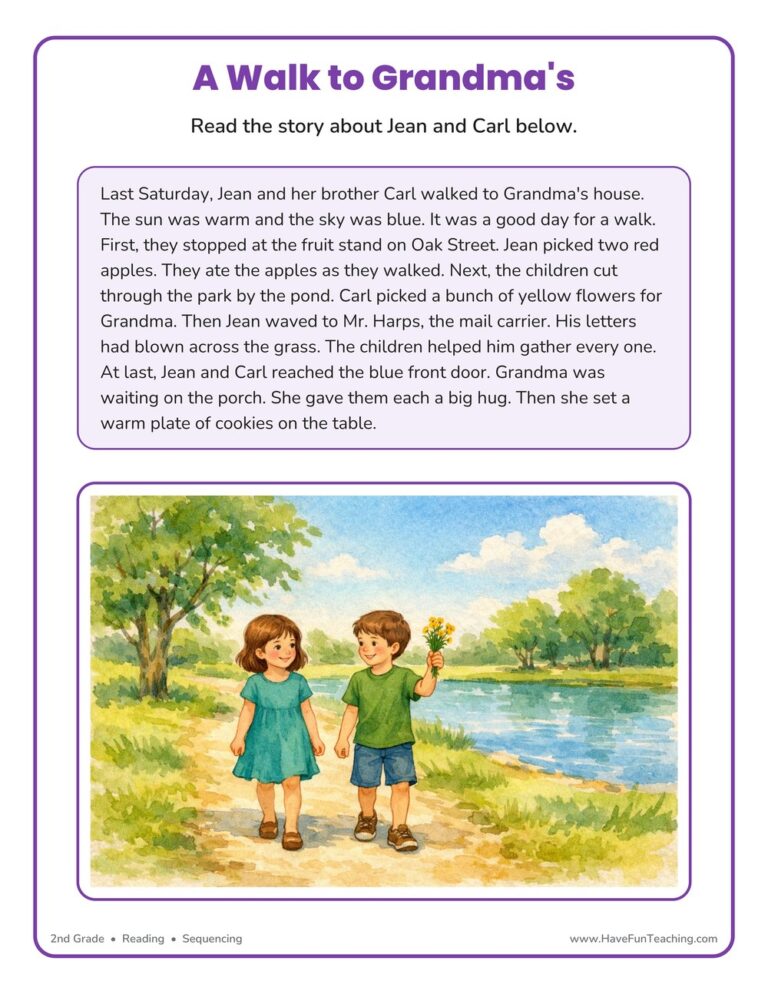
Students read a short story about a walk to Grandma’s house, then use this Story Events Order of Events Worksheet to number six events in order. Built for 2nd Grade with an answer key included — sequencing practice ready in one print.
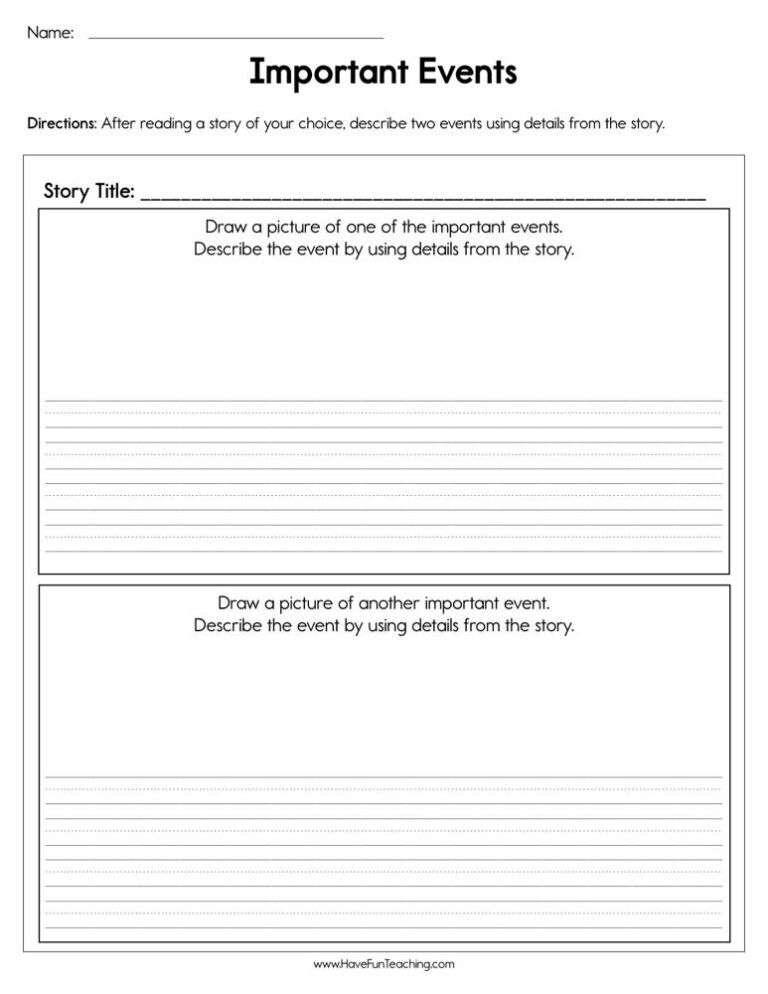
This important events worksheet has 1st graders read a short story about Little Bear and answer five questions about the plot. An answer key is included for fast, easy checking.

A Morning Routine Sequence Worksheet that has 3rd Grade readers number six mixed-up morning events and prove the order with words from the text. Answer key included for fast, no-prep sequencing practice.
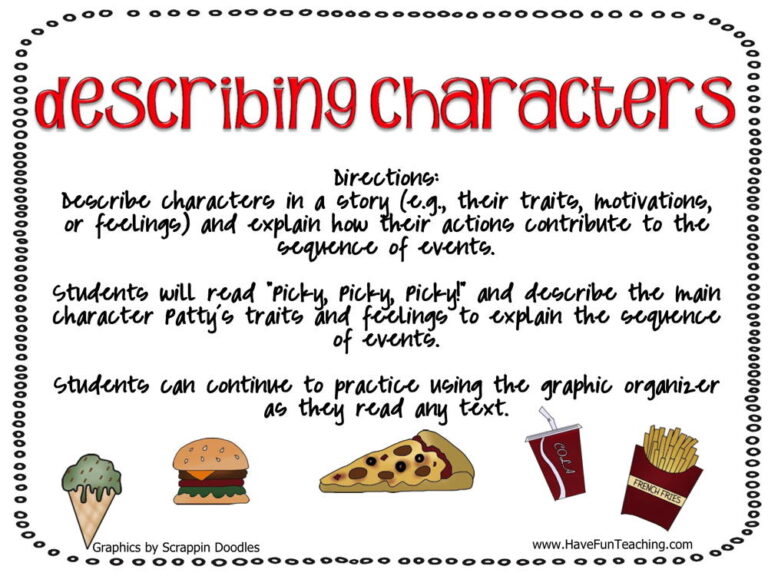
Using Describing Characters Beginning Middle and End Activity, students describe the overall structure of a story, including describing how the beginning introduces the story and the ending concludes the action.

Using Beginnings and Endings Worksheet, students write about the beginning and end of the story to show the purpose of each.
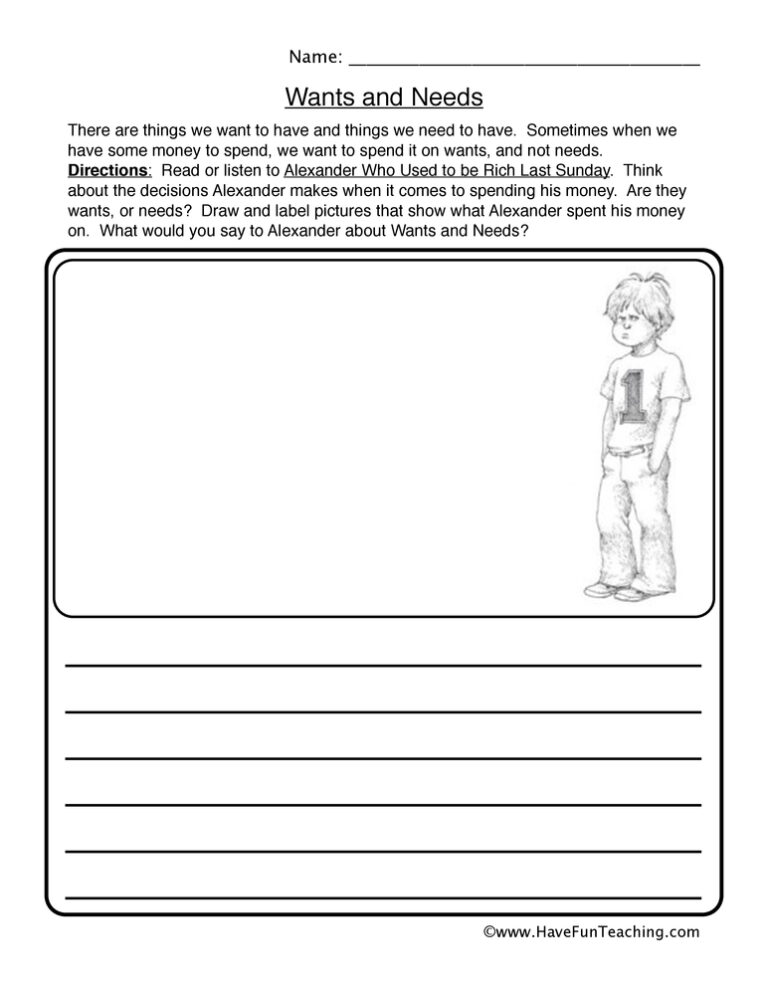
Using this Wants Needs Reading Response Worksheet, students readAlexander Who Used to be Rich Last Sunday to build their understanding of wants and needs.
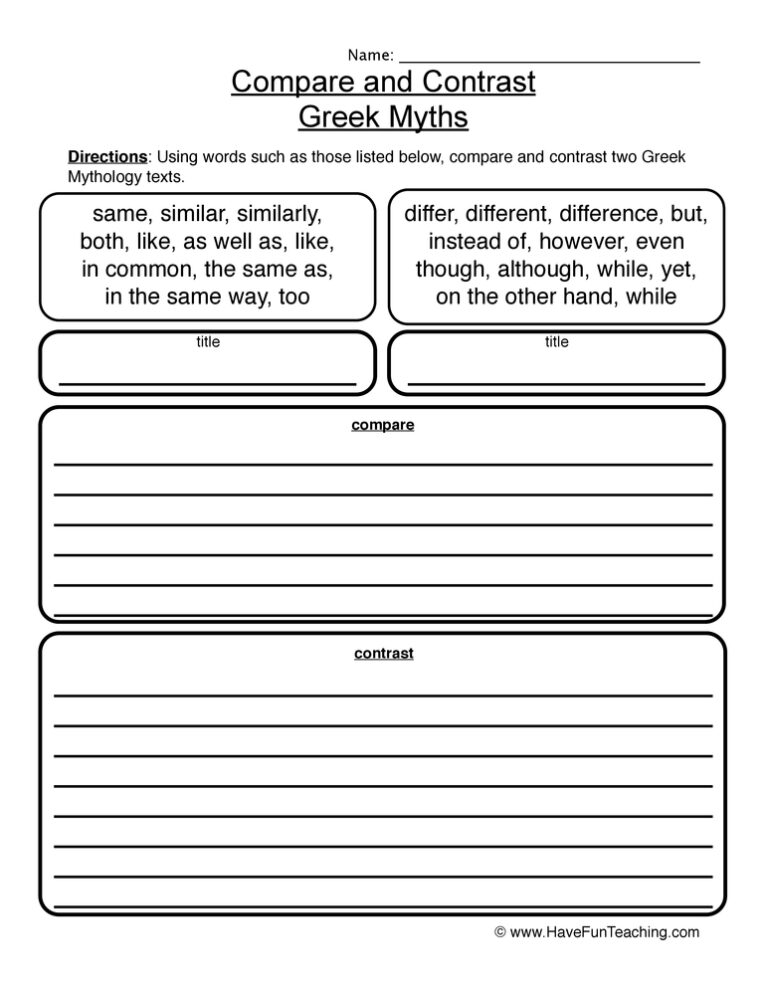
This compare and contrast Greek myths worksheet helps 4th graders record how two myths are alike and different, then give a reason for the one they liked more.