3 days free
Ready for the whole library?
You’ve had your freebie — but members download 10,000+ resources for every grade, all year long. Try it free — $0 today, cancel anytime.
Free for teachers
Pick your grade. We’ll send 10 free resources.
Worksheets, activities and a video — picked for your classroom, ready to print tonight.
One free bundle per teacher. We’ll also send free teaching ideas each week — unsubscribe anytime.


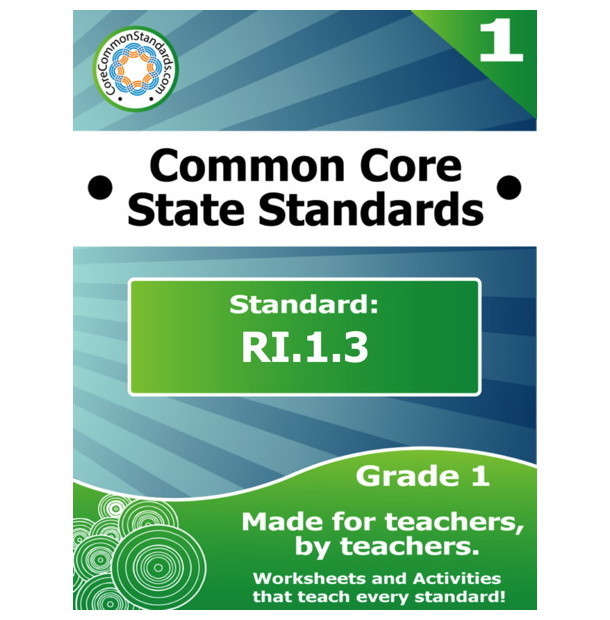
Using RI.1.3 First Grade Common Core Lesson, students describe the connection between two individuals, events, ideas, or pieces of information in a text to build reading comprehension skills.

Using this Whose Point of View Compare and Contrast Activity, students identify whether a story is being told in a first- or third-person POV, while comparing and contrasting the two.

Using What Are They Reading by Genre Assessment Worksheet, students keep track of the stories they read this year by writing the title and the date the book was completed.

Using Favorite Books and Characters Activity, studentscompare and contrast characters in their favorite books.
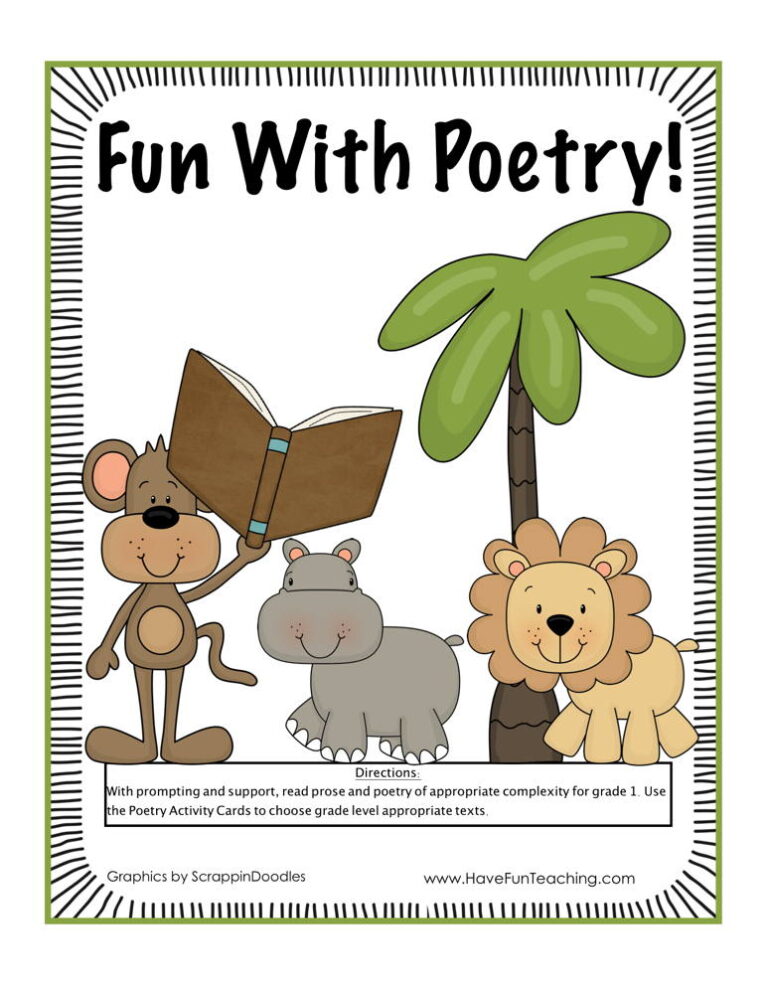
Using Fun With Poetry Activity, students read prose and poetry of appropriate complexity for grade 1. to build reading comprehension skills.
Using Let's Read Emergent Readers Activity, students read the emergent reader with purpose and understanding to improve fluency and accuracy.

Using Reading Sentences from Left to Right Worksheet, students read the sentences by moving from to left to right on the page with fluency and accuracy.

Using Finger Spaces Sorting Activity, studentsread the book by following the words from left to right, top to bottom, and page by page to build their understanding of the organization of print.
This RF.1.4 First Grade Common Core Lesson First Grade Common Core Lesson includes RF.1.4 Worksheets, RF.1.4 Activities,RF.1.4 Assessment, andRF.1.4 Poster.