
Skip to content
Start My 3 Free Days $0 today · cancel anytime

1st Grade Fluency Resources

28 1st grade fluency resources: 24 worksheets, 3 activities and 1 Common Core Lesson. How teachers use these

1st Grade Fluency Resources

28 1st grade fluency resources: 24 worksheets, 3 activities and 1 Common Core Lesson. How teachers use these

Worksheet
Worksheet1st GradeDecoding Words Worksheet

This 1st Grade Decoding Words Worksheet lets young readers sound out decodable words aloud and circle the correctly spelled word. Answer key included — a quick, no-prep way to build reading fluency and phonics confidence.

Worksheet
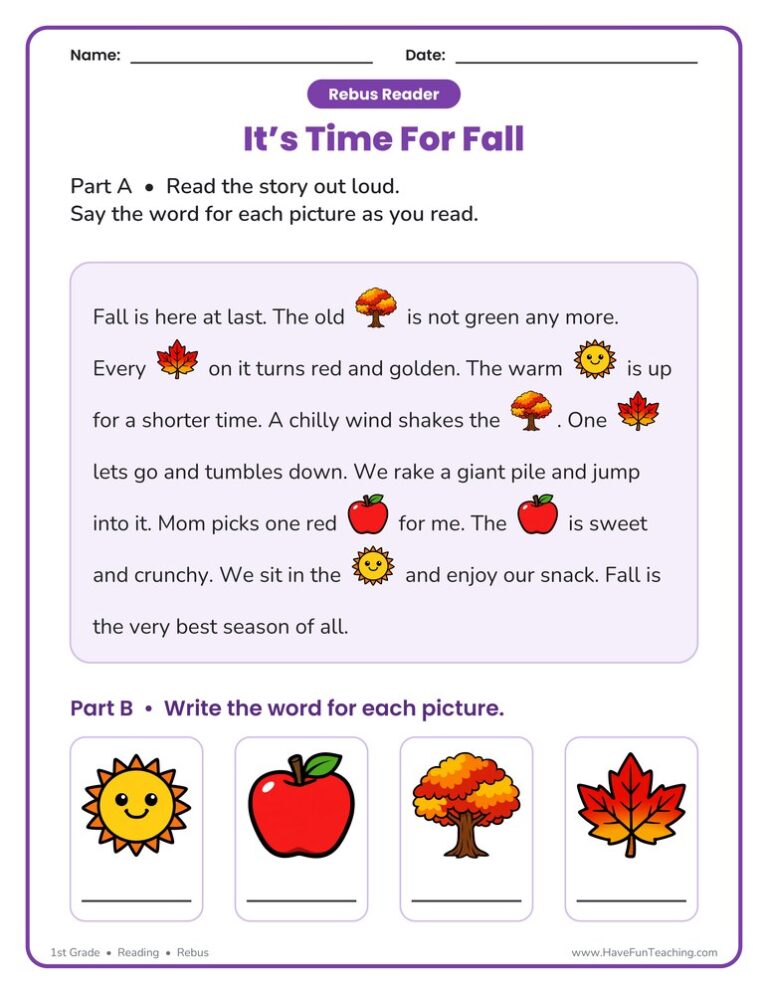
Worksheet1st GradeTime for Fall Rebus Worksheet

This Time for Fall Rebus Worksheet gives 1st graders an autumn story to read aloud, with pictures standing in for tree, leaf, sun, and apple. An answer key is included for quick fluency practice.

Worksheet
Worksheet1st GradeReading Fluency Worksheet

This reading fluency worksheet gives 2nd Grade students a 129-word passage to read out loud in one minute, with a running word count and a six-row chart for tracking their score week by week.

Worksheet
Worksheet1st GradeSnake Rebus Worksheet

This Snake Rebus Worksheet gives 1st graders a picture-supported story to read aloud, then four pictures to label with the matching word. Answer key included, so fluency practice takes almost no prep.

Worksheet
Worksheet1st GradeReading Fluency Checklist Worksheet

This Reading Fluency Checklist Worksheet gives 1st Grade teachers a one-page conference tool: running record marks, fluency look-fors, accuracy bands and end-of-year rate targets. Print one for every reading conference.

Worksheet
Worksheet1st GradeAccuracy and Fluency Reading Assessment Worksheet

Use this Accuracy and Fluency Reading Assessment Worksheet to record a 1st grade reading conference. Printed formulas score accuracy, self-correction, and words correct per minute in seconds.

Worksheet
Worksheet1st GradeReading Fiction Fluency Practice Worksheet

This reading fiction fluency practice worksheet has 1st Grade students read a short kite story aloud for one minute, use the running word count, and chart their score to watch their reading speed grow.

Worksheet
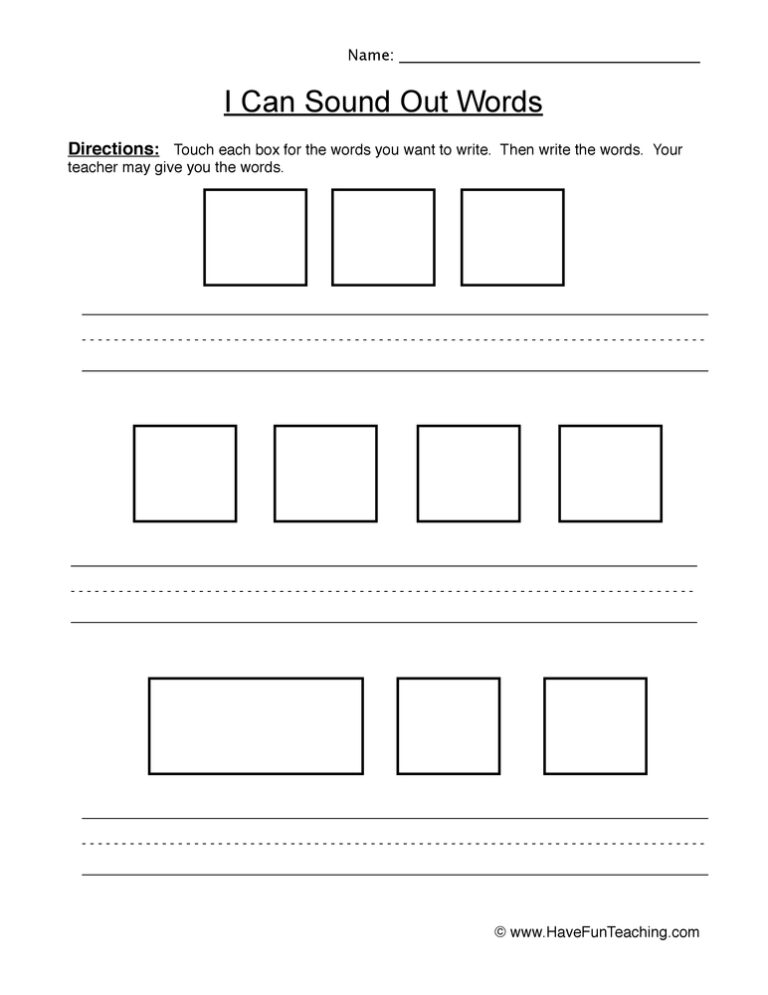
Worksheet1st GradeSound Out Words Worksheet

This sound out words worksheet gives 1st grade readers four picture words to split into sound boxes, three words to count letters and sounds, and an answer key for easy checking.

Worksheet
Worksheet1st GradeI Can Read and Correct Sentences Worksheet

In this I Can Read and Correct Sentences Worksheet, 1st grade students fix and rewrite sentences with a capital and a period. An answer key is included to make checking quick.

Worksheet
Worksheet1st GradeReading Fluency and Accuracy Worksheet

This reading fluency and accuracy worksheet helps first grade teachers keep a running record of errors, self-corrections and words correct per minute while a student reads aloud.

Worksheet
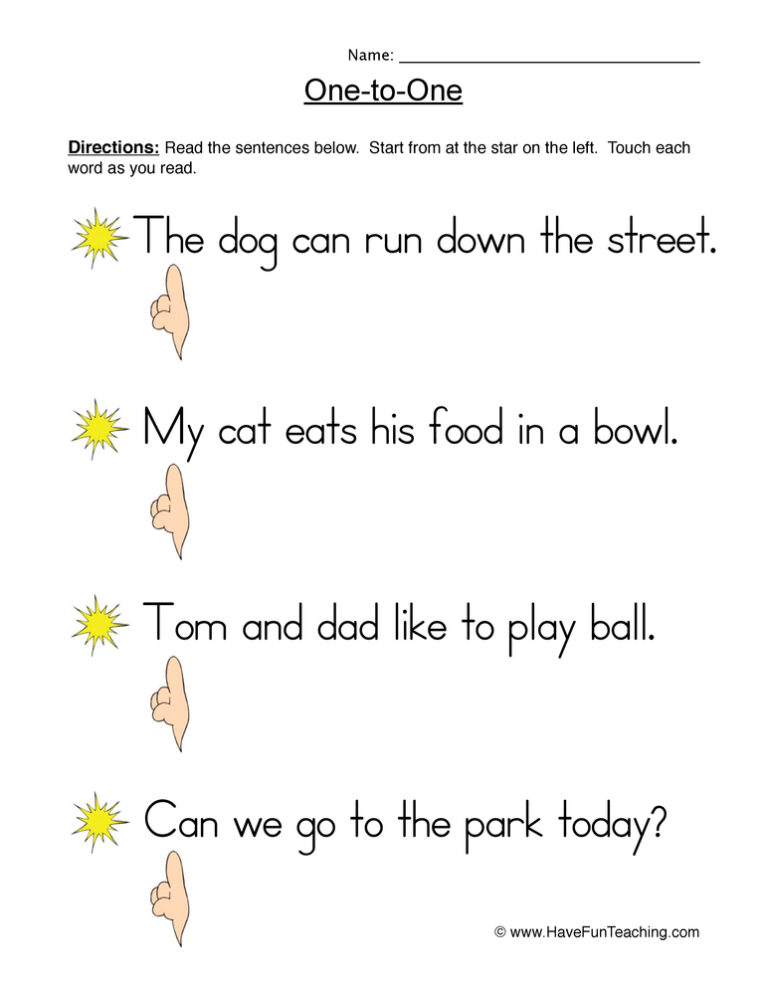
Worksheet1st GradeOne to One Reading Words Worksheet

This one to one reading words worksheet has 1st grade readers touch a box for each word, then write the missing word from a word bank. An answer key is included.

Worksheet
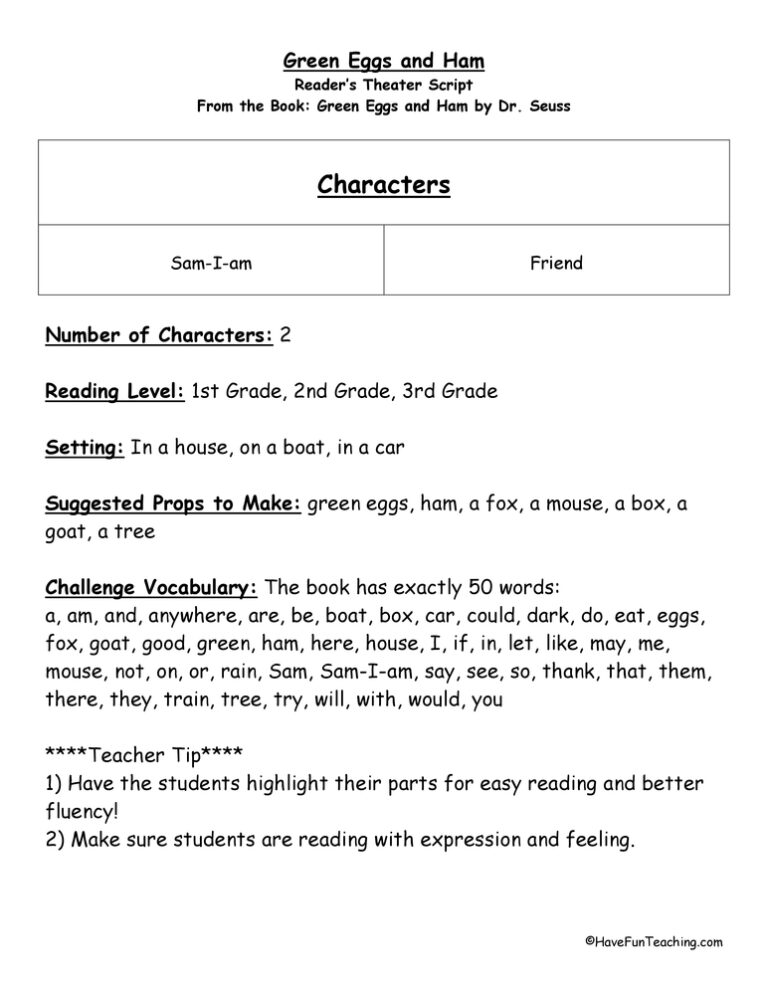
Worksheet1st GradeGreen Eggs and Ham Reader's Theater

Using Green Eggs and Ham Reader's Theater, students act out different parts in the story Green Eggs and Hall to learn more about Dr. Seuss.

Activity
Activity1st GradeI Like Colors Flip Book Activity

This I Like Colors flip book activity lets PreK to 1st Grade children build and read a 10-page color mini book with a repeating sentence. Answer key included.

Worksheet
Worksheet1st GradeReading One to One Worksheet

The Reading One to One Worksheet has 1st grade readers touch each word as they read, then match every sentence to a row with one box per word. An answer key is included.

Worksheet
Worksheet1st GradeI Can Read Worksheet

The I Can Read Worksheet has 1st grade students put mixed-up words in order and write real sentences with capitals and periods. An answer key is included for fast, easy checking.

Worksheet
Worksheet1st GradeReading with Fluency Worksheet

This reading with fluency worksheet gives 1st graders a short timed story, a running word count, and a three-try practice log. Answer key included, so every one-minute read shows real, chartable progress.

Worksheet
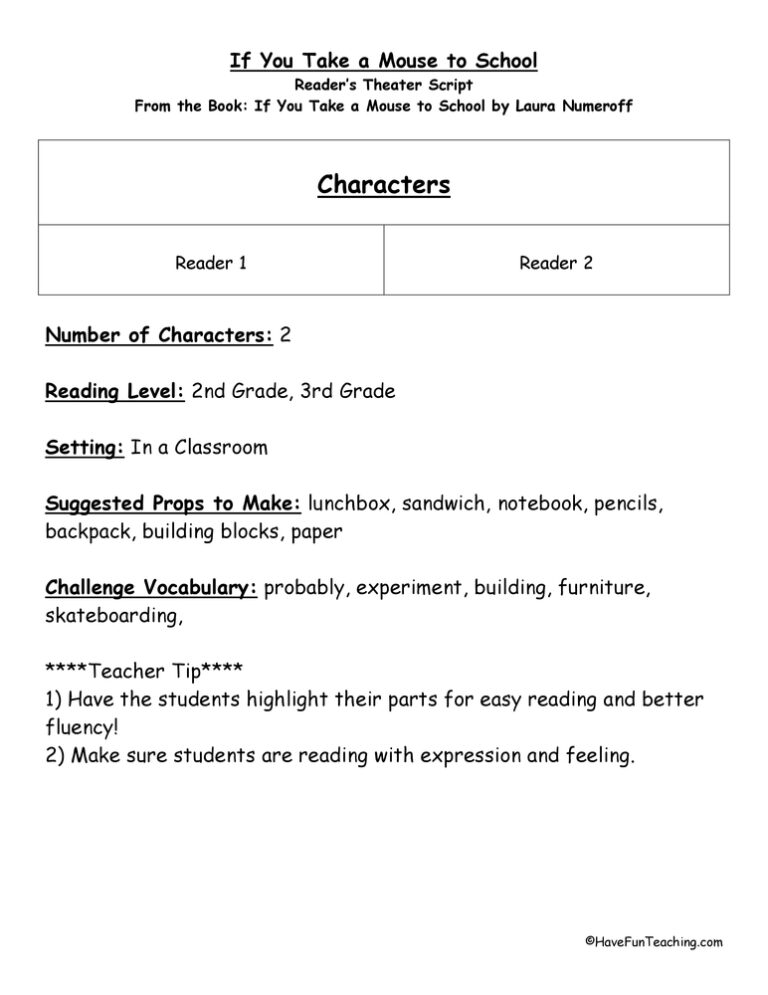
Worksheet1st GradeIf You Take A Mouse To School Reader's Theater

Using If You Take A Mouse To School Reader's Theater, students act out different parts in the story in this beloved story to build their reading fluency and accuracy skills.

Activity
Activity1st GradeLet's Read Emergent Readers Activity

This Let's Read emergent readers activity is a cut-and-tape mini book for PreK to 1st grade that builds sight word fluency. Answer key included for the practice page.

Worksheet
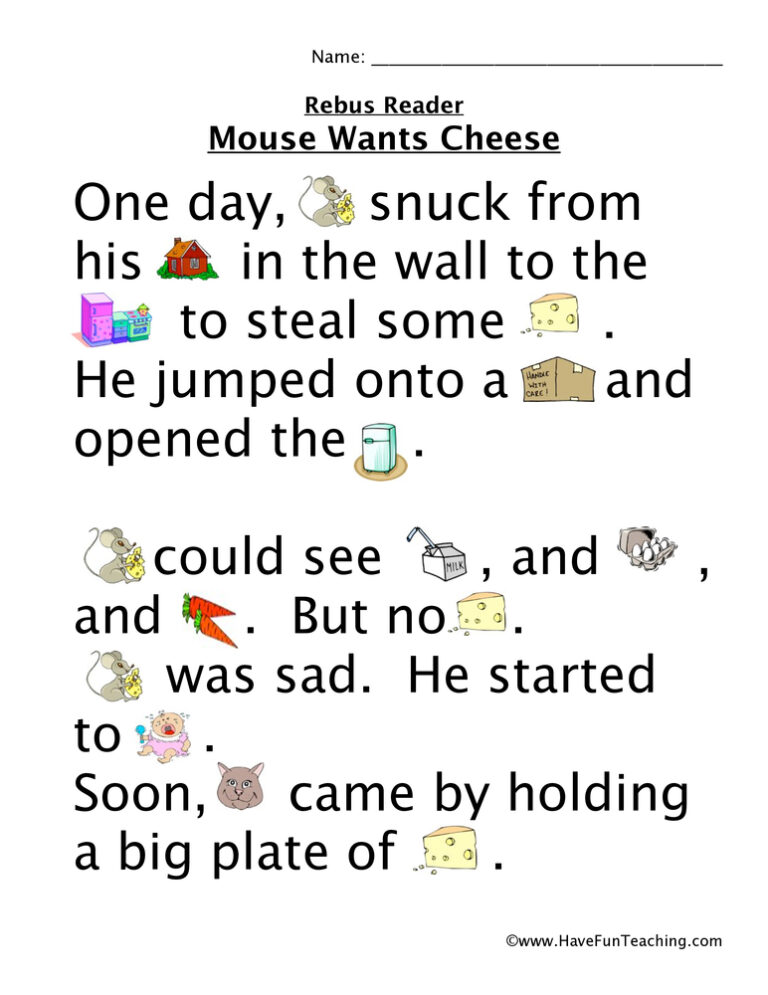
Worksheet1st GradeMouse Wants Cheese Rebus Worksheet

This Mouse Wants Cheese Rebus Worksheet lets 1st graders read a short story with pictures standing in for three words, then write each word on its own card. Answer key included for quick, no-prep fluency practice.

Activity
Activity1st GradeReading Simple Sentences Activity Board Game

This reading simple sentences activity board game helps K-1st grade readers read short sentences word by word and match them to pictures. Game board, cards and practice page, with an answer key included.

From our teachers' playbook

Smooth, bouncy, expressive reading!

What do 1st graders learn about fluency?

In first grade, fluency means reading words accurately, at a comfortable pace, and with expression. Kids learn to read sight words quickly, sound out new words smoothly, and point to each word as they read. They practice reading the same text more than once, getting a little smoother each time. They also learn that punctuation tells their voice what to do: a question mark makes the voice go up! The click moment comes when a child reads a page without stopping and it sounds just like talking.

Our favorite ways to grow fluent readers

Fluency grows with modeling and lots of rereading. These moves make the practice feel good.

I read, you read

Read a sentence aloud with expression, then have kids echo it back. Point out how your voice changed at the exclamation point. Hearing fluent reading right before they try it gives kids a model to copy.

Why it works: showing first, practicing together, then letting kids try alone is the "gradual release" model teachers have relied on for decades (Pearson and Gallagher, 1983).

Reading Fluency WorksheetTry it withReading Fluency WorksheetWorksheetsOpen it →

Read it three days in a row

Use the same short passage Monday, Tuesday and Wednesday. Kids notice they read faster and with fewer mistakes each day. That visible progress is a huge motivator for new readers.

Why it works: the brain holds on to what it meets again and again over time; spaced practice was rated among the very best methods (Dunlosky and colleagues, 2013).

Reading Fluency and Accuracy WorksheetTry it withReading Fluency and Accuracy WorksheetWorksheetsOpen it →

Rebus reading warm-up

Start with a rebus story where pictures stand in for tricky words. Kids can focus on reading smoothly instead of getting stuck. It's a confidence booster before tackling an all-word text.

Why it works: children learn more from words and pictures together than from words alone (Mayer, 2009).

Snake Rebus WorksheetTry it withSnake Rebus WorksheetWorksheetsOpen it →

Questions teachers and parents ask

What is reading fluency in 1st grade?

It's reading accurately, at a steady pace and with expression. First graders work on reading sight words quickly, decoding new words smoothly and using punctuation to guide their voice.

How many words per minute should a 1st grader read?

Expectations grow across the year, and schools use different benchmarks. Many first graders read around 50 to 60 words per minute by spring. Your child's teacher can share the benchmark your school uses.

How can I improve my 1st grader's fluency at home?

Read the same short book several times, take turns reading pages, and model expressive reading. Short, frequent practice works better than long sessions.

Why does my child read slowly?

Slow reading often means they are still sounding out many words. Building sight word recognition and decoding skills helps, along with lots of rereading of familiar texts.


