
Skip to content
Start My 3 Free Days $0 today · cancel anytime

1st Grade Energy Resources

3 1st grade energy resources: 2 activities and 1 worksheet. How teachers use these

1st Grade Energy Resources

3 1st grade energy resources: 2 activities and 1 worksheet. How teachers use these

Worksheet
Worksheet1st GradeSound Volume Worksheet

This sound volume worksheet asks first grade students to circle the loudest sound in each row, then color circles that grow louder. An answer key is included, so children learn to compare loud and soft sounds.

Activity
Activity1st GradeMagnet Activity

This magnet activity has kindergarten to 3rd grade students sort picture cards into things a magnet will pull and things it will not, with a sorting mat, practice page and answer key.

Activity
Activity1st GradeThings That Give Light Activity

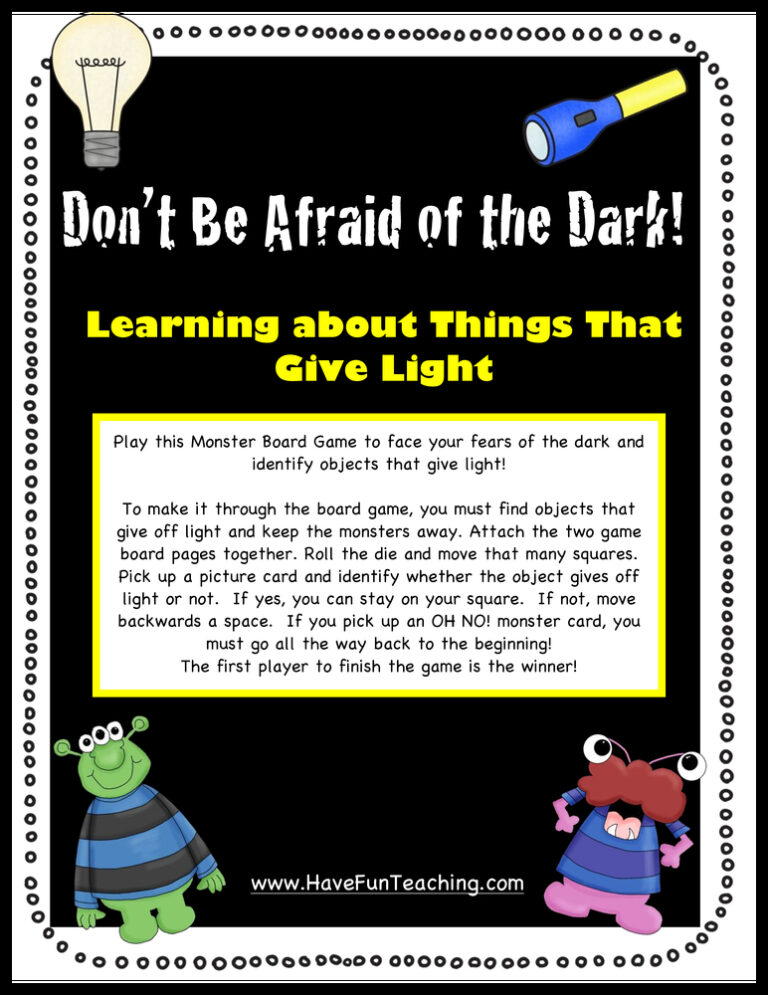
A things that give light activity for kindergarten to 2nd grade: a board game with 12 picture cards about light sources, a practice page and an answer key included.

From our teachers' playbook

Light it up, turn it up

What do 1st graders learn about energy?

In 1st grade, energy shows up as two big things kids can see and hear: light and sound. They learn that we can only see objects when there's light, that some things give off their own light (the sun, a flashlight) and others just reflect it. With sound, they discover that vibrating things make sound: pluck a rubber band and watch it wiggle. They notice that sounds can be loud or soft, high or low. The click moment comes when a child touches their throat while humming and says, "It's shaking!"

Our favorite ways to teach energy

Young scientists learn by noticing. These moves give them lots to notice.

Light giver or not?

Hold up objects like a flashlight, a mirror, a lamp and a spoon. Kids sort them into "gives light" and "doesn't give light." Then turn off the lights and test their sort. Real objects and a dark room make the idea unforgettable.

Why it works: kids understand an idea best when they touch it, then draw it, then write it, the order the U.S. Department of Education recommends for elementary math.

Things That Give Light ActivityTry it withThings That Give Light ActivityActivitiesOpen it →

Loud or soft?

Play quick sounds and kids hold up a card for loud or soft. Then ask them to make each sound louder or softer with their own voice. Quick, repeated checks build the vocabulary.

Why it works: pulling an answer out of memory makes it stick far better than rereading it, one of the strongest findings in learning research (Dunlosky and colleagues, 2013).

Sound Volume WorksheetTry it withSound Volume WorksheetWorksheetsOpen it →

Sense of the day

Spend a few minutes each day on one light or sound question: "What makes a shadow?" "Why does a drum make sound?" Little daily visits stack up into real understanding.

Why it works: the brain holds on to what it meets again and again over time; spaced practice was rated among the very best methods (Dunlosky and colleagues, 2013).

Magnet ActivityTry it withMagnet ActivityActivitiesOpen it →

Questions parents and teachers ask about energy

What is energy in 1st grade science?

First graders mostly study light and sound. They learn that light lets us see, and that vibrating objects make sound.

How do I explain sound to a 1st grader?

Sound is made when something vibrates, or shakes back and forth very fast. Have your child hum with a hand on their throat to feel it.

What gives off light for kids to learn?

The sun, flashlights, lamps, candles and screens give off light. Things like the moon and mirrors don't make light; they reflect it.

What is an easy energy experiment for 1st grade?

Make a shadow with a flashlight and a toy. Move the light closer and farther to watch the shadow change size.



