
Skip to content
Start My 3 Free Days $0 today · cancel anytime

4th Grade Life Cycle Resources

3 4th grade life cycle resources: 1 activity and 1 worksheet. How teachers use these

4th Grade Life Cycle Resources

3 4th grade life cycle resources: 1 activity and 1 worksheet. How teachers use these

Activity
Activity4th GradeEarth Day Writing Activity

UsingEarth Day Writing Activity, students brainstorm the sequence of events of a growing seed, then publish using them Earth Day themed writing.

Worksheet
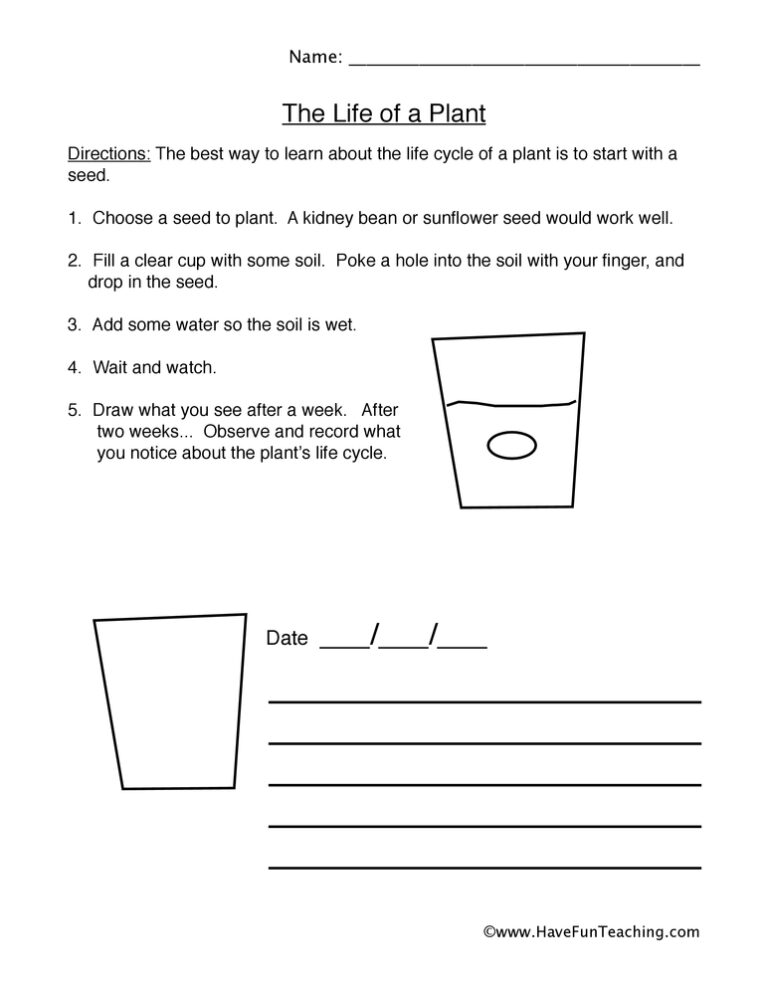
Worksheet4th GradePlant Life Cycle Observations Worksheet

This plant life cycle observations worksheet has 4th grade students read a pea plant log, graph its height, and explain its growth. An answer key is included for quick checking.

4th GradeButterfly Clip Art

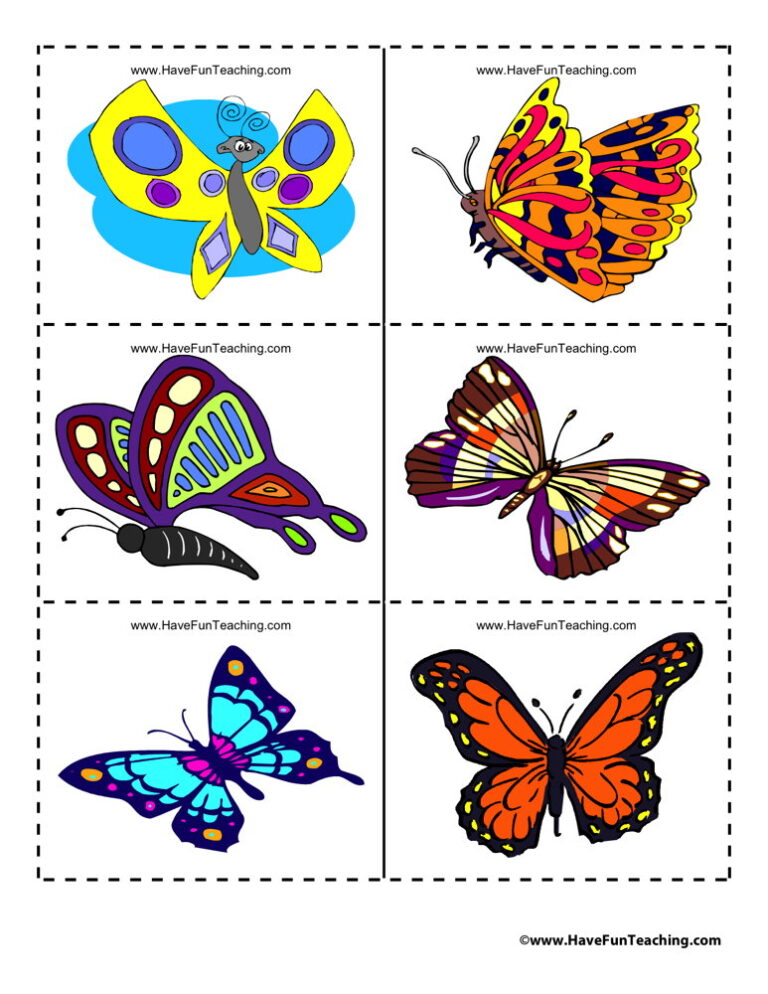
This Butterfly Clip Art is a perfect addition to any bulletin board, flyer, or other printable that you use in your classroom while learning about butterflies.

From our teachers' playbook

Born, grow, reproduce, repeat

What do 4th graders learn about life cycles?

Fourth graders learn that every plant and animal goes through a life cycle: birth or germination, growth, reproduction and death. They compare life cycles, like a frog's metamorphosis (egg → tadpole → froglet → frog) with a flowering plant's (seed → seedling → adult plant → flower → seed). They also study how plant parts like flowers, seeds and roots help the plant survive and reproduce. The aha moment comes when kids see that a cycle never really ends. It always loops back to the start!

Our favorite ways to teach life cycles in 4th grade

Life cycles are perfect for observing and comparing. These moves turn kids into careful scientists.

Grow and observe

Plant bean seeds in clear cups so kids can watch the roots and shoots grow. They record observations every few days with drawings and measurements. Watching a life cycle happen in front of them makes every stage real.

Why it works: kids understand an idea best when they touch it, then draw it, then write it, the order the U.S. Department of Education recommends for elementary math.

Plant Life Cycle Observations WorksheetTry it withPlant Life Cycle Observations WorksheetWorksheetsOpen it →

Compare the cycles

Kids draw two life cycles side by side, like a butterfly and a frog, and circle what is similar. Both have stages that look nothing like the adult! Comparing pictures helps kids see the big pattern.

Why it works: pairing a picture with each word gives kids two ways to remember it, a well-tested principle of how people learn (Mayer, 2009).

Earth Day Writing ActivityTry it withEarth Day Writing ActivityActivitiesOpen it →

Life cycle check-ins

Every week, return to the class plant or animal and ask "What stage is it in now? What comes next?" Coming back to the same question over time builds deep understanding.

Why it works: short practice spread over several days beats one long session, according to a large review of learning research (Dunlosky and colleagues, 2013).

Butterfly Clip ArtTry it withButterfly Clip ArtOpen it →

Questions about teaching life cycles in 4th grade

What life cycles do 4th graders study?

Fourth graders often study plant life cycles and animal life cycles such as frogs, butterflies and chickens. They compare complete and incomplete metamorphosis and the role of flowers and seeds in plants.

What is metamorphosis for kids?

Metamorphosis is a big change in body shape during an animal's life cycle. A caterpillar becoming a butterfly and a tadpole becoming a frog are both examples.

What are the stages of a plant life cycle?

A plant grows from a seed into a seedling, then an adult plant that makes flowers. Flowers produce seeds, and the cycle starts again.

How can I teach life cycles at home?

Grow beans or sunflowers in a cup, or raise butterflies with a kit. Keep a simple journal to record changes every few days.



