Skip to content
Start My 3 Free Days $0 today · cancel anytime

4th Grade Living and Non-Living Things Resources

9 4th grade living and non-living things resources: 5 activities and 4 worksheets. How teachers use these

4th Grade Living and Non-Living Things Resources

9 4th grade living and non-living things resources: 5 activities and 4 worksheets. How teachers use these

Worksheet
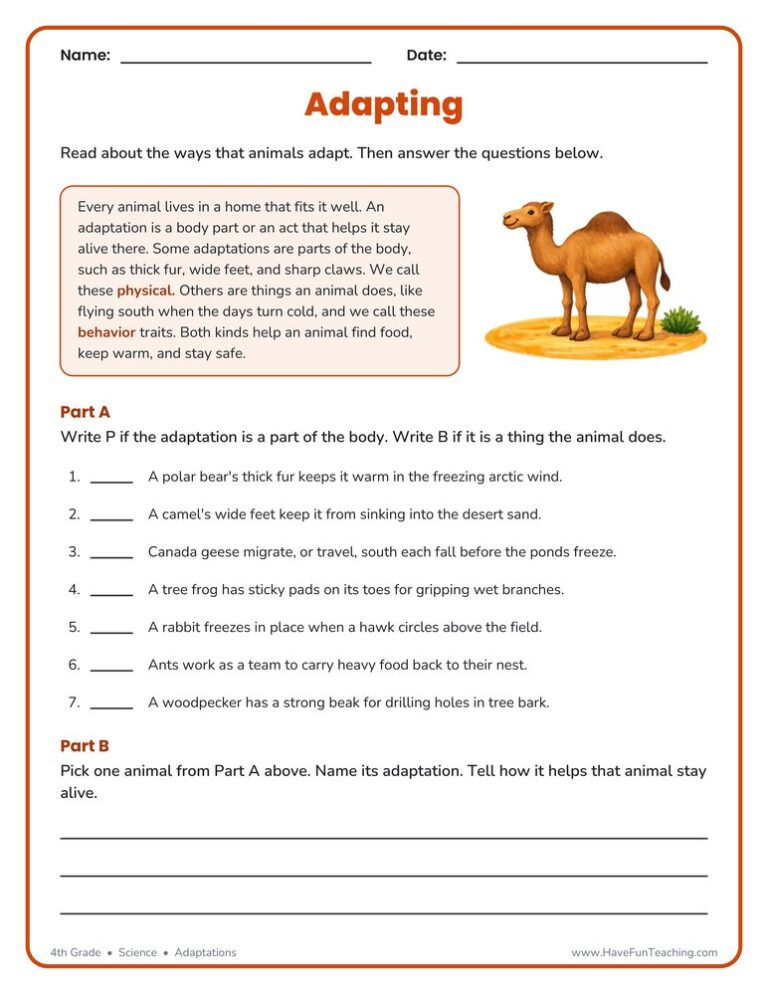
Worksheet4th GradeAdaptation Worksheet

This adaptation worksheet has 4th graders sort seven animal traits into physical and behavioral adaptations, then explain how one helps an animal survive. Answer key included for fast, no-prep life science practice.

Worksheet
Worksheet4th GradeFood Chain Worksheet

This food chain worksheet asks 4th grade students to match a producer and three consumers to their pictures and explain how energy moves. An answer key is included to make checking quick.

Worksheet
Worksheet4th GradeExtinction Worksheet

Students read a three-animal research table on this Extinction Worksheet, then explain how people helped the bald eagle, giant panda, and sea otter. Built for 4th grade and includes an answer key, so science research practice takes no prep.

Worksheet
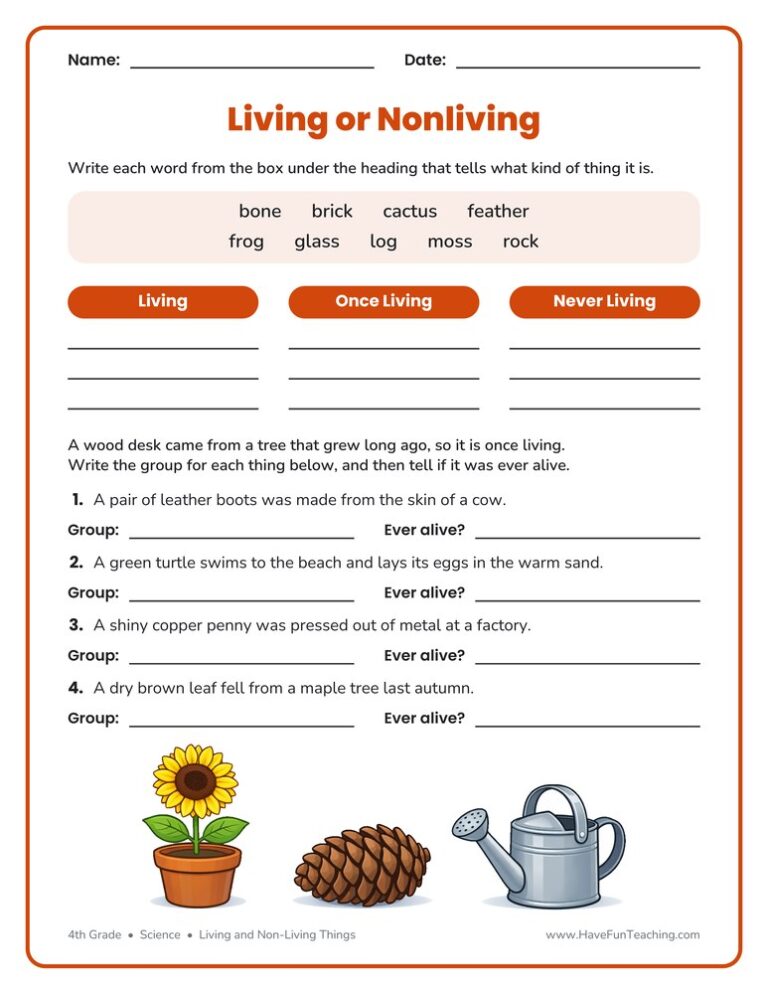
Worksheet4th GradeLiving and Non-Living Things Sorting Worksheet

This living and non-living things sorting worksheet has 4th grade students sort objects into living, once living, and never living groups. An answer key is included for fast, easy checking.

Activity
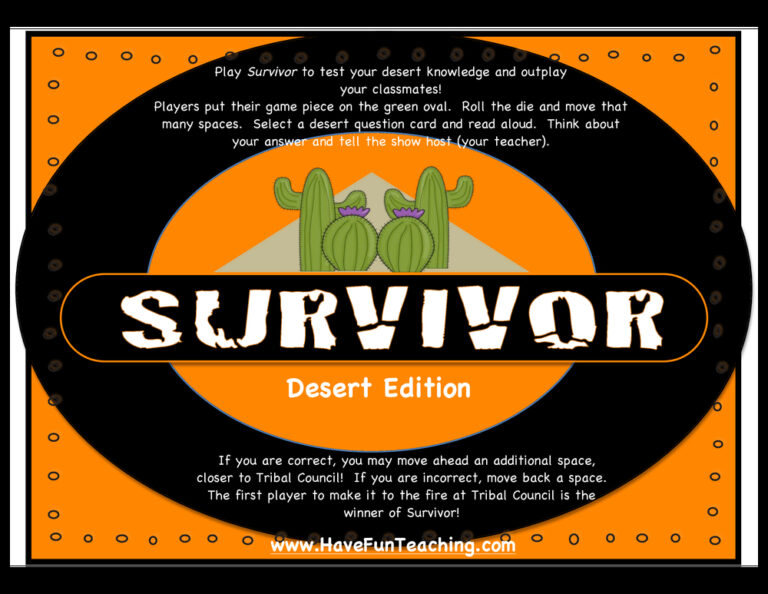
Activity4th GradeSurvivor Desert Edition Activity

Using this Survivor Desert Edition Activity, students play the survivor board game to test your knowledge of animals and their habitats.

Activity
Activity4th GradeFlorida Wildlife Animal Project

Using this Florida Wildlife Animal Project, students research, design a poster, create a model and give a presentation to learn about the animals that live in Florida.

Activity
Activity4th GradeBrazil Wildlife Animal Project

This Brazil wildlife animal project activity has students sort ten rainforest animals by layer, then research one animal and share it. Made for 3rd to 5th grade, answer key included.

Activity
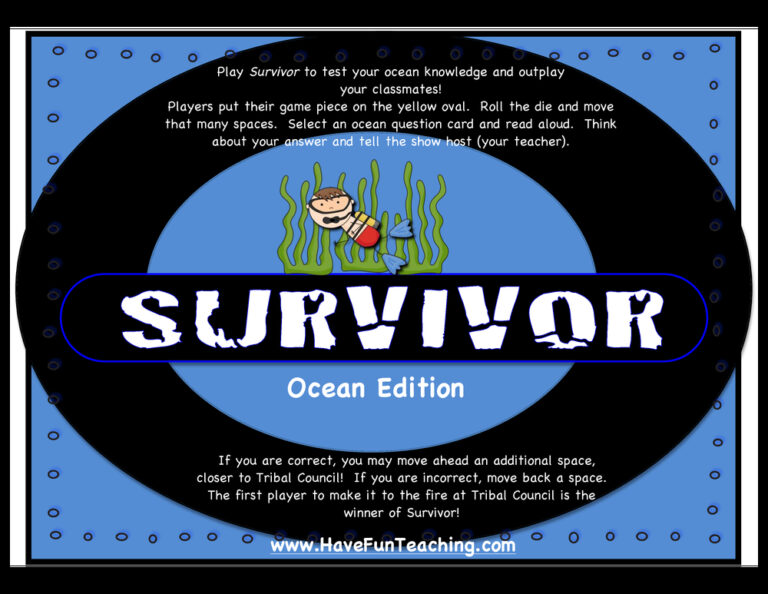
Activity4th GradeSurvivor Ocean Edition Activity

Using this Survivor Ocean Edition Activity, students play the survivor board game to test your knowledge of animals and their habitats.

Activity
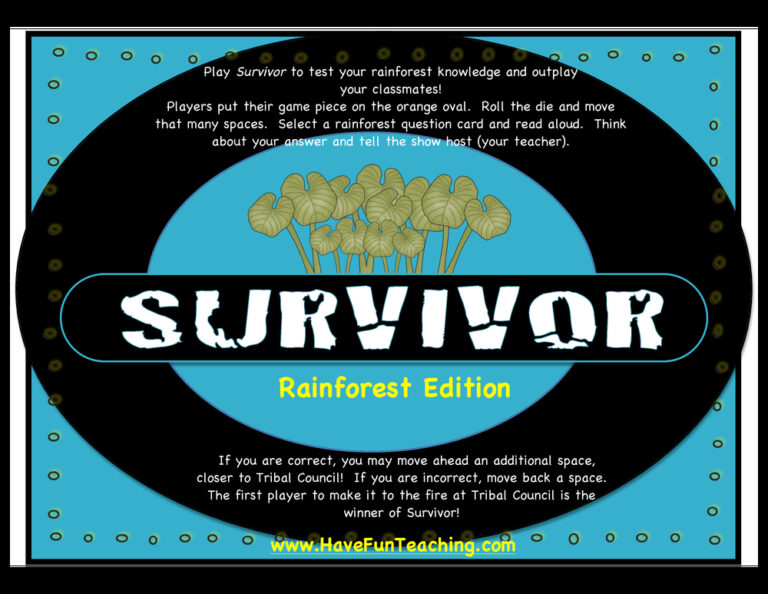
Activity4th GradeSurvivor Rainforest Edition Activity

Using this Survivor Rainforest Edition Activity, students play the survivor board game to test your knowledge of animals and their habitats.

From our teachers' playbook

How life survives in a non-living world

What do 4th graders learn about living and non-living things?

Fourth graders go deeper than sorting. They learn how living things depend on non-living parts of their ecosystem, like sunlight, water, soil and temperature. They study adaptations, the body parts and behaviors that help a plant or animal survive in its habitat, like a camel's humps or a cactus's waxy skin. They trace energy through food chains, from the sun to plants to animals, and learn what can push a species toward extinction. The click moment comes when kids see that changing one non-living thing, like rainfall, can change everything that lives there.

Our favorite ways to teach living systems in 4th grade

Fourth graders love survival stories. These moves turn science facts into real thinking.

Draw the food chain

Start with the sun and have kids draw arrows to show where energy goes: sun to grass to rabbit to fox. Then ask "What happens if the grass dries up?" A picture of the chain makes the cause and effect obvious.

Why it works: children learn more from words and pictures together than from words alone (Mayer, 2009).

Food Chain WorksheetTry it withFood Chain WorksheetWorksheetsOpen it →

Why does it look like that?

Show a picture of an animal, like an arctic fox, and ask kids to explain how each feature helps it survive. Partners name the living and non-living parts of its habitat that shaped the adaptation.

Why it works: using clear, consistent math words out loud is one of the U.S. Department of Education's recommendations for elementary math.

Adaptation WorksheetTry it withAdaptation WorksheetWorksheetsOpen it →

Biotic or abiotic sort

Flash quick examples like soil, mushrooms, wind and coral, and kids call out living or non-living. A fast warm-up each day builds the vocabulary they need for bigger ecosystem questions.

Why it works: a big review of study methods ranked quick self-quizzing among the most powerful ways to remember (Dunlosky and colleagues, 2013).

Living and Non-Living Things Sorting WorksheetTry it withLiving and Non-Living Things Sorting WorksheetWorksheetsOpen it →

What's on this page

Teacher favorites right now: Adaptation Worksheet, Food Chain Worksheet and Extinction Worksheet.

Questions about living and non-living things in 4th grade

What are biotic and abiotic factors?

Biotic factors are the living parts of an ecosystem, like plants, animals and fungi. Abiotic factors are the non-living parts, like sunlight, water, soil and temperature. Living things depend on both.

What is an adaptation?

An adaptation is a body part or behavior that helps a living thing survive in its environment. Thick fur in the arctic and long roots in the desert are examples.

How do non-living things affect living things?

Non-living things like water, light and temperature decide which plants and animals can live in a place. A drought, for example, can affect every living thing in an ecosystem.

How can I teach ecosystems at home?

Visit a park, pond or backyard and list the living and non-living things you see. Talk about how each living thing depends on something non-living to survive.