

Skip to content
Start My 3 Free Days $0 today · cancel anytime

4th Grade Seasons Resources

4 4th grade seasons resources: 3 activities, 3 flash cards, 1 song and more. How teachers use these

4th Grade Seasons Resources

4 4th grade seasons resources: 3 activities, 3 flash cards, 1 song and more. How teachers use these

Flash Cards
Flash Cards4th GradeBirthday Flash Cards

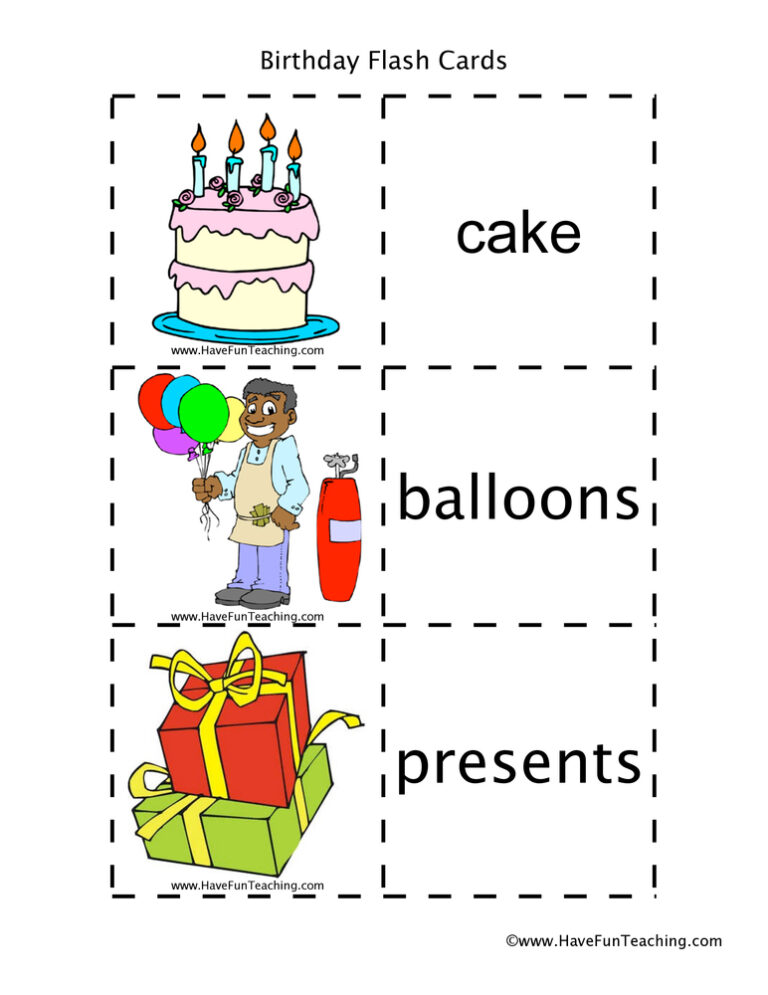
These birthday flash cards help preschool to 4th grade students learn 24 party words like cake, candles and presents. Fold-over picture cards, a practice page and an answer key are included.

Video
Video4th GradeSeasons Song (MP3)

While listening to the Seasons Song (MP3), students learn about the seasons of the year while listening to a catchy song.

Flash Cards
Flash Cards4th GradeMother's Day Flash Cards

These Mother's Day flash cards teach 15 holiday words with a picture on the front and the word inside. Made for Preschool to 4th Grade, with a practice page and answer key included.

From our teachers' playbook

It's all about the tilt

What do 4th graders learn about seasons?

Fourth graders learn the real reason we have seasons, and it surprises a lot of people: it is not because Earth gets closer to the Sun. Earth is tilted on its axis, so as it travels around the Sun over a year, one half leans toward the Sun and gets more direct sunlight and longer days. That half has summer while the other half has winter. Students also compare day length across the year and see how seasons affect plants, animals and weather. The click comes when they realize Australia has summer in December!

Our favorite ways to teach seasons

Seasons are a space puzzle. These moves help kids see it from the outside.

Start with a seasons song

Open the unit with the seasons song to review the four seasons and what each one brings. Then ask the big question: why do they happen at all? The familiar song gets everyone ready for the tricky science.

Why it works: a catchy, repeating tune gives the brain a hook to hang words on, so sung text is remembered better (Wallace, 1994).

Seasons Song (MP3)Try it withSeasons Song (MP3)SongsOpen it →

Flashlight and globe

Darken the room, shine a flashlight on a tilted globe and walk it around a "Sun" lamp. Kids watch the light hit the Northern Hemisphere more directly on one side of the orbit. Seeing the tilt in action clears up the closer-to-the-Sun mistake fast.

Why it works: showing first, practicing together, then letting kids try alone is the "gradual release" model teachers have relied on for decades (Pearson and Gallagher, 1983).

Birthday Flash CardsTry it withBirthday Flash CardsActivitiesOpen it →

Graph the daylight

Have students look up sunrise and sunset times for the first day of each month and graph the hours of daylight. The curve rises toward summer and falls toward winter. Real data makes the pattern impossible to miss.

Why it works: kids understand an idea best when they touch it, then draw it, then write it, the order the U.S. Department of Education recommends for elementary math.

Thanksgiving Clip ArtTry it withThanksgiving Clip ArtActivitiesOpen it →

Questions about seasons in 4th grade

What causes the seasons?

The seasons are caused by the tilt of Earth's axis. As Earth orbits the Sun, the half tilted toward the Sun gets more direct sunlight and longer days, which makes summer.

Do seasons happen because Earth is closer to the Sun?

No. Earth is actually closest to the Sun in early January, during winter in the Northern Hemisphere. The tilt, not the distance, causes the seasons.

Why are seasons opposite in the two hemispheres?

When the Northern Hemisphere tilts toward the Sun, the Southern Hemisphere tilts away. So when it is summer in the United States, it is winter in Australia.

How do you teach seasons to kids?

Use a flashlight and a globe to show how the tilt changes how directly sunlight hits Earth. Graphing daylight hours through the year makes the pattern clear.



