Skip to content
Start My 3 Free Days $0 today · cancel anytime

Kindergarten Cardinal Numbers Resources

8 kindergarten cardinal numbers resources: 4 videos, 4 activities and 2 songs. How teachers use these

Kindergarten Cardinal Numbers Resources

8 kindergarten cardinal numbers resources: 4 videos, 4 activities and 2 songs. How teachers use these

Activity
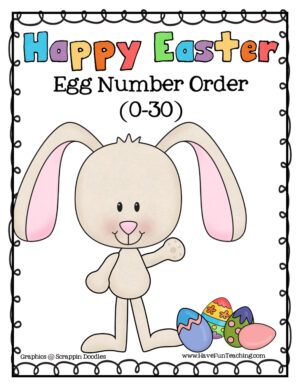
ActivityKindergartenEaster Number Order 0-30 Activity

This Easter number order 0-30 activity has children put 30 egg cards in order and fill in a number path. Made for Kindergarten and 1st grade, with a practice page and answer key included.

Activity
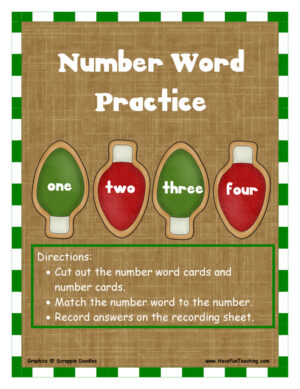
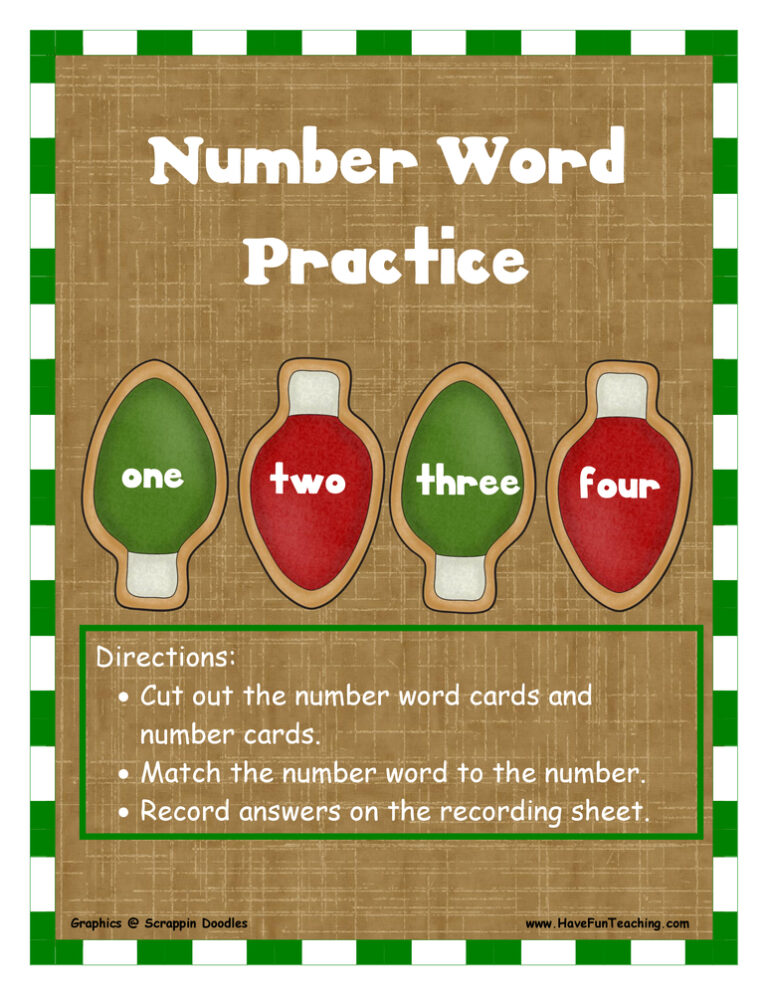
ActivityKindergartenNumber Word Lights Activity

Using Number Word Lights Activity, students match the number with the number word in order to build their math fluency.

Activity
ActivityKindergartenEaster 0-100 Number Order Activity

This Easter 0-100 number order activity lets kindergarten and 1st grade students put colorful egg cards in order and fill in an egg hundred chart. A practice page and answer key are included.

Activity
ActivityKindergartenOrdering Numbers 0-30 Christmas Activity

In this ordering numbers 0-30 Christmas activity, children sort 30 holiday number cards and line each set up from least to greatest. Made for Kindergarten and 1st grade, with a practice page and answer key included.

From our teachers' playbook

How many? Count and know!

What do kindergartners learn about cardinal numbers?

Cardinal numbers answer the question "how many?" Kindergartners learn to count objects by touching each one and saying one number, and then the big idea: the last number you say tells how many. If a child counts 1, 2, 3, 4, 5 blocks, there are 5 blocks, no matter how you arrange them. They also match numerals and number words to groups up to 10, then 20. The click moment is when a child stops recounting from one and just says, "Five!"

Our favorite ways to teach cardinal numbers

Counting is a skill kids build with hands, eyes and voices together. These moves practice all three.

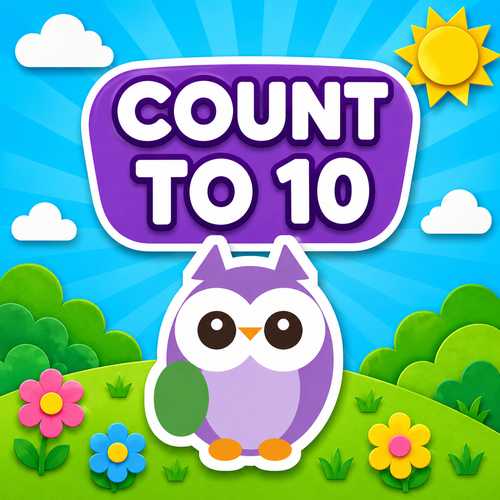
Sing the counting song

Sing the counting song while kids hold up one finger for each number. When the song stops, ask "How many fingers?" That little pause is where cardinality starts to click.

Why it works: a catchy, repeating tune gives the brain a hook to hang words on, so sung text is remembered better (Wallace, 1994).

I Love to Count from 1 to 10 SongTry it withI Love to Count from 1 to 10 SongSongsOpen it →
Touch, count, tell

Model slowly: touch each object, say one number, then sweep your hand over the group and say "Five! There are five." Kids copy your moves with their own counters. Showing the last-number rule out loud is the whole lesson.

Why it works: handing over the work step by step, from teacher to student, is one of the most widely used teaching frameworks (Pearson and Gallagher, 1983).

Count Objects 1 to 5 Micro LessonTry it withCount Objects 1 to 5 Micro LessonVideosOpen it →

Match the lights

Kids build groups of objects to match a number word or numeral card, then check by counting again. Building, then checking, helps them trust that the count tells how many.

Why it works: going from real objects to pictures to symbols is a core recommendation of the U.S. Department of Education's elementary math guide.

Number Word Lights ActivityTry it withNumber Word Lights ActivityActivitiesOpen it →

Cardinal number questions for kindergarten

What is a cardinal number?

A cardinal number tells how many things are in a group, like 3 dogs or 10 crayons. It is different from an ordinal number, which tells position, like 3rd in line.

What is cardinality in kindergarten?

Cardinality is understanding that the last number counted tells the total. If a child counts four cars and says "four" when asked how many, without recounting, they understand cardinality.

How can I practice counting at home with my kindergartner?

Count snacks, stairs, socks or toys every day, touching each one. Then ask "How many?" and celebrate when they answer with the last number.

How high should a kindergartner count?

By the end of kindergarten, most kids count to 100 by ones and tens and count objects up to 20 to tell how many.