
Skip to content
Start My 3 Free Days $0 today · cancel anytime

Kindergarten Fact Families Resources

3 kindergarten fact families resources: 3 activities. How teachers use these

Kindergarten Fact Families Resources

3 kindergarten fact families resources: 3 activities. How teachers use these

Activity
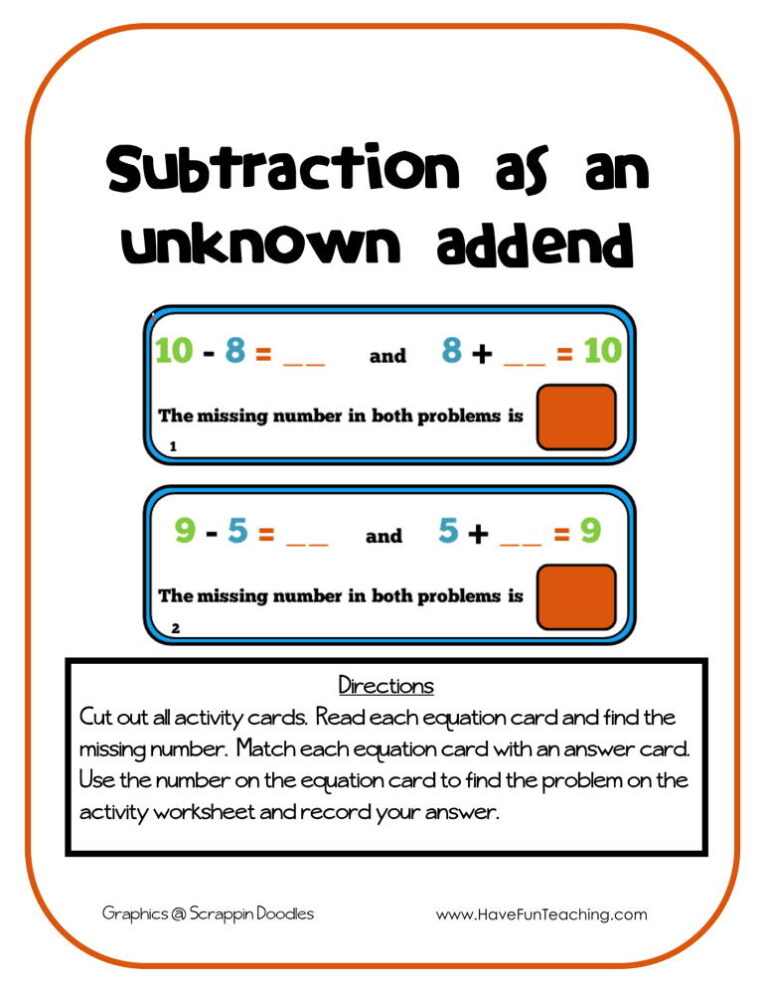
ActivityKindergartenSubtraction as an Unknown Addend Activity

This subtraction as an unknown addend activity helps K through 2nd grade students solve subtraction within 20 by matching each fact to its addition fact card. Answer key included.

Activity
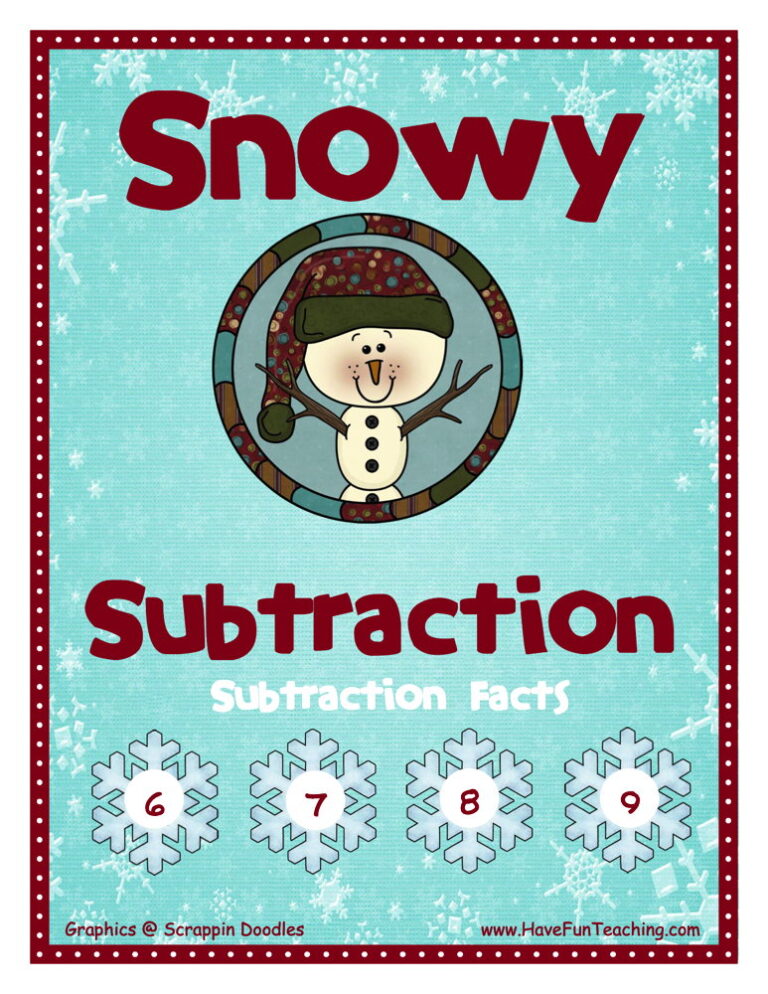
ActivityKindergartenSubtraction With 6-7-8-9 Differences Activity

This subtraction with 6-7-8-9 differences activity is a snowy card sort for kindergarten and 1st grade students. Solve each fact, sort it under its snowflake, and check with the answer key included.

Activity
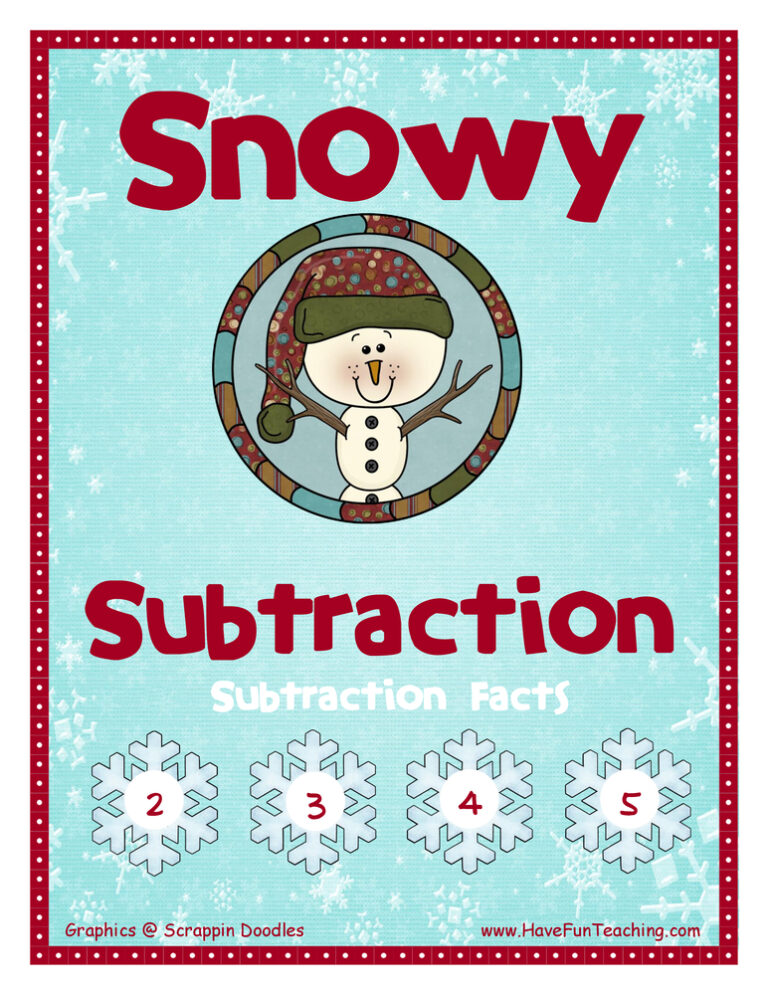
ActivityKindergartenSubtraction With 2-3-4-5 Differences Activity

This subtraction with 2-3-4-5 differences activity is a winter card sort for kindergarten and 1st grade. Children solve facts within 10, sort each card under its snowflake, and check with the answer key included.

From our teachers' playbook

Three numbers, one happy family!

What do kindergartners learn about fact families?

Kindergartners learn that addition and subtraction are connected. A fact family is a set of three numbers that work together, like 2, 3 and 5. Kids see that 2 + 3 = 5 and 3 + 2 = 5, and then that taking parts away works too: 5 - 2 = 3. They use counters, fingers and pictures to show how a whole can be split into parts and put back together, mostly with numbers up to 10. The click comes when a child says, "If 3 and 2 make 5, then 5 take away 2 has to be 3!"

Our favorite ways to teach fact families

Little mathematicians need to see and touch the parts and the whole. These moves make fact families feel like a puzzle, not a list.

Find the missing part

Show 6 counters, hide some under a cup and leave 4 out. Ask, "How many are hiding?" Kids figure out that 4 and something make 6. Turning subtraction into a missing part shows how the facts connect.

Why it works: kids understand an idea best when they touch it, then draw it, then write it, the order the U.S. Department of Education recommends for elementary math.

Subtraction as an Unknown Addend ActivityTry it withSubtraction as an Unknown Addend ActivityActivitiesOpen it →

Tell the number story

Use small differences first and have kids tell a story for each fact. "I had 5 apples, I ate 2, now I have 3." Talking it out helps them see addition and subtraction as two sides of the same story.

Why it works: when kids say the precise math words, their understanding gets sharper, a recommendation of the U.S. Department of Education's elementary math guide.

Subtraction With 2-3-4-5 Differences ActivityTry it withSubtraction With 2-3-4-5 Differences ActivityActivitiesOpen it →

Bigger family challenge

Once kids are comfortable, move to differences of 6 through 9 and turn it into a game: who can find all the facts for a family? A quick round each day keeps it playful.

Why it works: in a well-known study, a few short sessions of a simple number board game measurably boosted young children's number skills (Ramani and Siegler, 2008).

Subtraction With 6-7-8-9 Differences ActivityTry it withSubtraction With 6-7-8-9 Differences ActivityActivitiesOpen it →

Questions parents and teachers ask

What is a fact family in kindergarten?

A fact family is a group of three numbers that make related addition and subtraction facts. For 2, 3 and 5: 2 + 3 = 5, 3 + 2 = 5, 5 - 2 = 3 and 5 - 3 = 2.

Do kindergartners learn fact families?

Many kindergarten classes introduce the idea with numbers up to 10, focusing on parts and wholes. Full fact family work usually grows in first grade.

How do I teach fact families to kindergartners?

Use real objects. Show a whole, split it into two parts and put it back together. Then write the matching facts. Counters, blocks and fingers work great.

How can I practice fact families at home?

Use snacks or toys. Put out 5 crackers, split them into two piles and ask what facts you can make. Then eat a few and talk about what is left.



